
Embarking on a journey, whether it’s a brief escape or a long-term relocation, often involves navigating new terrains – both literally and figuratively. For anyone planning to spend significant time in the Golden State, understanding “How do I get a California Driver’s License?” is not just a logistical question but a gateway to unlocking unparalleled experiences. California, a land of diverse landscapes from sun-drenched beaches to majestic mountains, sprawling cities to tranquil vineyards, truly comes alive when you have the freedom to explore it on your own terms.
Imagine the thrill of cruising down the Pacific Coast Highway, with the vast Pacific Ocean stretching endlessly beside you, stopping spontaneously at a charming coastal town like Carmel-by-the-Sea or a scenic overlook in Big Sur. Envision a family road trip to Disneyland in Anaheim, a cultural immersion in the vibrant neighborhoods of Los Angeles, or a gourmet adventure through the Napa Valley wine country. For business travelers, a driver’s license offers unparalleled convenience for navigating between meetings in San Francisco’s financial district and client visits in Silicon Valley. From securing long-term accommodation, perhaps a cozy apartment in Santa Monica or a luxurious villa in Palm Springs, to checking into a boutique hotel like The London West Hollywood or a sprawling resort, the ease of independent transportation is indispensable.
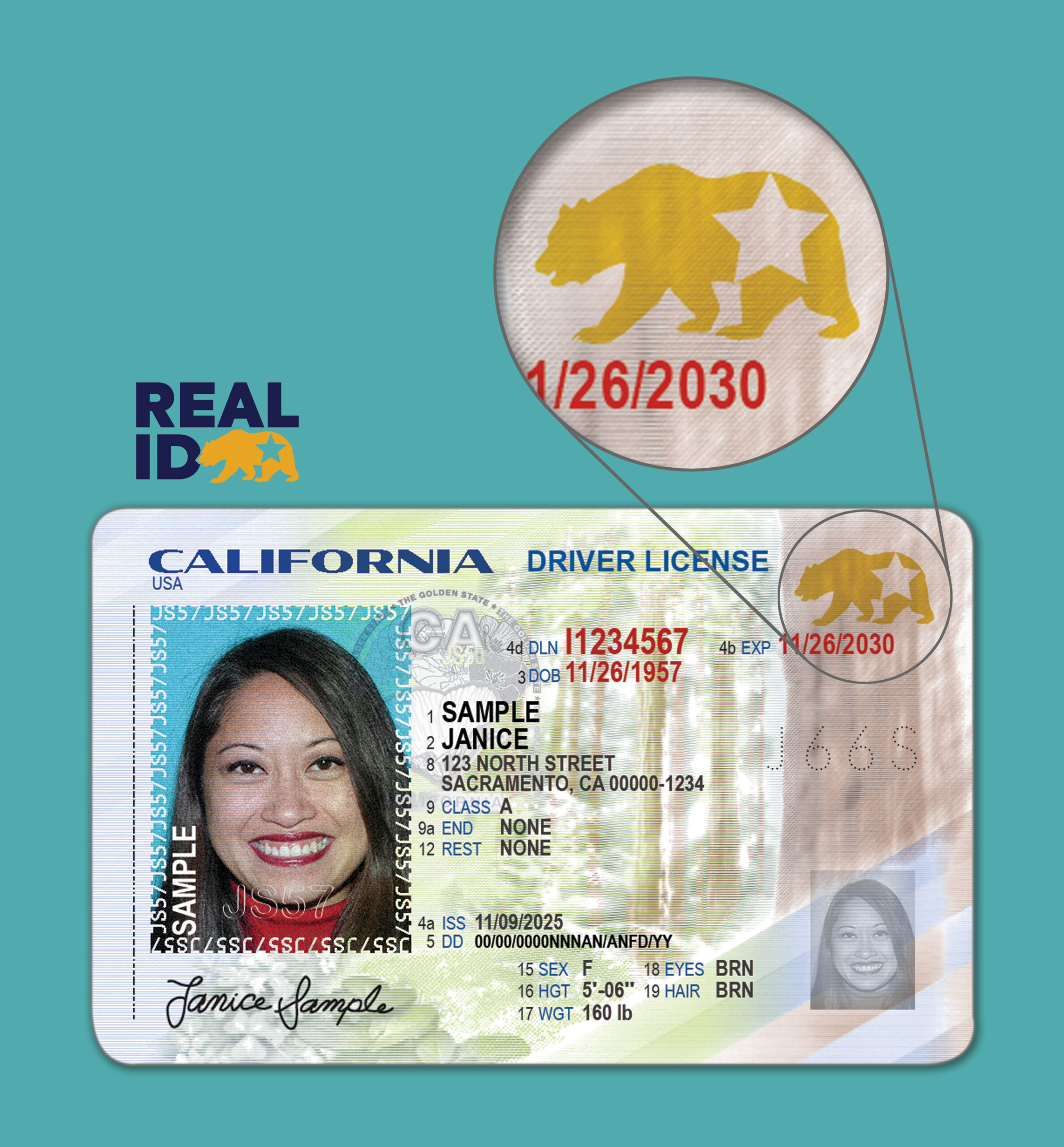
This comprehensive guide is designed to demystify the process of obtaining a California Driver’s License, offering practical advice for new residents, long-term visitors, and anyone looking to fully embrace the Californian lifestyle. With your driver’s license in hand, you’re not just gaining a piece of identification; you’re acquiring a passport to limitless travel, tourism, and lifestyle opportunities across this magnificent state.
Understanding Eligibility and Required Documentation
The first crucial step in securing your California Driver’s License involves understanding the fundamental eligibility criteria and meticulously gathering the necessary documentation. This foundational preparation will significantly streamline your visit to the Department of Motor Vehicles (DMV) and ensure a smooth application process.
Who Can Apply?
To be eligible for a standard (Class C) driver’s license in California, applicants must meet specific requirements:
- Age: You must be at least 18 years old to apply for a standard driver’s license without needing a provisional permit. If you are 16 or 17, you can apply for a provisional license, which has specific restrictions regarding driving hours and passengers, after holding an instruction permit for at least six months and completing driver education and training.
- Residency: You must be a resident of California. For many, this is self-explanatory, but for those establishing new residency, it might involve proving your intent to stay long-term.
- Legal Presence: You must be able to prove your legal presence in the United States. This typically means presenting documents such as a U.S. birth certificate, passport, green card, or an approved visa allowing long-term stay. The DMV verifies this with the U.S. Department of Homeland Security, and your license’s validity period may be tied to your legal presence documentation.
Gathering Your Essential Documents
The “REAL ID” Act, implemented nationwide, has significantly impacted the type and number of documents required for a driver’s license. To avoid multiple trips to the DMV, ensure you have all the following original documents (no photocopies unless specified):
- Proof of Identity: One document proving your true full name and date of birth. Examples include a U.S. birth certificate, valid U.S. passport or passport card, foreign passport with an approved U.S. visa and I-94 form, or a permanent resident card.
- Proof of Social Security Number (SSN): Your Social Security card or a document containing your SSN, such as a W-2 form. If you are ineligible for an SSN, you must sign a declaration to that effect.
- Proof of Residency in California: Two different documents proving your California residency. These could include utility bills (electricity, gas, water), rental agreements or lease contracts, mortgage statements, bank statements, medical documents, or employment documents. Ensure these documents display your current California address.
- Proof of Legal Presence: As mentioned, this validates your right to be in the U.S. For non-U.S. citizens, this is often a valid foreign passport with an I-94, permanent resident card, or employment authorization document.
It’s highly recommended to use the DMV’s interactive document checklist tool on their official website before your visit to confirm you have everything required for your specific situation. This meticulous preparation will save you considerable time and potential frustration.
Navigating the Application Process at the DMV
Once your documents are in order, the next phase involves direct engagement with the California DMV. This stage includes completing the application, paying fees, and undertaking the initial tests that assess your knowledge and physical capabilities.
Scheduling Your Appointment and Completing the Application
While walk-ins are sometimes accommodated, scheduling an appointment with the DMV is strongly advised to minimize wait times, which can be considerable, especially in bustling cities like San Diego or Oakland. Appointments can typically be made online via the DMV website.
Before your appointment, you can start the application process online by filling out the Driver’s License and Identification Card Application (DL 44 or eDL44). This pre-fills much of the paperwork, making your in-person visit more efficient. When you arrive at the DMV for your appointment, you will:
- Submit your completed application.
- Pay the non-refundable application fee.
- Have your thumbprint taken.
- Have your photograph taken.
- Present all your original identification and residency documents for verification.
The Written Knowledge Test
The written knowledge test is designed to ensure you understand California traffic laws and safe driving practices. This test consists of multiple-choice questions based on the official California Driver Handbook.
- Preparation is Key: The California Driver Handbook is your bible for this test. Read it thoroughly, paying close attention to traffic signs, road rules, and safe driving principles. Many online resources offer practice tests, which are invaluable for familiarizing yourself with the format and types of questions.
- What to Expect: The test can be taken on a computer or paper. For a standard license, you typically have three attempts to pass. If you fail, you must wait at least seven days before retaking it, allowing time for further study. It’s available in several languages, so ask if you require an alternative to English.
The Vision Exam
Following the written test, you will undergo a simple vision screening. This test checks your visual acuity and peripheral vision to ensure you can safely operate a vehicle. If you wear corrective lenses, bring them with you, as you will be tested with them on. Should you fail the vision test, you may be required to get an eye examination from an optometrist or ophthalmologist and submit a Vision Examination Report (DL 62) to the DMV.
Upon successfully passing both the written and vision tests, you will be issued an Instruction Permit. This permit allows you to drive only when accompanied by a licensed California driver, 18 years or older, who holds a valid license and is seated next to you. This is your opportunity to gain practical driving experience before the final hurdle.
Mastering the Behind-The-Wheel Driving Test
The behind-the-wheel driving test is the ultimate practical assessment of your driving skills and your ability to safely navigate California’s roads. Passing this test requires practice, confidence, and adherence to traffic laws.
Preparing for Your Driving Exam
Preparation is paramount for the driving test. The more practice you get, the more comfortable and competent you will feel.
- Extensive Practice: Practice driving in various conditions – different times of day, varying traffic levels, and on different types of roads (city streets, highways). Focus on maneuvers such as parallel parking, three-point turns, lane changes, and proper signaling. Having a seasoned California driver guide you can be immensely helpful.
- Vehicle Requirements: You must provide a safe and operational vehicle for your test. It must be registered, insured, and have working headlights, brake lights, turn signals, horn, and tires. The vehicle must also have a driver’s side door that opens from both the inside and outside, and a working passenger window. The DMV examiner will perform a brief inspection of your vehicle before the test. Ensure your car is clean and free of unnecessary clutter, presenting a professional image.
- What Instructors Look For: Examiners assess your ability to follow directions, observe traffic laws, demonstrate safe driving habits, and show control of the vehicle. This includes proper use of mirrors, scanning intersections, maintaining safe following distances, and smooth acceleration and braking.
What to Expect During the Test
The driving test typically lasts around 15-20 minutes and covers a predetermined route designed to assess various driving skills.
- Pre-Drive Check: Before you even leave the parking lot, the examiner will conduct a pre-drive safety check, asking you to demonstrate the use of your turn signals, brake lights, horn, windshield wipers, defroster, and emergency brake. You might also be asked to locate and identify controls like the headlights and hazard lights.
- On-Road Assessment: You will be evaluated on your ability to:
- Start the vehicle, accelerate, and stop smoothly.
- Make safe lane changes.
- Maintain proper lane position.
- Follow traffic signals and signs.
- Perform turns (left and right) correctly, including checking blind spots.
- Execute a three-point turn or backing maneuver.
- Maintain a safe following distance.
- Observe speed limits.
- Scan for hazards and demonstrate defensive driving.
- Common Mistakes to Avoid: Failing to stop completely at stop signs, making illegal turns, improper lane changes, neglecting to check blind spots, exceeding the speed limit, and hitting curbs are common reasons for failure. Staying calm, focusing on the instructions, and remembering all your practiced safe driving habits are crucial.
If you pass the driving test, congratulations! The examiner will issue you a temporary license immediately. If you don’t pass, you will receive feedback on areas needing improvement, and you can schedule another test (after a minimum waiting period, usually one week, and another fee applies after the first three attempts).
Beyond the Test: Receiving Your License and Hitting the Road
Passing the behind-the-wheel test marks the final hurdle in obtaining your California Driver’s License. However, the process isn’t quite complete until you receive your permanent card.
From Temporary Permit to Permanent License
Once you successfully complete the driving test, the DMV examiner will issue you a temporary paper license, which is valid for a limited period, typically 60 to 90 days. This temporary license allows you to drive legally until your permanent, photo driver’s license arrives in the mail. Keep this temporary license with you at all times when driving.
The permanent driver’s license, which is a secure, REAL ID compliant card, will be mailed to the address you provided on your application. It usually arrives within two to four weeks. If you haven’t received it within 60 days, it’s advisable to contact the DMV to inquire about its status. Once your permanent license arrives, you’re officially equipped with the document that opens up a world of opportunities in California.
Making the Most of Your California Driving Privilege
With your California Driver’s License in hand, you’re no longer dependent on public transport schedules or expensive ride-shares. The entire state becomes your oyster, ready for exploration.
- Unforgettable Road Trips: Plan an epic journey along the Highway 1, visiting landmarks like the Golden Gate Bridge in San Francisco, the artistic haven of Laguna Beach, or the historic missions dotted along the coast. Venture inland to the awe-inspiring National Parks – Yosemite with its towering granite cliffs, Sequoia and Kings Canyon with their giant trees, or the otherworldly landscapes of Death Valley.
- Enhanced Tourism and Local Culture: A license facilitates visits to local farmers’ markets, hidden gem restaurants, and cultural festivals that might be off the main tourist routes. You can easily drive to a concert at the Hollywood Bowl, spend a day exploring the museums in Balboa Park in San Diego, or discover the unique charm of Solvang, California’s Danish village.
- Flexible Accommodation and Lifestyle: Drive directly to that secluded Airbnb in the Wine Country, or choose a resort like the Pechanga Resort Casino in Temecula without worrying about shuttle services. Your license empowers you to pursue a lifestyle that balances the urban excitement of Sacramento with the tranquil beauty of the Lake Tahoe area. Whether it’s a luxury travel experience staying at the Waldorf Astoria Beverly Hills or a budget-friendly camping trip, the freedom of the open road is now yours.
Special Considerations for New Residents and International Visitors
While the general process remains consistent, certain groups may have specific nuances to navigate when applying for a California Driver’s License.
Transferring an Out-of-State License
If you are a new resident to California and hold a valid driver’s license from another U.S. state, you are generally required to obtain a California Driver’s License within 10 days of establishing residency. The good news is that you typically do not need to take the behind-the-wheel driving test. You will still need to:
- Complete the application form.
- Provide proof of identity, SSN, and California residency.
- Pass the written knowledge test.
- Pass the vision test.
- Pay the application fee.
Remember to surrender your out-of-state license to the DMV when you receive your temporary California license.
Guidance for International Travelers
For international visitors, the rules can vary based on the length and purpose of your stay:
- Short-Term Visitors (Tourists): If you are visiting California as a tourist with a valid driver’s license from your home country, you can typically drive in California for the duration of your visit. It is highly recommended to carry an International Driving Permit (IDP) along with your foreign license. An IDP is a translation of your license and is recognized in over 150 countries.
- Long-Term Visitors (Students, Workers, etc.): If you establish residency in California (e.g., attending school, working), you are generally required to obtain a California Driver’s License. The process is similar to that for new residents, but you will need to provide valid proof of legal presence (visa, I-94, etc.) that allows for long-term stay. Depending on your home country’s licensing agreement with the U.S., you might need to take both the written and behind-the-wheel tests. Always check the specific requirements on the DMV website or contact them directly.
Obtaining a California Driver’s License might seem like a bureaucratic challenge at first glance, but with careful preparation and a clear understanding of the steps involved, it’s an entirely manageable process.
In conclusion, navigating the process of getting a California Driver’s License is a worthwhile endeavor for anyone looking to truly experience the depth and breadth of the Golden State. It’s more than just obtaining a credential; it’s about gaining independence, convenience, and the unparalleled freedom to explore every corner of this magnificent region. From leisurely drives through the Redwood National Park to bustling city tours, from comfortable long-term accommodation in Orange County to spontaneous weekend getaways, your California Driver’s License is the key to unlocking an enriched travel, tourism, and lifestyle experience. So, gather your documents, study the handbook, practice your driving skills, and prepare to embark on countless adventures across California’s iconic landscapes. The open road awaits!
LifeOutOfTheBox is a participant in the Amazon Services LLC Associates Program, an affiliate advertising program designed to provide a means for sites to earn advertising fees by advertising and linking to Amazon.com. Amazon, the Amazon logo, AmazonSupply, and the AmazonSupply logo are trademarks of Amazon.com, Inc. or its affiliates. As an Amazon Associate we earn affiliate commissions from qualifying purchases.