
Navigating the process of obtaining a car dealer license in Florida is a critical step for anyone aspiring to enter the vibrant automotive sales industry in the Sunshine State. This guide aims to demystify the requirements, outline the essential steps, and provide insights to ensure a smooth and successful application process. Becoming a licensed dealer not only legitimizes your business but also builds trust with customers and adheres to the stringent regulations set forth by the state.
Understanding the Florida Dealer Licensing Landscape
The Florida Department of Highway Safety and Motor Vehicles (FLHSMV) oversees the licensing of motor vehicle dealers in the state. They ensure that all individuals and businesses meet specific criteria to operate legally and ethically. The primary goal is consumer protection and maintaining the integrity of the automotive sales market. Before diving into the application process, it’s crucial to understand the different types of dealer licenses available and the general prerequisites.
Types of Dealer Licenses
Florida offers various dealer licenses tailored to different business models within the automotive industry. Understanding which license best suits your intended operation is the first strategic step.
New and Used Vehicle Dealer Licenses
This is the most common type of license for businesses selling new or used cars, trucks, and motorcycles. A new dealer license typically requires a franchise agreement with a specific manufacturer, while a used dealer license allows for the sale of pre-owned vehicles from any make.
Independent Dealer Licenses
These licenses are for businesses that specialize in selling used vehicles. They are distinct from franchised dealerships and have their own set of regulations.
Wholesale Dealer Licenses
This license is for businesses that sell vehicles only to other licensed dealers, not directly to the public. This segment of the market is crucial for inventory redistribution and business-to-business transactions.
Recreational Vehicle (RV) Dealer Licenses
If your focus is on selling motorhomes, travel trailers, and other recreational vehicles, you will need a specific RV dealer license.
Mobile Home Dealer Licenses
Similar to RVs, the sale of mobile homes requires a specialized dealer license.
Other Specialized Licenses
Florida also offers licenses for dealerships dealing with specific types of vehicles, such as utility trailers, motorcycles, or auto brokers.
General Prerequisites for All Licenses
Regardless of the specific license type, certain fundamental requirements must be met by all applicants. These are designed to ensure a baseline of professionalism and legal compliance.
Business Location Requirements
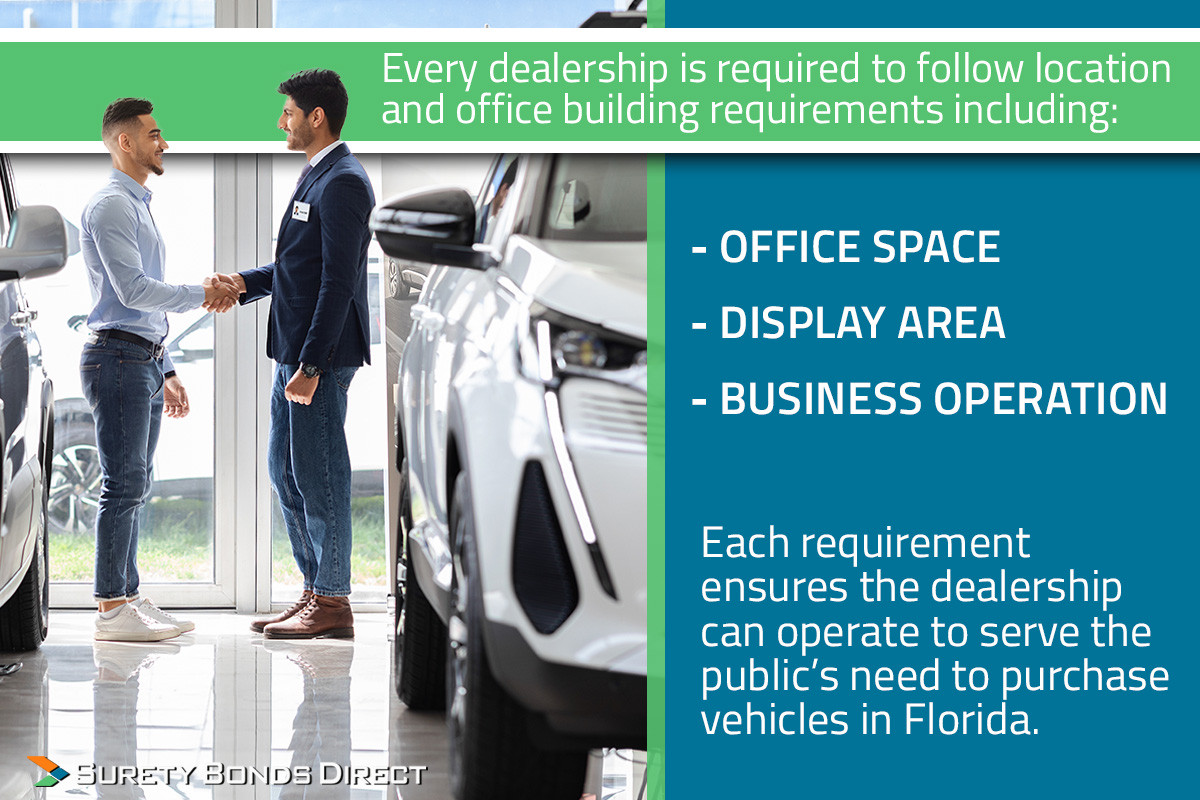
Your business premises must meet specific criteria. This typically includes having a physical office space with adequate signage, a display area for vehicles, and compliance with local zoning ordinances. The location must be a permanent place of business and not a temporary lot or residence.
Business Entity Registration
You will need to establish your business as a legal entity, such as a sole proprietorship, partnership, limited liability company (LLC), or corporation. This involves registering your business name with the Florida Secretary of State.
Background Checks and Fingerprinting
Applicants and key personnel are usually required to undergo criminal background checks and submit to fingerprinting as part of the vetting process. This is to ensure individuals with disqualifying criminal histories are not granted licenses.
Surety Bond Requirement
A surety bond is a financial guarantee that protects consumers against fraud or misrepresentation by the dealer. The amount of the bond varies depending on the type of license and the volume of sales. This bond ensures that if a dealer engages in fraudulent practices, consumers can be compensated.
The Step-by-Step Application Process
Once you understand the landscape and meet the general prerequisites, you can begin the formal application process. This involves gathering documentation, completing forms, and undergoing inspections.
Step 1: Obtain Pre-Licensing Education and Training
Florida mandates that all applicants for a dealer license complete a pre-licensing course. This course covers state laws and regulations pertaining to the sale of motor vehicles, ethical business practices, and consumer protection. Successful completion will result in a certificate, which is a required document for your application. Many accredited institutions offer these courses, both online and in-person, so choose one that fits your schedule and learning style.
Step 2: Secure Your Business Location and Obtain Necessary Permits
Before you can apply for a license, you must have a physical business location secured. This involves leasing or purchasing a suitable property and ensuring it complies with all local zoning laws and building codes. You will likely need to obtain a local business tax receipt and potentially other permits from the city or county where your dealership will be located. The FLHSMV may conduct an inspection of your business premises to verify compliance.
Step 3: Register Your Business Entity and Obtain an Employer Identification Number (EIN)
As mentioned, your business must be registered with the Florida Secretary of State. This step formalizes your business structure. Following this, you will need to obtain an Employer Identification Number (EIN) from the Internal Revenue Service (IRS). An EIN is like a Social Security number for your business and is required for tax purposes, opening business bank accounts, and hiring employees.
Step 4: Obtain a Surety Bond
The amount and specific requirements for your surety bond will depend on the type of dealer license you are applying for. You will need to work with a licensed surety bond agent to secure the appropriate bond. This bond is a financial guarantee that protects consumers. Keep the bond certificate, as it will be a required attachment to your license application.
Step 5: Complete the Dealer License Application Forms
The FLHSMV provides specific application forms for each type of dealer license. These forms are comprehensive and require detailed information about your business, its principals, and your operations. Ensure you fill out all sections accurately and completely. Any errors or omissions can lead to delays or rejection of your application. You can typically download these forms from the FLHSMV website.
Step 6: Undergo Background Checks and Fingerprinting
All individuals who will have ownership or management responsibilities within the dealership will need to undergo a criminal background check and submit fingerprints. The FLHSMV will provide instructions on how to schedule your fingerprinting appointment and what information you will need to provide.
Step 7: Submit Your Application Package and Fees
Once all supporting documents are gathered, including your pre-licensing certificate, proof of business registration, EIN, surety bond, and completed application forms, you will submit them to the FLHSMV. There will be associated application fees, which vary depending on the license type. It is advisable to submit your application package via certified mail or in person to ensure it is received.
Step 8: Await FLHSMV Review and Potential Inspection
After submission, the FLHSMV will review your application package. They may request additional information or clarification. If your application is deemed complete, they may schedule an inspection of your business premises to ensure it meets all regulatory requirements. This inspection is a crucial part of the process, so ensure your location is ready and compliant.
Step 9: Receive Your Dealer License
Upon successful completion of all requirements, including the inspection, and approval of your application, the FLHSMV will issue your Florida dealer license. Congratulations! You are now authorized to begin operating your automotive dealership in Florida.
Maintaining Your Dealer License and Compliance
Obtaining a license is just the beginning. To maintain your dealership’s good standing, ongoing compliance with Florida laws and FLHSMV regulations is essential.
Record Keeping and Reporting
Licensed dealers are required to maintain accurate records of all vehicle sales, purchases, and title transactions. These records must be available for inspection by the FLHSMV or other law enforcement agencies. Furthermore, you will need to file regular reports, such as tax returns and inventory reports, as mandated by state and federal authorities.
Adhering to Advertising and Sales Practices
Florida has specific regulations regarding how dealerships advertise and conduct sales. These rules are designed to prevent deceptive practices and ensure fair treatment of consumers. Familiarize yourself with these regulations, including disclosure requirements for vehicle condition, financing, and warranties.
Renewing Your License
Dealer licenses are not permanent and must be renewed periodically. The FLHSMV will notify you of your renewal deadline and provide the necessary forms and instructions. Typically, renewal involves submitting updated information, paying renewal fees, and demonstrating continued compliance with all licensing requirements. You may also need to complete continuing education to maintain your license.
Staying Informed About Regulatory Changes
The laws and regulations governing the automotive industry can change. It is imperative for licensed dealers to stay informed about any updates or new requirements from the FLHSMV. Subscribing to industry newsletters, attending relevant workshops, and regularly visiting the FLHSMV website are excellent ways to stay current.
By meticulously following these steps and committing to ongoing compliance, aspiring automotive entrepreneurs can successfully navigate the process of obtaining a car dealer license in Florida and build a reputable and thriving business.
LifeOutOfTheBox is a participant in the Amazon Services LLC Associates Program, an affiliate advertising program designed to provide a means for sites to earn advertising fees by advertising and linking to Amazon.com. Amazon, the Amazon logo, AmazonSupply, and the AmazonSupply logo are trademarks of Amazon.com, Inc. or its affiliates. As an Amazon Associate we earn affiliate commissions from qualifying purchases.