
Embarking on a new adventure in the Sunshine State often comes with the practical necessity of obtaining a Florida driver’s license. Whether you’re a recent transplant drawn by the allure of Florida’s vibrant lifestyle, a student enjoying a semester in a lively city, or a snowbird seeking extended stays, navigating the process of getting your license is a crucial step. This guide will walk you through everything you need to know, from the initial requirements to passing your driving test, ensuring your transition to driving legally in Florida is as smooth as possible.
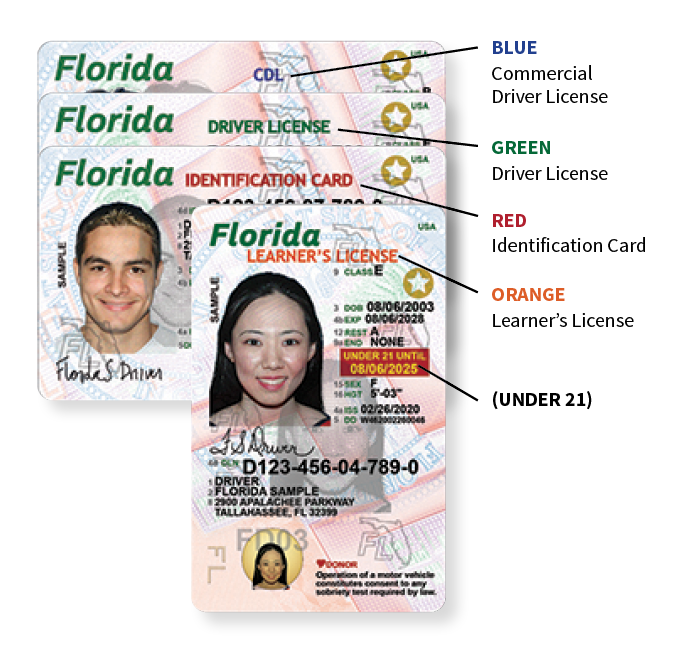
The journey to acquiring a Florida driver’s license is designed to be comprehensive, ensuring that all drivers are well-equipped to handle the state’s diverse road conditions and traffic laws. It’s a process that prioritizes safety and proficiency, reflecting Florida’s commitment to a secure driving environment for residents and tourists alike. Understanding the prerequisites and the steps involved will empower you to approach the Department of Highway Safety and Motor Vehicles (DHSMV) with confidence.
Eligibility and Necessary Documentation
Before you can even think about sitting behind the wheel for a test, you need to ensure you meet Florida’s eligibility requirements and have the correct documentation in order. This is the foundational step, and getting it right will save you considerable time and potential frustration.
Proof of Identity and Legal Presence
The first hurdle is proving who you are and that you are legally permitted to be in the United States. The DHSMV requires specific forms of identification. Generally, you will need to present one primary identification document and one secondary identification document.
Primary Identification: This document must show your date of birth, signature, and your photograph. Acceptable primary documents include:
- Original or certified copy of a Birth Certificate issued by a government agency.
- Valid U.S. Passport.
- Valid Driver’s License from another U.S. state or territory.
- Consular ID.
- Alien Registration Receipt Card (Green Card).
- Employment Authorization Card.
Secondary Identification: If your primary document doesn’t contain your Social Security number, you’ll also need to present a secondary document that verifies your Social Security number, such as a Social Security card or a W-2 form. Additionally, you’ll need documents to prove your residential address in Florida.
Proof of Residential Address: You will need to provide at least two proofs of your residential address. These can include:
- Utility bills (electricity, water, gas, etc.) in your name.
- Lease agreements or deeds for your home.
- Bank statements or cancelled checks with your name and address.
- Insurance policies.
- School transcripts or enrollment records.
It’s crucial to check the official Florida DHSMV website for the most up-to-date list of acceptable documents, as requirements can occasionally change. Having these documents meticulously organized before your visit to a driver license service center will streamline the entire process. Many people find it helpful to gather these a few weeks in advance, especially if they need to request certified copies or obtain new statements.
Social Security Number Verification
As mentioned, Florida law requires proof of your Social Security number. If your primary ID doesn’t list it, you’ll need a separate document. This is typically a Social Security card, but other official documents that display your full Social Security number, such as a pay stub or a tax return, may also be accepted. This is to ensure compliance with federal regulations.
Proof of Vision and Medical Standards
Before you can be issued a license, you must pass a vision test. This test is administered at the DHSMV service center. If you wear corrective lenses, be sure to bring them with you. In some cases, if you have specific medical conditions that might affect your driving ability, you may need to provide a medical report from your physician. This is a standard procedure to ensure the safety of all road users.
The Application Process and Required Exams
Once you have all your documentation in order, the next step is to visit a Florida DHSMV service center to officially begin your application and undergo the necessary examinations.
Applying for a Learner’s Permit (For New Drivers)
If you are under 18 years of age, the process begins with obtaining a learner’s permit. This permit allows you to drive under the supervision of a licensed adult driver. To get a learner’s permit, you must:
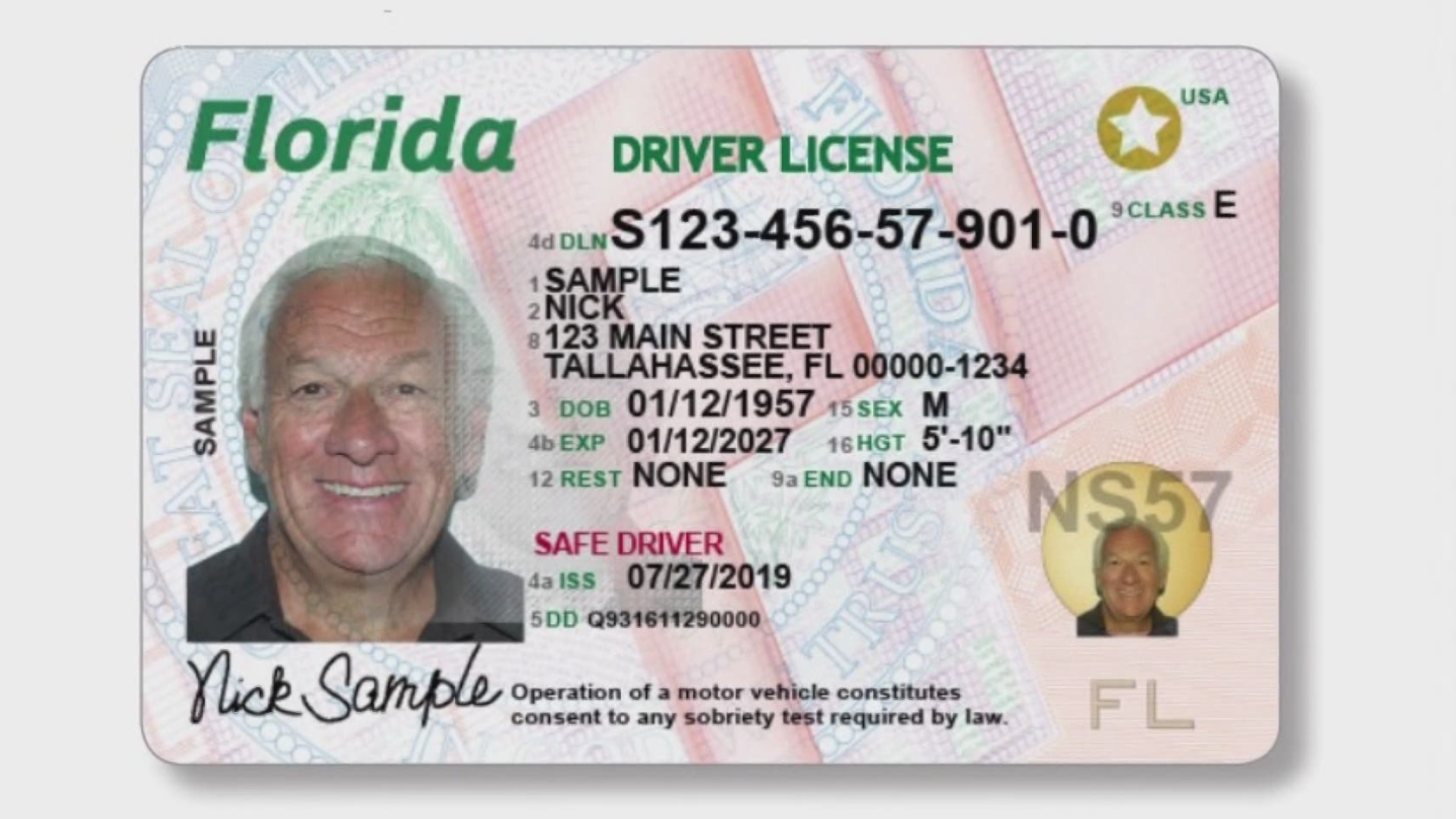
- Be at least 15 years old.
- Complete a Traffic Law and Substance Abuse Education (TLSAE) course. This course is usually offered online or at driving schools and covers the rules of the road, traffic laws, and the dangers of substance abuse.
- Pass a knowledge test, which covers traffic laws and road signs.
- Present your required identification and proof of residency.
The Knowledge Test: This multiple-choice test assesses your understanding of Florida’s traffic laws, road signs, and safe driving practices. You can prepare for this test by studying the official Florida Driver’s Handbook, which is readily available on the DHSMV website. It’s highly recommended to take practice tests online to gauge your readiness.
Taking the Written Knowledge Exam
For all applicants, whether applying for a learner’s permit or a full license as an experienced driver from out of state, a written knowledge exam is typically required, unless specific exemptions apply (such as holding a valid license from another state). This exam covers fundamental driving principles, traffic laws, and identification of road signs. The Florida Driver’s Handbook is your definitive study guide. Familiarizing yourself thoroughly with its contents is the most effective way to ensure you pass this crucial test. Many service centers offer computerized versions of the test, allowing for immediate results.
The Driving Skills Test (Road Test)
The final and most practical step in obtaining your driver’s license is the driving skills test, commonly known as the road test. This test assesses your ability to operate a vehicle safely and competently. You will be evaluated on various driving maneuvers and your adherence to traffic laws.
What to Expect During the Road Test:
A certified examiner will accompany you in your vehicle. They will instruct you on specific actions to perform, such as:
- Starting, stopping, and backing up the vehicle.
- Turning left and right at intersections.
- Changing lanes safely.
- Obeying traffic signals and signs.
- Maintaining proper speed and following distance.
- Parking maneuvers (parallel parking, three-point turns, etc.).
- Checking blind spots and using mirrors effectively.
Vehicle Requirements for the Road Test:
The vehicle you use for the road test must be in safe operating condition. This includes:
- Working brakes.
- Functioning turn signals, brake lights, and headlights.
- Operational windshield wipers.
- A rearview and at least one side mirror.
- A horn that works.
- Adequate tires.
Ensure your vehicle is clean and that the examiner has a clear view of the interior. You will also need to present proof of current vehicle registration and insurance. If you are under 18, you will need to have held your learner’s permit for at least 12 months and completed the required behind-the-wheel training before you can take the road test.
Obtaining Your Florida Driver’s License
After successfully passing all required tests and providing all necessary documentation, you’ll be ready to receive your official Florida driver’s license.
Issuance of Your License
Once you’ve passed the vision test, knowledge test, and the driving skills test, and have submitted all required paperwork, you will be issued a temporary driver’s license on the spot. This temporary license is valid for a specific period, usually 90 days, while your permanent license is being processed. Your permanent license will be mailed to your residential address within a few weeks.
For New Residents: If you are moving to Florida from another state or country, you generally have 30 days after establishing residency to obtain a Florida driver’s license. You will need to surrender your out-of-state license to the DHSMV.
For Those Under 18: As mentioned, Florida has specific Graduated Driver Licensing (GDL) laws for minors. After holding a learner’s permit for 12 months and completing the required driver education, you can take the road test. Upon passing, you will receive a Provisional Driver’s License. This license has certain restrictions until you reach the age of 18, such as limitations on nighttime driving and the number of passengers you can carry.
Renewing and Maintaining Your License
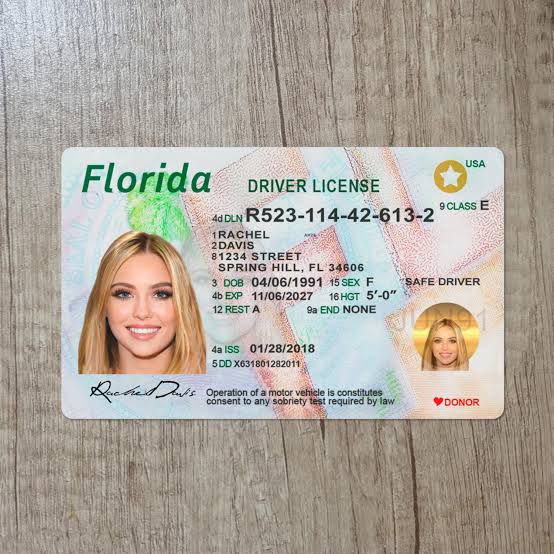
Florida driver’s licenses are typically valid for eight years. You will receive a renewal notice by mail before your license expires. Renewals can often be completed online, by mail, or in person at a DHSMV service center. It’s essential to keep your address updated with the DHSMV to ensure you receive renewal notices and any other important correspondence. Maintaining a clean driving record is also crucial, as traffic violations can lead to increased insurance premiums, points on your license, and in severe cases, suspension or revocation.
Navigating the process of getting a Florida driver’s license is an integral part of settling into life in the Sunshine State. By understanding the documentation requirements, preparing diligently for the knowledge and driving tests, and following the outlined steps, you’ll be well on your way to legally and confidently exploring all that Florida has to offer, from the pristine beaches of the Gulf Coast to the vibrant theme parks of Orlando and the historic charm of St. Augustine. Safe travels and happy driving!