
So, you’ve got the itch. The wind in your hair, the open road stretching out before you, the roar of an engine a symphony to your ears – the call of two-wheeled freedom is strong. And if you’re looking to experience this in the Sunshine State, you’ll need more than just a trusty bike; you’ll need a motorcycle endorsement on your Florida driver’s license. This guide will walk you through the entire process, ensuring you can hit the scenic highways and byways of Florida safely and legally. Whether you’re a seasoned rider looking to transfer your skills or a complete novice eager to start your motorcycling journey, understanding the requirements and steps involved is crucial.

The allure of Florida as a motorcycle destination is undeniable. Imagine cruising along the Overseas Highway towards Key West, the turquoise waters of the Atlantic on one side and the Gulf of Mexico on the other. Picture yourself exploring the historic streets of St. Augustine, the nation’s oldest city, or winding through the lush landscapes of the Everglades. From the vibrant energy of Miami to the charming towns scattered along its coastline, Florida offers a diverse range of experiences for motorcycle enthusiasts. But before you can embark on these adventures, the Florida Department of Highway Safety and Motor Vehicles (FLHSMV) has a clear set of guidelines you must follow to obtain your motorcycle endorsement.
Understanding the Requirements for Your Florida Motorcycle Endorsement
Obtaining a motorcycle endorsement in Florida isn’t just about showing up and asking for one. The state has specific criteria designed to ensure that riders possess the necessary knowledge and skills to operate a motorcycle safely. These requirements can vary slightly depending on your age and whether you are obtaining a learner’s permit or a full endorsement.
Age-Specific Requirements and the Learner’s Permit
If you are under the age of 18, the path to a motorcycle endorsement involves a few more steps. Florida law mandates that individuals under 18 must first obtain a motorcycle learner’s permit before they can get a full endorsement.
-
Motorcycle Learner’s Permit: To get a learner’s permit, you must be at least 16 years old. You will need to pass a vision and a Class E knowledge test. Additionally, and crucially for aspiring motorcyclists, you must complete a Basic Rider Course (BRC) approved by the Florida Department of Highway Safety and Motor Vehicles (FLHSMV). This course provides essential training in motorcycle operation, safety techniques, and traffic laws specific to motorcycles. Upon successful completion of the BRC, you will receive a waiver for the riding skills test. You’ll then take this waiver, along with your other required documentation, to a driver license service center. The learner’s permit is valid for one year. During this permit phase, there are restrictions: you cannot ride at night, on the highway, or with passengers.
-
Full Motorcycle Endorsement (Under 18): After holding your motorcycle learner’s permit for at least one year, and if you are at least 17 years old, you can apply for a full motorcycle endorsement. You will still need to have successfully completed the Basic Rider Course (BRC) and present your completion card. You will also need to have held your learner’s permit for the required duration.
Requirements for Riders 18 and Older
For those who are 18 years of age or older, the process is generally more streamlined, though still requires demonstrable competence and knowledge.
-
Basic Rider Course (BRC): The most common and recommended way for adults to obtain a motorcycle endorsement is by successfully completing a Basic Rider Course (BRC) or an Intermediate Rider Course (IRC) – both approved by the FLHSMV. This course is comprehensive, covering fundamental riding techniques, hazard avoidance, and responsible riding practices. Upon completion, you will receive a course completion card. This card serves as proof that you have met the riding skills requirement, and you will be issued a waiver for the riding skills test at the driver license service center. This is by far the easiest and most efficient route for most adults.
-
Waiver of Riding Skills Test: Completing an approved rider course is the primary method for waiving the riding skills test. This test, which would otherwise be administered by the FLHSMV, assesses your ability to control the motorcycle in various scenarios. By passing the BRC, you’re essentially proving your proficiency to certified instructors, which the state accepts.
-
Alternative to Riding Skills Test (Less Common): While not the preferred or most common method, riders over 18 who possess significant riding experience might be able to opt for taking the riding skills test at an authorized driver license service center. However, this requires scheduling the test and demonstrating proficiency in a controlled environment. It’s important to note that passing the BRC is generally a more accessible and effective way to meet this requirement.
-
Required Documentation: Regardless of age, you will need to provide proof of identity, Social Security number, and proof of residential address in Florida. This typically includes documents like a birth certificate, passport, Social Security card, and utility bills or bank statements. It’s always best to check the official FLHSMV website for the most up-to-date list of acceptable documents.
The Process: From Course to License
Once you understand the requirements, the next step is to navigate the actual process of getting your endorsement. This involves enrolling in a course, passing tests, and visiting your local driver license service center.
Choosing and Completing an Approved Rider Course
The Florida Motorcycle Safety Foundation (FMSF) oversees and approves various motorcycle rider training programs throughout the state. These courses are designed to teach new riders the basics and refresh the skills of experienced riders.
-
Course Content: The Basic Rider Course (BRC) is typically a two-day program that combines classroom instruction with hands-on riding exercises. You’ll learn about motorcycle anatomy, safety gear, fundamental controls, starting and stopping, turning, shifting gears, and basic emergency maneuvers. The curriculum is designed to build confidence and competence on a motorcycle.
-
Course Providers: Numerous certified training providers offer these courses across Florida. You can find them in cities like Orlando, Tampa, Jacksonville, and Fort Lauderdale. Many dealerships and independent training facilities offer these programs. It’s advisable to research providers in your area, compare schedules, and check for reviews. Some courses may even offer a discount on motorcycle insurance upon completion, adding another incentive.
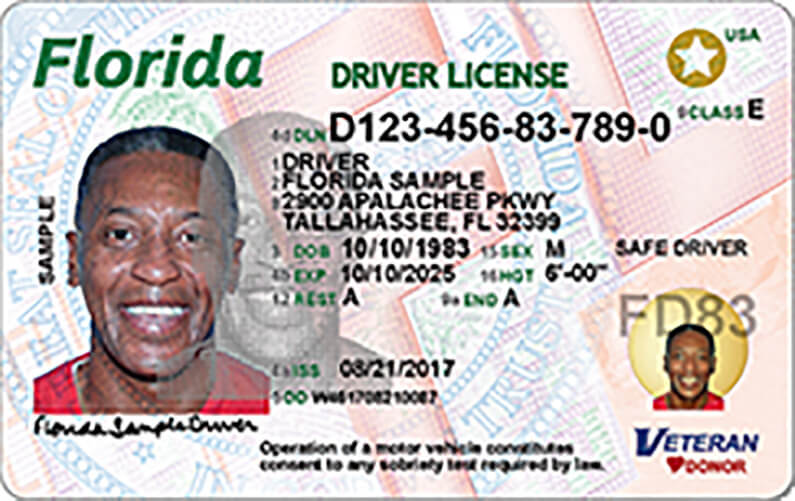
- Testing and Completion: At the end of the course, you will typically take a written knowledge test and a riding skills test administered by the course instructors. Passing both components earns you the official completion card that waives the FLHSMV riding skills test.
Visiting the Driver License Service Center
With your rider course completion card in hand, you’re ready to head to a Florida driver license service center. This is where you’ll officially add the motorcycle endorsement to your existing driver’s license.
-
Required Documents: As mentioned earlier, bring all your identification and proof of residency documents. Crucially, you must also bring your completed rider course card. If you are under 18, you will also need your learner’s permit and proof of completing any required driver education.
-
Vision and Knowledge Tests: At the service center, you will likely need to take a vision test to ensure your eyesight meets the state’s requirements for driving. You may also need to take the Class E knowledge test if you haven’t already passed it for your initial driver’s license, or if a specific requirement for motorcycle endorsements necessitates it. The BRC covers much of the motorcycle-specific knowledge, but general traffic laws are also important.
-
Application and Fees: You will fill out the necessary application forms to add the endorsement. There will be a fee associated with adding the endorsement to your license. The exact amount can vary, so it’s a good idea to check the FLHSMV website or call the service center in advance.
-
Receiving Your New License: Once all requirements are met and fees are paid, the service center will process your application. You will typically be issued a temporary license with the motorcycle endorsement, and your new permanent driver’s license with the endorsement will be mailed to you.
Enhancing Your Motorcycle Experience in Florida
With your motorcycle endorsement secured, the vast and varied landscapes of Florida are yours to explore. From coastal drives to charming inland routes, the Sunshine State offers a motorcycle enthusiast’s paradise. Beyond the practicalities of obtaining your endorsement, consider how you can further enhance your riding experiences.
Exploring Florida’s Motorcycle-Friendly Destinations
Florida boasts a wealth of destinations perfect for motorcycle touring. Each region offers its own unique charm and riding opportunities.
-
The Atlantic Coast: Cruise down A1A, a legendary route that hugs the coastline, offering stunning ocean views. Explore historic towns like St. Augustine, with its ancient fort and cobblestone streets, or enjoy the vibrant atmosphere of Daytona Beach, famously known for its motorcycle rallies. Further south, the bustling energy of Miami and the Art Deco charm of South Beach provide a different, yet equally captivating, experience.
-
The Gulf Coast: The west coast of Florida offers beautiful beaches and a more relaxed pace. Ride through the scenic barrier islands, stopping at quaint towns like Sarasota or Fort Myers. The Florida Keys are a must-visit for any motorcycle rider. The Overseas Highway, connecting the chain of islands to the mainland, is a breathtaking journey with unparalleled ocean vistas. Arriving in Key West offers a tropical paradise with a unique laid-back vibe.
-
Inland Adventures: Don’t overlook Florida‘s interior. Explore the natural beauty of the Ocala National Forest with its pristine springs and winding roads. The agricultural heartland offers a glimpse into a different side of Florida, with rolling hills and picturesque farmland.
Safety and Lifestyle Considerations for Florida Riders
Riding a motorcycle in Florida comes with its own set of considerations, especially regarding safety and lifestyle.
-
Weather Awareness: Florida‘s weather can be unpredictable. Be prepared for sudden rain showers, especially during the summer months. Heat can also be a factor, so staying hydrated and taking breaks is essential. Always check the weather forecast before heading out.
-
Traffic and Road Conditions: Florida is a popular tourist destination, and its roads can experience heavy traffic, particularly in urban areas and during peak tourist seasons. Be vigilant, anticipate the actions of other drivers, and always wear appropriate safety gear, including a helmet that meets Florida‘s legal requirements.
-
Motorcycle Safety Gear: Investing in high-quality riding gear is paramount. This includes a DOT-approved helmet, a abrasion-resistant jacket and pants, gloves, and sturdy boots. The Florida heat might make you think about minimal gear, but safety should always be the top priority.
-
Community and Events: Florida has a vibrant motorcycle community. Look for local riding groups, attend rallies, and participate in organized rides. These events are not only fun but also provide opportunities to learn from other riders and discover new routes. From the Daytona Bike Week to smaller, local gatherings, there’s always something happening for motorcycle enthusiasts.
By following these steps and embracing a culture of safe riding, you’ll be well on your way to enjoying the unparalleled freedom and adventure that a motorcycle endorsement in Florida can offer. Happy riding!