
The allure of the open road, the wind in your face, and the rumble of an engine beneath you – for many, obtaining a motorcycle license in Texas represents the ultimate freedom and a gateway to unforgettable adventures. Whether you dream of cruising through the picturesque Hill Country, exploring the vast landscapes of Big Bend National Park, or simply navigating the vibrant streets of Austin or Dallas, the journey begins with understanding the requirements to legally ride. Texas, a state known for its expansive vistas and diverse terrains, offers incredible opportunities for two-wheeled exploration. However, before you can embark on these thrilling experiences, you must navigate the process of obtaining a Class M motorcycle license.
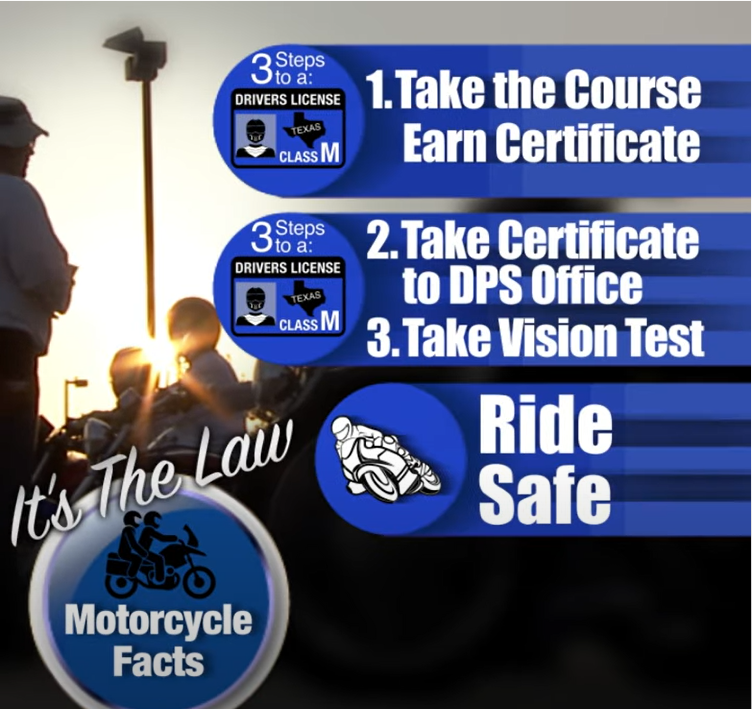
This comprehensive guide will demystify the steps involved, from eligibility requirements and mandatory training to the final licensing process. We’ll also delve into preparing for your riding life, suggesting iconic routes and offering tips on planning your motorcycle travels and accommodations within the Lone Star State. By the end, you’ll have a clear roadmap to becoming a licensed motorcyclist, ready to embrace the unique lifestyle that motorcycling offers, connecting with local culture and attractions, and discovering the hidden gems across Texas.
Navigating the Lone Star State’s Motorcycle Licensing Requirements
Securing a motorcycle license in Texas is a structured process designed to ensure riders possess the necessary skills and knowledge for safe operation. The Texas Department of Public Safety (DPS) oversees the issuance of all driver’s licenses, including the Class M endorsement for motorcycles. Understanding their specific requirements is your first crucial step towards hitting the highway.
Eligibility and Initial Steps
Before you even think about applying, you need to meet certain age and prerequisite conditions. For most applicants, having a valid Texas Class A, B, or C driver’s license is a fundamental requirement. If you do not possess a current driver’s license, you’ll need to apply for one concurrently with your motorcycle license.
-
Age Requirements:
- Under 15 years old: You cannot apply for a motorcycle license.
- 15-17 years old: You must complete a driver education course (if applying for a Class C license) and hold a valid learner’s permit for at least six months. Additionally, completion of a motorcycle safety course is mandatory.
- 18 and older: The process is generally more straightforward. While a motorcycle safety course is still required for most, the learner’s permit holding period and some driver education requirements may not apply if you already hold a valid Texas driver’s license.
-
Required Documents: When you visit a DPS office, you’ll need to present several documents. These typically include:
- Proof of U.S. citizenship or lawful presence.
- Proof of Texas residency (two documents such as a utility bill, lease agreement, or bank statement).
- Proof of identity (e.g., your current Texas driver’s license, U.S. passport, or birth certificate).
- Your Social Security card.
- Proof of vehicle registration and insurance (if you own a motorcycle and plan to use it for the skills test).
- The completed driver license application (Form DL-14A), which can often be filled out online in advance.
It’s highly recommended to check the official DPS website or contact your local office for the most up-to-date list of required documents, as these can occasionally change. Being prepared with all necessary paperwork will significantly streamline your application process and prevent multiple trips.
The Mandatory Motorcycle Safety Course
Perhaps the most critical component of obtaining your Class M license in Texas is the mandatory motorcycle safety course. This requirement applies to almost all new applicants, regardless of age, and is designed to equip prospective riders with fundamental riding skills, defensive strategies, and a thorough understanding of traffic laws specific to motorcycles.
-
Course Content and Structure: Approved motorcycle safety courses, often administered by providers certified by the Motorcycle Safety Foundation (MSF), typically last around 15-20 hours spread over a weekend or several evenings. They combine classroom instruction with hands-on riding exercises in a controlled environment. Key topics covered include:
- Motorcycle controls and basic operation.
- Starting, stopping, and turning techniques.
- Hazard avoidance maneuvers.
- Defensive riding strategies.
- Traffic laws and safe riding practices.
- Emergency braking and swerving.
-
Finding an Approved Course: The DPS website provides a list of approved motorcycle training schools across Texas. You can find courses in major metropolitan areas like Houston, San Antonio, Fort Worth, and El Paso, as well as many smaller towns. It’s advisable to book your course in advance, as popular timeslots can fill up quickly. Many schools provide motorcycles for training purposes, so you typically don’t need to own one before taking the course.
-
Certificate of Completion (MSB-8): Upon successful completion of the course, you will receive a Certificate of Motorcycle Safety Course Completion (Form MSB-8). This certificate is invaluable as it allows you to bypass the riding skills test at the DPS office, which is a significant advantage. The MSB-8 certificate is valid for 24 months from the date of completion, so ensure you apply for your license before it expires. This course not only fulfills a legal requirement but also significantly boosts your confidence and competence, laying a strong foundation for a lifetime of safe riding.
Preparing for Your Texas Motorcycle Journey
Once you’ve understood the eligibility criteria and committed to the mandatory safety course, the next phase involves the practical steps at the DPS and preparing yourself for safe and enjoyable riding. The transition from classroom learning to real-world experience requires thoughtful consideration of both the administrative aspects and essential gear.
What to Expect During the Licensing Process
With your MSB-8 certificate in hand, you’re ready to finalize your license application at a local DPS office. This typically involves several steps:
- Application Submission and Fees: Present all your required documents, including your MSB-8 certificate, to the DPS clerk. You’ll complete the application form and pay the applicable licensing fee. The fee for a Class M endorsement is usually an additional charge on top of your standard driver’s license fee, if applying for both simultaneously.
- Vision Test: All applicants must pass a vision test to ensure they meet the minimum visual acuity standards required for safe driving.
- Knowledge Test: If you are under 18 or do not hold a valid Texas driver’s license, you may need to pass a written knowledge test covering traffic laws and road signs. However, for those already possessing a Class A, B, or C license and over 18, this test is often waived if the motorcycle endorsement is simply added to an existing license. The motorcycle safety course also typically includes a written exam that helps solidify your understanding of motorcycle-specific rules.
- Thumbprint and Photo: Your thumbprint will be taken, and a new photo will be captured for your driver’s license.
- Riding Skills Test (Usually Waived): As mentioned, with your MSB-8 certificate, you typically will not need to take the actual riding skills test at the DPS. This is a significant benefit, as the skills test can be challenging and requires you to maneuver a motorcycle through a series of cones and obstacles, which you will have already mastered in your safety course. If you opt not to take the safety course (which is generally not recommended for new riders and often mandatory), you would have to schedule and pass this test.
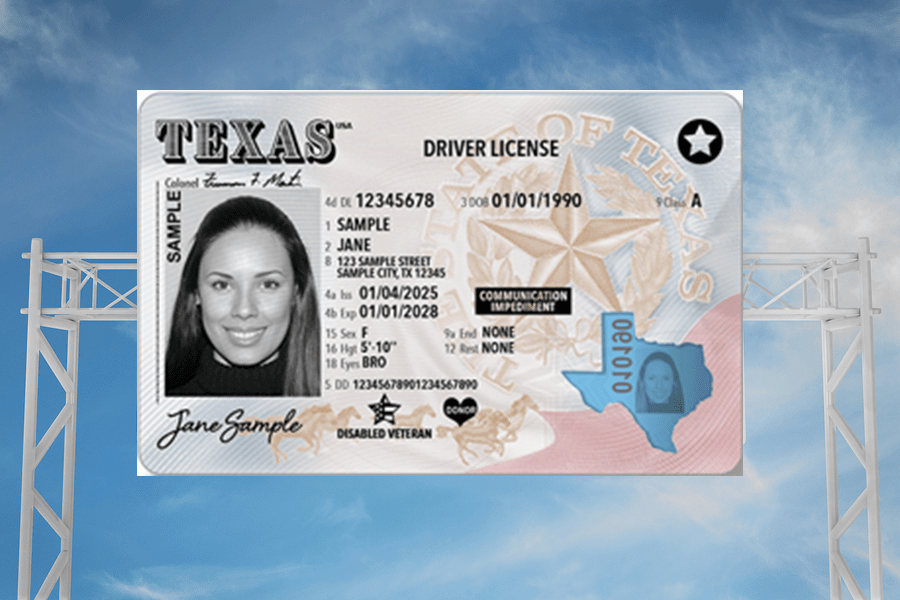
- Temporary License: Once you’ve completed all the necessary steps and passed the required tests, you’ll be issued a temporary paper license. Your official Class M driver’s license will then be mailed to you within a few weeks.
Essential Gear and Road Readiness
Obtaining your license is just the beginning; being prepared for the realities of riding on Texas roads is paramount. Safety gear is not merely a recommendation but a critical aspect of responsible motorcycling.
- Helmet Laws: In Texas, all riders and passengers under the age of 21 are legally required to wear a helmet. For riders 21 and older, helmets are not mandatory if they have completed a motorcycle safety course or are covered by an applicable health insurance plan. However, regardless of the law, wearing a DOT-compliant helmet is universally recommended by safety experts due to the significant protection it offers in the event of an accident.
- Protective Clothing: Beyond a helmet, a full suite of protective gear is essential for minimizing injury risk and enhancing comfort. This includes:
- Eye Protection: Goggles or a face shield on your helmet.
- Jacket: A durable, abrasion-resistant motorcycle jacket (leather or textile) designed to protect against impacts and road rash, even in warm Texas weather, many offer ventilation.
- Gloves: Full-fingered gloves designed for motorcycling provide grip, protect hands from abrasions, and reduce vibration.
- Pants: Heavy-duty pants, such as motorcycle-specific textile pants with armor or sturdy denim jeans.
- Footwear: Over-the-ankle boots that provide support and protection.
- Pre-Ride Checks: Before every ride, develop a habit of conducting a quick T-CLOCS check: Tires and wheels, Controls, Lights and electrical, Oil and fluids, Chassis, and Stands. This ensures your motorcycle is in optimal working condition.
- Maintenance: Regular maintenance of your motorcycle is crucial. This includes checking tire pressure, oil levels, chain tension, brakes, and lights. A well-maintained bike is a safer and more reliable bike, enhancing your overall riding experience, especially when embarking on longer tours across the vast distances Texas offers.
Embracing the Open Road: Texas Motorcycle Adventures
With your Class M license secured and your gear ready, the truly exciting part begins: exploring the diverse and expansive landscapes of Texas on two wheels. The state’s sheer size and varied geography offer an unparalleled array of riding experiences, from winding country roads to scenic coastal highways.
Iconic Routes and Scenic Rides in Texas
Texas is a motorcyclist’s paradise, boasting a multitude of routes that cater to every type of rider, integrating seamlessly with themes of travel and destinations.
- The Hill Country Loop – The Twisted Sisters (Ranch Roads 335, 336, 337A): This legendary trio of roads near Bandera, Kerrville, and Leakey is arguably the most famous motorcycle route in Texas. Expect tight turns, dramatic elevation changes, and breathtaking vistas of limestone cliffs, rivers, and oak forests. It’s a challenging ride that demands skill and attention but rewards with an exhilarating experience and postcard-worthy scenery. Nearby towns like Fredericksburg and Boerne offer charming stops, local wineries, and boutique accommodations.
- Big Bend National Park and the Far West Texas Desert: For those seeking solitude and dramatic, rugged beauty, a ride through the Big Bend region is unforgettable. The expansive, arid landscapes, towering mountains, and the Rio Grande offer a stark contrast to other parts of the state. Routes like FM 170 (River Road) between Presidio and Terlingua are particularly iconic, hugging the curves of the river. This region embodies raw adventure and incredible stargazing opportunities, making it a bucket-list destination for many riders.
- Gulf Coast Rides: While less known for twisties, the Texas Gulf Coast offers its own charm with flat, scenic rides along the ocean. Routes connecting Galveston, Corpus Christi, and the Padre Island National Seashore provide refreshing sea breezes and opportunities to stop at beaches, explore historic towns, and sample fresh seafood. The open stretches are perfect for relaxed cruising and taking in the coastal atmosphere.
- East Texas Piney Woods: In contrast to the desert or coast, East Texas offers lush, green landscapes dominated by pine forests and serene lakes like Lake Travis and Canyon Lake. Riding through this region provides a peaceful experience with shaded roads and picturesque small towns, offering a different kind of natural beauty to explore.
Planning Your Motorcycle Travel and Stays
Motorcycle travel is an immersive experience, and planning your itinerary, including where to rest, is crucial for maximizing enjoyment and adhering to the website’s focus on hotels and accommodation.
- Accommodation Choices: When planning a multi-day ride, consider the wide range of accommodations available across Texas. From budget-friendly motels perfect for a quick overnight stop to luxurious resorts offering world-class amenities in destinations like Austin or San Antonio, there’s something for every budget and preference. Many riders prefer to seek out boutique hotels in historic downtowns for a more local cultural experience or look for hotels with secure parking for their bikes. Websites specializing in travel and accommodation (like lifeoutofthebox.com) can be invaluable tools for finding and booking stays, comparing reviews, and even discovering long-term stay options if your ride extends over several weeks.
- Motorcycle-Friendly Stays: Look for hotels that specifically advertise “motorcycle-friendly” amenities. This often means secure, covered parking, perhaps even a wash station, and sometimes even tools for minor repairs. Asking about these features when booking can enhance your peace of mind. Cities like Marble Falls or Llano in the Hill Country are known for welcoming riders and may offer specialized lodging.
- Booking and Reviews: Always read reviews before booking. Other motorcyclists often share their experiences with accommodation, highlighting helpful aspects like parking, security, and proximity to dining and attractions. Online booking platforms provide comparison tools, allowing you to filter by price, amenities, and location, ensuring you find the perfect retreat after a day on the road.
- Budgeting for the Road: Motorcycle travel can be incredibly cost-effective, but planning for fuel, food, and accommodation is key. Consider bringing some snacks and water for the ride, especially in remote areas like Big Bend where services are scarce. Factor in potential maintenance needs or unexpected stops. The beauty of a motorcycle trip is the flexibility to experience local food and activities, whether it’s a roadside BBQ stand in Central Texas or a fine dining experience in Houston.
Beyond the License: Maintaining Your Riding Lifestyle
Obtaining your motorcycle license is a significant achievement, but it marks the beginning, not the end, of your journey as a rider. A truly fulfilling riding lifestyle is built on continuous learning, responsible practices, and connection with the wider motorcycling community. This aligns with the “Lifestyle” aspect of our website, emphasizing ongoing enjoyment and engagement.
Staying Safe and Legal
The skills learned in your motorcycle safety course are foundational, but continuous improvement and adherence to legal requirements are vital for long-term safety and enjoyment.
- Continuous Skill Development: Consider taking advanced rider courses. These courses build upon basic skills, teaching more sophisticated techniques for cornering, braking, and hazard perception. Organizations like the Motorcycle Safety Foundation offer various levels of training that can significantly enhance your confidence and ability, especially when navigating diverse Texas terrains or challenging weather conditions.
- Defensive Riding Techniques: Always ride defensively, anticipating potential hazards and being visible to other road users. Assume you are invisible to other drivers and position yourself strategically on the road. Maintaining appropriate following distances and scanning intersections are non-negotiable practices.
- Staying Current with Texas Laws: Traffic laws, particularly those pertaining to motorcycles, can change. Regularly reviewing the Texas Motor Vehicle Handbook and staying informed about any new legislation through DPS updates is crucial.
- Insurance and Registration: Ensure your motorcycle is properly registered and insured. Texas law requires liability insurance, and comprehensive coverage is highly recommended for protecting your investment and yourself.

Community and Continued Learning
Motorcycling is more than just transportation; for many, it’s a vibrant community and a continuous journey of discovery.
- Join Motorcycle Clubs: Texas has a thriving motorcycle culture with numerous clubs and riding groups catering to various interests, from specific bike brands to touring or off-road adventures. Joining a club can offer camaraderie, organized rides, shared knowledge, and a sense of belonging. It’s a fantastic way to discover new routes and experience the local culture from a unique perspective.
- Attend Rallies and Events: The state hosts many motorcycle rallies, charity rides, and events throughout the year. These gatherings are excellent opportunities to meet fellow enthusiasts, see custom bikes, and immerse yourself in the broader motorcycling lifestyle.
- Share Experiences: Connect with other riders, share your travel stories, and learn from their experiences. Online forums and social media groups dedicated to Texas motorcycling are great resources for tips on routes, mechanic recommendations, and even finding riding partners for your next adventure. This exchange of knowledge enriches your own riding journey and contributes to a stronger, more informed riding community.
Obtaining a motorcycle license in Texas is a structured yet rewarding process that opens up a world of adventure. From understanding the DPS requirements and completing your mandatory safety course to gearing up for the road and meticulously planning your scenic rides and accommodations, each step brings you closer to experiencing the unparalleled freedom of two-wheeled travel. Whether you’re chasing the thrill of the Twisted Sisters or finding solace in the vastness of Big Bend, Texas welcomes you to its open roads. Ride safe, explore often, and cherish every moment of your journey.