
The Golden State of California is a land of dreams, innovation, and unparalleled natural beauty, attracting millions to its sun-drenched beaches, majestic mountains, and vibrant cities. While exploring iconic California landmarks from Hollywood to Yosemite National Park offers endless domestic adventures, there comes a time for many when the call of international travel becomes irresistible. Whether you dream of strolling through ancient European cities, savoring exotic flavors in Asia, or embarking on an adventurous safari in Africa, your journey begins with one crucial document: a U.S. passport.
For residents of California, navigating the process of obtaining a passport can seem daunting, but it’s a straightforward path once you understand the requirements. This comprehensive guide will walk you through every step, ensuring you’re well-prepared to secure your ticket to the world. From gathering the necessary documents to understanding application procedures and processing times, we’ll equip you with all the information you need to embark on your next great international adventure.
Your Gateway to Global Adventures: Why a Passport Matters
A passport is far more than just a booklet of paper and ink; it’s a symbol of freedom, a key to experiencing diverse cultures, and an essential tool for personal growth. For those living the dynamic lifestyle California offers, a passport expands your horizons beyond the state’s impressive borders, connecting you to a world of unparalleled travel opportunities.
Unlocking International Travel from the Golden State
Imagine waking up in Los Angeles with a spontaneous desire to explore the ancient ruins of Machu Picchu or the bustling markets of Bangkok. Without a passport, these dreams remain just that—dreams. A U.S. passport grants you the legal right to enter and exit the United States and most foreign countries, provided you meet their entry requirements, which often include a visa in addition to your passport.
Beyond leisure, a passport facilitates various aspects of modern lifestyle. It’s indispensable for business travelers attending international conferences, students pursuing studies abroad, or even families visiting relatives across borders. For California residents who frequently travel to neighboring Mexico or Canada, a passport (or in some cases, a Passport Card or Enhanced Driver’s License for land/sea travel) becomes an everyday necessity, streamlining border crossings and opening up possibilities for unique cross-border tourism experiences.
Beyond the Basics: Understanding Passport Types and Validity
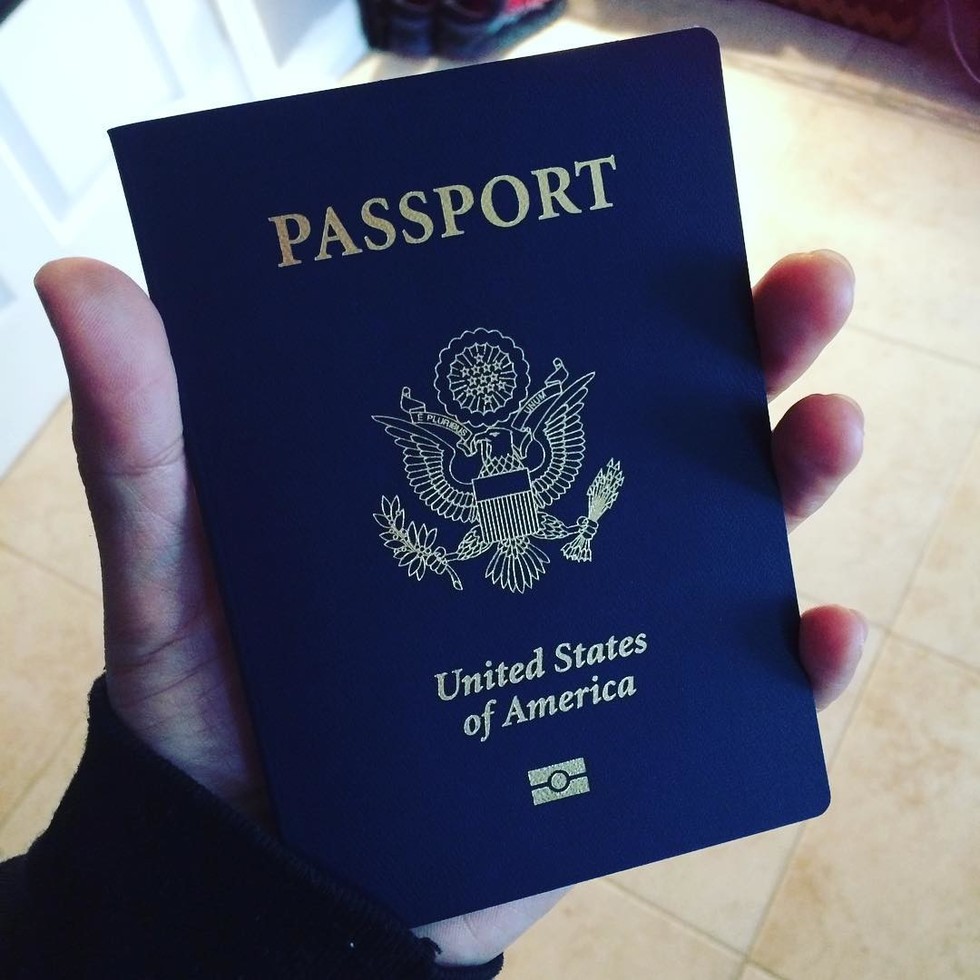
When applying for a passport, you’ll primarily encounter two types: the standard passport book and the Passport Card.
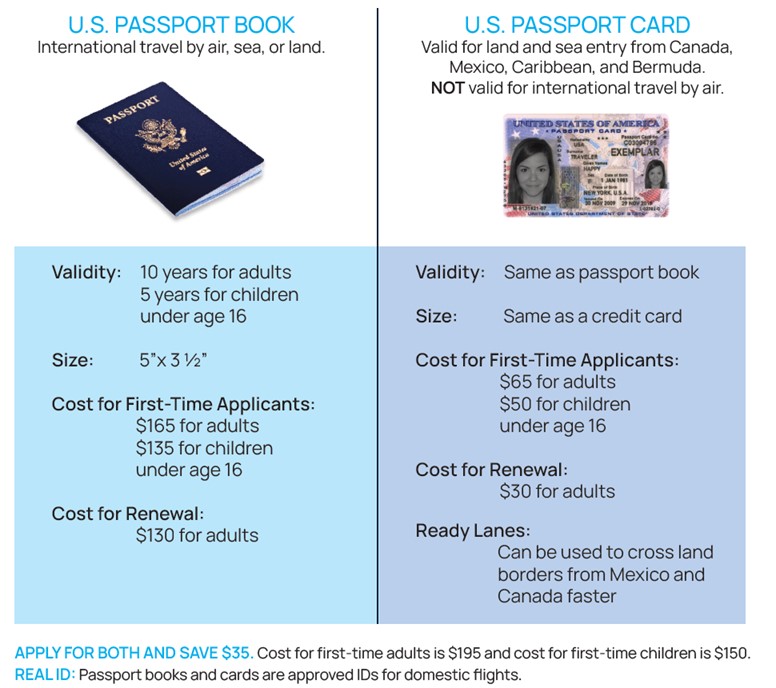
- Passport Book: This is the most common type, valid for all international air, land, and sea travel. It’s a small booklet with pages for visas and entry/exit stamps.
- Passport Card: This card is a more compact, wallet-sized alternative, specifically designed for land and sea travel to Canada, Mexico, the Caribbean, and Bermuda. It cannot be used for international air travel. It’s a convenient option for California residents making frequent trips across the southern border or taking cruises.
Both passport books and cards for adults (age 16 and older) are valid for 10 years. For minors (under age 16), they are valid for 5 years. It’s crucial to note the expiration date, as many countries require your passport to be valid for at least six months beyond your intended departure date. This “six-month rule” is a common requirement and often overlooked, leading to unexpected travel delays or denied boarding. Always check your passport’s validity well in advance of any international travel plans, especially when booking accommodation or flights.
The Essential Checklist: Documents and Forms You’ll Need
Applying for a U.S. passport requires meticulous attention to detail and the submission of several key documents. Gathering these in advance will significantly streamline your application process, whether you’re a first-time applicant or renewing your credentials.
Proof of U.S. Citizenship: Primary Documentation
The cornerstone of your passport application is irrefutable proof of your U.S. citizenship. You must submit an original or certified copy of one of the following:
- Original Birth Certificate: Issued by the city, county, or state of your birth, featuring a raised, embossed, impressed, or multicolored seal, the registrar’s signature, and the date filed. Hospital-issued birth certificates are generally not accepted.
- Previous, Undamaged U.S. Passport: If you’re renewing or had a passport before, this can serve as proof.
- Consular Report of Birth Abroad (CRBA): For those born outside the United States to U.S. citizen parents.
- Certificate of Naturalization: For naturalized U.S. citizens.
- Certificate of Citizenship: For those who derived citizenship.
Important: You must submit the original document. It will be returned to you by mail after your passport has been processed. Photocopies are not sufficient for this requirement.
Valid Identification: Who You Are
In addition to proving your citizenship, you need to establish your identity. You must present an original, valid identification document. Acceptable forms of ID include:
- Valid California Driver’s License: Or a driver’s license from any U.S. state.
- Valid State-Issued Identification Card: Issued by a California DMV or other state agency.
- Valid Military ID: For U.S. military personnel and their dependents.
- Valid Government Employee ID: Federal, state, or municipal.
- Previous, Undamaged U.S. Passport Book or Passport Card: Can also serve as ID if not used as primary proof of citizenship.
You must present the original ID and a front-and-back photocopy. The photocopy should be on plain white paper, 8.5 x 11 inches, with the image clearly visible and not altered.
Passport Photos: Getting It Right
Your passport photo is a critical component of your application, and strict rules apply. A non-compliant photo is one of the most common reasons for application delays.
- Recent Photo: Taken within the last six months to reflect your current appearance.
- Color Photo: Against a plain white or off-white background.
- Size: 2×2 inches.
- Full Face, Front View: With a neutral facial expression (no smiling broadly) or a natural, slight smile, and both eyes open.
- No Glasses: Unless medically necessary (doctor’s statement required).
- No Uniforms: Except for religious attire worn daily.
- No Hats or Head Coverings: Unless worn daily for religious purposes (statement required).
- High Quality: No shadows, glare, or red-eye; printed on photo-quality paper.
Many pharmacies, photo studios, and even some passport acceptance facilities in California offer passport photo services, ensuring your photo meets these stringent requirements.
Navigating the Application Forms: DS-11 vs. DS-82
The application form you need depends on your situation:
- Form DS-11 (Application for a U.S. Passport): This form is for first-time applicants, minors (under age 16), or if your previous passport was issued when you were under 16, was lost/stolen, or expired more than 15 years ago. This form must be presented in person at a passport acceptance facility. Do NOT sign it before your appointment; you must sign it in front of an acceptance agent.
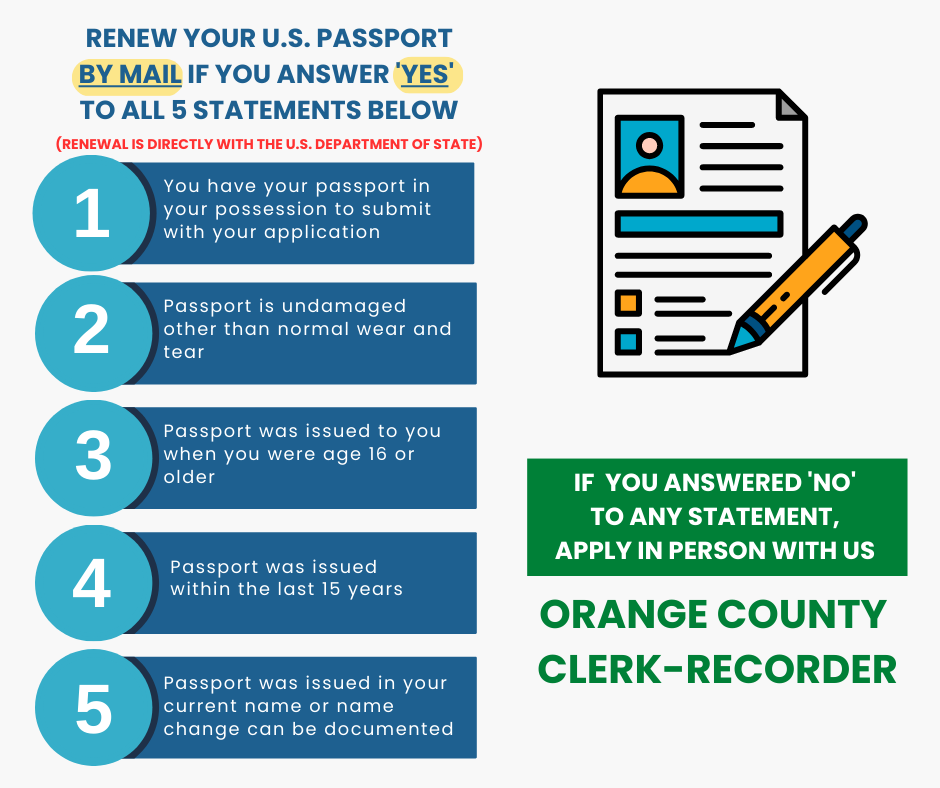
- Form DS-82 (U.S. Passport Renewal Application for Eligible Individuals): This form is for adults who are renewing a passport that is undamaged, can be submitted with the application, was issued when you were 16 or older, was issued within the last 15 years, and was issued in your current name (or you can provide legal documentation of a name change). This form can generally be mailed in, saving you a trip to a facility.
Both forms are available online on the U.S. Department of State website, where you can fill them out electronically and print them.
Where and How to Apply in California
Once you’ve gathered all your documents and completed the appropriate form, the next step is to submit your application. California offers several avenues for this, depending on your urgency and specific circumstances.
Passport Acceptance Facilities: Your Local Option
Most first-time applicants, minors, and those using Form DS-11 will submit their application at a passport acceptance facility. These facilities are typically post offices, public libraries, or county clerk’s offices authorized by the U.S. Department of State to process passport applications.
Across California, from San Diego to San Francisco and everything in between, you’ll find hundreds of these locations. You can locate your nearest facility by visiting the U.S. Department of State website. It’s highly recommended to call ahead or check their specific website, as many facilities require appointments and may have varying hours of operation or specific requirements.
When attending your appointment, bring:
- Your completed, unsigned Form DS-11.
- Your proof of U.S. citizenship (original).
- Your valid ID (original and photocopy).
- Your passport photo.
- Payment for fees (often split between the U.S. Department of State and the acceptance facility, requiring two separate payments).
The acceptance agent will verify your documents, witness your signature on Form DS-11, and mail your application packet to the U.S. Department of State for processing.
Regional Passport Agencies: For Expedited Services
For California residents who need a passport urgently—typically within two to three weeks, or even sooner for life-or-death emergencies—regional passport agencies offer expedited service. There are several located within California:
- Los Angeles Passport Agency
- San Francisco Passport Agency
- San Diego Passport Agency
- Aurora Passport Agency (While not in California, this is a common option for those near the border with Nevada, but mainly focus on CA for this article). Self-correction: Stick to California specific agencies only.
- Sacramento Passport Agency
Appointments at these agencies are mandatory and can only be made by calling the National Passport Information Center. You’ll need to demonstrate proof of urgent international travel within 14 days (or 28 days if a visa is also required). This service is typically utilized by business travelers with last-minute meetings, families facing unexpected trips, or those who simply didn’t plan far enough ahead. Be prepared to pay additional expedited fees.
Processing Times and Fees: Planning Your Timeline and Budget
Understanding the financial and temporal commitment is crucial for passport planning.
Fees (as of current guidance, always check U.S. Department of State for latest):
- Passport Book: $130 application fee + $35 execution fee (if applying at an acceptance facility).
- Passport Card: $30 application fee + $35 execution fee.
- Passport Book and Card: $160 application fee + $35 execution fee.
- Expedited Service: An additional $60 per application.
- 1-2 Day Delivery: An additional $19.53 for faster return shipping of your completed passport.
Processing Times:
- Routine Service: Can range from 8-11 weeks. This is the most cost-effective option and should be chosen if you have no immediate travel plans.
- Expedited Service: Can range from 5-7 weeks. This costs an additional $60.
- Expedited at Agency: For urgent travel, passports can be processed much faster, sometimes even the same day, but requires an appointment and proof of imminent international departure.
These times exclude mailing time, so factor in an extra week or two for your documents to travel to and from the passport processing centers. Always check the official U.S. Department of State website for the most current processing times, as they can fluctuate based on demand. For those planning future travel or looking into long-term accommodation abroad, applying with routine service far in advance is the prudent choice.
Special Considerations for California Residents
While the core process remains consistent across the United States, certain situations require specific attention, particularly for California residents with diverse family structures or urgent needs.
Renewing Your Passport: Staying Travel-Ready
For many California travelers, a passport is a recurring necessity. If you meet the eligibility criteria for Form DS-82 (your passport is undamaged, issued when you were 16 or older, within the last 15 years, and in your current name), you can renew by mail. This is a much simpler process, typically requiring:
- Your most recent passport book and/or Passport Card.
- A completed and signed Form DS-82.
- One new passport photo.
- Any name change documents (e.g., marriage certificate, court order).
- The applicable fees.
Mail your renewal application via traceable mail (e.g., USPS Priority Mail with tracking), as your old passport and original documents will be in transit. Planning ahead for renewal ensures you won’t miss out on last-minute international travel deals or the chance to stay at a luxurious hotel in Paris.
Applying for Minors: Specific Requirements
Applying for a passport for a child under 16 is more involved, designed to prevent international parental child abduction. Both parents (or legal guardians) must apply in person with the child using Form DS-11. Required documents include:
- The child’s proof of U.S. citizenship (original).
- Evidence of parental relationship (e.g., child’s birth certificate or adoption decree).
- Parents’ valid identification (original and photocopy for each parent).
- A consent form from any absent parent (Form DS-3053), if applicable, along with a copy of their ID. If one parent has sole legal custody, documentation is required.
- The child’s passport photo.
The presence of both parents and the child at the acceptance facility is non-negotiable for first-time applications or renewals for minors. This ensures the child’s safety and protects against unauthorized international travel.
Lost or Stolen Passports: What to Do
Losing your passport, especially when preparing for an exciting Europe trip or a spontaneous visit to Mexico, can be a nightmare. If your passport is lost or stolen, you must report it immediately to the U.S. Department of State. You will need to submit Form DS-64 (Statement Regarding a Lost or Stolen U.S. Passport) in addition to Form DS-11 when applying for a replacement.
Reporting a lost or stolen passport protects you from identity theft and prevents others from using your document illegally. The process for replacing it is similar to applying for a first-time passport, requiring an in-person application with all the necessary citizenship, identity, and photographic documentation. If you are abroad and your passport is lost or stolen, contact the nearest U.S. embassy or consulate for emergency assistance.
Embarking on Your California Journey: What Comes Next?
With your new U.S. passport in hand, a world of travel possibilities opens up. From experiencing local culture in South America to exploring the landmarks of Asia, your adventures are only limited by your imagination.
Planning Your First International Trip
Now that you have your passport, the fun truly begins: planning your international itinerary.
- Research Destinations: Consider your interests. Are you looking for budget travel to Southeast Asia or luxury travel to the Maldives?
- Check Visa Requirements: Your passport is essential, but many countries require a visa in addition. The U.S. Department of State website offers country-specific information.
- Book Flights and Accommodation: Explore flight deals and choose from a myriad of hotels, resorts, apartments, or villas that suit your lifestyle and budget. Websites like lifeoutofthebox.com are excellent resources for booking and reviews.
- Travel Insurance: Protect your investment against unforeseen circumstances like medical emergencies, trip cancellations, or lost luggage.
- Learn About Local Culture and Food: Immerse yourself by understanding local customs, trying traditional dishes, and respecting local traditions. This enhances your tourism experience immensely.
Essential Travel Tips for New Passport Holders
For those embarking on their first international journey from California, a few tips can ensure a smoother experience:
- Make Copies: Keep digital and physical copies of your passport and other important documents separate from the originals.
- Register Your Trip: Enroll in the Smart Traveler Enrollment Program (STEP) with the U.S. Department of State. This helps the U.S. embassy or consulate locate you in an emergency and provides you with important alerts.
- Secure Your Passport: Keep it in a safe place, ideally a money belt or secure pouch, particularly in crowded areas. Never leave it unattended.
- Understand Customs and Immigration: Be prepared for questions from immigration officials upon entry and exit from foreign countries and upon returning to the United States. Consider applying for programs like Global Entry or TSA PreCheck to expedite your passage through U.S. airports.
Getting a passport in California is the first exciting step towards a world of exploration. With careful planning and attention to detail, you’ll soon be ready to experience the wonders our planet has to offer, from ancient landmarks to bustling cities and serene natural environments, all while embodying the adventurous spirit of the Golden State. Safe travels!
LifeOutOfTheBox is a participant in the Amazon Services LLC Associates Program, an affiliate advertising program designed to provide a means for sites to earn advertising fees by advertising and linking to Amazon.com. Amazon, the Amazon logo, AmazonSupply, and the AmazonSupply logo are trademarks of Amazon.com, Inc. or its affiliates. As an Amazon Associate we earn affiliate commissions from qualifying purchases.