
The allure of international travel often begins with a single, crucial document: the passport. For residents of Texas, a state known for its vast landscapes, rich culture, and a burgeoning spirit of adventure, securing a passport is the gateway to unlocking a world of exploration. Whether you dream of strolling through the ancient streets of Rome, savoring street food in Tokyo, or relaxing on the pristine beaches of the Caribbean, your passport is your essential travel companion. This comprehensive guide will walk you through the process of obtaining a United States passport, tailored specifically for those living in the Lone Star State, ensuring your journey from application to embarkation is as smooth as a luxury cruise.
Embarking on Your Global Adventure: Why a Passport is Your First Step
The world is an open book, and a passport is your library card. For Texans eager to explore destinations beyond the borders of the United States, a valid passport is not just a formality; it’s a necessity. It serves as proof of your identity and citizenship, granting you permission to enter and exit foreign countries. From spontaneous weekend getaways to Mexico or Canada to meticulously planned European tours or Asian adventures, your passport is the key. Without it, even the most captivating travel itineraries, luxurious hotel bookings, or dream resort stays remain just dreams. Understanding the application process is the crucial first step in transforming those aspirations into tangible experiences.
When considering international travel, it’s important to distinguish between the two primary types of passport credentials issued by the US Department of State: the Passport Book and the Passport Card. Each serves distinct travel purposes, and knowing which one suits your needs can simplify your application process. The Passport Book is the gold standard for all international air travel. It’s also valid for land and sea travel to all countries around the globe. If your travel plans involve flying to Paris, embarking on an African safari, or island hopping through Southeast Asia, the Passport Book is what you’ll need. Its traditional booklet format provides ample space for visas and entry/exit stamps, telling the story of your adventures one stamp at a time. This credential is essential for those who envision a lifestyle of extensive global exploration, from budget backpacking trips across South America to luxury business stays in Dubai or Singapore.
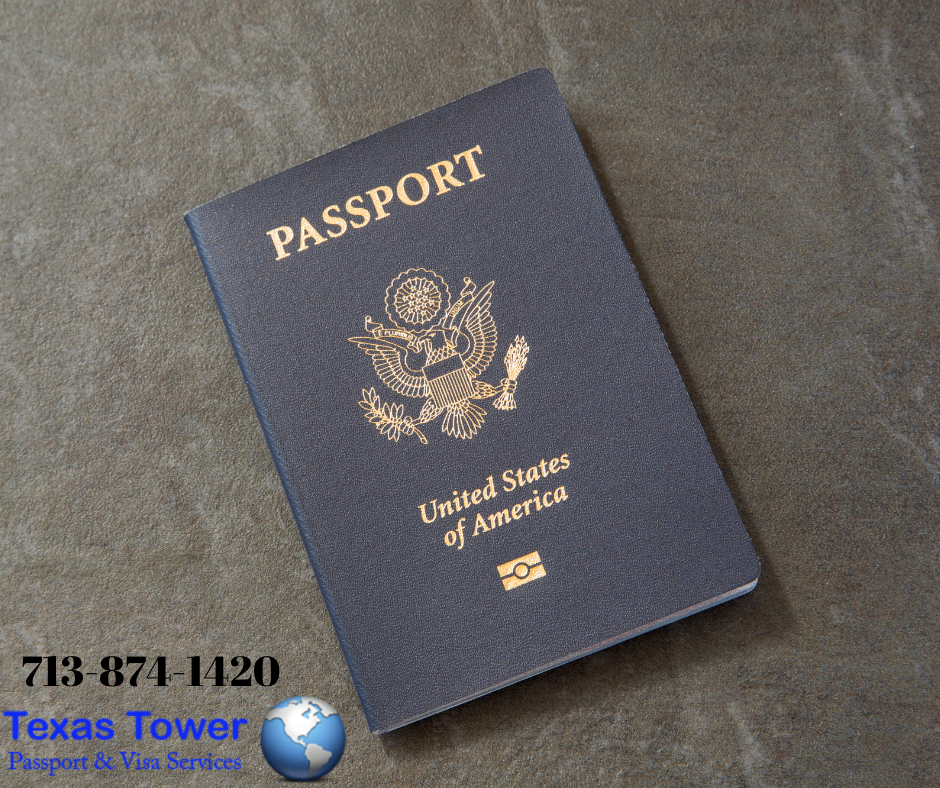
In contrast, the Passport Card offers a more limited scope of travel but can be incredibly convenient for certain types of trips. It is valid only for land and sea travel to Canada, Mexico, the Caribbean, and Bermuda. It cannot be used for international air travel. For Texans living near the southern border or planning a quick road trip to Nuevo Laredo, a cruise to Cozumel, or a ferry to Cancun, the Passport Card offers a compact, cost-effective alternative to the Passport Book. It fits easily into your wallet, much like a driver’s license, making it ideal for frequent cross-border commuters or those who primarily travel to neighboring countries by vehicle or ship. Many Texans leverage the Passport Card for spontaneous getaways to popular border towns or for enjoying all-inclusive resorts in Riviera Maya. While both documents are proof of U.S. citizenship and identity, understanding your travel intentions will guide you toward the most appropriate credential, setting the stage for your next great journey.
Navigating the Passport Application Process in Texas
The journey to obtaining your passport, whether it’s your first time or you’re a seasoned traveler renewing an expired one, involves specific steps and documentation. For Texans, the process is streamlined, with numerous resources available across the state to assist you.
First-Time Applicants: Your Comprehensive Checklist
If you’ve never held a U.S. passport or were under 16 when your last passport was issued, you’re considered a first-time applicant. This process requires an in-person application to verify your identity and citizenship. Here’s what you’ll need to prepare:
- Proof of U.S. Citizenship: This is the cornerstone of your application. Acceptable documents include your original birth certificate (issued by the city, county, or state), a previous undamaged U.S. passport, a Consular Report of Birth Abroad, or a Certificate of Naturalization or Citizenship. Remember, photocopies are not accepted; you must submit the original document, which will be returned to you after processing.
- Proof of Identity: You’ll need a valid government-issued identification document. A current, undamaged Texas driver’s license, a state-issued ID card, or a military ID are common choices.
- Photocopies: Bring a black and white photocopy of the front and back of both your citizenship document and your identification document. These should be on separate 8.5×11 inch pages, not reduced in size.
- Passport Photo: Your photo must meet strict requirements. It needs to be a recent (taken within the last six months) color photo, 2×2 inches in size, with a white or off-white background. No glasses, hats, or uniforms are permitted. Many local pharmacies and professional photo services offer passport photo services that guarantee compliance.
- Form DS-11: Application for a U.S. Passport: This form must be completed but not signed before your appointment. You will sign it in front of the acceptance agent. You can fill out the form online and print it, or pick up a physical copy at an acceptance facility.
- Fees: Be prepared to pay the application fee and an execution fee. These fees vary depending on whether you’re applying for a passport book, card, or both, and if you opt for expedited service. Check the US Department of State website for the most current fee schedule. Payment methods also vary by facility.
Once you have gathered all your documents, you’ll need to schedule an appointment at a passport acceptance facility. In Texas, these are typically post offices, Clerks of Court, or other designated government offices. Major cities like Dallas, Houston, San Antonio, and Austin have multiple locations, but even smaller towns often host an acceptance facility. During your appointment, an acceptance agent will review your documents, verify your identity, witness your signature on Form DS-11, and collect your application and fees. This interview is a crucial step to ensure the integrity of the passport issuance process. After your application is submitted, you can track its status online, eagerly anticipating the arrival of your new gateway to global exploration.
Renewing Your Passport: A Streamlined Path for Experienced Travelers
For many Texans, the passport application process might be a familiar one. If you’ve previously held a U.S. passport, the renewal process can often be simpler, allowing you to bypass the in-person interview. This mail-in renewal option (using Form DS-82) is available if your most recent passport:
- Is undamaged (other than normal wear and tear).
- Can be submitted with your application.
- Was issued when you were age 16 or older.
- Was issued within the last 15 years.
- Was issued in your current name, or you can legally document a name change.
If you meet these criteria, you can renew your passport by mail, saving you time and a trip to an acceptance facility. You’ll need to complete and sign Form DS-82, include your most recent passport, a new passport photo, and any official documents proving a name change (like a marriage certificate). Mail your application package and payment to the address listed on the form.
A critical consideration for renewing your passport is the “6-month rule.” Many countries require your passport to be valid for at least six months beyond your intended departure date. For instance, if you plan a three-week trip to Spain in June, your passport should be valid until at least January of the following year. Failing to meet this requirement can result in denied boarding or entry, even if your passport hasn’t technically expired. It’s always best practice to check your passport’s expiration date well in advance of any planned international travel and initiate the renewal process if it’s nearing the six-month mark. Proactive renewal ensures that your dream vacation, whether it’s a family trip to Walt Disney World Paris or a solo adventure through New Zealand, isn’t derailed by an unforeseen document issue.
Expedited Passport Services for Urgent Travel Needs
Life happens, and sometimes travel plans emerge unexpectedly or require immediate action. For Texans facing urgent international travel, the standard passport processing times might not suffice. Fortunately, there are several options for expedited service, ensuring you can get your passport in time for your critical journey.
When time is of the essence, your first point of contact should be the National Passport Information Center. Their website and phone lines provide up-to-date information on processing times and the necessary steps for expedited applications. You can request expedited service for an additional fee when applying at an acceptance facility, which significantly reduces the processing time compared to routine service. This option is ideal if you have a few weeks but not months before your departure.
For truly dire situations, such as imminent international travel (typically within 2-3 weeks) or a life-or-death emergency, an appointment at a Regional Passport Agency is the fastest route. Texas is home to three such agencies, strategically located to serve the state’s large population:
- The Dallas Passport Agency, located in the heart of Dallas, serves applicants in North Texas and surrounding areas.
- The Houston Passport Agency, situated in Houston, caters to the metropolitan area and the Gulf Coast region.
- The El Paso Passport Agency, positioned in El Paso, is crucial for residents of West Texas and those near the border.
Appointments at these agencies are mandatory and can only be made by calling the National Passport Information Center. You’ll need to provide proof of your urgent travel (e.g., airline tickets, cruise itineraries, or a letter from a physician for humanitarian emergencies). These agencies can often issue a passport within days, sometimes even on the same day, making them indispensable for last-minute travel plans.

Beyond government agencies, a network of private expediting services exists. These third-party companies act as couriers, submitting your application to the US Department of State on your behalf. While they charge an additional service fee on top of government fees, they can be a convenient option for travelers who cannot physically visit a regional agency or prefer to delegate the process. However, always exercise caution and choose reputable, well-reviewed services to ensure the security of your documents and personal information. These services can be a godsend for business travelers needing a passport for an unexpected international conference or a family rushing to secure documents for a dream Disney vacation that was planned at short notice.
Beyond the Application: Essential Travel Planning for Texans
Securing your passport is a monumental first step, but it’s just the beginning of your international travel preparations. With your passport in hand, a world of destinations—from the vibrant souks of Morocco to the serene landscapes of Kyoto—awaits. However, a smooth journey requires thoughtful planning beyond just your primary identification.
Special Situations and Key Considerations
While the general application processes cover most scenarios, certain situations require additional attention:
- Passports for Minors: Children under 16 have specific requirements. Both parents (or legal guardians) must apply in person with the child, presenting proof of parentage, their own valid IDs, and proof of the child’s U.S. citizenship. If one parent is unavailable, a consent form (DS-3053) with a copy of the absent parent’s ID is required. This ensures the protection of minors and prevents international child abduction.
- Lost, Stolen, or Damaged Passports: If your passport is lost or stolen, it’s crucial to report it immediately to the US Department of State to prevent identity theft. You will then need to reapply in person using Form DS-11, along with Form DS-64 (Statement Regarding a Lost or Stolen Passport) and all required supporting documents as if you were a first-time applicant. For damaged passports, you’ll follow a similar reapplication process.
- Name Changes: If your name has changed due to marriage, divorce, or a court order, you’ll need to submit official documentation (e.g., marriage certificate, divorce decree) along with your application. If your passport was issued less than a year ago, you might be eligible for a free passport correction. If it’s older, a standard renewal or new application applies.
Navigating these special circumstances correctly ensures your travel plans, whether for a family trip to London or a honeymoon in Bora Bora, remain on track.
From Passport in Hand to Unforgettable Journeys
With your passport secured, the exciting phase of detailed trip planning truly begins. This involves several critical steps to ensure a seamless and enjoyable experience.
- Visa Requirements: Your Next Research Step: A passport grants you international mobility, but many countries require an additional travel document: a visa. Before booking flights or accommodation, research the visa requirements for your destination country based on your nationality and purpose of travel. Websites of embassies or consulates are reliable sources. For example, a Texan planning a visit to China or Russia will almost certainly need a visa, while a trip to France or Germany may only require a valid passport for tourist stays.
- Travel Insurance: Protecting Your Adventure: Unexpected events can disrupt even the most meticulously planned trips. Comprehensive travel insurance can provide peace of mind, covering everything from medical emergencies and trip cancellations to lost luggage and travel delays. It’s an investment that can save you significant stress and expense.
- Accommodation and Itinerary Planning: This is where the fun truly begins! Research destinations, attractions, and local culture that align with your travel style—be it luxury travel, budget exploration, or adventure tourism. From finding boutique hotels in Paris to securing a secluded villa in Tuscany, planning your stays is a key element. Consider hotel amenities like a spa, fine dining, or a business center, depending on your needs. For longer stays, exploring apartment rentals can offer a more immersive local experience. Don’t forget to incorporate significant landmarks into your itinerary, whether it’s the Eiffel Tower in France, the Colosseum in Italy, or the Great Wall of China.
- Packing Smart and Staying Safe: Research your destination’s climate and cultural norms to pack appropriately. Create a checklist to ensure you have all essentials, including any necessary medications. Familiarize yourself with local laws and customs, and always keep copies of your passport and important documents separate from the originals.
Your passport is more than just a document; it’s a symbol of freedom, curiosity, and the boundless opportunities that international travel offers. For Texans, securing this crucial credential opens the door to experiencing diverse cultures, breathtaking natural wonders like the Grand Canyon or Yellowstone National Park, and creating memories that will last a lifetime. So, take that first step, get your passport, and prepare to write your own extraordinary travel story.