
Imagine waking up to the sun-kissed shores of Santa Monica, the vibrant energy of Los Angeles, or the serene vineyards of Napa Valley. California isn’t just a state; it’s a dream, a lifestyle, and a premier destination for travelers, investors, and those seeking an unparalleled living experience. From the bustling metropolises that draw global tourism to the tranquil natural landmarks like Yosemite National Park, the Golden State offers an endless tapestry of opportunities. For many, the allure extends beyond visiting; it’s about making a permanent mark, finding a home, or investing in the thriving market of accommodations – from luxury hotels and resorts to charming vacation rentals. This is where a California real estate license becomes your passport to a career that is as dynamic and diverse as the state itself.
Becoming a licensed real estate agent in California is more than just obtaining a credential; it’s about unlocking a profession that blends entrepreneurship with the fundamental human desire for a place to call their own, or an investment that fuels their future travels and lifestyle aspirations. The role of a real estate agent here transcends simple transactions; you become a guide, a trusted advisor helping individuals and businesses navigate one of the most exciting and competitive property markets in the world. Whether it’s helping a family find their dream home overlooking the Golden Gate Bridge, assisting an investor in acquiring a boutique hotel in Palm Springs, or advising on a long-term rental property near Disneyland, the potential is boundless. This comprehensive guide will walk you through every step of securing your California real estate license, transforming you from an aspiring enthusiast into a licensed professional ready to shape futures in this incredible state.
Charting Your Course: Essential Prerequisites for a California Real Estate Journey
Embarking on the journey to become a real estate professional in California requires careful preparation and adherence to specific foundational requirements. Think of these as the initial checkpoints on your adventure, ensuring you have the basic provisions and the right mindset before you set off.
Meeting the Foundation: Age, Residency, and Honesty
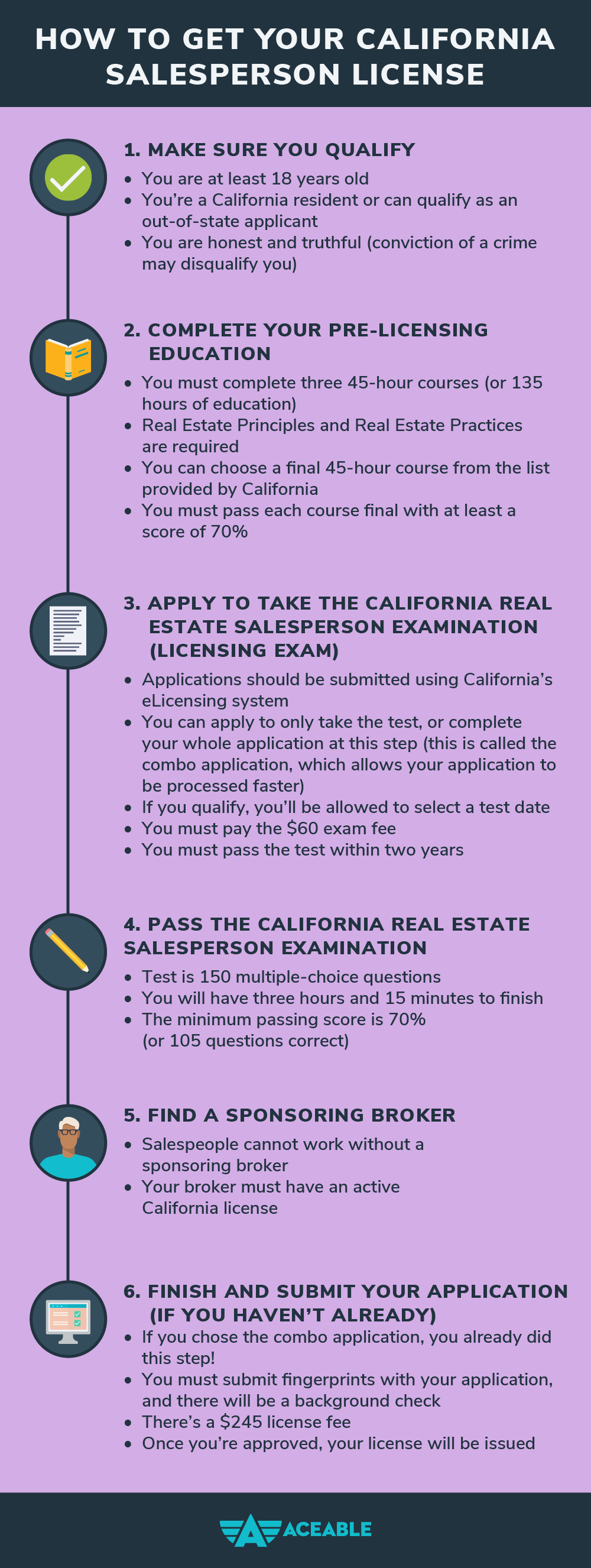
The first step on your path is to meet the fundamental eligibility criteria set by the California Department of Real Estate (DRE). The good news is that these are relatively straightforward, designed to ensure a broad base of qualified individuals can enter the profession.
Firstly, you must be at least 18 years of age. This ensures that applicants possess a level of maturity and legal capacity to enter into contracts and assume the responsibilities inherent in real estate transactions. There is no maximum age, making this a fantastic career path for individuals at any stage of life, whether fresh out of higher education or looking for a fulfilling second career that offers both flexibility and significant income potential.
Secondly, contrary to what some might assume, you do not need to be a resident of California to obtain a real estate license here. This particular aspect makes the California license incredibly appealing to those with a nomadic or international lifestyle, or individuals looking to invest remotely. While residency isn’t a mandate, you will need a valid mailing address for all official DRE communications. For non-residents, understanding the nuances of the California market – its diverse regions from the tech hubs of Silicon Valley to the agricultural richness of the Central Valley, and its unique cultural aspects – will be paramount to success. This flexibility means you could be managing vacation properties in Lake Tahoe for clients while traveling abroad, embodying the ultimate ‘life out of the box’ philosophy.
Finally, and perhaps most crucially, the DRE places immense importance on honesty and character. As a real estate agent, you will be entrusted with significant financial transactions and intimate details of your clients’ lives. Therefore, a thorough background check is a mandatory part of the application process. While a prior criminal record doesn’t automatically disqualify an applicant, the DRE assesses each case individually, considering factors like the nature of the crime, the elapsed time since the offense, and evidence of rehabilitation. Transparency is key; it’s always better to disclose any relevant history upfront than to have it discovered later, potentially jeopardizing your application. This commitment to integrity safeguards clients and ensures that California’s real estate market remains trustworthy, whether clients are buying a family home or investing in a portfolio of premium accommodations.
The Educational Compass: Your 135-Hour Learning Expedition
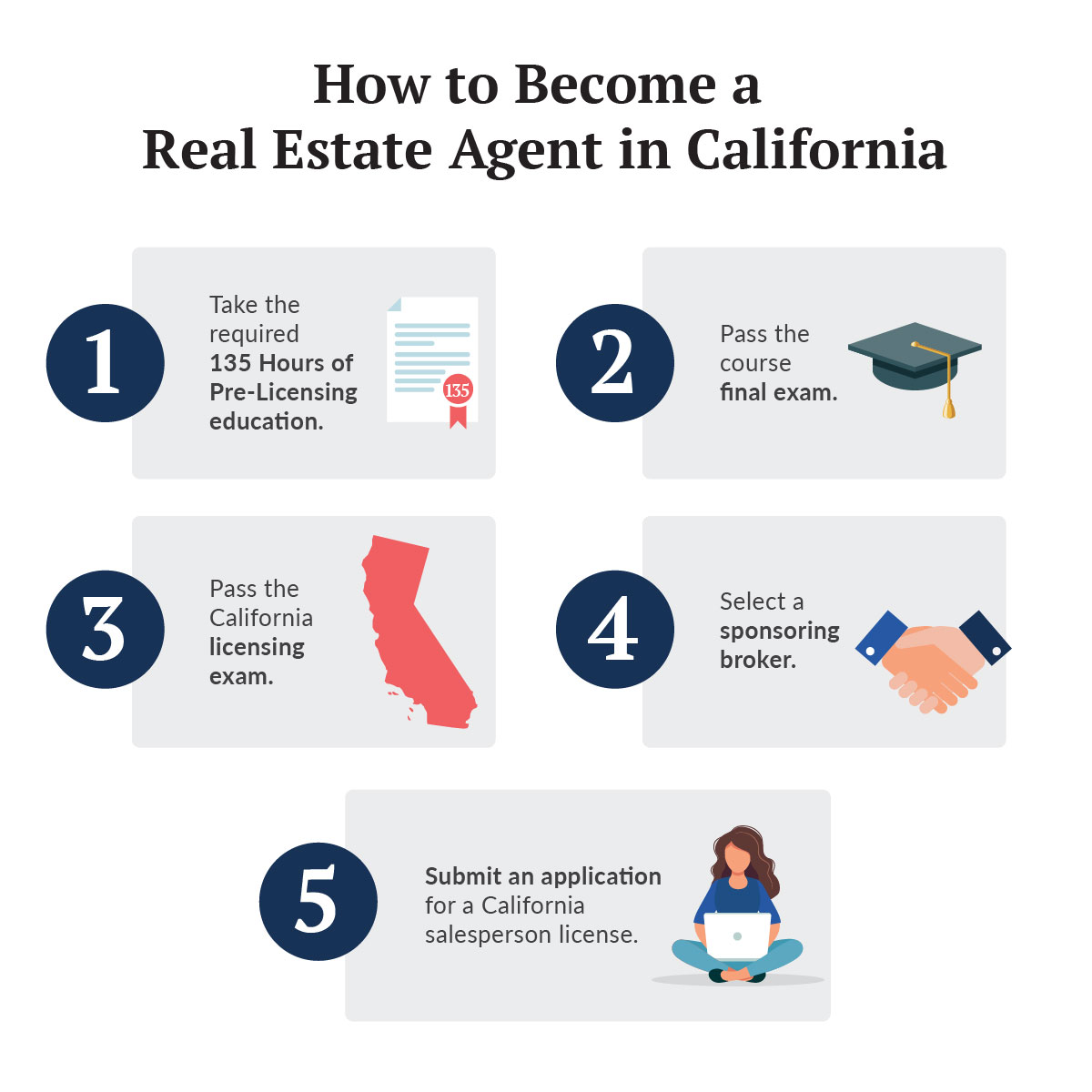
Once you meet the foundational requirements, your next significant step is to complete the mandatory education. This phase is your intellectual expedition, equipping you with the knowledge base necessary to navigate the complexities of real estate. The DRE mandates a total of 135 hours of approved real estate courses. These hours are divided into three distinct subjects, each comprising 45 hours:
- Real Estate Principles: This course lays the groundwork, covering fundamental concepts such as property ownership, legal descriptions, contracts, agency relationships, and property valuation. It’s the theoretical map that guides your understanding of the real estate landscape.
- Real Estate Practice: Building on principles, this course delves into the practical aspects of working as an agent. You’ll learn about listings, marketing, showings, negotiations, escrows, and closings. This is where the theory transforms into actionable skills, preparing you for the day-to-day realities of client interaction and transaction management, crucial for anyone looking to assist in purchasing unique properties or even entire hotels.
- One Elective Course: For your third 45-hour course, you have the flexibility to choose from a range of approved electives. Popular choices include Real Estate Finance, Property Management, Real Estate Economics, Legal Aspects of Real Estate, or Real Estate Appraisal. This choice allows you to tailor your education slightly to areas that particularly interest you or align with your future career goals, whether that’s luxury home sales, commercial property management, or specializing in vacation rental acquisitions in popular tourism areas.
The beauty of today’s educational landscape is the abundance of DRE-approved online real estate schools. These platforms offer unparalleled flexibility, allowing you to complete your coursework at your own pace, from anywhere in the world. This self-paced learning model is ideal for those with a travel-heavy lifestyle or other commitments, making the dream of a California real estate license accessible to a wider audience. However, it’s crucial to select a reputable provider to ensure the quality of your education, as a strong understanding of these principles is not just for passing an exam, but for building a successful and ethical career that earns the trust of clients.
Navigating the Application Process: Your Gateway to Golden State Opportunities
Once your educational requirements are fulfilled, the next stage involves formalizing your application with the California Department of Real Estate. This bureaucratic but essential phase is where you officially declare your intent to join the ranks of California’s real estate professionals.
Assembling Your Portfolio: The DRE Application and Fingerprinting
The application process begins with submitting the correct forms to the DRE. Most applicants will either complete the “Salesperson Exam Application” (RE 400A) if they wish to apply for the exam and license simultaneously, or the “Salesperson License Application” (RE 400B) if they’ve already passed the exam. These forms require detailed personal information, a declaration of your educational coursework completion, and answers to questions regarding your background. Accuracy and completeness are paramount to avoid delays.
Accompanying your application, you will need to submit the required fees. These fees cover the cost of processing your application, conducting background checks, and administering the state exam. It’s always advisable to check the DRE’s official website for the most current fee schedule, as these can be subject to change.
A critical component of the application is the Live Scan fingerprinting process. This involves digitally capturing your fingerprints at an authorized Live Scan vendor, which are then transmitted to the California Department of Justice (DOJ) and the Federal Bureau of Investigation (FBI) for a comprehensive criminal background check. This step is a cornerstone of the DRE’s commitment to public protection, ensuring that individuals entering the real estate profession possess the necessary integrity and trustworthiness. For prospective agents dealing with high-value properties, luxury accommodations, or even orchestrating large-scale commercial property sales in San Francisco or San Diego, this background check provides a foundational layer of client confidence. Once your fingerprints are submitted, it can take several weeks for the results to be processed and sent to the DRE, so patience during this stage is essential.
Beyond the Application: Background Checks and Character Assessment
After submitting your application and fingerprints, the DRE meticulously reviews all the information you’ve provided. This isn’t just a procedural check; it’s a deep dive into your background and character to ensure you meet the stringent ethical standards required of a California real estate licensee.
The background check extends beyond just criminal history. The DRE is interested in assessing your overall fitness to hold a license. This means they will review any disclosures you made regarding past legal issues, including convictions, charges, or disciplinary actions from other professional licenses. While minor infractions or very old offenses might not be disqualifying, certain types of offenses, particularly those involving moral turpitude, fraud, misrepresentation, or dishonesty, can lead to denial of a license.
If there are any concerns or discrepancies in your background check, the DRE will typically issue a “Deficiency Letter” or “Statement of Issues” outlining their concerns and providing you with an opportunity to respond and explain the circumstances. This is your chance to provide context, demonstrate rehabilitation, or correct any misinformation. Full transparency and a proactive approach in addressing any potential issues are always recommended. The DRE’s rigorous screening process helps maintain the credibility of the real estate profession, reassuring both local and international clients that they are dealing with trustworthy individuals when investing in everything from a vacation home in Southern California to a commercial property in Northern California. This commitment to ethical conduct aligns perfectly with a lifestyle brand that values trust and quality in all dealings, whether it’s booking a stay or making a significant investment.
Conquering the Summit: Mastering the California Real Estate Exam
The culmination of your education and application efforts is the California Real Estate Salesperson Exam. This is your ultimate test, the gatekeeper to becoming a licensed agent, and it requires dedicated preparation and strategic execution.
Preparing for Success: Strategies and Study Resources
The DRE exam is comprehensive, designed to test your knowledge across a wide spectrum of real estate subjects. The exam typically covers:
- Real Estate Law: Agency relationships, contracts, property ownership, landlord-tenant law.
- Real Estate Practice: Listings, sales, financing, escrow, closing.
- Valuation and Appraisal: Methods of valuing property, market analysis.
- Finance: Types of loans, mortgages, sources of financing.
- Economics: Market influences, trends, supply and demand.
- Property Management: Duties of a property manager, leases.
- Ethics and Disclosures: Fiduciary duties, mandated disclosures, professional conduct.
To effectively prepare for such a broad exam, a multi-faceted study approach is highly recommended. Beyond reviewing your course materials, consider incorporating:
- Practice Exams: Regularly taking timed practice tests is invaluable. Many online schools and independent providers offer practice exams designed to mimic the DRE’s format and question style. This helps you identify areas of weakness and become comfortable with the pressure of the testing environment.
- Study Groups: Collaborating with other aspiring agents can provide different perspectives, clarify difficult concepts, and offer mutual support.
- Flashcards and Summaries: Condensing key information into digestible formats helps with memorization and quick review, especially for legal terms and formulas.
- Real Estate Exam Prep Courses: Many providers offer dedicated exam prep workshops or courses that focus specifically on the material most likely to appear on the DRE exam, often including strategies for test-taking.
Think of your preparation as planning a major travel itinerary; you need to map out your study time, allocate resources, and anticipate potential challenges to ensure a smooth journey to success. A thorough understanding of these topics will not only help you pass the exam but will also equip you to expertly guide clients through complex transactions, from securing a charming apartment in Oakland to negotiating a commercial property deal in Fresno.
The Exam Day Experience: What to Expect and How to Excel
Once your application is approved and you’ve received your Admission Letter from the DRE, you can schedule your exam at one of the designated testing centers located in cities such as Sacramento, Oakland, Fresno, La Palma, and San Diego.
On exam day, arrive early, well-rested, and with the required identification (usually a valid government-issued photo ID). The exam is a multiple-choice test consisting of 150 questions, and you will have 3 hours and 15 minutes to complete it. The passing score is 70% or higher. Calculators are usually permitted, but personal electronic devices are strictly prohibited. Focus, time management, and careful reading of each question are crucial for success. If you don’t pass on your first attempt, don’t be discouraged. The DRE allows you to retake the exam multiple times; simply reschedule and pay the re-examination fee, focusing your subsequent study on the areas where you performed weakest. Mastering this exam is akin to conquering a significant mountain peak; it requires discipline, resilience, and a clear vision of the stunning vistas that await you on the other side.
Unlocking Your Potential: From Licensed Agent to Lifestyle Architect in California
Passing the California real estate exam and receiving your license is not an endpoint; it’s the exciting beginning of your journey as a professional. This pivotal moment opens doors to a career rich with opportunities for personal growth, financial prosperity, and the unique satisfaction of helping others achieve their property dreams in one of the world’s most desirable locations.
Beyond the License: Launching Your Career and Finding Your Niche
With your license in hand, the immediate next step is to find a sponsoring broker. In California, a salesperson license must be held by an employing broker. Choosing the right brokerage is a critical decision, as it will heavily influence your early career development. Consider factors such as:
- Training and Mentorship: Does the brokerage offer robust training programs for new agents? Is there a supportive mentorship system in place?
- Company Culture: Does the brokerage align with your values and work style? Some are highly competitive, while others foster a more collaborative environment.
- Commission Splits: Understand the financial structure and how commissions are shared between you and the broker.
- Technology and Resources: Does the brokerage provide cutting-edge tools, marketing support, and administrative assistance?
Once settled, the real estate world is your oyster, particularly in California’s diverse market. You might choose to specialize in:
- Luxury Properties: Helping affluent clients find stunning homes in areas like Beverly Hills or exclusive beachfront resorts. This niche often intersects with international travel and investment.
- Vacation Rentals and Investment Properties: Catering to the booming tourism market by assisting clients in acquiring and managing properties designed for short-term stays or long-term rental income. This involves a deep understanding of market trends in destinations like Palm Springs or Lake Tahoe.
- Commercial Real Estate: Working with businesses to find office spaces, retail storefronts, or even assisting in the acquisition and development of new hotels or resorts.
- Residential Sales: Helping families and individuals find their ideal permanent accommodation in vibrant communities across the state, from San Francisco to San Diego.
- Vineyard Properties: In regions like Sonoma and Napa Valley, a specialized agent can facilitate sales of wineries and agricultural estates, blending lifestyle with lucrative business opportunities.
Finding your niche allows you to become an expert in a specific segment, build a strong referral network, and truly become a lifestyle architect for your clients, helping them craft their ideal living or investment situation. The flexibility and earning potential of a real estate career in California offer a compelling pathway to funding your own travel aspirations and living a truly “life out of the box” existence.

Sustaining Your Success: Continuing Education and Market Acumen
The real estate market is dynamic, influenced by economic shifts, technological advancements, and evolving consumer preferences, especially in a travel-centric state like California. To maintain your license and, more importantly, to remain a competitive and effective agent, continuing education is mandatory and continuous learning is paramount.
California licensed agents are required to complete 45 hours of DRE-approved continuing education every four years to renew their license. These hours must include specific courses in ethics, agency, fair housing, trust fund handling, and risk management, along with elective hours. This ongoing education ensures that agents stay current with legal requirements, ethical standards, and best practices, safeguarding both themselves and their clients.
Beyond the mandatory hours, a truly successful agent cultivates keen market acumen. This means constantly monitoring:
- Economic Indicators: Interest rates, employment figures, and stock market performance directly impact housing affordability and investor confidence.
- Local and Regional Trends: Understanding the unique dynamics of different California markets, from the booming tech sector in Silicon Valley to the luxury resort development in Palm Springs.
- Tourism and Lifestyle Influences: How does California’s status as a global destination impact property values, demand for vacation rentals, and investment in hotels and resorts?
- Technological Innovations: Staying updated on new real estate technologies, virtual tours, data analytics, and digital marketing strategies.
By continually expanding your knowledge and staying attuned to the pulse of the market, you will not only fulfill your licensing requirements but also enhance your value to clients, build a robust and sustainable career, and truly thrive in the vibrant real estate landscape of California.
In conclusion, obtaining your real estate license in California is a journey that demands dedication, integrity, and a commitment to continuous learning. From meeting the initial prerequisites and completing your education to navigating the application process and conquering the state exam, each step brings you closer to a rewarding career. Once licensed, the opportunities are as vast and varied as the California landscape itself, allowing you to shape a professional life that supports your personal lifestyle and travel aspirations. Whether your passion lies in helping families find their dream home, assisting investors in growing their portfolio of accommodations, or contributing to the development of new resorts, a California real estate license is your key to unlocking a world of potential in the Golden State. Embark on this journey, and discover how a career in real estate can truly enable a life out of the box.