
In an increasingly mobile world, the allure of a career that combines professional growth with personal freedom is stronger than ever. Imagine a life where your work not only provides financial stability but also empowers you to explore new destinations, manage your own schedule, and invest in properties that fuel your wanderlust. For many, a career in real estate offers just that – a dynamic pathway to a flexible lifestyle, brimming with opportunities for travel, strategic investments, and a deep connection to local cultures.
Among the various states offering such prospects, Texas stands out as a beacon for aspiring real estate professionals. Renowned for its booming economy, diverse landscapes, and vibrant cities, Texas presents an exceptional environment for those looking to plant roots in a rewarding career. Whether you dream of facilitating luxury property sales in bustling metropolises, curating charming vacation rentals along the Gulf Coast, or simply seeking a career that grants you the flexibility to travel more, understanding how to obtain a real estate license in this expansive state is your first crucial step.
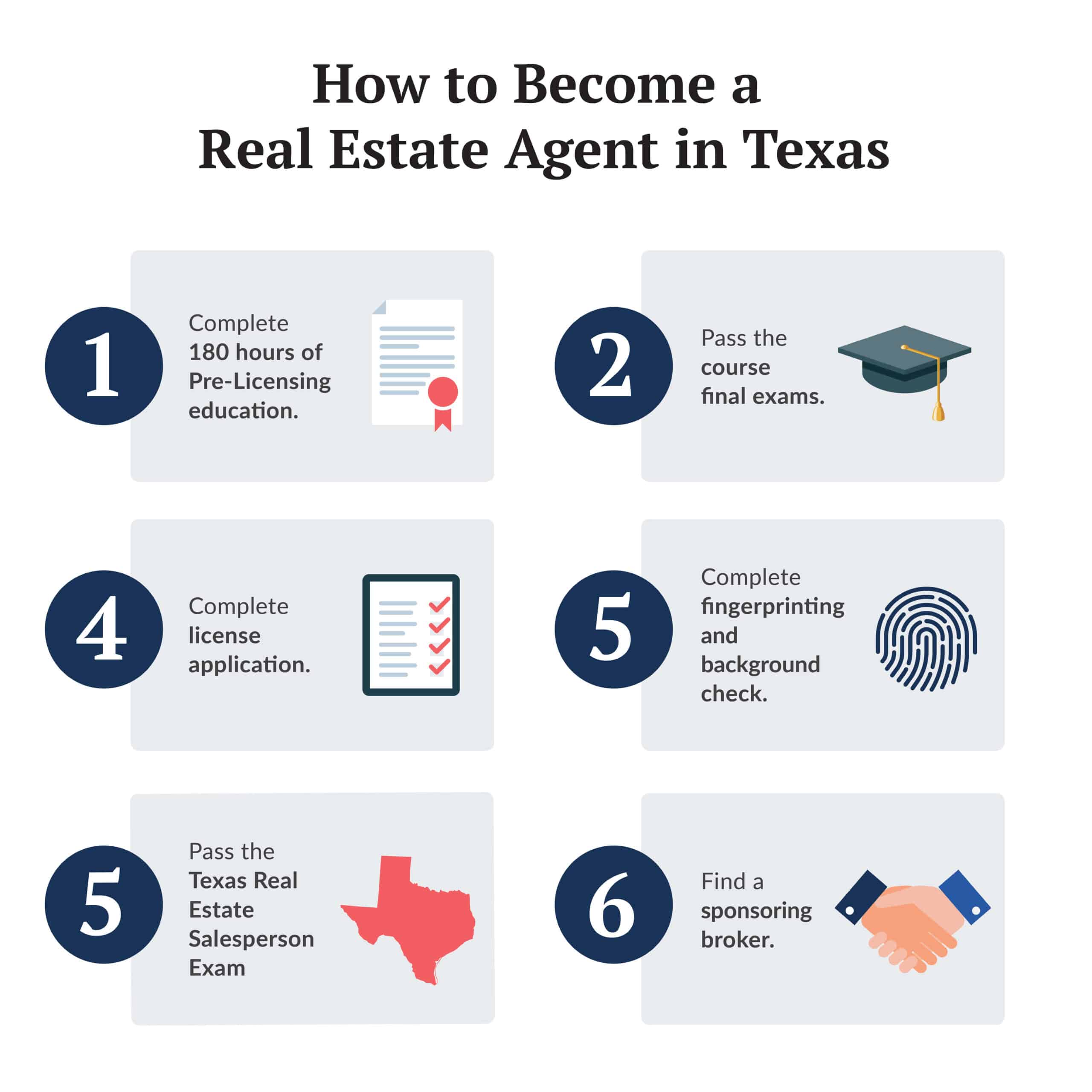
This comprehensive guide will demystify the process of becoming a licensed real estate agent in Texas, framing it not just as a professional credential, but as a key to unlocking a life of greater freedom, adventure, and financial independence.
Why Texas for Your Real Estate Journey? A Lifestyle and Investment Hub
Texas is more than just a state; it’s a diverse tapestry of opportunities, drawing individuals from all walks of life. Its appeal for real estate professionals is multifaceted, aligning perfectly with the themes of travel, accommodation, and a desirable lifestyle. The sheer scale and economic vitality of Texas mean a constantly evolving real estate market, offering everything from quaint historic homes to ultra-modern urban developments and sprawling ranches.
Consider the lifestyle possibilities:
- Urban Excitement: Cities like Austin, Dallas, Houston, and San Antonio offer distinct urban experiences. Austin, the “Live Music Capital of the World,” is a tech hub with a youthful, outdoorsy vibe, perfect for those who appreciate live entertainment and culinary adventures. Dallas boasts a sophisticated arts scene, high-end shopping, and a robust business environment. Houston, a global energy capital, offers unparalleled diversity in culture and cuisine, alongside major medical and aerospace industries. San Antonio, rich in history with landmarks like The Alamo and the famous River Walk, provides a unique blend of heritage and modern appeal. For a real estate agent, these cities present diverse clienteles and property types, from luxury condos to charming historic districts.
- Natural Wonders and Outdoor Adventures: Beyond the cities, Texas offers incredible natural beauty. From the pristine beaches of South Padre Island to the rugged grandeur of Big Bend National Park and the rolling vineyards of the Hill Country, there’s an endless array of destinations to explore. A real estate career here can mean specializing in vacation properties, ranches, or helping clients find their dream second home in a scenic location, perfectly complementing a lifestyle rich in travel and outdoor pursuits.
- Economic Opportunity: Texas’s job market is robust, attracting corporations and individuals alike. This sustained growth drives demand for housing and commercial properties, creating a fertile ground for real estate professionals. The ability to earn a substantial income provides the financial freedom necessary to pursue your travel goals, whether that’s luxury travel, adventurous budget travel, or extended family trips.
- Affordable Living (Compared to Other Major States): While property values are rising, many areas in Texas still offer a more accessible cost of living compared to coastal states, allowing for greater financial flexibility and investment potential, both personally and professionally. This affordability makes it an attractive destination for new residents, further fueling the real estate market.
A Texas real estate license isn’t just about selling houses; it’s about becoming an expert on local culture, hidden gems, and the unique lifestyle each community offers. You become a guide for newcomers, helping them not just find a house, but a home within a vibrant travel destination. This role inherently connects with tourism and accommodation, as you might assist clients in finding long-term stays, investment properties for short-term rentals, or even advising on the best neighborhoods for experiencing local food and activities.
Laying the Foundation: Eligibility and Education Requirements
Embarking on your real estate journey in Texas requires meeting specific eligibility criteria and completing a comprehensive education program. These foundational steps ensure that every licensed professional possesses the necessary knowledge and ethical grounding to serve clients effectively, aligning with the integrity expected in any lifestyle-oriented career.
Meeting the Basic Criteria
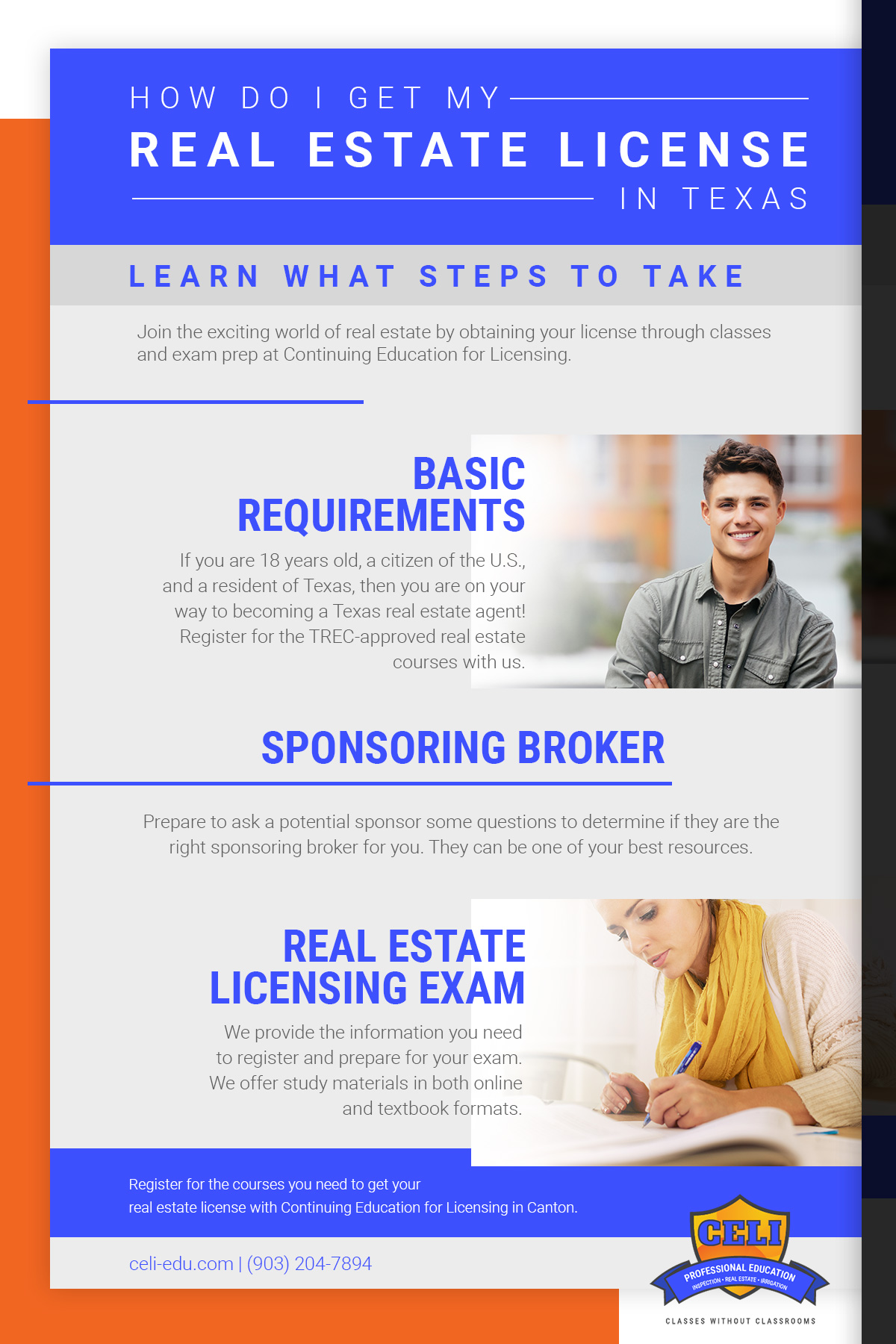
Before diving into coursework, aspiring agents must ensure they meet the fundamental requirements set by the Texas Real Estate Commission (TREC), the regulatory body for real estate in Texas. These include:
- Age Requirement: You must be at least 18 years old. This makes real estate an accessible career path for young adults looking to start building a flexible, independent future.
- Citizenship/Residency: You must be a citizen of the United States or a lawfully admitted alien. Additionally, you must be a resident of Texas. This ensures that those serving the community are familiar with its local nuances and market dynamics.
- Moral Character: Applicants must demonstrate honesty, trustworthiness, and integrity. This is assessed through a mandatory background check, which includes fingerprinting. For a career centered on trust and significant financial transactions, moral character is paramount. This initial hurdle ensures that only reputable individuals enter the profession, safeguarding clients and maintaining industry standards.
Meeting these basic criteria is your first step towards a new life, offering the potential for a career that supports your travel aspirations and provides a deeper connection to the destinations you choose to call home or invest in.
Mastering the Pre-License Coursework
The educational component is the cornerstone of your real estate training in Texas. TREC mandates 180 hours of qualifying real estate courses. This comprehensive curriculum is designed to equip you with the legal, ethical, and practical knowledge essential for success in the field. The 180 hours are typically divided into six core courses, each 30 hours in length:
- Principles of Real Estate I: An introduction to the real estate profession, market dynamics, and fundamental concepts.
- Principles of Real Estate II: Delving deeper into property law, agency relationships, and contracts.
- Law of Agency: Focusing specifically on the legal aspects of representation, understanding the duties and responsibilities owed to clients.
- Law of Contracts: A critical course on the elements of valid contracts, types of agreements, and common contract issues in real estate transactions.
- Promulgated Contracts Forms: Learning how to properly use the standardized forms issued by TREC, crucial for legal compliance.
- Real Estate Finance: Understanding the various financing options, mortgages, and financial calculations pertinent to real estate.
These courses can be completed through approved real estate schools, offering both traditional classroom settings and flexible online options. For those embracing a travel-centric lifestyle or working remotely, online courses provide the unparalleled convenience of studying from anywhere in the world, as long as you have an internet connection. This flexibility is a significant advantage, allowing you to learn at your own pace, whether you’re planning a trip to Mexico or exploring the unique landmarks of Texas before settling down. Choosing an online provider can truly make your education fit around your desired lifestyle, rather than the other way around.
Navigating the Application and Examination Process
Once your pre-license education is complete, the next phase involves formalizing your application with TREC and demonstrating your mastery of the material through the state examination. This stage requires meticulous attention to detail and dedicated preparation, ensuring your smooth transition from aspiring student to licensed professional, ready to engage with clients seeking accommodation or investment opportunities across Texas.
Submitting Your Application
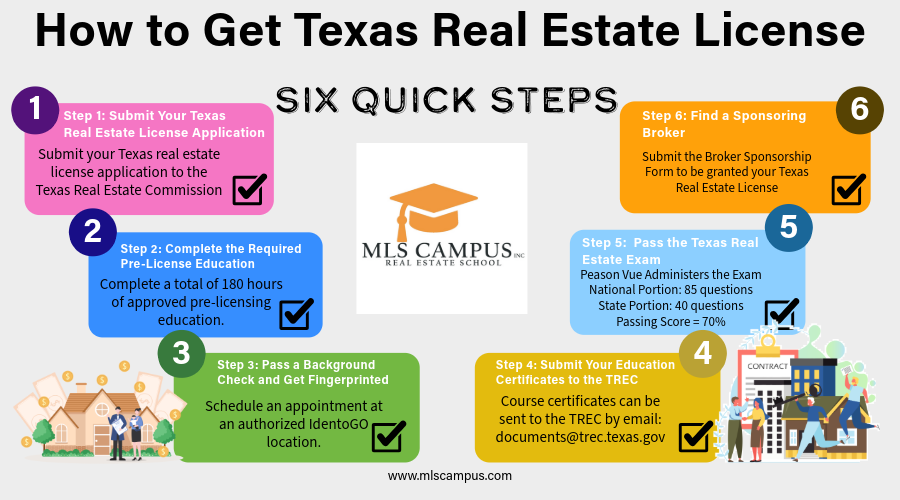
The application process is administrative but crucial. After completing your 180 hours of coursework, you will submit your application to TREC. This involves:
- Application Form: Completing the detailed application form provided by TREC.
- Fees: Paying the required application fees. These fees contribute to the regulatory oversight that ensures a fair and trustworthy real estate market.
- Proof of Education: Submitting transcripts or certificates from your approved real estate school, verifying completion of the 180 hours.
- Fingerprinting and Background Check: Initiating the fingerprinting process for your background check. This is a critical step that must clear before your license can be issued. The background check ensures the integrity of the profession, protecting consumers and fostering trust in real estate transactions.
Being diligent in this stage prevents delays and keeps you on track towards your new career, a career that could fund future travels or allow you to live a digital nomad lifestyle from various Texas destinations.
Conquering the Texas Real Estate Exam
The final academic hurdle is the Texas Real Estate Salesperson Exam. This is a rigorous test designed to ensure you possess a comprehensive understanding of real estate principles, laws, and practices.
- Exam Structure: The exam consists of two parts: a national portion and a Texas-specific portion.
- National Portion: Covers general real estate principles, including property ownership, contracts, agency, finance, valuation, and federal laws.
- State Portion: Focuses specifically on Texas real estate laws, rules, and promulgated contract forms, ensuring you are proficient in the unique regulatory environment of the state.
- Preparation is Key: Success on the exam largely depends on thorough preparation. Utilize study guides, practice exams, and review sessions offered by your real estate school. Many candidates find it beneficial to enroll in exam prep courses specifically designed to simulate the actual testing experience. Understanding the format and types of questions you’ll encounter can significantly boost your confidence and performance.
- Scheduling and Taking the Exam: Once your application is approved, TREC will authorize you to schedule your exam with the testing service provider. The exam is administered at various testing centers across Texas, including locations in major cities like Fort Worth, El Paso, and Corpus Christi.
Passing the exam is a monumental achievement, signifying your readiness to enter the profession. It’s the culmination of your studies and the gateway to a career that can provide the freedom and resources to pursue a fulfilling lifestyle, blending professional success with personal exploration.
Beyond the License: Building a Thriving Real Estate Career
Obtaining your license is a significant milestone, but it’s just the beginning of your journey. Building a successful real estate career in Texas involves ongoing learning, strategic partnerships, and a commitment to personal and professional growth. This continuous development is what truly unlocks the lifestyle benefits, from financial freedom to the flexibility to travel and invest wisely in various accommodation types.
Finding Your Broker Sponsorship
After passing your exam, the next mandatory step is to find a sponsoring real estate broker. In Texas, new agents cannot practice independently; they must operate under the supervision of an experienced broker.
- The Role of a Broker: A sponsoring broker acts as your mentor, provides office support, training, and ensures you adhere to all legal and ethical guidelines. They offer invaluable guidance as you navigate your first transactions and learn the practicalities of the business.
- Choosing the Right Brokerage: This decision is crucial. Look for a brokerage that aligns with your career goals and desired lifestyle. Consider factors like:
- Training and Mentorship Programs: Essential for new agents.
- Office Culture and Support: A positive and collaborative environment can significantly impact your early success.
- Commission Splits and Fees: Understand the financial structure.
- Specialization: Does the brokerage focus on residential, commercial, luxury, or investment properties? If your goal is to specialize in vacation rentals for travelers, finding a brokerage with expertise in that niche would be ideal.
- Networking: Attend local real estate events, interview with several brokers, and network with other agents. This not only helps you find the right fit but also builds your professional community within Texas.
Securing the right broker sponsorship is not just a regulatory requirement; it’s an opportunity to gain practical experience and forge connections that will be vital to your long-term success, enabling you to build a career that supports your vision of a flexible and travel-rich lifestyle.
Embracing Continuing Education and Specialization
The real estate market is constantly evolving, with new technologies, legal updates, and market trends emerging regularly. To maintain your license in Texas, you are required to complete continuing education (CE) courses every two years. This commitment to lifelong learning is crucial for staying competitive and relevant.
- Mandatory CE: TREC mandates specific hours of legal and ethics updates.
- Elective Courses: Beyond the mandatory courses, numerous elective CE options allow you to specialize and deepen your expertise. Consider areas such as:
- Investment Properties: Learning to identify and analyze properties with high return potential, perfect for those interested in building a portfolio for passive income that funds travel.
- Luxury Real Estate: Catering to high-net-worth clients, a pathway to more lucrative transactions that can enable luxury travel experiences.
- Resort and Second Home Properties: Ideal for agents passionate about travel and helping others find their dream vacation homes.
- International Real Estate: For those with global travel ambitions, understanding international transactions can open doors to cross-border opportunities.
Specializing not only enhances your market value but also allows you to align your career with your personal passions, making work feel less like a chore and more like an extension of your chosen lifestyle.
The Lifestyle Rewards of a Texas Real Estate Career
A real estate license in Texas truly is a key to unlocking a world of opportunity and a flexible lifestyle.
- Financial Freedom: With hard work and dedication, real estate can provide a substantial income, allowing you to save for extended travels, invest in vacation properties in desirable locations, or enjoy premium travel experiences.
- Work-Life Balance and Flexibility: While demanding, a real estate career offers a level of autonomy rarely found in traditional employment. You set your own schedule, manage your client load, and decide where and when you work. This flexibility is invaluable for fitting in trips, pursuing hobbies, or simply enjoying more time with family. Imagine being able to work remotely from a charming apartment in Austin’s South Congress district, or managing listings from a beachfront condo on South Padre Island, all while staying connected to your Texas market.
- Investment Opportunities: As an agent, you gain insider knowledge of the market, allowing you to make informed personal real estate investments. You can acquire properties for long-term rentals, short-term vacation stays, or even flip homes, building wealth that supports your travel and lifestyle aspirations.
- Connecting with Diverse People and Cultures: Real estate professionals constantly interact with people from various backgrounds, often guiding them through significant life changes. This exposure enriches your understanding of different cultures and perspectives, much like traveling itself. You become an ambassador for your local area, showcasing the unique attractions and lifestyle of Texas to newcomers.
In conclusion, obtaining your real estate license in Texas is more than just securing a job; it’s an investment in a future where professional success and a dynamic, travel-rich lifestyle go hand-in-hand. By understanding the requirements, diligently pursuing your education, and strategically building your career, you can unlock a fulfilling path that offers both financial reward and the freedom to explore the world, starting with the incredible diversity and opportunity found right here in the Lone Star State.
LifeOutOfTheBox is a participant in the Amazon Services LLC Associates Program, an affiliate advertising program designed to provide a means for sites to earn advertising fees by advertising and linking to Amazon.com. Amazon, the Amazon logo, AmazonSupply, and the AmazonSupply logo are trademarks of Amazon.com, Inc. or its affiliates. As an Amazon Associate we earn affiliate commissions from qualifying purchases.