
Florida, the Sunshine State, is a beacon for entrepreneurs, especially those dreaming of a venture within the vibrant tourism and hospitality sectors. From charming boutique hotels nestled in historic St. Augustine to exhilarating eco-tourism operations exploring the Everglades, the opportunities are as abundant as its sandy beaches. However, before you can welcome your first guests or launch your unique travel experience, understanding the labyrinthine process of obtaining a business license in Florida is paramount. This comprehensive guide will illuminate the path, ensuring your journey from aspiring business owner to licensed operator is as smooth as a Gulf Coast breeze.
The allure of Florida for both residents and visitors makes it an ideal location for a wide array of businesses. Its diverse landscapes, ranging from the bustling metropolitan hubs of Miami and Orlando to the tranquil natural beauty of the Florida Keys and the Panhandle, support an economy deeply intertwined with travel, accommodation, and lifestyle experiences. Whether you’re envisioning a high-end luxury resort in Palm Beach, a quaint bed and breakfast in Sarasota, a specialized tour company in Kissimmee catering to Walt Disney World visitors, or an independent travel agency helping clients discover Florida’s hidden gems, the foundational step remains consistent: securing the proper licenses and permits. This process isn’t just a bureaucratic hurdle; it’s a vital mechanism to ensure consumer safety, fair competition, and adherence to professional standards within the state’s thriving economy.
Navigating the Sunshine State’s Business Landscape for Tourism Ventures
Establishing any business in Florida requires diligent attention to legal and regulatory frameworks. For those eyeing the lucrative tourism, hospitality, and accommodation sectors, this becomes even more critical due to specific industry regulations designed to protect visitors and preserve the state’s natural and cultural heritage. Understanding these nuances from the outset can save significant time, effort, and potential penalties down the road.
Why a Florida Business License Matters for Your Travel Enterprise
A business license in Florida is not a single document but a combination of state, county, and municipal permits and registrations. For businesses in the travel and tourism space, these licenses serve several crucial functions. Firstly, they legitimize your operations, signaling to customers and partners that your enterprise meets established standards. This builds trust, which is invaluable in an industry heavily reliant on reputation and word-of-mouth. Imagine a family booking a vacation rental for their annual trip to Orlando; they expect safety, cleanliness, and professionalism, all of which are encouraged and often mandated by licensing requirements.
Secondly, licenses ensure compliance with health, safety, and environmental regulations. A restaurant in South Beach needs specific food service permits to guarantee safe food handling, while a charter boat company in Key West must adhere to marine safety protocols and potentially Florida Fish and Wildlife Conservation Commission (FWC) guidelines. These regulations are in place to protect not only your customers but also Florida’s pristine environment and wildlife, crucial assets for the state’s tourism industry. Lastly, proper licensing allows your business to operate legally, avoiding hefty fines, operational shutdowns, and damage to your brand. It’s an investment in the long-term sustainability and success of your venture, whether it’s a bustling hostel in Fort Lauderdale or a bespoke travel planning service for honeymoons.
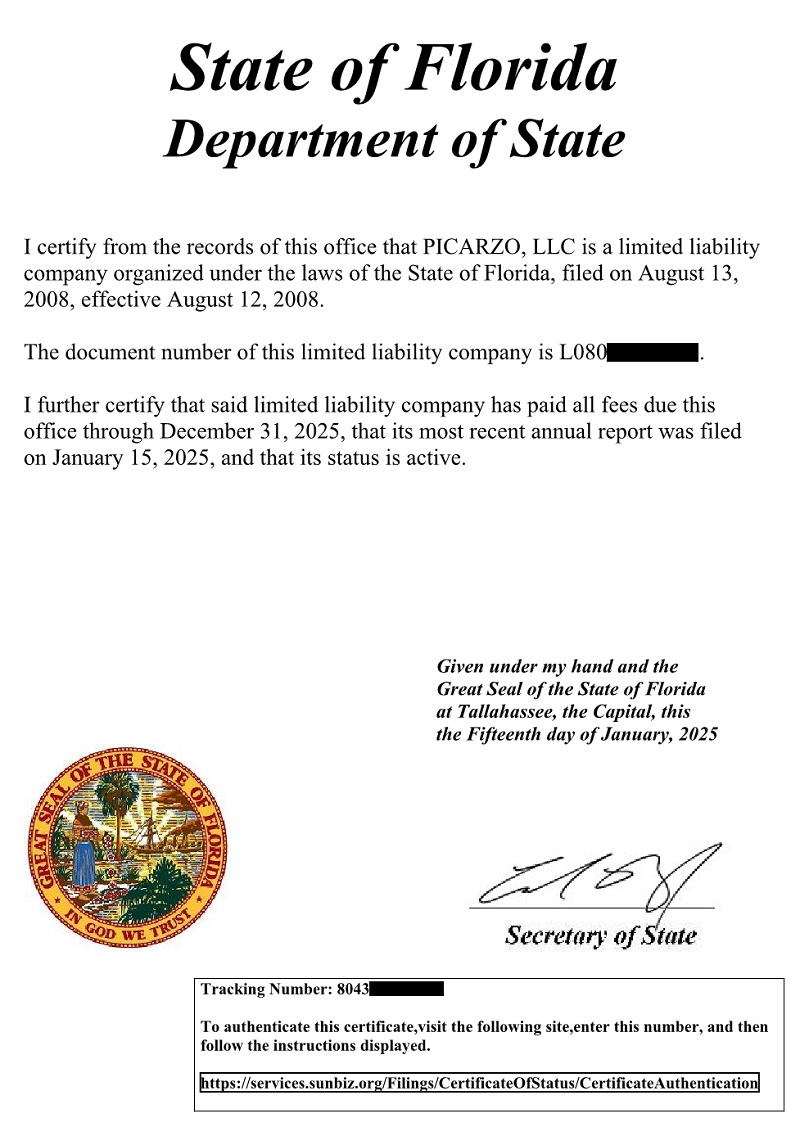
Understanding the Types of Tourism-Related Businesses Requiring Licensure
The spectrum of businesses within Florida’s travel and tourism ecosystem is broad, and each category may have unique licensing requirements.
- Accommodation Providers: This includes hotels (from small boutique hotels to expansive resorts like those found near Walt Disney World or along the Florida Coast), motels, vacation rentals (including Airbnb and VRBO operators), bed and breakfasts, and even campgrounds. These businesses typically fall under the purview of the Florida Department of Business and Professional Regulation (DBPR), specifically their Division of Hotels and Restaurants.
- Food and Beverage Establishments: Any business that prepares or serves food, from a gourmet restaurant in Miami’s Design District to a casual cafe in Gainesville or a food truck at a festival, will require licenses from the DBPR and potentially local health departments.
- Tour Operators and Activity Providers: Whether you’re running airboat tours in the Everglades, guided fishing trips out of Fort Myers, bicycle tours through historic St. Augustine, or providing scuba diving excursions in the Keys, you’ll need various state and local permits. These might include maritime licenses, commercial guide licenses, or permits for operating in state parks or protected areas, often overseen by agencies like the FWC or the Florida Department of Environmental Protection (FDEP).
- Travel Agencies and Booking Services: While many travel agencies operate globally, those based in Florida may have specific state registrations, particularly concerning seller of travel laws to protect consumers.
- Retail Shops (Tourism-Focused): Souvenir shops, specialized gear shops for outdoor activities, or boutiques catering to tourists in popular destinations like Naples or Clearwater Beach will require general business licenses and potentially specific sales tax registrations.
This list is not exhaustive, but it highlights the necessity of identifying your specific business type early in the planning process.

The Essential Steps to Licensure in Florida
The journey to obtaining a business license in Florida can be broken down into several distinct phases, each requiring careful attention. While the specifics vary, the overarching framework remains consistent for most enterprises.
Initial Preparations: Entity Formation and Federal Requirements
Before diving into state-specific licenses, you must first establish your business legally and address federal obligations.
- Choose a Business Structure: Decide whether your venture will be a sole proprietorship, partnership, Limited Liability Company (LLC), or corporation. This choice impacts your legal liability, tax obligations, and the paperwork required. Most tourism-related businesses, from a small B&B to a large resort, often opt for an LLC for its balance of protection and flexibility.
- Register Your Business Name: If you choose a name other than your legal name (for a sole proprietorship), or if you form an LLC or corporation, you’ll need to register your business name with the Florida Department of State, Division of Corporations. Ensure your chosen name is unique and reflects the vibrant spirit of your Florida offering.
- Obtain an Employer Identification Number (EIN): If you plan to hire employees or if your business is structured as a corporation or LLC (even with no employees), you’ll need an EIN from the Internal Revenue Service (IRS). This is essentially your business’s social security number for tax purposes.
- Secure Necessary Federal Licenses/Permits: While less common for general tourism operations, certain specialized businesses might require federal permits. For example, if you operate a charter boat, you may need permits from the U.S. Coast Guard.
State-Level Licensing: The Florida Department of Business and Professional Regulation and Beyond
The DBPR is the primary state agency responsible for licensing and regulating many professions and businesses in Florida. This is where many tourism and hospitality businesses will focus their efforts.
- DBPR Licenses: Depending on your business, you might interact with various divisions.
- Division of Hotels and Restaurants: Essential for any establishment offering public lodging (from luxury resorts to vacation rentals) or food service. They issue licenses for restaurants, caterers, mobile food units, and public lodging establishments, ensuring compliance with health and safety standards outlined in Florida Statutes.
- Real Estate Commission (FREC): If your business involves real estate activities, such as managing properties for vacation rentals for others, you might need a real estate broker’s license.
- Other Professional Licenses: If your tourism business involves specialized services (e.g., a spa in a resort offering massages or cosmetology), the individual professionals might need licenses through other DBPR boards.
- Florida Department of Revenue: You’ll need to register with the Florida Department of Revenue to collect and remit sales tax. This is crucial for nearly all tourism businesses, from hotels to gift shops and tour operators. They will issue you a Certificate of Registration.
- Other State Agencies: Depending on the nature of your activities, other state agencies might be involved. For example, eco-tourism businesses operating in environmentally sensitive areas may need permits from the FDEP or the FWC.
Local Business Tax Receipts and Permits: City and County Specifics
Beyond state regulations, every business in Florida must comply with local county and city requirements. These often include a “Local Business Tax Receipt” (formerly known as an occupational license) and various specific permits.
- County Business Tax Receipt: Your local county government (e.g., Miami-Dade County, Orange County, Pinellas County) will require you to obtain a business tax receipt. This is typically issued by the County Tax Collector’s office and signifies that you have paid the required local business tax. The cost can vary significantly based on your business type, location, and projected revenue.
- City Business Tax Receipt: If your business is located within an incorporated city (e.g., Miami, Orlando, Tampa, Jacksonville, Key West), you will likely need an additional business tax receipt from that municipality. Many cities also have specific zoning regulations and permits that must be approved before you can legally operate at a particular location. For instance, operating a bed and breakfast in a residential zone will almost certainly require a special use permit.
- Specific Local Permits: Depending on your operations, you might need additional local permits. Examples include signage permits, fire safety inspections, building permits for modifications, or permits for outdoor seating at a restaurant. Vacation rentals, particularly in tourist-heavy areas like Miami Beach or Osceola County (near Walt Disney World), often have very specific local ordinances, registration processes, and transient lodging taxes that must be meticulously followed.
Special Considerations for the Florida Tourism and Hospitality Sector
Given the website’s focus, it’s vital to highlight the unique licensing considerations that frequently arise within the tourism and hospitality industries in Florida. These specific areas often involve additional layers of regulation to ensure guest safety and a high quality of experience.
Food and Beverage Licenses for Restaurants and Cafes
Opening a restaurant, cafe, or any establishment serving food and beverage in Florida involves a rigorous licensing process overseen by the DBPR’s Division of Hotels and Restaurants. This division ensures that all food service establishments meet stringent health and sanitation standards, crucial for public safety and the reputation of Florida’s culinary scene. Requirements include detailed plans of your facility, proper equipment, and adherence to food safety protocols. Inspections are conducted regularly to maintain compliance, covering everything from food storage temperatures to employee hygiene. Additionally, if you plan to serve alcohol, you’ll need a separate liquor license from the Florida Division of Alcoholic Beverages and Tobacco (ABT), which has its own complex application process based on the type of alcohol served and local zoning regulations. From a trendy rooftop bar in Tampa to a quaint seafood shack on Anna Maria Island, these licenses are non-negotiable.
Lodging Establishment Permits: From Boutique Hotels to Vacation Villas
The operation of any public lodging establishment, from a grand hotel chain in Miami Beach to a single vacation villa rented out for short stays, is also governed by the DBPR’s Division of Hotels and Restaurants. You must obtain a public lodging establishment license, which categorizes your property (e.g., hotel, motel, apartment, condominium, vacation rental). These licenses ensure that properties meet minimum standards for safety, sanitation, and accessibility. For vacation rentals, this includes specific requirements for fire extinguishers, smoke detectors, and sometimes even emergency contact information posted prominently. Local governments, particularly in high-tourism areas like Osceola County (serving Walt Disney World) or Monroe County (Florida Keys), often layer on additional registration and transient lodging tax requirements. Understanding these layered regulations is crucial for ensuring a compliant and successful accommodation business.
Environmental Regulations and Outdoor Activities
For businesses centered around Florida’s incredible natural attractions, such as kayak tours in the mangroves, airboat rides in the Everglades, or guided fishing excursions in the Gulf, environmental regulations and specialized permits are essential. The FWC regulates activities related to hunting, fishing, and wildlife, requiring commercial fishing licenses, charter boat permits, and adherence to specific seasonal and catch limits. The FDEP oversees environmental protection, which can include permits for operating in state parks, managing waste, or ensuring that your operations do not harm fragile ecosystems. Even businesses offering simple outdoor activities like bicycle rentals or segway tours might need permits from local parks and recreation departments if they operate on public land or pathways. These regulations are designed to protect Florida’s unique biodiversity and ensure its natural beauty remains a draw for future generations of visitors.
Resources and Ongoing Compliance for Your Florida Business
Obtaining your initial licenses is a significant achievement, but it’s important to remember that it’s not a one-time event. Maintaining compliance and staying informed about regulatory changes are ongoing responsibilities for any business owner in Florida’s dynamic tourism sector.
Utilizing State and Local Business Support Services
Florida offers numerous resources to help entrepreneurs navigate the licensing landscape. The Florida Small Business Development Center (SBDC) Network, with offices across the state, provides free consulting, training, and resources on business planning, financing, and regulatory compliance. Organizations like Visit Florida, while primarily a marketing agency, also offer insights and resources for tourism-related businesses. Your local Chamber of Commerce (e.g., Greater Miami Chamber of Commerce, Orlando Chamber of Commerce) is another invaluable resource, offering networking opportunities, advocacy, and guidance on local regulations specific to their area. These entities can often provide checklists, direct you to the correct government departments, and help demystify the process. Leveraging these support services can significantly streamline your licensing journey and help you build a strong foundation for your business.
Maintaining Your License and Staying Compliant
Once licensed, the responsibility shifts to maintaining that status. Most licenses in Florida require annual renewal, often accompanied by a fee. It’s crucial to keep track of these renewal dates to avoid lapses that could result in fines or temporary suspension of operations. Staying informed about changes in Florida Statutes, DBPR rules, and local ordinances is also paramount. Regulations, especially concerning vacation rentals and environmental protections, can evolve. Subscribing to updates from relevant state agencies, attending industry workshops, and consulting with legal or business professionals can help ensure ongoing compliance. Beyond just renewals, businesses in the tourism sector are subject to periodic inspections (e.g., health inspections for restaurants, lodging inspections for hotels) to ensure continued adherence to safety and operational standards. Proactive engagement with these requirements ensures your business not only survives but thrives in Florida’s competitive yet rewarding travel and accommodation market.
Embarking on a business venture in Florida is an exciting prospect, particularly within its booming tourism and hospitality sectors. While the process of obtaining a business license requires meticulous planning and attention to detail, it is a navigable journey. By understanding the federal, state, and local requirements, leveraging available resources, and committing to ongoing compliance, you can confidently lay the groundwork for a successful and legally sound enterprise in the Sunshine State, ready to welcome guests from around the globe to experience its unparalleled destinations, attractions, and lifestyle offerings.