
Navigating the administrative processes of living in a new state can sometimes feel like exploring uncharted territory, even for seasoned travelers. While Florida might conjure images of sun-drenched beaches like those in Miami, vibrant theme parks in Orlando, or the historic charm of St. Augustine, understanding the practicalities of being a resident is just as crucial as mapping out your next adventure. One such essential task is renewing your vehicle registration. Whether you’re a snowbird settling in for the season or a permanent resident embracing the Florida lifestyle, ensuring your vehicle is legally registered is paramount for peace of mind and to avoid any unwelcome detours from the law. This guide will demystify the process, making your Florida vehicle registration renewal as smooth as a drive along the scenic Overseas Highway.
Understanding Your Florida Vehicle Registration Renewal
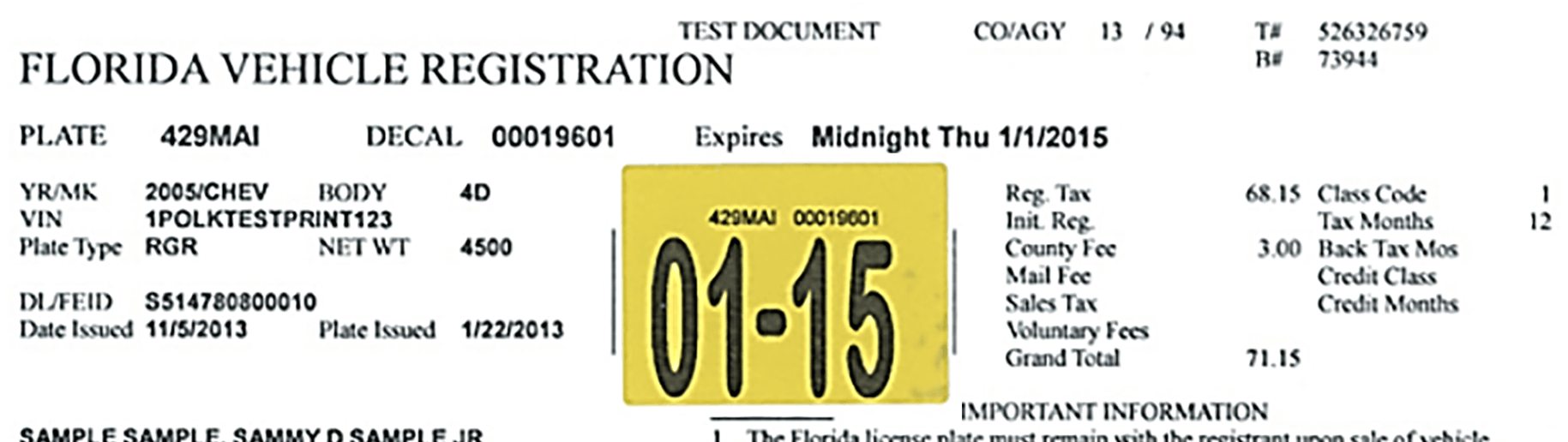
Florida’s vehicle registration system is managed by the Department of Highway Safety and Motor Vehicles (FLHSMV). Your registration signifies that your vehicle is legally permitted to operate on public roads and is a vital document to keep current. Renewal is typically an annual event, ensuring that your vehicle information and fee payments are up-to-date. The FLHSMV aims to make this process accessible, offering multiple convenient methods for Floridians to comply.
When to Renew Your Registration
Your Florida vehicle registration expires on your birthday. You will receive a renewal notice in the mail from the FLHSMV approximately 60 days before your expiration date. It’s important to note that this notice is a courtesy, and the responsibility to renew on time ultimately lies with you. If you do not receive a notice, you should still check your expiration date and proceed with the renewal process. Failing to renew your registration by the expiration date can result in late fees and potential citations. For those who are new to the state, your initial registration will have a specific expiration date, and subsequent renewals will then align with your birthday.
Key Information Needed for Renewal
Before you begin the renewal process, it’s helpful to have a few pieces of information readily available. This includes:
- Your Vehicle’s License Plate Number: This is the most crucial identifier for your vehicle.
- Your Vehicle Identification Number (VIN): This unique 17-digit number can be found on your current registration sticker, your insurance card, or the dashboard of your vehicle.
- Your Florida Driver’s License Number: This is often used for verification purposes.
- Proof of Florida Insurance: Florida law requires all registered vehicles to have a minimum level of personal injury protection (PIP) and property damage liability (PDL) insurance. You will need to provide information about your current insurance policy.
- Odometer Reading: You will be asked to provide the current mileage of your vehicle.
Methods for Renewing Your Vehicle Registration in Florida
The FLHSMV offers several convenient ways to renew your vehicle registration, catering to different preferences and accessibility needs. Whether you prefer the ease of online transactions, the personal touch of an in-person visit, or the speed of a self-service kiosk, there’s likely a method that fits your schedule.
Online Renewal: The Most Convenient Option
For many Floridians, online renewal is the preferred method due to its speed and convenience. You can renew your registration from the comfort of your home, office, or even while on vacation, perhaps from a cozy villa in the Florida Keys or a bustling resort in Tampa.
Steps for Online Renewal:
- Visit the Official FLHSMV Website: Navigate to the official Florida Department of Highway Safety and Motor Vehicles website. Look for the “Renew Registration” or “Online Services” section.
- Enter Your Information: You will be prompted to enter your license plate number, VIN, and potentially your driver’s license number.
- Verify Insurance Information: The system will likely verify your insurance coverage electronically. Ensure your insurance policy is active and meets Florida’s minimum requirements.
- Review and Pay Fees: A summary of your renewal fees will be displayed. You can typically pay using a credit card, debit card, or electronic check.
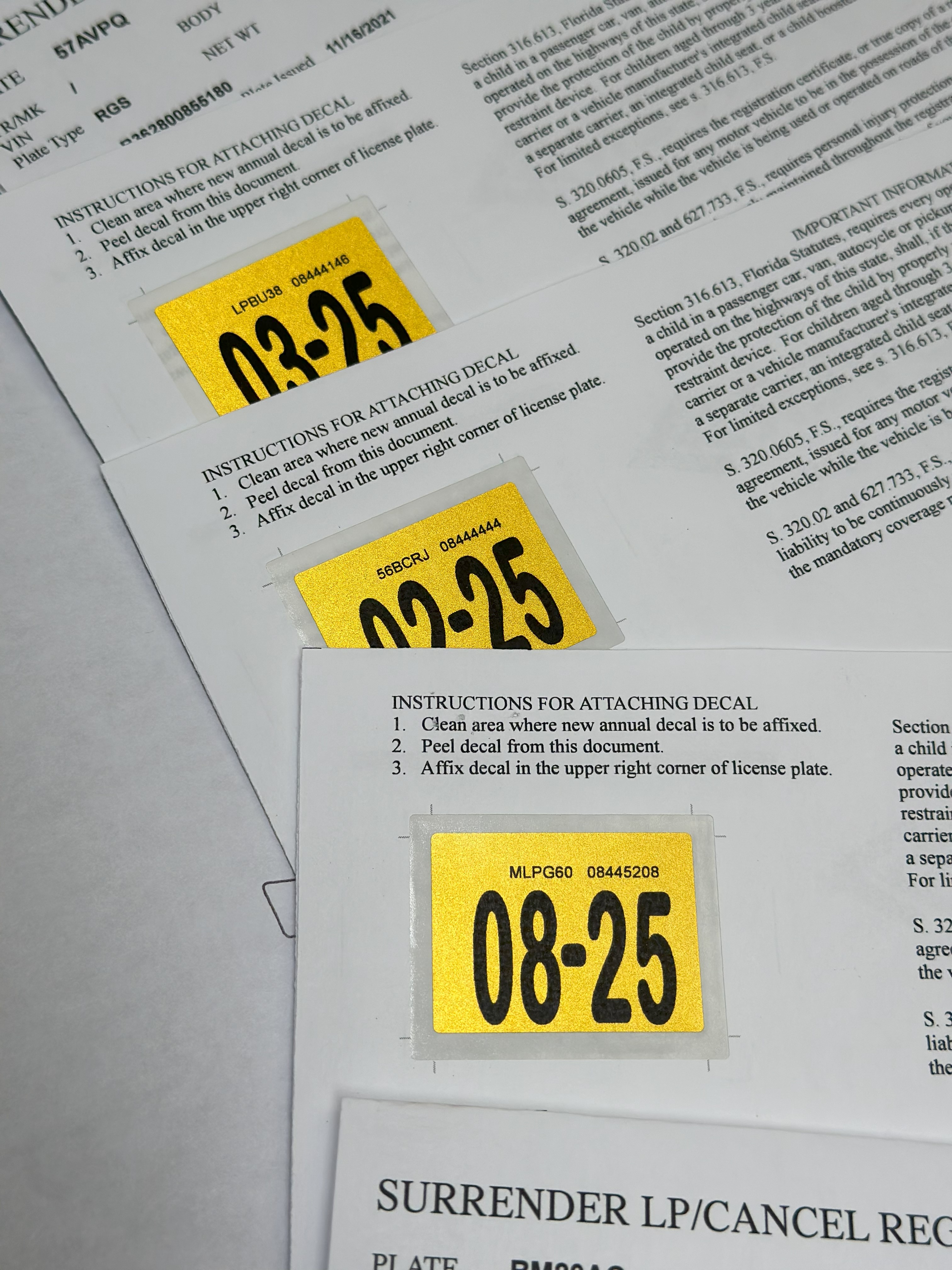
- Receive Your Sticker and Decals: Once your renewal is processed and payment is confirmed, your new registration sticker and decals will be mailed to the address on file. It is crucial to keep your mailing address updated with the FLHSMV.
Important Note for Online Renewals: If your vehicle requires a safety inspection or emissions test (though Florida does not have statewide emissions testing for most vehicles, specific counties might have regulations), or if you have outstanding parking tickets or toll violations, you may not be able to renew online. In such cases, you might need to utilize another renewal method.
In-Person Renewal: For Those Who Prefer Face-to-Face Assistance
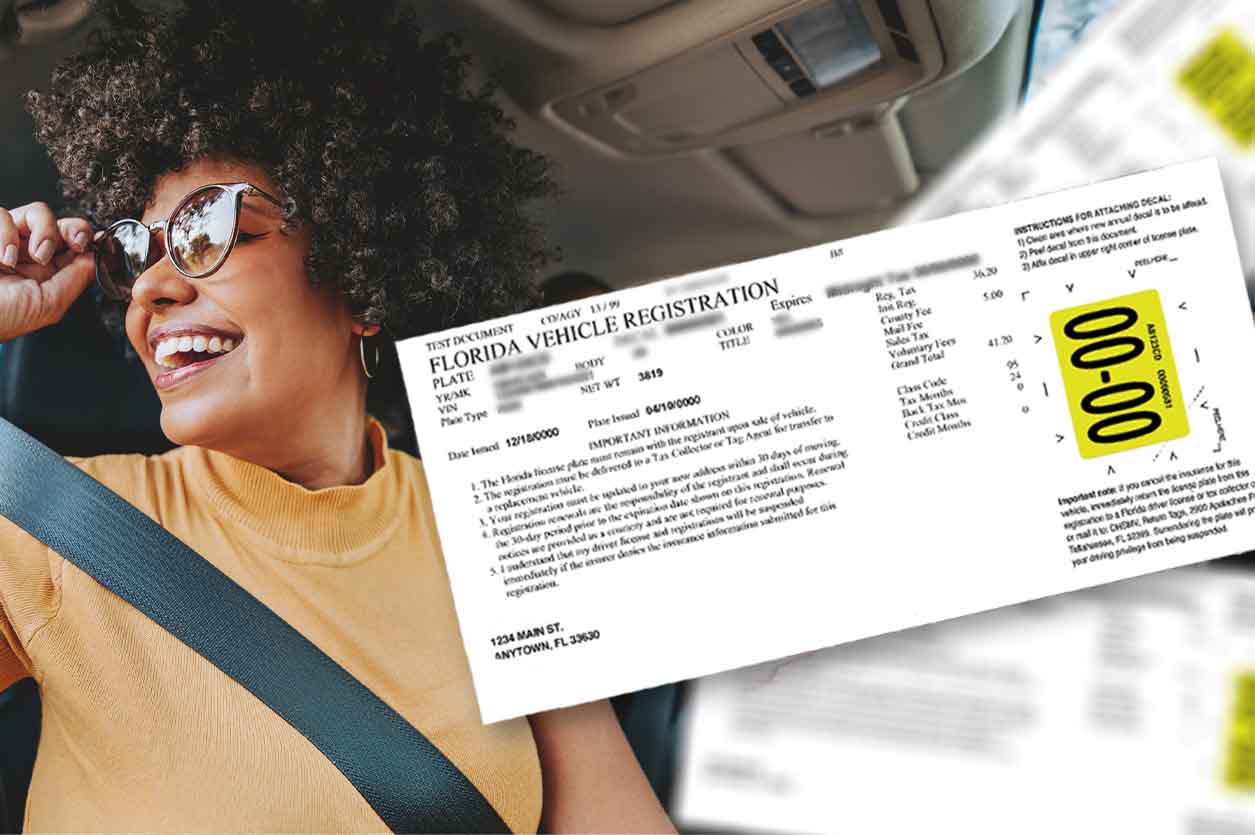
While online renewal is streamlined, some individuals prefer the reassurance of interacting with a representative or require assistance with specific circumstances. Visiting a Florida Department of Highway Safety and Motor Vehicles (FLHSMV) county office or a licensed private tag agency offers a more traditional approach.
What to Expect at an In-Person Renewal:
- Bring Necessary Documents: Ensure you have your current registration, driver’s license, proof of insurance, and the renewal notice (if you received one).
- Fill Out Forms: You may need to complete a renewal application form.
- Pay Fees: Payment can typically be made via cash, check, money order, or credit/debit card. Private tag agencies may have additional processing fees.
- Receive Immediate Service: In many cases, you can receive your new registration sticker and decals on the spot.
Choosing a Private Tag Agency: Licensed private tag agencies offer similar services to county tax collector offices. They can be a convenient alternative, often with extended hours or fewer queues. However, they usually charge an additional service fee for their convenience. It’s advisable to check their fees upfront.
Renewal by Mail: A Traditional Approach
For those who prefer traditional methods or are unable to access online services, renewing by mail is an option, though it generally takes longer.
How to Renew by Mail:
- Receive Your Renewal Notice: The FLHSMV will mail you a renewal notice.
- Complete the Form: Fill out the renewal form accurately.
- Include Payment: Enclose a check or money order for the total renewal fees.
- Mail to the Designated Address: Send the completed form and payment to the address provided on the renewal notice.
Considerations for Mail Renewal: This method requires advance planning due to mailing times and processing. It’s also important to ensure your payment method is secure and that you have proof of postage if mailing critical documents.
Self-Service Kiosks: Quick and Accessible Renewals
Florida has a network of self-service kiosks located in convenient public places, such as grocery stores and public libraries. These kiosks offer a quick and easy way to renew your registration if you meet certain criteria.
Using a Self-Service Kiosk:
- Locate a Kiosk: Find a kiosk near you using the FLHSMV’s online locator tool.
- Scan Your Driver’s License/ID: The kiosk will prompt you to scan your Florida driver’s license or identification card.
- Enter Vehicle Information: You’ll need to enter your license plate number and VIN.
- Confirm Insurance: The system will verify your insurance information.
- Pay Fees: You can pay using a credit or debit card.
- Print Your Sticker: The kiosk will print your new registration sticker and receipt immediately, which you can then affix to your vehicle.
Eligibility for Kiosks: Similar to online renewals, kiosks are generally for straightforward renewals. If your registration is expired for more than a certain period, or if there are other complications, you might be directed to another renewal method.
Staying Compliant and Enjoying Your Florida Adventures
Renewing your vehicle registration in Florida is a straightforward process, and by understanding the available methods and requirements, you can ensure you remain compliant with state laws. Whether you’re planning to explore the Everglades, catch a game at Amalie Arena, or simply enjoy a leisurely drive through the charming streets of Key West, having a current registration is a fundamental step in experiencing all that the Sunshine State has to offer. Remember to keep your contact information updated with the FLHSMV to ensure you receive timely renewal notices. By taking a few minutes to manage this administrative task, you can focus on the more exciting aspects of your Florida journey, from discovering hidden culinary gems to finding the perfect beachfront hotel. Happy trails!