
Embarking on a new venture, whether it’s a charming bed and breakfast nestled in the Rocky Mountains or a boutique tour operator guiding visitors through the vibrant streets of Denver, often involves navigating the legal landscape. For many aspiring entrepreneurs in the Centennial State, the formation of a Limited Liability Company (LLC) presents itself as a practical and popular choice. This business structure offers a compelling blend of personal liability protection and operational flexibility, making it an attractive option for those looking to establish a foothold in Colorado’s burgeoning tourism and hospitality sectors.
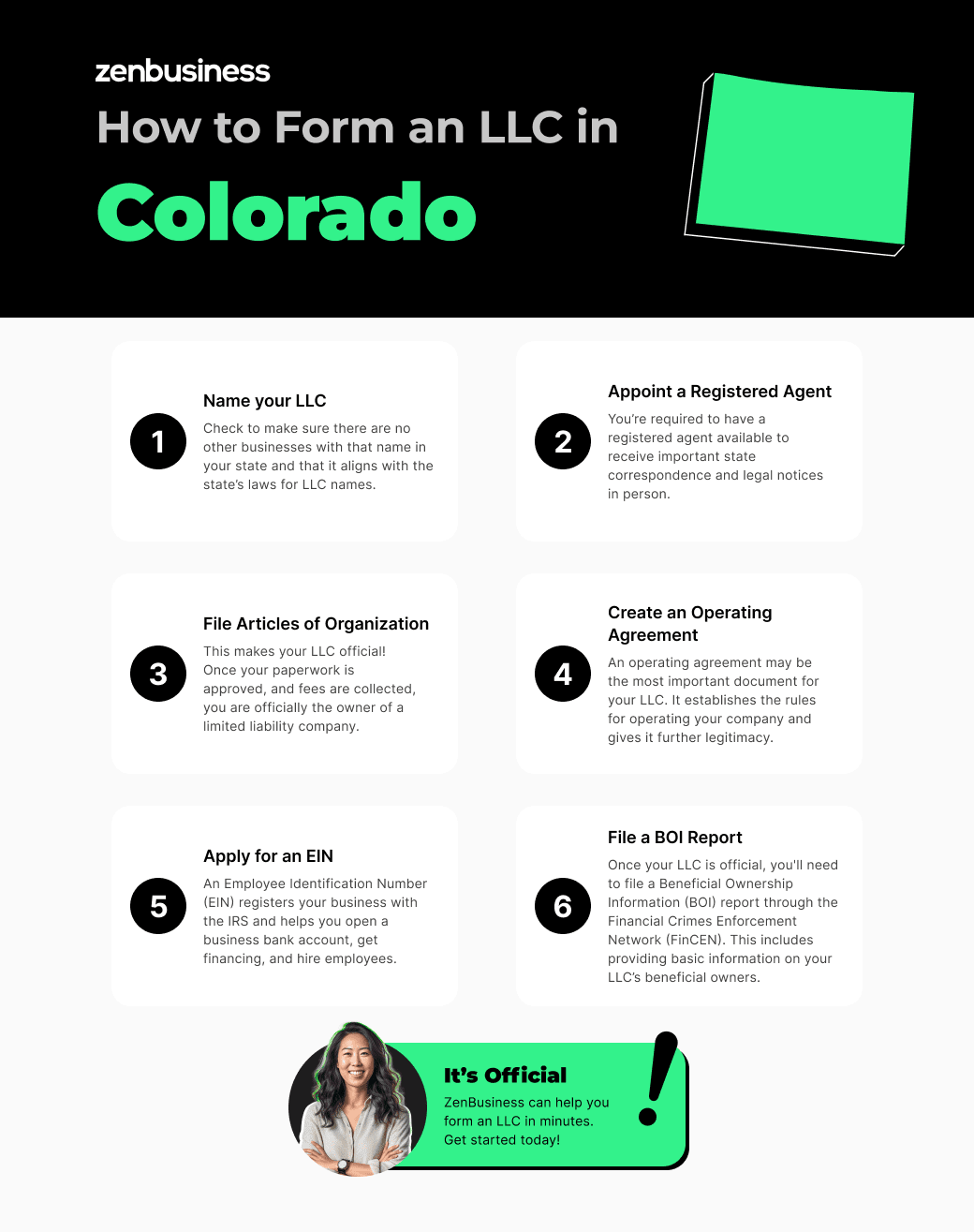
But what exactly does it take to bring your business idea to life as a registered LLC in Colorado? The process, while straightforward, requires attention to detail and an understanding of the necessary steps. From choosing a unique name for your company to filing the official documentation with the state, each stage plays a crucial role in establishing your legal entity. This guide aims to demystify the process, offering a clear roadmap for entrepreneurs eager to launch their LLCs and contribute to the state’s dynamic economic tapestry, whether you envision offering exquisite Colorado culinary tours, managing luxurious Colorado resorts, or providing unique Colorado adventure experiences.
Laying the Foundation: Naming Your Colorado LLC
The first substantive step in forming your Colorado LLC is selecting a name that not only reflects your business’s identity but also complies with the state’s naming regulations. This isn’t just about branding; it’s a legal requirement. A well-chosen name can be a powerful marketing tool, while a poorly chosen one can lead to delays and complications.
Ensuring Name Availability
Before you fall in love with a name, it’s imperative to verify its availability. Colorado requires that your LLC’s name be distinguishable from other registered business entities. This prevents confusion and ensures that each business has a unique identity.
You can easily check the availability of your desired name through the Colorado Secretary of State’s website. They provide a searchable database of registered business names. It’s advisable to have a few alternative names in mind, as your first choice might already be taken. When searching, pay attention to variations in spelling, punctuation, and abbreviations, as these can affect distinguishability.
Adhering to Naming Conventions
Beyond availability, Colorado also has specific rules regarding the structure of LLC names. Your chosen name must include a designator that clearly indicates it is a limited liability company. Common acceptable designators include:
- “Limited Liability Company”
- “LLC”
- “L.L.C.”
You may also include other words or phrases as long as they are not misleading or prohibited. For instance, avoid using words like “Bank,” “Insurance,” or “Trust” unless your business is specifically licensed to operate in those regulated industries. Similarly, using the name of a state agency or implying governmental affiliation is strictly forbidden.
Consider how your business name will resonate with potential clients looking for unique Colorado travel destinations or memorable Colorado experiences. A name that is catchy, relevant, and easy to remember can significantly contribute to your brand’s success. Think about names that evoke the spirit of Colorado, from its majestic national parks to its charming mountain towns.
Choosing a Domain Name and Social Media Handles
In today’s digital age, securing a corresponding domain name and social media handles for your chosen business name is as crucial as the name itself. Even before you officially register your LLC, it’s a good practice to check if your desired website domain (e.g., yourbusinessname.com) and social media profiles are available. This proactive step can save you considerable hassle and branding challenges down the line. If your primary choice is unavailable, consider variations or alternative extensions for your domain name.
The Formalities of Formation: Filing Your Colorado LLC
Once you’ve settled on a compliant and available name, the next crucial step is to formally establish your LLC by filing the necessary documents with the Colorado Secretary of State. This is the legal act that brings your Limited Liability Company into existence.
Preparing Your Articles of Organization
The primary document required for forming an LLC in Colorado is the Articles of Organization. This document serves as the official charter for your company. It typically needs to include the following information:
- LLC Name: The exact name you’ve chosen and verified.
- Registered Agent Name and Address: This is a critical component. A registered agent is a designated individual or business entity that agrees to accept legal documents (like service of process) on behalf of your LLC. The agent must have a physical street address in Colorado (not a P.O. Box) and be available during normal business hours. You can appoint yourself as the registered agent if you meet these requirements, or you can hire a registered agent service. Many entrepreneurs choose to use professional services for this role, as it ensures compliance and allows them to focus on running their business, especially when managing operations across various Colorado attractions or dealing with booking systems for Colorado accommodations.
- Principal Office Address: This is the main physical address of your business operations in Colorado. Again, this must be a physical street address, not a P.O. Box.
- Management Structure: You’ll need to indicate whether your LLC will be member-managed (owned and operated by its members) or manager-managed (where members appoint one or more managers to run the business).
- Organizer’s Signature: The Articles of Organization must be signed by the person or entity organizing the LLC.

The Colorado Secretary of State provides a template for the Articles of Organization on their website, which can be a helpful resource. It’s important to fill out this document accurately and completely to avoid processing delays.
Filing Your Documents
You can typically file your Articles of Organization electronically through the Colorado Secretary of State’s online portal, by mail, or in person. Electronic filing is often the fastest and most efficient method. There is a filing fee associated with submitting your Articles of Organization, which is subject to change. It’s always best to check the most up-to-date fee schedule on the official Colorado Secretary of State website.
Once your Articles of Organization are accepted and processed, your LLC is officially formed and recognized as a legal entity in Colorado. You’ll receive a confirmation from the state, and your business can then commence operations. This is a significant milestone, marking the transition from an idea to a tangible business structure, ready to welcome travelers to its Colorado adventures or cater to their needs for comfortable Colorado stays.
Post-Formation Essentials: Operating Your Colorado LLC
Forming your LLC is a crucial first step, but it’s not the end of the journey. To ensure your business operates smoothly and remains in good standing with the state, there are several ongoing requirements and best practices to adhere to. These steps are vital for maintaining the legal and financial integrity of your Colorado-based enterprise, whether it’s a travel agency planning bespoke Colorado itineraries or a hotel offering luxurious Colorado experiences.
Establishing Your Operating Agreement
While not legally required by the state of Colorado, an Operating Agreement is highly recommended for all LLCs. This internal document outlines the ownership structure, operational procedures, and management responsibilities of your LLC. It acts as a blueprint for how your business will be run and can prevent future disputes among members.
Key elements typically included in an Operating Agreement are:
- Member Contributions: How much capital each member contributes and their ownership percentage.
- Profit and Loss Distribution: How profits and losses will be allocated among members.
- Management and Voting Rights: How decisions will be made and who holds voting power.
- Member Dissociation and Dissolution: Procedures for when a member leaves the LLC or how the business will be dissolved.
- Rules for Admitting New Members: The process for bringing new partners into the business.
A well-drafted Operating Agreement can be particularly useful for LLCs with multiple members, ensuring clarity and preventing misunderstandings that could arise, especially when dealing with seasonal fluctuations in Colorado tourism or managing diverse guest experiences in Colorado accommodations.
Obtaining an Employer Identification Number (EIN)
If your LLC plans to hire employees, operate as a corporation for tax purposes, or file certain tax returns, you will need to obtain an Employer Identification Number (EIN) from the Internal Revenue Service (IRS). This number is essentially a Social Security number for your business and is used for tax reporting purposes.
You can apply for an EIN for free on the IRS website. The application process is straightforward and can often be completed online within minutes. Having an EIN is crucial for opening a business bank account, which is a critical step in separating your personal finances from your business finances, a fundamental aspect of maintaining your LLC’s limited liability protection.
Opening a Business Bank Account
Separating your personal and business finances is paramount for an LLC. Opening a dedicated business bank account is a vital step in achieving this. It helps maintain the integrity of your LLC’s legal structure, preventing “piercing the corporate veil,” which could otherwise expose your personal assets to business liabilities.
To open a business bank account, you will typically need your LLC’s formation documents (Articles of Organization), your EIN, and identification for the account signatories. This account will be used for all business transactions, including deposits, payments, and loan disbursements, ensuring a clear financial trail for your Colorado-based enterprise, whether it’s managing bookings for a Colorado resort or processing payments for guided Colorado tours.

Complying with State and Local Regulations
Beyond federal and state LLC formation requirements, your business may be subject to various local ordinances and industry-specific regulations. Depending on the nature of your business, this could include obtaining specific licenses and permits for operating a hotel, offering tour services, or selling goods.
For example, if you plan to open a restaurant or bar offering local Colorado cuisine, you will need to comply with health department regulations and liquor licensing laws. Similarly, tour operators might need specific permits depending on the areas they operate in, especially if they venture into protected Colorado lands or national parks. Researching and complying with all applicable regulations is essential for avoiding fines and ensuring the lawful operation of your Colorado LLC. Staying informed about these requirements will help you run a compliant and successful business, whether you are showcasing the natural beauty of the Rocky Mountains or the urban attractions of cities like Colorado Springs.
By diligently following these steps, entrepreneurs can successfully launch and operate their LLCs in Colorado, setting a strong foundation for their ventures in the state’s vibrant economy, which thrives on tourism, hospitality, and unique lifestyle experiences.
LifeOutOfTheBox is a participant in the Amazon Services LLC Associates Program, an affiliate advertising program designed to provide a means for sites to earn advertising fees by advertising and linking to Amazon.com. Amazon, the Amazon logo, AmazonSupply, and the AmazonSupply logo are trademarks of Amazon.com, Inc. or its affiliates. As an Amazon Associate we earn affiliate commissions from qualifying purchases.