
California, the Golden State, beckons with its unparalleled beauty, diverse landscapes, and vibrant culture. From the sun-kissed beaches of San Diego to the majestic redwoods of Northern California and the bustling metropolises of Los Angeles and San Francisco, it’s a dream destination for travelers and a coveted home for many. While the allure of California is undeniable, the reality of its high cost of living is equally significant, impacting everything from accommodation choices to daily expenses. For residents, newcomers, or even those considering an extended stay, understanding the support systems available is crucial for navigating the state’s economic landscape sustainably.
One such vital program, integral to the lifestyle and well-being of many Californians, is CalFresh – California’s name for the federal Supplemental Nutrition Assistance Program (SNAP), more commonly known as food stamps. While the idea of food stamps might seem removed from the typical discussions of travel and tourism, for individuals and families on a tight budget, or those striving for a more affordable long-term stay, understanding how to access this assistance can significantly impact their financial stability and ability to experience all that California has to offer. This guide aims to demystify the application process for CalFresh, offering a clear path for those seeking crucial nutritional support in the Golden State.
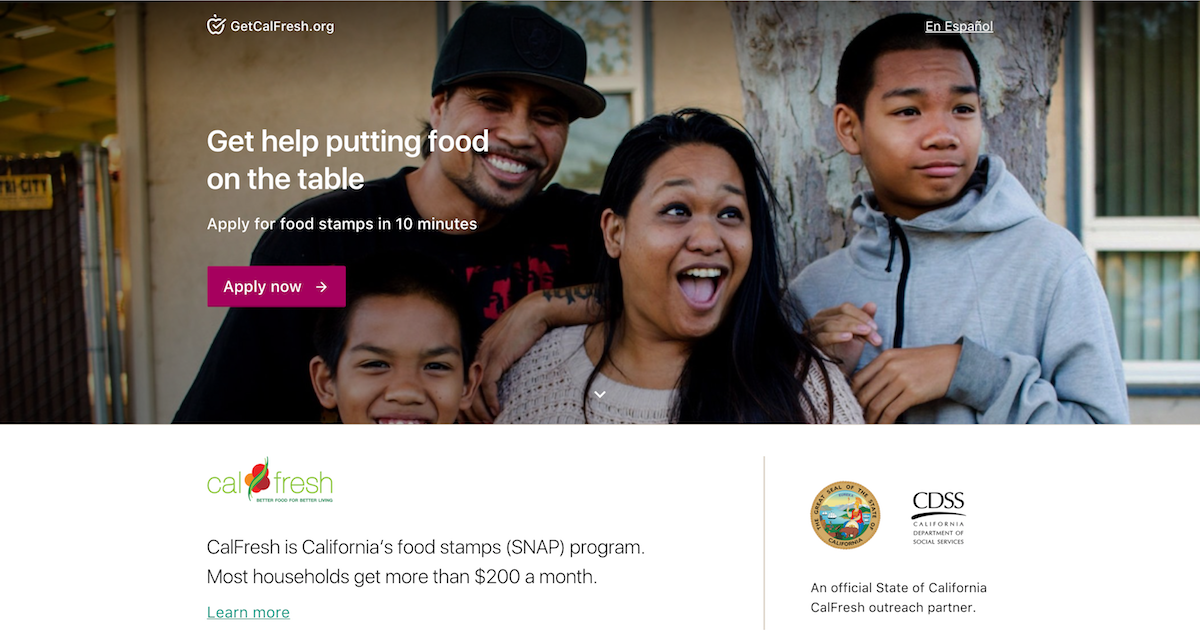
Understanding CalFresh in the Golden State’s Lifestyle
Living in California can be an exhilarating experience, but it often comes with a hefty price tag. Whether you’re a long-term resident, a student pursuing higher education in cities like Berkeley or Davis, or someone considering a move to areas known for their innovation like Silicon Valley, the cost of daily necessities, particularly food, can quickly add up. This is where CalFresh steps in, providing a critical safety net that helps ensure individuals and families have access to nutritious food, allowing them to allocate their limited funds to other essential aspects of life, such as housing, transportation, or even budget-friendly local activities and attractions. Understanding who qualifies for this program and how it integrates into the broader California lifestyle is the first step toward securing this valuable support.
Who is CalFresh For? Eligibility at a Glance
Eligibility for CalFresh is primarily determined by household income, expenses, and a few other key factors. It’s designed to help low-income individuals and families purchase healthy food. To qualify, applicants must meet specific criteria, which typically include:
- Residency: You must be a resident of California. This is crucial for anyone new to the state or planning an extended stay, as temporary visitors generally do not qualify.
- Citizenship/Immigration Status: Most eligible individuals are U.S. citizens or legal permanent residents. There are specific rules for non-citizens, so it’s important to check the precise requirements.
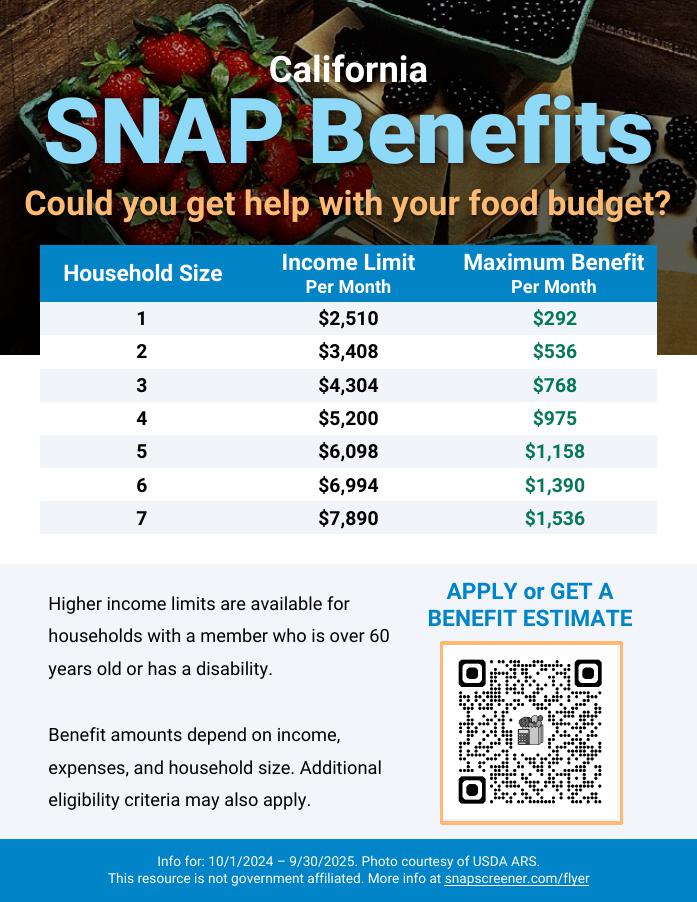
- Income Limits: Your household’s gross and net income must be below certain thresholds, which vary based on household size. For instance, a single individual will have a different income limit than a family of four. These limits are updated annually and are generally based on the federal poverty level.
- Household Composition: The program considers everyone who lives and buys/prepares food together as a single household. This includes spouses, children under 22, and sometimes unrelated individuals.
- Assets: While some programs have strict asset limits, CalFresh in California has generally eliminated most asset tests for the majority of households, making it more accessible.
Specific groups often targeted for CalFresh assistance include families with children, seniors, individuals with disabilities, and even eligible college students. For students, there are particular exemptions, such as working a certain number of hours, participating in specific programs, or having dependents. Understanding these nuances is key to determining if you or your household is eligible. Resources are available through county social services offices and community organizations to help clarify these requirements.
Beyond Basic Needs: How CalFresh Supports California Living
While the primary goal of CalFresh is to combat food insecurity, its impact extends far beyond just putting food on the table. In a state where housing costs can be exorbitant, particularly in metropolitan areas like Oakland, San Jose, or Santa Monica, receiving assistance for groceries can free up significant portions of a household’s budget. This flexibility can be a game-changer, allowing families to allocate funds towards rent, utilities, childcare, or even public transportation to access work or tourist attractions like the Golden Gate Bridge or the Santa Monica Pier.
For those embracing a budget travel or long-term stay lifestyle in California, CalFresh can significantly reduce the financial strain, making it possible to experience more of the local culture and offerings. Imagine being able to enjoy local produce from a farmer’s market in Sacramento or fresh seafood in Monterey, knowing that your essential grocery needs are supported. This not only promotes healthier eating habits but also allows for greater participation in community life. It underscores how foundational support, like access to nutritious food, underpins one’s ability to truly live and thrive, rather than just survive, in an otherwise expensive state. Whether it’s the ability to save for a security deposit on an apartment in Riverside or to enjoy a day trip to Yosemite National Park without worrying about the next meal, CalFresh plays a silent yet crucial role in fostering a more accessible California lifestyle.
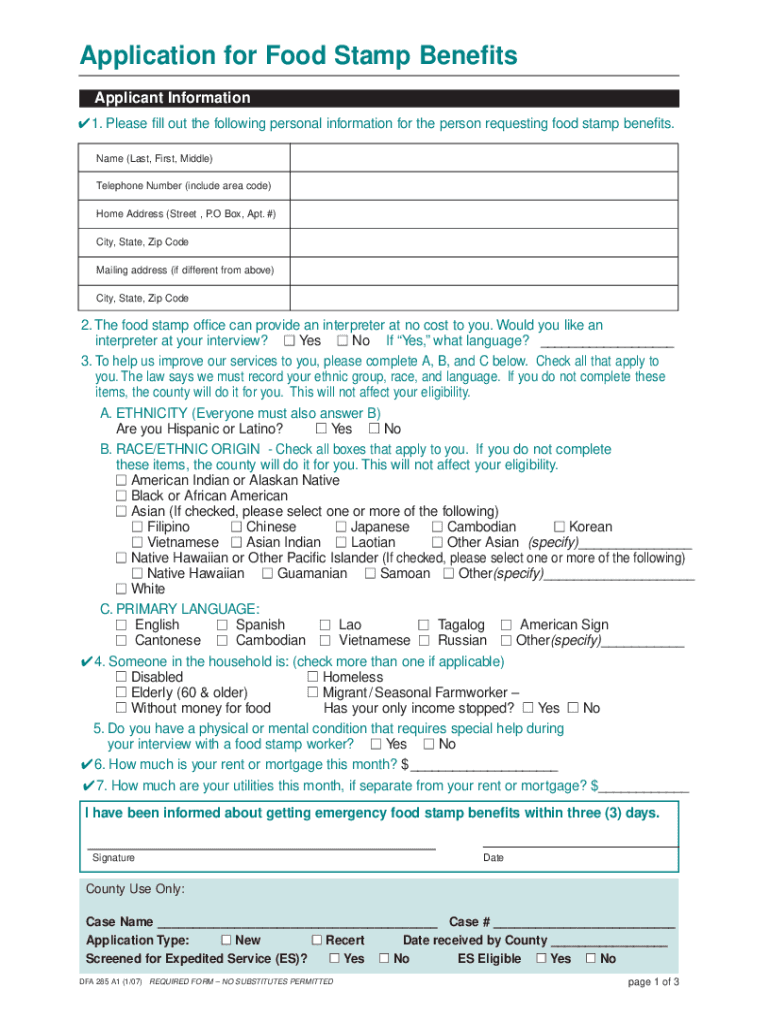
The Application Process: Navigating Support in California
Applying for any government assistance program can seem daunting, but the state of California has streamlined the CalFresh application process to make it as accessible as possible. For residents, or those planning a significant relocation, understanding each step is vital to successfully securing benefits. The journey typically involves submitting an application, participating in an interview, and providing necessary documentation. Fortunately, numerous resources are available to guide applicants through this process, ensuring that help is always within reach. Whether you’re a new resident setting up a life in Orange County or a family striving to make ends meet in the Central Valley, navigating the application correctly is your gateway to food security.
Step-by-Step Guide to Applying for CalFresh
The CalFresh application process is designed to be user-friendly, with multiple avenues for submission:
-
Start Your Application:
- Online: The most common and often quickest way to apply is through BenefitsCal.com. This online portal allows you to apply for CalFresh and other benefits like Medi-Cal and CalWORKs from the comfort of your home. It’s accessible 24/7, making it convenient for individuals with varying schedules.
- In-Person: You can also apply in person at your local county social services agency. Each of California’s 58 counties has an office where you can pick up an application, receive assistance filling it out, and submit it directly. This option is particularly helpful for those who prefer face-to-face interaction or need immediate assistance with questions.
- Mail/Fax: Applications can be printed from the BenefitsCal.com website or obtained from a county office, filled out, and then mailed or faxed to your local social services agency.
-
Gather Required Documents: Once your application is submitted, you will typically need to provide documentation to verify the information you’ve provided. This may include:
- Proof of Identity: Such as a driver’s license, state ID, or passport.
- Proof of Residency: Utility bills, rental agreement, or mail showing your California address.
- Proof of Income: Pay stubs, employer statements, or award letters for other benefits.
- Proof of Expenses: Rent or mortgage statements, utility bills, and medical expenses (for elderly or disabled individuals).
- Proof of Citizenship/Immigration Status: Birth certificate, U.S. passport, or immigration documents.
-
The Interview: After submitting your application and initial documents, a county worker will schedule an interview. This can often be done over the phone, but in-person interviews are also an option. The purpose of the interview is to clarify information on your application, answer any questions you might have, and discuss your household’s specific circumstances.
-
Decision and Benefits: Following the interview and submission of all necessary documents, the county has a set timeframe (typically 30 days) to determine your eligibility and issue a decision. If approved, you will receive an Electronic Benefit Transfer (EBT) card, which functions like a debit card, loaded with your monthly CalFresh benefits.
Maximizing Your CalFresh Benefits and Understanding EBT
Receiving your CalFresh benefits is a significant step towards food security, but understanding how to use them effectively is equally important. Your benefits are loaded onto an EBT card, which is accepted at most grocery stores, supermarkets, and even some farmer’s markets across California.
- What You Can Buy: CalFresh benefits are specifically for food items. This includes fruits, vegetables, meat, poultry, fish, dairy products, breads, cereals, and even seeds and plants that produce food for the household.
- What You Cannot Buy: You cannot use CalFresh to purchase non-food items like alcohol, tobacco, pet food, cleaning supplies, paper products, toiletries, vitamins, or hot prepared foods (though there are exceptions for elderly, disabled, or homeless individuals in authorized restaurants).
- Where to Use Your EBT Card: Look for stores displaying the Quest logo or “EBT accepted here” signs. Major chains like Safeway, Ralphs, Vons, and Walmart, as well as many smaller grocers and farmers’ markets, accept EBT. Using your EBT card at local farmers’ markets in places like San Jose or Santa Barbara can be a fantastic way to access fresh, local produce and support community agriculture.
- Managing Your Benefits: It’s essential to keep track of your balance. You can typically check your balance online through the BenefitsCal.com portal, by calling a toll-free number, or by checking your receipt after a purchase. Remember to report any changes in your household income, expenses, or composition to your county social services agency promptly, as these changes can affect your benefit amount. Timely reporting ensures you receive the correct amount of assistance and avoids potential issues.
CalFresh and the California Experience: A Broader Perspective
Integrating into the California lifestyle, whether for a long-term stay or as a permanent resident, involves more than just finding accommodation and employment; it’s about establishing a sustainable way of life. For many, this includes carefully managing finances to enjoy the rich cultural tapestry and natural wonders that the state offers. CalFresh plays a pivotal role in this broader picture, not just as a safety net but as a foundational support that enables individuals and families to explore, learn, and engage with their surroundings more fully. It embodies a principle of equitable access, ensuring that even those on tight budgets can participate in the California dream.
Living Affordably: Combining CalFresh with Budget-Friendly Exploration
The allure of California often comes with the perception of unaffordability, yet the state is also replete with countless free and low-cost attractions and activities. By securing food assistance through CalFresh, individuals and families can free up funds that would otherwise be spent on groceries, allowing them to explore these budget-friendly options. Imagine having the financial breathing room to pack a picnic lunch, made possible by your CalFresh benefits, and spend a day at a beautiful state beach like Malibu or Laguna Beach, without the added stress of food costs.
This financial relief can also open doors to educational and recreational experiences. Many museums in cities like San Francisco or Los Angeles offer free admission days or reduced rates. Public parks, hiking trails in destinations such as Joshua Tree National Park, and the scenic beauty of areas like Lake Tahoe or Napa Valley are often accessible at minimal to no cost. Even iconic landmarks like the Hollywood Sign or Alcatraz Island (requiring ferry tickets) become more attainable when daily expenses are managed.
For those seeking to live more permanently in California, understanding the blend of financial assistance and budget-conscious living is paramount. While major metropolitan hubs like Beverly Hills or West Hollywood might seem out of reach, areas like the Central Valley (e.g., Fresno, Bakersfield) or parts of Northern California away from the immediate Bay Area offer a lower cost of living, potentially making a sustainable lifestyle more feasible, especially when supplemented by programs like CalFresh. This strategic approach to living allows individuals to participate in the broader California experience without sacrificing basic needs.
Resources and Support for Newcomers and Residents
Navigating the complexities of a new state or a challenging financial situation requires a robust support network. Fortunately, California provides numerous resources beyond just the CalFresh program itself. For newcomers, understanding these support systems can be as important as finding suitable accommodation or employment.
- County Social Services Agencies: These are the primary points of contact for CalFresh and other state benefits. They offer comprehensive information, application assistance, and often referrals to other local services.
- Non-Profit Organizations: Many community-based organizations throughout California specialize in assisting low-income individuals and families. Groups like local food banks (e.g., the Los Angeles Regional Food Bank or San Francisco-Marin Food Bank), legal aid societies, and immigrant rights organizations often provide free application assistance, language support, and guidance on various benefit programs.
- Community Centers: These local hubs frequently host workshops on applying for benefits, provide access to computers for online applications, and serve as gathering points for information and peer support.
- Shelters and Housing Assistance Programs: For those facing homelessness, specific programs and shelters can help access CalFresh and other vital services, often providing streamlined application processes.
- Health Clinics and Schools: Many public health clinics and school districts also have staff who can assist families with applying for CalFresh, recognizing the direct link between nutrition and overall well-being and academic performance.
These resources ensure that the application process is not just a bureaucratic hurdle but a supported journey towards greater stability. Leveraging these services can make a significant difference in how one experiences and thrives in the diverse and dynamic environment of California, transforming potential struggles into opportunities for a more secure and fulfilling lifestyle.
In conclusion, while California shines as a beacon of opportunity and adventure, the practicalities of living there, particularly the cost of essentials, cannot be overlooked. For those navigating economic challenges, CalFresh stands as a critical pillar of support, ensuring access to nutritious food and providing the flexibility to engage more fully with the state’s vibrant lifestyle and myriad attractions. Understanding the eligibility criteria, meticulously following the application steps, and actively utilizing available resources are key to unlocking these benefits. By doing so, individuals and families can secure their nutritional needs, free up funds for other life necessities, and ultimately, embrace a more sustainable and enriching California experience. Whether you dream of visiting Disneyland Resort or simply enjoying the tranquil beauty of a local park, the foundation of food security provided by CalFresh can make those aspirations more attainable, truly embodying the spirit of the Golden State for all its residents.
LifeOutOfTheBox is a participant in the Amazon Services LLC Associates Program, an affiliate advertising program designed to provide a means for sites to earn advertising fees by advertising and linking to Amazon.com. Amazon, the Amazon logo, AmazonSupply, and the AmazonSupply logo are trademarks of Amazon.com, Inc. or its affiliates. As an Amazon Associate we earn affiliate commissions from qualifying purchases.