
Florida, often celebrated as the Sunshine State, beckons millions with its pristine beaches, vibrant cities, and world-class attractions. From the enchanting theme parks of Orlando to the dynamic cultural landscape of Miami and the historic charm of St. Augustine, it offers an unparalleled lifestyle. While many associate Florida with luxury resorts, adventurous travel, and endless vacation opportunities, the reality for a significant portion of its residents involves navigating the complexities of daily living, including ensuring access to basic necessities. Even in a state synonymous with leisure and tourism, economic challenges can arise, making essential support programs invaluable.
One such critical program is the Supplemental Nutrition Assistance Program, universally known as SNAP or “food stamps.” Designed to assist low-income individuals and families in purchasing healthy food, SNAP plays a pivotal role in fostering food security and supporting the overall well-being of Florida’s diverse population. For those who call Florida home – whether they’ve been here for generations or have recently relocated to experience the state’s unique lifestyle – understanding how to access these benefits can be a cornerstone of financial stability. This comprehensive guide will walk you through the process of applying for food stamps in Florida, demystifying the requirements and steps, and offering insights into how this crucial program supports the fabric of life in the Sunshine State.
Understanding Florida’s SNAP Program: A Foundation for Stability
For many, the idea of applying for public assistance might feel daunting or even contradictory to the image of Florida as a land of opportunity and prosperity. However, economic realities are complex, and even in a state with booming tourism and a growing economy, circumstances can lead to financial hardship. Programs like SNAP are not merely safety nets; they are vital community resources that ensure residents can meet their most fundamental needs, allowing them to contribute more effectively to society and enjoy the quality of life that Florida strives to offer. By alleviating the burden of food costs, SNAP empowers individuals and families to focus on other aspects of their lives, such as education, employment, and community engagement, ultimately strengthening the state’s overall lifestyle and economy.
Who Qualifies? Demystifying Eligibility Requirements
Eligibility for SNAP benefits in Florida is determined by several factors, primarily focusing on household income, resources, and composition. The program aims to serve those who truly need assistance, so strict guidelines are in place. Understanding these criteria is the first step toward a successful application.
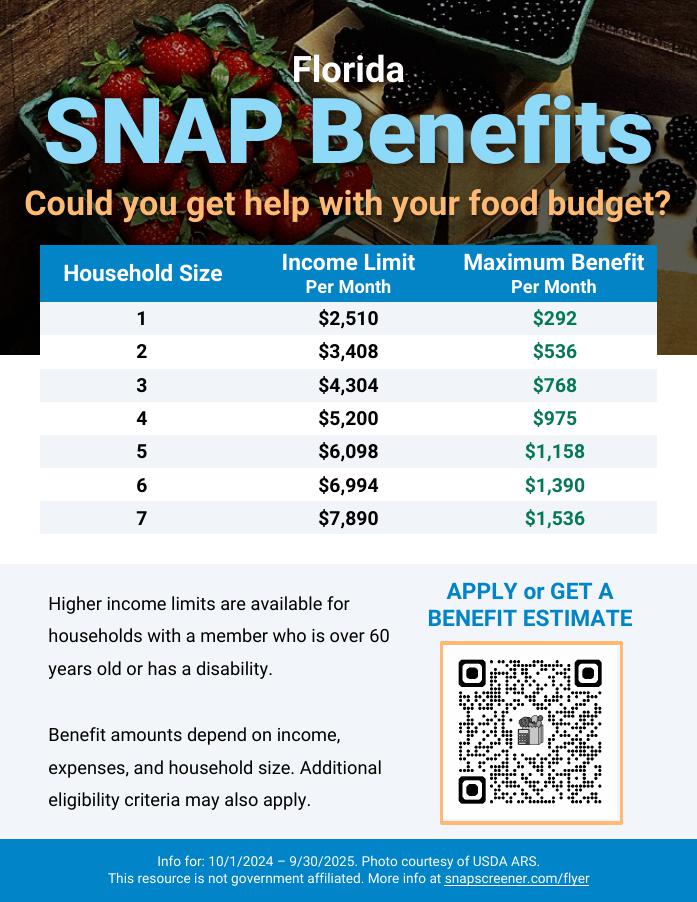
- Income Thresholds: The most significant factor is your household’s gross and net monthly income. Generally, households must have a gross monthly income (before deductions) at or below 130% of the Federal Poverty Level (FPL) and a net monthly income (after allowed deductions) at or below 100% of the FPL. These specific figures change annually, so it’s essential to check the most current guidelines. Certain deductions, such as housing costs, utility expenses, medical expenses for the elderly or disabled, and childcare costs, can help reduce a household’s net income, potentially qualifying more families.
- Residency and Citizenship Status: To apply for SNAP in Florida, you must be a resident of the state. Additionally, applicants must be U.S. citizens or eligible non-citizens (such as lawful permanent residents, refugees, or asylum seekers). Undocumented immigrants are not eligible for SNAP benefits.
- Household Composition and Resources: A “household” for SNAP purposes includes all individuals who live together and customarily purchase and prepare food together. Most households without an elderly (age 60+) or disabled member must have countable resources (like bank accounts) below $2,750. Households with an elderly or disabled member may have resources up to $4,250. Certain assets, such as your home and lot, and most retirement or education accounts, are typically exempt.
- Work Requirements and Exemptions: Most able-bodied adults without dependents (ABAWDs) between 18 and 50 years old are subject to work requirements. This generally means they must work or participate in a work program for at least 20 hours per week. However, there are numerous exemptions, including caring for a child, attending school, or being unable to work due to a disability.
What You’ll Need: Essential Documents for Your Application
Once you’ve determined your potential eligibility, gathering the necessary documentation is crucial. Having these documents ready before you apply can significantly streamline the process and prevent delays.
- Proof of Identity and Residency: You’ll need to prove who you are and that you live in Florida. Acceptable documents include a driver’s license, state ID, passport, or birth certificate. For residency, utility bills, a rental agreement, or mail with your current address will suffice.
- Income Verification: This includes documentation for all sources of income for every household member. Examples are recent pay stubs, letters from employers, self-employment records, pension statements, Social Security benefit letters, unemployment compensation records, or child support payments.
- Asset Information: Provide statements for all bank accounts (checking, savings), certificates of deposit, and any other countable resources.
- Expense Documentation: Documents that can help reduce your countable income include rent or mortgage statements, utility bills (electricity, water, gas), medical bills for elderly or disabled household members, and childcare receipts.
- Social Security Numbers: You will need the Social Security Number (SSN) for every member of your household applying for benefits.
Navigating the Application Process: Your Path to Food Security
Applying for SNAP in Florida involves several steps, but the state has made efforts to make the process as accessible as possible. The primary agency responsible for administering SNAP and other public assistance programs is the Florida Department of Children and Families (DCF). They manage the state’s centralized system, known as ACCESS Florida.
Step-by-Step: Where and How to Apply
The application process offers flexibility, allowing individuals to choose the method most convenient for them.
- Online via ACCESS Florida (MyFLFamilies Portal): This is often the quickest and most efficient way to apply. You can visit the official MyFLFamilies website (www.myflfamilies.com/service-programs/access-florida) to create an account and submit your application electronically. The online portal guides you through each section, allowing you to upload digital copies of your supporting documents. This method is particularly convenient for those who might be balancing work, family, or travel within Florida, as it can be completed from anywhere with internet access.
- In-Person at a DCF Service Center: If you prefer face-to-face interaction or need assistance with your application, you can visit a local DCF Service Center. These centers are located throughout the state, including major cities like Tampa, Jacksonville, and Tallahassee. Staff members are available to help answer questions, provide forms, and guide you through the submission process. It’s advisable to call ahead or check the website for office hours and any specific requirements before visiting.
- Via Mail or Fax: You can also request an application form by mail or download one from the MyFLFamilies website. Once completed, you can mail or fax the application along with copies of your supporting documents to the designated DCF office. Be sure to keep copies of everything you send for your records.
The Interview and Verification Stages

After submitting your application, there are two critical stages: the interview and verification.
- Purpose of the Interview: Most SNAP applicants are required to complete an interview with a DCF caseworker. This interview can typically be conducted over the phone, though in-person interviews are sometimes available. The purpose of the interview is to review your application, clarify any information, and ensure you understand your rights and responsibilities as a SNAP recipient. It’s a chance to confirm the details you’ve provided and ask any lingering questions.
- Required Verification: During or after the interview, the caseworker will inform you of any additional documentation needed to verify your eligibility. This could include verifying income, residency, or household members. It’s essential to submit these requested documents promptly. Failure to provide all necessary verification can lead to delays or denial of benefits.
- Timeline for Decisions: Florida DCF aims to process SNAP applications and issue a decision within 30 days of receiving a complete application. In emergency situations (very low income and minimal liquid assets), households may be eligible for “expedited” SNAP benefits within seven days.
Receiving and Maximizing Your SNAP Benefits in the Sunshine State
Once approved, receiving your SNAP benefits is a straightforward process designed to integrate seamlessly into your daily life. This vital support can significantly impact a household’s budget, allowing more funds to be allocated to other essential aspects of Florida living, such as housing, transportation, or even occasionally enjoying the state’s more affordable attractions and natural beauty.
Your EBT Card: A Key to Nutritional Support
Approved applicants receive an Electronic Benefits Transfer, or EBT card, which functions much like a debit card.
- How it Works: Your EBT card is loaded with your monthly SNAP benefits. You’ll receive a Personal Identification Number (PIN) to use with the card. When shopping at authorized grocery stores, farmers’ markets, and some online retailers, you swipe your EBT card at the checkout, enter your PIN, and the cost of eligible food items is deducted from your balance.
- What You Can Buy: SNAP benefits are intended for purchasing food items for the household. This includes fruits, vegetables, meat, poultry, fish, dairy products, breads, cereals, and snack foods. It also covers seeds and plants that produce food for the household to eat.
- Restrictions: It’s important to note that SNAP benefits cannot be used to buy non-food items like alcohol, tobacco, vitamins, medicines, pet food, household supplies, or cosmetics. Additionally, hot foods prepared for immediate consumption, such as rotisserie chicken from a deli or restaurant meals, are generally not eligible, although some states have programs for the homeless, elderly, or disabled to purchase prepared meals. In Florida, these exceptions are limited, so always assume hot foods are excluded.
Maintaining Eligibility and Managing Changes
Receiving SNAP benefits is not a one-time event; it requires ongoing communication and cooperation with DCF.
- Reporting Changes: You are required to report changes in your household’s circumstances that could affect your eligibility or benefit amount. This includes changes in income, household size (e.g., someone moves in or out), residency, or assets. Report these changes within 10 days of them occurring. Prompt reporting helps ensure you receive the correct amount of benefits and avoid potential overpayments.
- Recertification Process: SNAP benefits are not indefinite. Periodically, usually every 6 to 12 months, you will need to “recertify” for benefits. This involves completing a new application and potentially a new interview to confirm your continued eligibility. DCF will send you a notice when it’s time to recertify.
- Understanding Your Rights and Responsibilities: As a SNAP recipient, you have certain rights, such as the right to a fair hearing if you disagree with a DCF decision. You also have responsibilities, including providing accurate information and using your benefits appropriately. Familiarizing yourself with these ensures a smooth experience.
For many Florida residents, managing a budget effectively allows them to enjoy the state’s unique lifestyle, even on limited resources. With food security addressed, families can explore Florida’s numerous free parks, beautiful beaches like South Beach in Miami, or community events without the added stress of where their next meal will come from. This freedom contributes to a richer, more balanced life, underscoring how fundamental support can empower individuals to engage more fully with their surroundings.
Beyond SNAP: Holistic Support for Florida Residents
While SNAP is a cornerstone of food assistance, it is often just one piece of a broader mosaic of support available to Florida residents. A holistic approach to well-being and stability acknowledges that financial challenges are often interconnected, and accessing multiple resources can provide a more robust safety net. For individuals and families aspiring to thrive in Florida’s dynamic environment, knowing about these complementary programs is invaluable.
Leveraging Additional Resources and Community Programs
- Food Banks and Pantries: Beyond government programs, a vast network of non-profit food banks and local food pantries operates across Florida. Organizations like Feeding Florida, a statewide network of food banks, work tirelessly to distribute food to those in need. These resources can supplement SNAP benefits and often provide fresh produce and other essentials not always accessible. Local churches, community centers, and non-profits in cities from Fort Lauderdale to Gainesville also run regular food distribution programs.
- WIC Program: The Special Supplemental Nutrition Program for Women, Infants, and Children (WIC) provides nutritious foods, nutrition education, and breastfeeding support to pregnant women, new mothers, infants, and young children up to age five. WIC works in conjunction with SNAP to ensure the nutritional needs of vulnerable populations are met during critical developmental stages.
- Medicaid and Other Assistance Programs: Florida’s ACCESS Florida system allows applicants to apply for multiple benefits simultaneously, including Medicaid (health care assistance), Temporary Cash Assistance (TCA), and Low Income Home Energy Assistance Program (LIHEAP) for utility bill support. Addressing health, housing, and energy needs alongside food security provides a more comprehensive approach to stability.
- Job Training and Employment Services: For those seeking long-term stability and career growth, Florida offers various job training and employment services. These programs, often supported by state and local agencies, help individuals develop new skills, find suitable employment, and ultimately reduce their reliance on public assistance. Many DCF offices can connect applicants with these resources. For instance, career centers across the state provide assistance with resume building, interview skills, and job placement.
In a state like Florida, where tourism and hospitality are central to the economy, a stable and healthy local population is essential. Programs like SNAP and the broader network of support services contribute to this stability by ensuring that residents can meet their basic needs. This, in turn, allows them to be active participants in their communities, contribute to the workforce, and, yes, even enjoy the very lifestyle and natural beauty that draws so many to Florida in the first place. Whether it’s a visit to Everglades National Park or a stroll along the historic streets of Key West, having fundamental needs met allows for the pursuit of a richer, more engaged life.
Applying for food stamps in Florida is a direct pathway to ensuring food security for individuals and families facing economic challenges. While the process requires attention to detail and adherence to specific guidelines, the resources and support systems are in place to assist. Understanding eligibility, gathering necessary documents, and navigating the application and recertification processes are crucial steps. By leveraging SNAP and other available community resources, Florida residents can build a foundation of stability, allowing them to focus on thriving within the vibrant and diverse communities that make the Sunshine State a truly unique place to live and visit. Seeking assistance is a sign of resilience, and these programs are designed to uplift and support, embodying the spirit of community that underpins all aspects of life in Florida.