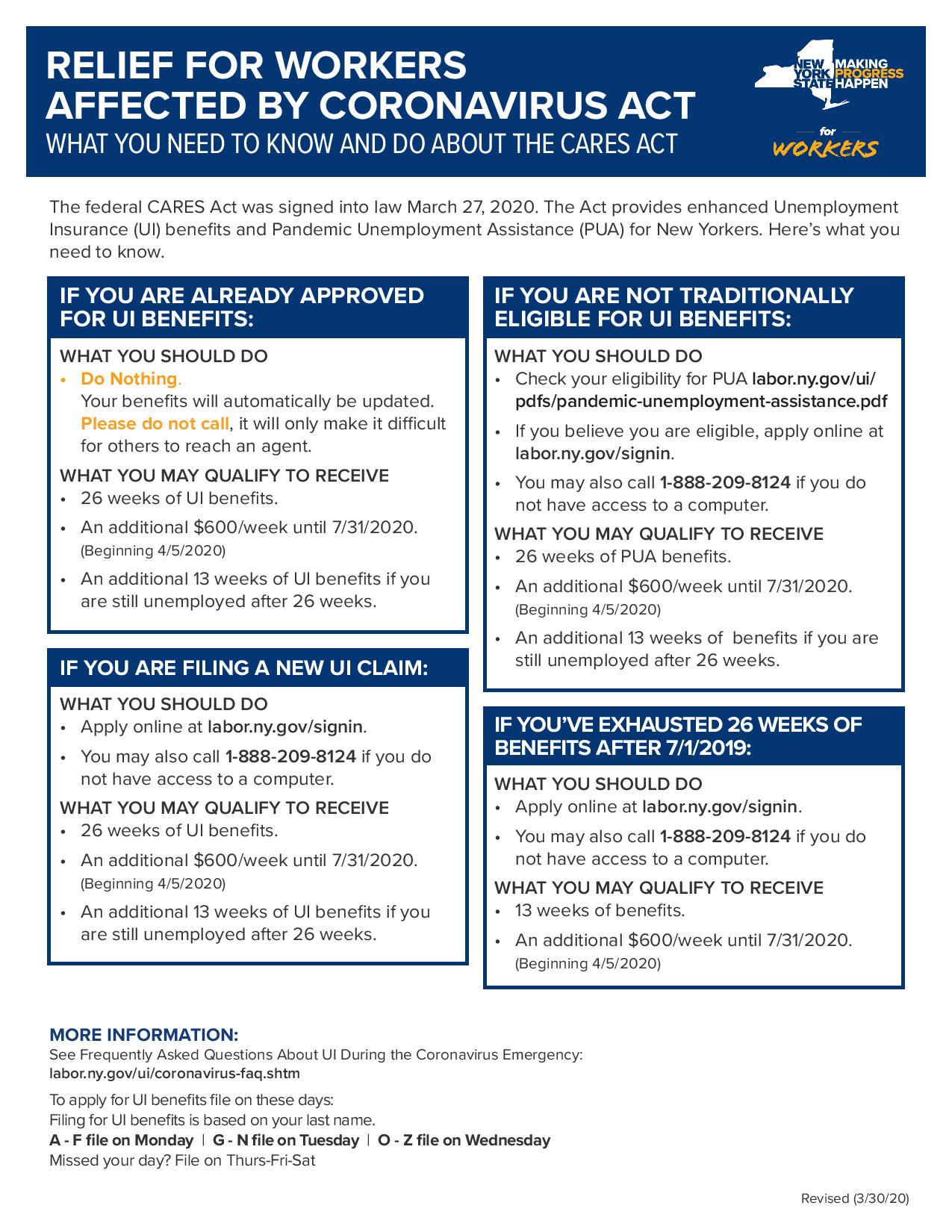
New York – a city of dreams, a hub of culture, and a magnet for travelers and professionals alike. From the glittering lights of Broadway to the serene pathways of Central Park, the Empire State offers an unparalleled lifestyle. However, even in such a vibrant and bustling environment, economic shifts and unforeseen circumstances can lead to job loss. For those who’ve embraced the dynamic work opportunities New York offers, perhaps in its world-renowned hospitality sector, its diverse tourism industry, or any of its myriad businesses, understanding how to apply for unemployment benefits is a crucial safety net.
This guide aims to demystify the unemployment insurance application process in New York State, offering clarity for both long-term residents and those who may have temporarily worked here, perhaps between travel adventures or during an extended stay. We’ll explore not only the procedural steps but also how this vital support can impact your lifestyle, accommodation choices, and even future travel plans, ensuring you can navigate this transitional period with confidence and maintain your zest for exploration. Whether you’re considering a stay at a luxurious Manhattan hotel, exploring the vibrant neighborhoods of Brooklyn and Queens, or simply enjoying the myriad of free attractions, understanding your financial safety net is key to a secure and fulfilling experience in New York.
Understanding Your Eligibility for New York Unemployment Benefits
Facing job loss can be daunting, but New York State’s unemployment insurance program is designed to provide temporary financial assistance. Before diving into the application, it’s essential to understand if you meet the eligibility criteria. These requirements ensure that the benefits reach those genuinely in need and actively seeking re-employment.
Core Eligibility Criteria
To qualify for unemployment benefits in New York, you must generally meet the following conditions:
- Work and Wages Requirement: You must have worked in New York State and earned enough wages during a specific “base period.” The standard base period is the first four of the last five completed calendar quarters before you file your claim. During this period, you must have earned wages in at least two calendar quarters, and your total wages must meet a minimum threshold. This ensures that the program supports individuals with a genuine attachment to the state’s workforce.
- Unemployment Through No Fault of Your Own: This is a crucial aspect. You must be unemployed due to circumstances beyond your control, such as a layoff, a reduction in force, or your employer going out of business. If you voluntarily quit your job without good cause (e.g., a hostile work environment or significant change in working conditions) or were fired for misconduct, you might be disqualified from receiving benefits. This distinction is vital for anyone who has worked in New York’s dynamic job market, from front desk staff at boutique hotels to tour guides leading excursions around Times Square.
- Availability and Search for Work: You must be ready, willing, and able to work immediately. This means you are physically and mentally capable of accepting suitable employment. Furthermore, you must actively look for work each week you claim benefits. This commitment to finding a new role is fundamental to the program’s philosophy. The New York State Department of Labor (NYSDOL) often provides resources and tools to aid in your job search, connecting you with opportunities across various sectors, including those related to travel and hospitality.
Special Considerations for Diverse Lifestyles and Transient Work
New York attracts a global workforce, including expats, digital nomads, and individuals who might work in seasonal industries or on temporary contracts. For this group, eligibility can have specific nuances:
- Temporary or Seasonal Work: If you worked a seasonal job, perhaps at a resort in the Hamptons or during the busy holiday tourism season in New York City, and your employment ended as expected, you are generally eligible as long as you meet the wage and availability requirements.
- Interstate Claims: If you live outside New York State but worked in New York, or vice versa, you might need to file an interstate claim. The general rule is to file where you performed the work. This is particularly relevant for those who might have moved for work opportunities or who split their time between different states within the United States.
- Non-Citizens: Your eligibility can depend on your immigration status and work authorization. Generally, you must have been legally authorized to work in the United States during the period you earned wages and at the time you apply for benefits. It’s always best to consult the NYSDOL directly for specific guidance relating to your individual immigration status.
Understanding these criteria is the first step towards securing financial stability during a transition, allowing you to focus on your next career move or, perhaps, explore local attractions on a budget while you search for new opportunities.
The Application Process: Your Digital Pathway to Support
Once you’ve confirmed your eligibility, the next step is to actually file your claim. The New York State Department of Labor has streamlined this process, with online application being the most efficient method. This digital approach aligns perfectly with the lifestyle of many modern travelers and professionals, allowing for flexibility and quick access from anywhere with an internet connection.
Gathering Your Essential Documents
Before you start your application, gather the following information and documents. Having these at hand will make the process much smoother and faster:
- Social Security Number: Your primary identification for the unemployment system.
- New York State Driver’s License or Motor Vehicle ID Card Number: If you have one.
- Mailing Address and Phone Number: Essential for communication from the NYSDOL. For those considering temporary accommodation options, such as an extended-stay hotel or a short-term rental in Queens or Bronx, ensuring a stable mailing address is crucial for receiving important documents.
- Alien Registration Card Number (if not a U.S. citizen): Required for verifying your work authorization.
- Names and Addresses of All Your Employers for the Last 18 Months: This includes employer Federal Employer Identification Numbers (FEINs), if you have them, which are typically found on W-2 forms.
- Your Employer’s Registration Number (if applicable): Some employers provide this.
- Start and End Dates of Your Employment: For each employer during the 18-month period.
- Reason for Separation: For each employer (e.g., laid off, quit, discharged).
- Your Bank Name, Account Number, and Routing Number: For direct deposit of benefits, which is the fastest and most secure way to receive payments.
- Pension or Annuity Information: If you are receiving or will receive a pension or annuity.
How to File Your Claim
The NYSDOL offers two primary methods for filing your initial claim:
- Online: This is the recommended method. The NYSDOL website provides a user-friendly portal that allows you to file your claim at your convenience, typically available 24/7. Filing online generally leads to faster processing. This convenience is particularly beneficial for those balancing job searching with lifestyle adjustments, or even for someone temporarily staying in a different part of New York, such as Staten Island, and needing easy access to government services.
- By Phone: If you don’t have internet access, or require assistance, you can call the automated telephone filing system. While effective, it might involve longer wait times, especially during periods of high claim volume. The telephone numbers and hours of operation are available on the NYSDOL website.
When to File: It’s critical to file your claim immediately after you become unemployed. Delays in filing can result in delays in receiving benefits. The effective date of your claim is generally the Monday of the week in which you filed.
Navigating the Waiting Period and Benefit Determination
After you file your initial claim, there are a few more steps and processes before benefits begin:
- The Waiting Week: New York State imposes an unpaid waiting week. This means that for the first full week you are eligible for benefits, you will not be paid. However, you must still certify your eligibility for that week.
- Benefit Rate Calculation: Your weekly benefit amount is determined based on your earnings during your base period. The NYSDOL calculates your average weekly wage from the highest-earning quarters in your base period. There are minimum and maximum weekly benefit amounts established by law.
- Weekly Certification: Once your claim is established, you must certify for benefits each week. This involves answering a series of questions about your availability for work, any work you performed, and any income you earned during that week. This can be done online or by phone. It’s crucial to be truthful and accurate in your weekly certifications, as any misrepresentation can lead to penalties and repayment obligations. For those who enjoy travel, remember that weekly certification still needs to be completed, even if you are out of state or in a different time zone.
Understanding and meticulously following these steps will significantly ease your transition and ensure you receive the support you’re entitled to during your job search.
Lifestyle & Travel While Receiving Unemployment Benefits in New York
Unemployment doesn’t mean your life has to come to a standstill, especially not in a city as vibrant as New York. However, it does necessitate careful planning and adherence to specific rules, particularly concerning your lifestyle choices and any travel aspirations. The core principle of unemployment benefits is to support you while you are actively seeking new employment, which inherently places certain conditions on your activities.
Can You Travel While Unemployed?
This is one of the most common questions for individuals who cherish travel and exploration. The short answer is yes, but with significant caveats:
- Availability for Work: The most critical rule is that you must be “ready, willing, and able to work” and “actively seeking work” during any week you claim benefits. If you travel, you must still be genuinely available to accept suitable employment if offered. This means you should be able to attend interviews, start a job, or respond to job offers within a reasonable timeframe, typically the same week.
- Impact of Leaving New York State or the United States:
- Within the United States: If you travel outside New York State but remain within the United States, you can still claim benefits as long as you meet the “available for work” and “actively seeking work” requirements. However, you must inform the NYSDOL of your change of address and any potential impact on your job search efforts.
- Outside the United States: Generally, if you are outside the United States, you are considered unavailable for work in New York and typically cannot receive benefits. There might be very limited exceptions, such as active military duty for a short period, but for general leisure or extended travel, benefits will likely be suspended. This means that a spontaneous trip to Paris or Rome would likely put your benefits on hold.
- Weekly Certification: Regardless of your location, you must complete your weekly certification honestly and on time. If you travel, ensure you have reliable internet access or phone service to do this. Be prepared to explain how you were actively seeking work and available for employment during your travel period, should the NYSDOL inquire. Misrepresenting your availability or work search can lead to serious penalties, including repayment of benefits and fines.
Budgeting for a New Chapter: Lifestyle Adjustments
Unemployment often necessitates a shift in financial priorities, transforming a potentially luxurious lifestyle into one focused on budget-conscious choices. This period can, however, open doors to new ways of experiencing New York and beyond.
- From Luxury to Budget-Friendly Exploration: Instead of booking a five-star suite in a Grand Hyatt Hotel or dining at Michelin-starred restaurants, this might be the time to explore New York’s incredible free attractions. Walk across the Brooklyn Bridge, visit the Staten Island Ferry for iconic views of the Statue of Liberty, or spend an afternoon at the Metropolitan Museum of Art (which often suggests a donation rather than a fixed entry fee for New York State residents). Many cultural institutions offer free admission days or evenings.
- Accommodation Alternatives: If your current accommodation is tied to your previous employment or is simply too expensive, consider more budget-friendly options. This could range from shared apartments, extended-stay hotels with kitchenettes (which help save on dining out), or even hostels in areas like Lower Manhattan or Brooklyn for short transitional periods. This phase can teach valuable lessons in optimizing your living expenses without sacrificing the joy of being in New York.
- Embracing Local Tourism: Explore your immediate surroundings. Discover hidden gems in your neighborhood, try local eateries that are more affordable, or join free walking tours. New York is a treasure trove of experiences, many of which require little to no spending. This period can foster a deeper appreciation for the local culture and community that might have been overlooked during a busy working life.
Exploring Work Opportunities While Receiving Benefits
It’s common to look for part-time or temporary work while receiving unemployment benefits. This is generally permissible, but strict reporting rules apply:
- Reporting All Earnings: Any income you earn, regardless of how small or how you are paid (cash, check, direct deposit), must be reported to the NYSDOL during your weekly certification.
- Impact on Benefits: Your weekly benefit amount will be reduced by a certain percentage of your earnings. In New York, you can earn a certain amount without your benefits being affected, but beyond that threshold, your benefits will be reduced. Earning too much in a week can result in no benefits for that week, but you might still be able to claim subsequent weeks if your earnings decrease. This system encourages partial employment while you search for full-time work.
- Remote Work and Gig Economy: For digital nomads or those accustomed to remote work, the gig economy can offer flexible income during unemployment. Platforms for freelance writing, online tutoring, or consulting can provide supplemental income. Remember, all income from these activities must be reported.
This transitional period, while challenging, can also be an opportunity for growth, reflection, and a recalibration of your lifestyle. By understanding the rules and making informed choices, you can effectively manage your finances, explore new facets of New York, and set the stage for your next professional adventure.
Resources and Further Support for Your Transition
Navigating unemployment can be a complex journey, but you don’t have to do it alone. New York State offers a robust network of resources designed to support you through this transition, helping you secure benefits and find new employment opportunities. Leveraging these resources is a smart way to streamline your job search and maintain stability.
The New York State Department of Labor (NYSDOL)
The NYSDOL is your primary point of contact and the most authoritative source for all things related to unemployment insurance and re-employment services.
- Official Website: The NYSDOL website is a comprehensive hub for information on eligibility, how to apply, how to certify weekly benefits, and what to do if you encounter issues. It also provides FAQs, contact information, and updates on state policies.
- Job Search Assistance: Beyond administering unemployment benefits, the NYSDOL is dedicated to helping you find a new job. They offer various services, including:
- Online Job Boards: Access to thousands of job postings across New York State, ranging from roles in the thriving tech industry to positions within the extensive hospitality and tourism sectors.
- Career Counselors: Personalized guidance to help you refine your resume, improve interview skills, and explore career paths. These services can be invaluable for professionals seeking to pivot or re-enter the workforce.
- Workshops and Training Programs: Opportunities to acquire new skills or refresh existing ones, making you more competitive in today’s job market. These programs are often free or low-cost for eligible individuals.
- Recruitment Events: Connections to employers looking to hire, sometimes including virtual job fairs that can be accessed from anywhere.
Community Resources and Financial Planning
Beyond the official state channels, several community and financial resources can provide additional layers of support during unemployment:
- Local Workforce Development Boards: Many cities and counties, including those in and around New York City, have local workforce development boards that offer services similar to the NYSDOL but with a more localized focus. They can often provide insights into local job markets, which might be particularly useful if you are looking for opportunities in specific boroughs like Brooklyn or Queens, or even upstate cities like Albany.
- Non-Profit Organizations and Community Centers: Various non-profits throughout New York offer support services for job seekers, including resume review, interview coaching, and sometimes even professional attire assistance. These organizations often cater to specific demographics or industries.
- Financial Planning and Budgeting: Unemployment is a critical time to review and adjust your budget. Financial advisors or non-profit credit counseling agencies can help you create a realistic spending plan, manage debt, and explore options for maintaining essential services like health insurance. Understanding how to stretch your resources will be key to managing your lifestyle, whether that involves scaling back on luxury accommodations or exploring more budget-friendly travel options within the state.
- Mental Health Support: Job loss can take a toll on mental well-being. Many community centers and healthcare providers offer counseling services or support groups that can provide emotional support during this challenging period. Maintaining a positive outlook is crucial for both your job search and overall quality of life.
Staying Informed
The rules and regulations surrounding unemployment benefits can change, particularly during economic shifts. It’s vital to stay informed by regularly checking the NYSDOL website for the latest updates and guidance. This proactive approach ensures you are always compliant and maximizing the benefits available to you.
Conclusion
Navigating the unemployment application process in New York can seem like a daunting task, but with the right information and resources, it becomes a manageable journey. This temporary phase, while challenging, is also an opportunity for resilience, reflection, and strategic planning. By understanding the eligibility criteria, meticulously following the application steps, and adhering to the rules governing lifestyle and travel while receiving benefits, you can secure the financial stability necessary to focus on your next professional chapter.
New York, with its boundless opportunities and vibrant culture, remains a place where new beginnings are always possible. Whether you’re an aspiring entrepreneur, a returning professional, or an adventurer seeking new horizons, this period of transition can be channeled into personal growth and thoughtful future planning. Embrace the chance to explore local attractions on a budget, discover hidden gems in your own city, and refine your approach to travel and accommodation. With careful management and a proactive approach, unemployment benefits in New York State can serve as a powerful bridge, empowering you to emerge stronger, more adaptable, and ready for your next adventure in the Empire State and beyond.