
For many, the mention of a Texas Ranger conjures images of an unwavering lawman, astride a horse, silhouetted against a vast desert sky, embodying the rugged spirit of the Old West. More than just a law enforcement officer, the Texas Ranger is a living legend, a symbol of justice, courage, and the distinct culture of Texas. These elite peace officers have played a pivotal role in the state’s history, from its tumultuous frontier days to its modern challenges, serving as a beacon of order in a land known for its fierce independence.

The allure of the Texas Ranger is undeniable, drawing tourists and history enthusiasts alike to explore the historical sites, museums, and landmarks that tell their incredible stories. Visitors flock to destinations like Austin, San Antonio, and Waco, home to the renowned Texas Ranger Hall of Fame and Museum, eager to connect with this iconic heritage. But beyond the myths and cinematic portrayals, what does it truly take to become one of these storied individuals in contemporary Texas? It’s a journey demanding an exceptional blend of character, experience, and an unyielding commitment to public service, intertwined with a lifestyle that often involves extensive travel across one of the largest states in the United States. This article delves into the rigorous requirements and profound dedication needed to earn the star, offering insights not just into a career path, but into a way of life deeply embedded in the identity of the Lone Star State.
The Enduring Legacy of the Texas Rangers
The story of the Texas Rangers is inextricably linked with the very fabric of Texas itself. Their origins trace back to 1823, when Stephen F. Austin employed ten men to “range” and protect early settlers from hostile Native American tribes and outlaws. From these humble beginnings, they evolved into a formidable force, serving as guardians of the frontier, military scouts, and enforcers of the law during critical periods of Texas’s formation.
A Glimpse into History and Lore
The Rangers’ early exploits are legendary. They rode alongside Sam Houston, fought in the Mexican-American War, and patrolled the vast, untamed wilderness that defined 19th-century Texas. During the Civil War, many Rangers joined the Confederate States of America, while others continued to maintain order on the home front. Following Reconstruction, their role expanded, often dealing with cattle rustlers, desperadoes, and border conflicts, particularly during the turbulent period of the Mexican Revolution. Their adaptability and resilience cemented their reputation as a force to be reckoned with, capable of handling any threat across the diverse landscapes of Texas.
Visiting historical sites associated with the Rangers offers a fascinating journey through time. The aforementioned Texas Ranger Hall of Fame and Museum in Waco is an essential stop for anyone interested in their history, housing an impressive collection of artifacts, weapons, and interactive exhibits. Similarly, landmarks in San Antonio, such as the Alamo and other historical missions, or the Texas State Capitol in Austin, provide context for the broader historical narrative in which the Rangers operated. For history buffs and cultural explorers, understanding the Ranger legacy is a key component of understanding Texas itself.
Rangers as Cultural Icons
Beyond their historical significance, the Texas Rangers have transcended into popular culture, becoming synonymous with justice, grit, and the quintessential American frontier spirit. From Zane Grey novels to classic Western films and modern television series, their image has been romanticized and celebrated, solidifying their place as enduring cultural icons. This widespread recognition makes them a compelling subject for those interested in the unique lifestyle and history of the American Southwest.
The cultural impact of the Rangers also fuels tourism. Many travelers visiting Texas are drawn by the mystique surrounding these figures, seeking out experiences that connect them to this legendary heritage. Whether it’s exploring ghost towns in West Texas, visiting historic courthouses, or simply soaking in the atmosphere of classic Texas towns, the Ranger legacy provides a compelling backdrop for exploration. The journey to becoming a Ranger, therefore, is not merely a professional aspiration; it is an endeavor to embody a piece of living history, a commitment to a tradition revered throughout the state and beyond.
The Path to Becoming a Modern-Day Legend
While the image of the horse-mounted Ranger persists in popular imagination, the modern Texas Ranger is a highly trained, technologically adept peace officer, equipped to tackle 21st-century challenges. Their duties are diverse, ranging from major violent crime investigations to public corruption cases, border security operations, and serving as personal protection details for the governor and other state officials. The path to joining this elite division is exceptionally competitive and demanding, reflecting the gravity of the responsibilities they undertake.
Foundational Requirements
To even be considered for the Texas Rangers division, an applicant must first meet a stringent set of foundational criteria. These requirements ensure that candidates possess the necessary background, character, and legal standing to uphold the highest standards of law enforcement.
Firstly, candidates must be citizens of the United States and hold a valid Texas driver’s license. There’s no specific age limit to become a Ranger, but the extensive experience requirements typically mean successful applicants are well into their 30s or even 40s. A clean criminal record is non-negotiable, emphasizing the unimpeachable integrity expected of a Ranger. Educational attainment is also crucial; while a college degree isn’t always a strict prerequisite, it is highly advantageous, with many successful candidates possessing degrees in criminal justice or related fields. More importantly, applicants must demonstrate exceptional character, maturity, and judgment – qualities that cannot simply be taught, but are forged through life experience and a deep-seated commitment to ethical conduct. This foundation forms the bedrock upon which the Ranger’s reputation for impartiality and fairness is built, crucial for a role that often involves sensitive investigations and interactions with diverse communities across the state.
The Rigors of Law Enforcement Experience
The most significant hurdle for aspiring Rangers is the requirement for extensive prior law enforcement experience. The Texas Rangers do not hire directly from police academies; instead, they recruit seasoned officers from within the Texas Department of Public Safety (DPS). This means that before one can even apply to be a Ranger, they must first successfully serve as a DPS Trooper, Criminal Investigator, or in another specialized DPS capacity.

Typically, a minimum of eight years of commissioned law enforcement experience with the DPS is required, though successful applicants often possess even more. This period is not merely about accumulating time; it’s about gaining invaluable practical experience in a wide array of law enforcement functions. This includes patrolling highways, conducting traffic stops, investigating accidents, responding to emergencies, making arrests, gathering evidence, and preparing cases for prosecution. Furthermore, applicants are expected to have demonstrated exceptional performance in their previous roles, showcasing leadership potential, problem-solving skills, and a steadfast commitment to duty. Specialized skills, such as fluency in Spanish – particularly relevant for operations along the U.S.-Mexico border – or expertise in specific investigative techniques, can significantly enhance a candidate’s profile. Physical fitness is also paramount, as the job often demands considerable stamina, agility, and the ability to operate effectively in challenging environments, from the bustling streets of Houston and Dallas to the remote deserts near El Paso or the rugged terrain of Big Bend National Park. This extended period of service ensures that only the most dedicated, experienced, and capable officers are considered for the elite Ranger force, officers who have already proven their mettle across the diverse landscapes and communities of Texas.
Specialized Training and Dedication
Once the foundational and experience requirements are met, the path to becoming a Texas Ranger enters an even more intense phase of selection and specialized training. This rigorous process is designed to identify individuals who not only possess the necessary skills but also the psychological fortitude and unwavering commitment demanded by the badge.
The Application and Selection Process
The application process for the Texas Rangers is notoriously competitive. It begins with an extensive application package, detailing every aspect of a candidate’s professional and personal life. Following this, applicants undergo a series of comprehensive assessments:
- Written Examination: Candidates must pass a demanding written exam testing their knowledge of criminal law, investigative procedures, and general law enforcement principles.
- Physical Fitness Test: A rigorous physical assessment ensures that applicants meet the high standards of physical readiness required for the job. This often includes components like running, push-ups, and sit-ups.
- Extensive Background Investigation: Perhaps the most thorough part of the process, this involves in-depth checks into a candidate’s personal history, financial records, employment, and relationships. Every aspect is scrutinized to ensure a history of integrity, honesty, and responsibility.
- Oral Interview Boards: Multiple interview panels, comprising senior DPS officials and current Texas Rangers, assess a candidate’s communication skills, judgment, experience, and suitability for the Ranger role.
- Psychological Evaluation: Candidates undergo comprehensive psychological testing and interviews to evaluate their mental stability, stress resilience, decision-making abilities under pressure, and overall temperament. This is crucial for a role that often involves high-stakes situations and significant emotional demands.
- Polygraph Examination: A polygraph test is administered to verify the honesty and truthfulness of the applicant’s responses during the selection process.
Only a small fraction of applicants successfully navigate this gauntlet, highlighting the exceptional caliber of individuals who ultimately earn the right to be called a Ranger. This meticulous selection process ensures that only the most dedicated, ethical, and capable officers are chosen to uphold the Ranger legacy, representing the pinnacle of law enforcement excellence in Texas.
Advanced Training and Field Experience
Even after selection, the journey of a Texas Ranger is one of continuous learning and development. While new Rangers don’t typically attend a separate Ranger academy (their extensive DPS background is their foundation), they receive specialized training tailored to their new, expanded responsibilities. This includes advanced investigative techniques, crime scene processing, forensic analysis, hostage negotiation, and tactical operations. They are often cross-trained in various disciplines, making them versatile and capable of handling a wide array of complex cases independently.
Rangers are frequently assigned to specific companies or districts across the state, from the bustling metropolitan areas of Fort Worth and Houston to the remote expanses of the Panhandle and the Gulf Coast. Their work involves collaborating with local, state, and federal agencies, providing expert assistance in major criminal investigations. This often means a significant amount of travel, traversing hundreds of miles of Texas terrain, utilizing specialized vehicles, and sometimes even aircraft. The ability to operate effectively in diverse environments, adapt to new situations, and maintain meticulous records is paramount. They are expected to be self-reliant, resourceful, and capable of operating with minimal supervision, often far from traditional support structures. This ongoing professional development and the vast scope of their field experience ensure that Texas Rangers remain at the forefront of law enforcement, capable of protecting and serving the citizens of Texas with unparalleled expertise and dedication.
A Lifestyle of Service and Travel
Becoming a Texas Ranger isn’t just a job; it’s a commitment to a unique lifestyle defined by unwavering service, constant readiness, and extensive travel. For those drawn to a life of purpose and discovery, understanding the Ranger’s daily existence offers a compelling perspective on both professional dedication and the diverse landscapes of Texas.
The Ranger’s Daily Life
The daily life of a Texas Ranger is far from routine. Unlike typical patrol officers, Rangers are investigators who are called upon for the most serious and complex cases. This means their assignments can take them anywhere in the state at a moment’s notice. One day a Ranger might be assisting a small town’s police department with a murder investigation in East Texas, the next they could be involved in an anti-corruption probe in North Texas, and a week later, they might be tracking down fugitives along the U.S.-Mexico border in South Texas. This peripatetic existence requires a flexible mindset, an ability to adapt quickly to new surroundings, and a high degree of self-sufficiency.
For a travel enthusiast, considering the Ranger’s lifestyle is to imagine a continuous journey across a vast and varied landscape. While not staying in luxury resorts or boutique hotels for leisure, their duties often involve temporary accommodation in different towns and cities, providing them with an intimate, albeit work-focused, understanding of Texas’s local cultures, economies, and hidden corners. They are experts at navigating unknown territories, quickly assessing situations, and immersing themselves in diverse communities, skills that parallel those of an experienced world traveler. Their professional “travel” is about deep engagement with places and people, driven by the mission of justice.
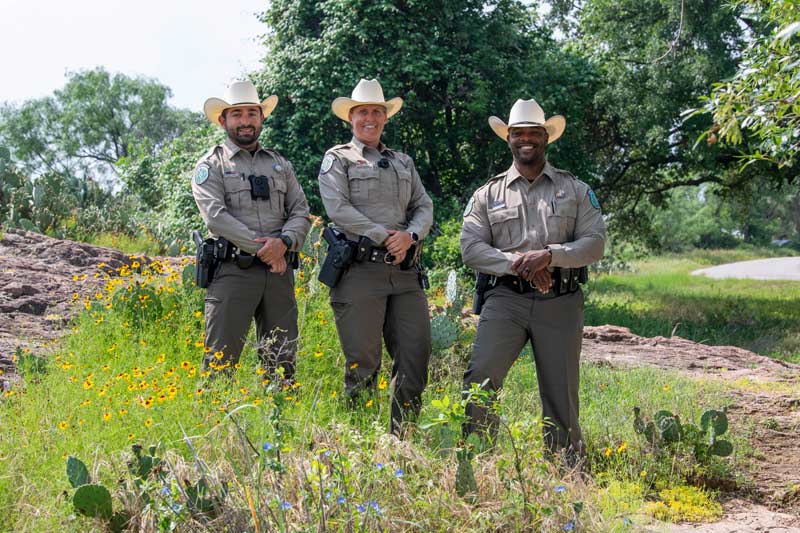
Exploring Texas Through the Ranger Lens
The very nature of a Texas Ranger’s work means they experience the state in a way few others do. They traverse its diverse ecological zones – from the piney woods of East Texas, across the sprawling prairies, through the rugged canyons of West Texas, and along the dynamic Gulf Coast. This constant movement exposes them to the rich tapestry of Texas life, from its bustling metropolises to its quiet rural communities, its natural wonders, and its historical landmarks.
For visitors interested in deep cultural immersion and unique experiences, the Ranger’s perspective offers inspiration. Imagine charting your own course through Texas, not just hitting major tourist attractions but seeking out the authentic, often overlooked aspects of the state. This could involve exploring the backroads and small towns that Rangers frequently visit, understanding the socio-economic landscapes they encounter, or appreciating the sheer scale of the state’s geography that necessitates such a mobile force. Museums and historical sites, such as the Texas Ranger Hall of Fame and Museum, provide a window into this world, but the real spirit of the Ranger lifestyle lies in the dynamic interaction with Texas itself—its challenges, its beauty, and its enduring spirit. For those considering a life of service, or simply a journey through the heart of Texas, the legacy and demands of a Texas Ranger offer a profound example of dedication and a unique form of engagement with the world around them.
In conclusion, becoming a Texas Ranger is a monumental undertaking, reserved for a select few who possess an extraordinary blend of character, experience, and an unshakeable commitment to justice. It’s a path paved with years of rigorous training and demanding service, culminating in a role that is as iconic as it is challenging. Beyond the professional requirements, it represents a distinctive lifestyle, one deeply intertwined with the history, culture, and vast landscapes of Texas. For those who aspire to this legendary position, it’s a journey into the heart of the Lone Star State, embodying a tradition of courage and integrity that continues to inspire. For visitors to Texas, exploring the historical sites and understanding the modern role of the Rangers offers a profound insight into the enduring spirit of this remarkable state.