
The humble yet magnificent Boston Butt pork roast stands as a testament to the transformative power of low-and-slow cooking. Despite its misleading name, which conjures images of the rear end of a pig or perhaps a cut from Boston, Massachusetts, this cut is actually from the upper part of the pig’s front shoulder. Known for its rich marbling, connective tissue, and bone (though often sold boneless), the Boston Butt is the undisputed champion for dishes requiring tender, fall-apart pork, most famously pulled pork. Whether you’re a seasoned pitmaster or a home cook looking to expand your culinary repertoire, mastering the Boston Butt opens up a world of flavorful possibilities perfect for family gatherings, special occasions, or simply elevating a weeknight meal. This comprehensive guide will walk you through everything you need to know, from understanding the cut itself to exploring various cooking methods and serving suggestions, all while considering how this culinary journey can intertwine with your travel and lifestyle aspirations.

Understanding the Boston Butt: A Culinary Staple
Before diving into the cooking process, it’s essential to appreciate what makes the Boston Butt such a revered cut in kitchens across America and beyond. Its versatility and forgiving nature make it an ideal choice for a variety of cooking styles, particularly those focused on long, gentle heat.
What Exactly is a Boston Butt?
Historically, in New England prior to the American Revolutionary War, butchers would take less popular cuts of pork, pack them into wooden barrels known as “butts,” and ship them. The shoulder cut, specifically the upper part, became known as the “Boston Butt” because of this packaging method originating in the Boston area. It contains a good amount of intramuscular fat, which renders down beautifully during cooking, moistening the meat from within. The presence of connective tissues, like collagen, is key; when cooked slowly, these break down into gelatin, contributing to the incredibly tender texture and rich mouthfeel characteristic of well-cooked Boston Butt. This cut is also often referred to as a “pork shoulder” or “pork butt,” and it’s distinct from the picnic shoulder, which is the lower part of the front leg and typically leaner. For pulled pork, the Boston Butt is undeniably superior due to its higher fat content and perfect balance of muscle and connective tissue.
The Allure of Slow Cooking
The reason slow cooking is paramount for a Boston Butt lies in its structure. High heat applied quickly would result in tough, dry meat. However, when subjected to low temperatures over an extended period, the magic happens. The collagen slowly dissolves, lubricating the muscle fibers and preventing them from drying out. This process not only makes the meat incredibly tender but also allows for deep flavor development. Whether you’re using an oven, a slow cooker, or a dedicated smoker, the principle remains the same: patience is a virtue, and the reward is a succulent, flavorful roast that practically shreds itself. This technique is a cornerstone of barbecue traditions from North Carolina to Texas, and it’s a fundamental skill for any culinary enthusiast interested in regional American cuisine.
Preparing Your Pork: Rubs, Marinades, and Brines
The foundation of a great Boston Butt roast is not just the cooking method, but also the preparation. Flavoring the meat before it hits the heat is crucial for developing a deep, satisfying taste profile. This is where rubs, marinades, and brines come into play, each offering unique advantages.
Crafting the Perfect Rub
A dry rub is arguably the most popular way to season a Boston Butt, especially for barbecue. It forms a flavorful crust, known as the “bark,” during the cooking process. A good rub typically consists of a balance of savory, sweet, spicy, and aromatic elements. Common ingredients include:
- Savory Base: Salt (kosher or sea salt is preferred), black pepper, garlic powder, onion powder.
- Sweetness: Brown sugar is a staple, aiding in caramelization and creating a richer bark.
- Spice/Heat: Paprika (smoked paprika adds depth), cayenne pepper, chili powder.
- Aromatics/Herbs: Cumin, coriander, oregano, mustard powder.
Example Basic Dry Rub Recipe:
- 1/4 cup kosher salt
- 1/4 cup brown sugar
- 2 tablespoons smoked paprika
- 1 tablespoon black pepper
- 1 tablespoon garlic powder
- 1 tablespoon onion powder
- 1 teaspoon cayenne pepper (adjust to desired heat)
- 1 teaspoon dried mustard
Mix all ingredients thoroughly. Pat your Boston Butt dry with paper towels, then generously apply the rub, pressing it firmly into all surfaces of the meat. For best results, allow the rubbed pork to rest in the refrigerator for at least 4 hours, or ideally overnight (up to 24 hours), to let the flavors penetrate the meat. This resting period is a crucial step that many home cooks overlook, but it makes a significant difference in the final product’s depth of flavor.
The Benefits of Brining or Marinating
While rubs are fantastic for surface flavor and bark, brining or marinating can enhance the internal moisture and tenderness of the meat, especially if you’re concerned about it drying out.
-
Brining: A brine is a salt-water solution, often infused with other aromatics, that helps the meat retain moisture. The salt in the brine denatures the proteins in the meat, allowing them to absorb more water and swell, resulting in a juicier final product. A basic brine might include water, salt, brown sugar, bay leaves, peppercorns, and garlic cloves. Submerge the pork completely in the brine and refrigerate for 12-24 hours. While excellent for poultry and leaner cuts, brining a Boston Butt is less common than a rub because the cut already has ample fat and moisture. However, for those seeking an extra layer of moisture security, it’s a viable option.
-
Marinating: Marinades typically contain an acidic component (vinegar, citrus juice), oil, and various seasonings. The acid helps to tenderize the meat by breaking down muscle fibers, and the oil carries fat-soluble flavors into the meat. While not as effective at deep penetration as brining for a large cut like Boston Butt, a marinade can add a distinct flavor profile, especially if you’re aiming for a specific regional taste, such as a Caribbean mojo marinade or a Mexican achiote paste marinade. Marinate for 6-12 hours in the refrigerator.
For most Boston Butt enthusiasts, a well-applied dry rub is the preferred method for achieving that classic barbecue flavor and crust, letting the natural richness of the pork shine through the slow cooking process.
Mastering the Cooking Methods
The beauty of the Boston Butt is its adaptability to various cooking environments. Each method offers a slightly different result, catering to different preferences and equipment availability. Regardless of the chosen method, the goal remains the same: achieve an internal temperature between 195°F and 205°F (90°C to 96°C) for optimal shreddability, and allow ample resting time.
The Low and Slow Oven Method
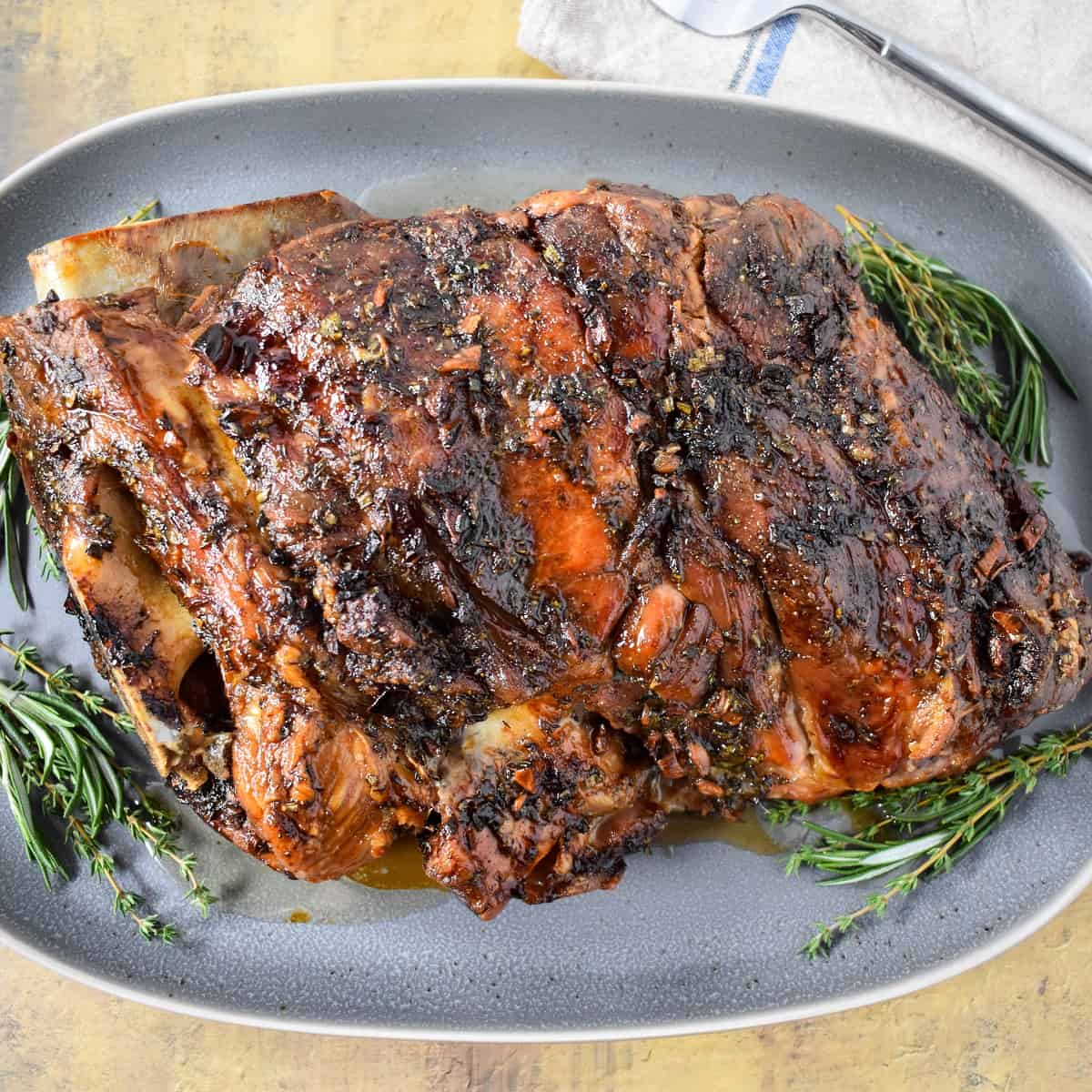
For home cooks without a smoker, the oven is an excellent way to achieve tender, flavorful pulled pork. It provides consistent, controlled heat, making it relatively hands-off.
- Preparation: Preheat your oven to a low temperature, typically between 225°F and 275°F (107°C to 135°C). Pat the rubbed pork dry and place it in a large roasting pan, preferably on a rack to allow air circulation. You can add about a cup of apple cider vinegar or chicken broth to the bottom of the pan to create a moist environment, though it’s not strictly necessary.
- Cooking: Roast for 8-12 hours, or until the internal temperature reaches 195°F-205°F (90°C-96°C). The exact time will depend on the size of your roast and your oven’s calibration. Use a reliable meat thermometer. Towards the end of the cooking time, you might notice a “stall” where the temperature plateaus; this is normal as collagen renders. Be patient.
- The Wrap (Optional): Many pitmasters advocate for wrapping the pork in foil (or butcher paper) once it reaches around 150-160°F (65-71°C). This helps push through the stall, keeps the meat moist, and tenderizes it further. If you wrap, you can slightly increase the oven temperature to 275°F-300°F (135°C-149°C) to speed things up, but still monitor closely.
- Resting: Once cooked, remove the pork from the oven, keep it wrapped (or re-wrap if you didn’t earlier), and let it rest for at least 30 minutes, or up to an hour, before shredding. This allows the juices to redistribute, ensuring maximum moisture.
The Convenience of a Slow Cooker
The slow cooker is arguably the easiest method for hands-off Boston Butt, perfect for busy travelers or those staying in accommodations with limited cooking facilities.
- Preparation: Apply your rub to the pork. Place the Boston Butt in a slow cooker or Instant Pot (using the slow cook function). You can add 1/2 to 1 cup of liquid like apple cider, broth, or even a splash of beer to the bottom of the pot, though the pork will release plenty of its own juices.
- Cooking: Cook on low for 6-8 hours, or on high for 4-5 hours, until the pork is fork-tender and easily shreds. For a 4-6 pound butt, it’s often best to cook on low for 8-10 hours to achieve optimal tenderness. You shouldn’t need to monitor the temperature as closely as with an oven, as the moist, enclosed environment is very forgiving.
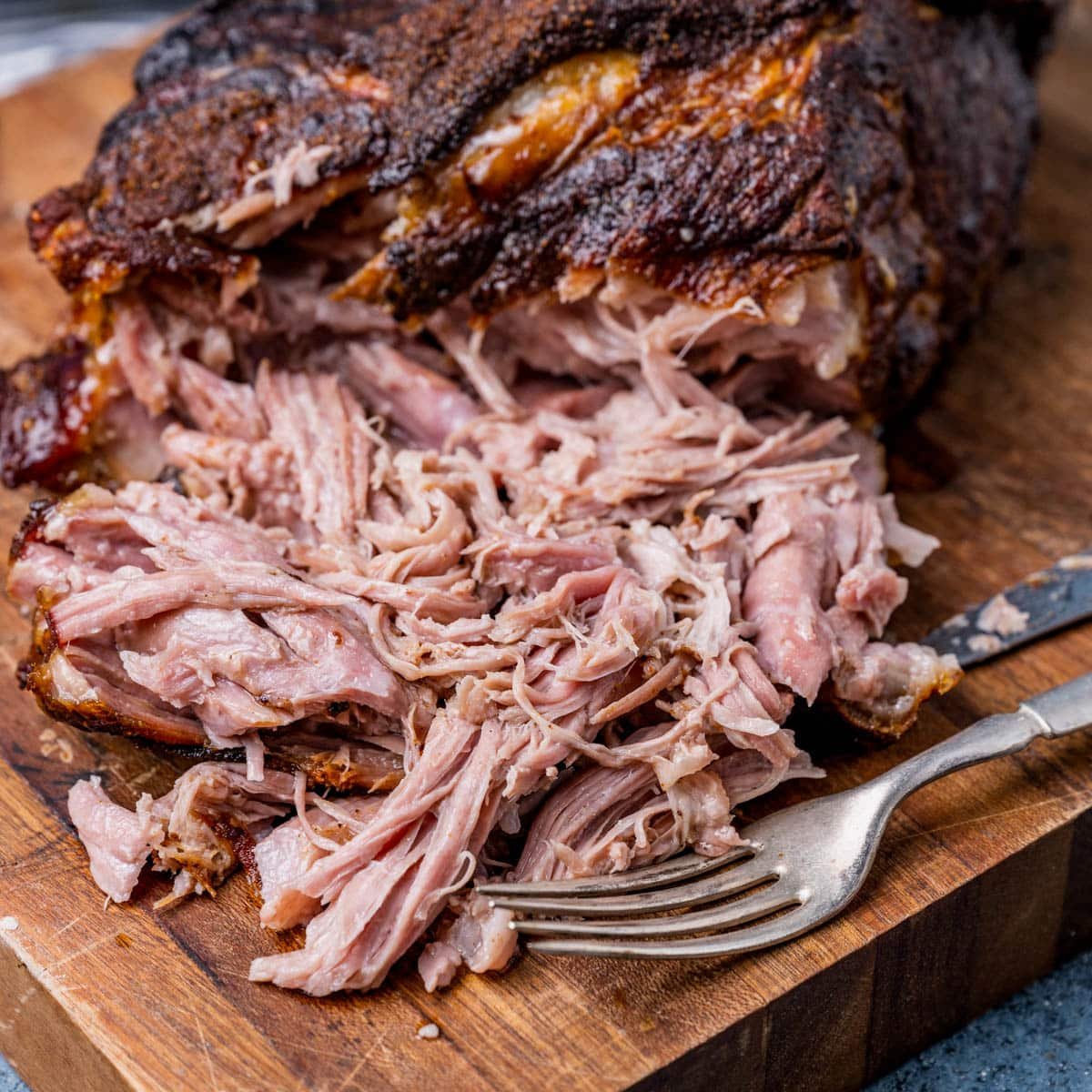
- Shredding: Carefully remove the pork from the slow cooker, reserving the liquid. Shred the meat using two forks, discarding any large pieces of fat or bone. Return the shredded pork to the slow cooker with some of the cooking liquid (skimmed of excess fat) to keep it moist and infuse it with more flavor.
Embracing the Smoker for Authentic Flavor
For the truest barbecue experience, a smoker is the gold standard. It infuses the pork with a distinct smoky flavor and creates an incredible bark. This method truly taps into the spirit of culinary tourism and traditional American BBQ.
- Smoker Setup: Preheat your smoker to a consistent temperature of 225°F-250°F (107°C-121°C). Use wood chunks or chips appropriate for pork – hickory, apple, cherry, or pecan are excellent choices. Ensure your water pan is filled if your smoker uses one to maintain humidity.
- Smoking Process: Place the rubbed Boston Butt directly on the smoker grates. Maintain a steady temperature and consistent smoke for 8-16 hours, depending on the size of the roast and how well your smoker holds heat.
- The Stall and The Wrap: Expect a “stall” between 150°F-170°F (65°C-77°C). To push through this and retain moisture, many pitmasters wrap the butt in heavy-duty foil or unwaxed butcher paper once it hits the stall. This is known as the “Texas Crutch.” Return the wrapped pork to the smoker.
- Finish Cooking: Continue cooking until the internal temperature reaches 195°F-205°F (90°C-96°C). The meat should feel like “jello” when probed with a thermometer – very little resistance.
- Resting: This is non-negotiable for smoked pork. Once done, remove the wrapped pork from the smoker and place it in an insulated cooler (without ice) for 1-4 hours. This extensive rest further tenderizes the meat and allows juices to redistribute perfectly.
- Shredding: Unwrap and shred the pork, mixing with any accumulated juices.
Using high-quality equipment like a Weber Smokey Mountain, Traeger Grill, or Kamado Joe can greatly enhance the smoking experience and consistency, but even a basic offset smoker can yield fantastic results with practice.
Serving Suggestions and Culinary Travel Connections
Once your Boston Butt is perfectly cooked and shredded, the culinary adventure doesn’t end. Its versatility allows for a myriad of serving options, making it ideal for various dining scenarios, from casual backyard barbecues to gourmet travel-inspired feasts.
Beyond Pulled Pork: Creative Dishes
While classic pulled pork sandwiches are undoubtedly the most popular application, don’t limit yourself! Here are other delicious ways to enjoy your Boston Butt:
- Pulled Pork Tacos or Nachos: A fantastic way to add a Tex-Mex twist. Top with salsa, guacamole, pickled onions, and a squeeze of lime for a vibrant meal. This could evoke memories of a trip to Austin or San Antonio.
- Pulled Pork Hash: Combine with diced potatoes, onions, and peppers for a hearty breakfast or brunch dish, perhaps reminiscing about a rustic lodge breakfast in a national park.
- Cuban Sandwiches (Cubanos): Layer pulled pork with ham, Swiss cheese, pickles, and mustard on crusty bread, then press until golden. A taste of Miami or Havana.
- Pulled Pork Pizza: Use it as a topping for a unique and flavorful pizza, perhaps with barbecue sauce as the base, red onions, and cilantro.
- Stuffed Potatoes or Sweet Potatoes: Pile the succulent pork into baked potatoes and top with cheese, sour cream, and chives.
- BBQ Pulled Pork Mac and Cheese: Elevate a comfort food classic by folding in tender pulled pork for an unforgettable dish.
Consider the regional sauces that pair well. In North Carolina, a vinegar-based sauce is traditional, while in Kansas City and Memphis, sweeter, thicker tomato-based sauces reign supreme. South Carolina is famous for its mustard-based sauces. Experimenting with these different styles is a culinary journey in itself.
Pairing Your Feast with Travel Experiences
Cooking a Boston Butt, especially low and slow, is an experience that can be seamlessly integrated into various travel and lifestyle contexts.
- Family Vacations & Villa Stays: Imagine renting a spacious villa in Tuscany or the Caribbean and spending a leisurely day slow-cooking a Boston Butt. It’s a cost-effective way to feed a large group, offering delicious homemade meals that rival local restaurants, and creating memorable shared experiences. It can be a highlight of your luxury travel or a way to stretch your budget travel dollars.
- Culinary Tourism at Home: Learning to master a staple like Boston Butt is a form of culinary tourism, allowing you to explore regional American cuisine without leaving your kitchen. It connects you to the barbecue trails of the Southern United States, from Birmingham to Atlanta, and even evokes the rich, smoky flavors found in Louisiana cooking, influenced by Cajuns and Creole cuisine.
- Long-Term Stays & Accommodation with Kitchens: If you’re on a long-term stay in an apartment or extended-stay hotel (perhaps a Marriott Bonvoy property with a kitchenette), preparing a large Boston Butt can provide several days of meals, offering convenience and comfort. It’s an excellent way to enjoy home-cooked food while away, ensuring a taste of familiarity amidst new surroundings.
- Outdoor Adventures & Camping: For those with portable smokers or Dutch ovens, a Boston Butt can be a fantastic centerpiece for outdoor cooking during camping trips in places like Yellowstone National Park or a beach vacation in Hawaii. The slow cooking process allows you to enjoy the scenery while your meal takes care of itself.
Consider pairing your pulled pork feast with local craft beers or wines. A robust Zinfandel from Napa Valley or a crisp Riesling from the Willamette Valley can complement the rich flavors beautifully, adding another dimension to your dining experience, much like exploring the unique offerings of a destination.
Tips for Success and Enjoying Your Culinary Journey
Cooking a Boston Butt is more than just following a recipe; it’s an exploration of flavor, technique, and patience. Here are some final tips to ensure your success and enhance your overall culinary journey:
- Don’t Rush the Rest: This cannot be emphasized enough. The resting period after cooking is crucial for tender, juicy meat. It allows the muscle fibers to relax and reabsorb the juices that have migrated to the center during cooking. Skipping this step can lead to dry, less flavorful pork.
- Fat Cap Management: Some Boston Butts come with a thick layer of fat on one side. While some fat is good for moisture, an excessively thick layer can prevent the rub from penetrating and make the bark greasy. Trim it down to about 1/4 inch thick.
- Invest in a Good Thermometer: A reliable digital meat thermometer is your best friend. Relying solely on cooking time can be misleading, as oven temperatures vary, and roast sizes differ. An instant-read thermometer helps you hit that perfect internal temperature every time. Consider brands like ThermoWorks or Meater.
- Embrace Leftovers: A large Boston Butt yields plenty of leftovers, which are often even more flavorful the next day. Freeze portions for future quick meals, making this a smart choice for efficient meal prep, especially during longer stays or busy periods.
- Experiment with Woods: If you’re smoking, try different types of wood to discover your preferred smoke profile. Hickory provides a strong, classic barbecue flavor, while applewood offers a milder, sweeter smoke. Cherry adds a beautiful reddish hue to the bark.
- Share the Experience: Cooking a Boston Butt is often a communal event. It’s a dish meant for sharing with family and friends, fostering connections and creating lasting memories. Whether it’s a backyard BBQ, a potluck, or a casual dinner party, the act of cooking and sharing this delicious roast embodies the spirit of hospitality, mirroring the welcoming atmosphere found at many exceptional hotels and resorts.
Mastering the Boston Butt is a rewarding culinary endeavor that brings together flavor, technique, and patience. It’s a meal that celebrates tradition, offers incredible versatility, and can be a delicious anchor for gatherings, whether you’re at home or exploring new destinations. So, roll up your sleeves, prepare your rub, and embark on a delicious journey that will undoubtedly impress and satisfy.
LifeOutOfTheBox is a participant in the Amazon Services LLC Associates Program, an affiliate advertising program designed to provide a means for sites to earn advertising fees by advertising and linking to Amazon.com. Amazon, the Amazon logo, AmazonSupply, and the AmazonSupply logo are trademarks of Amazon.com, Inc. or its affiliates. As an Amazon Associate we earn affiliate commissions from qualifying purchases.