
Navigating the process of filing for unemployment in Nevada can seem daunting, especially during challenging times. This guide aims to demystify the steps involved, ensuring you can access the benefits you are entitled to as smoothly as possible. While the core purpose of this site is to inspire and guide your travels, from exploring vibrant destinations and iconic landmarks to discovering exquisite hotels and unique local culture, understanding essential practicalities like unemployment filing is crucial for maintaining stability, which in turn can empower future adventures.
This article will walk you through the essential requirements, the filing process itself, and what to expect after you submit your claim. We understand that life’s unpredictable moments, whether a sudden job loss or a planned career break, can impact your travel aspirations. By providing clear, actionable information on unemployment benefits, we hope to alleviate some of the immediate stress, allowing you to focus on your next steps, which may very well include planning that dream trip to Las Vegas or a serene getaway to Lake Tahoe.
Understanding Eligibility and Gathering Necessary Information
Before you even begin the application, it’s vital to understand if you qualify for unemployment benefits in Nevada and to have all your essential information readily available. This preparation will significantly streamline the filing process.
Eligibility Requirements
To be eligible for unemployment benefits in Nevada, you must meet several criteria set forth by the Nevada Department of Employment, Training and Rehabilitation (DETR). Generally, you must have lost your job through no fault of your own. This typically includes situations like mass layoffs, company closures, or being terminated for reasons other than misconduct. Quitting your job generally disqualifies you unless you have “good cause,” which is defined by specific state regulations and can include circumstances like unsafe working conditions or significant changes to your job duties or pay.
You must also be able, available, and actively seeking work. This means you are physically capable of working, are not out of the labor market due to illness or injury, and are making a genuine effort to find suitable employment. Actively seeking work usually involves activities such as applying for jobs, attending interviews, and networking. DETR may ask for proof of your job search efforts, so it’s wise to keep a detailed record of your applications and contacts.
Finally, you must have earned sufficient wages during your “base period.” The base period is a specific 12-month period used to calculate your weekly benefit amount. DETR will look at your earnings from your previous employment within this timeframe. The exact amount of wages required can vary, so it’s best to check the latest guidelines from DETR or have your employment and wage history ready.
Information You’ll Need
Having the following information at your fingertips will make filling out the application much smoother:
- Personal Information: Your full legal name, Social Security number, date of birth, and current mailing address.
- Contact Information: A phone number and email address where DETR can reach you.
- Employment History:
- Names and addresses of all employers you worked for in the past 18 months.
- Dates of employment for each employer.
- Reason for leaving each job.
- Your wages earned from each employer. Pay stubs or W-2 forms can be very helpful here.
- Identification: You may need to provide information about your driver’s license or state-issued ID.
- Citizenship/Work Authorization: If you are not a U.S. citizen, you will need your Alien Registration Number and expiration date of your work authorization.
- Military Service: If you served in the military, you’ll need your DD-214 form.
- Federal Employment: If you worked for the federal government, you’ll need Standard Form 8 and Standard Form 50.
Gathering these documents and details beforehand will prevent delays and reduce the stress associated with the application process.
The Filing Process: Online and By Phone
Nevada offers two primary methods for filing an unemployment claim: online and by phone. Each method has its own advantages, and choosing the one that suits you best is key.
Filing Online: The Preferred Method
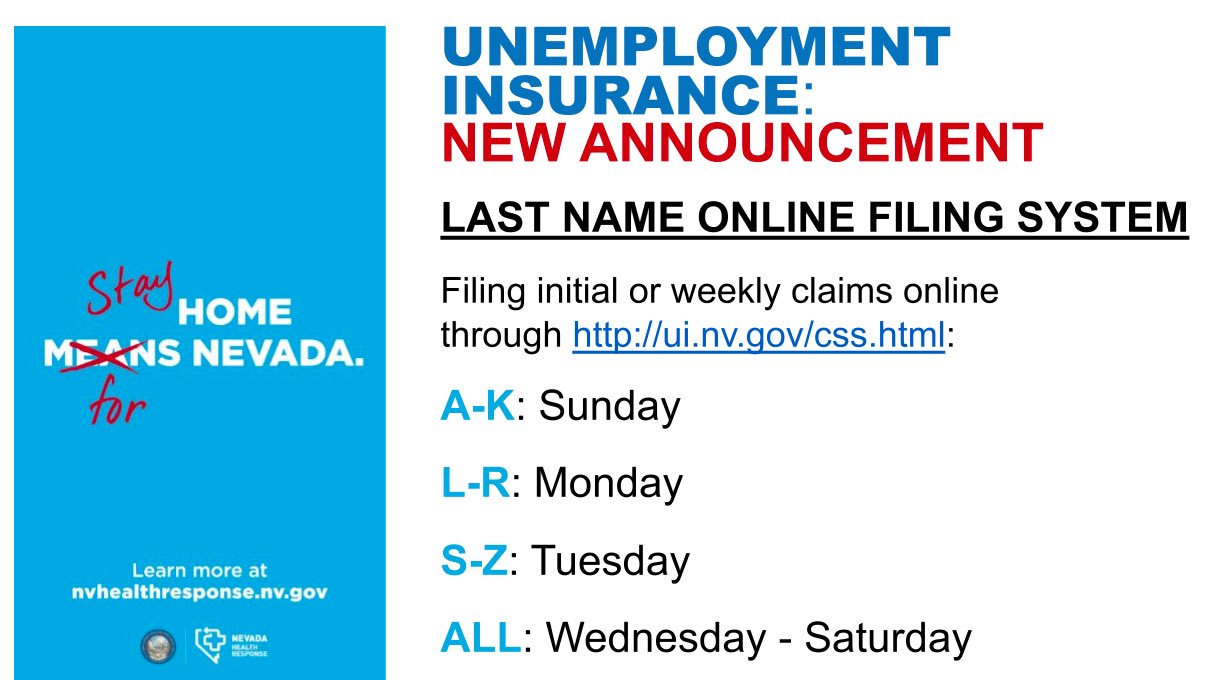
The most efficient and recommended way to file for unemployment in Nevada is through the DETR website. The online system is available 24/7, allowing you to file at your convenience.
- Access the Portal: Navigate to the official Nevada Department of Employment, Training and Rehabilitation website. Look for the section dedicated to unemployment insurance. You will likely find a link to the online claim filing system.
- Create an Account (if necessary): Some systems require you to create a user account to file and manage your claim. Follow the prompts to set up your username and password.
- Complete the Application: You will be guided through a series of questions. Be thorough and honest in your responses. Double-check all entered information for accuracy, especially your Social Security number and employment details.
- Submit Your Claim: Once you have completed all sections, review your application one last time before submitting it electronically.
- Confirmation: After submission, you should receive a confirmation number or email. Keep this for your records.
Online filing is generally faster and allows for easier tracking of your claim status. It also minimizes the risk of errors due to miscommunication.
Filing By Phone
If you are unable to file online, DETR also provides a telephone option. This can be particularly helpful for individuals who may not have consistent internet access or are more comfortable speaking with a representative.
- Find the Phone Number: The correct phone number for filing an initial unemployment claim can be found on the DETR website. It’s important to use the specific number for initial claims, as other numbers may be for existing claims or specific inquiries.
- Be Prepared for Hold Times: Phone lines can be busy, especially during periods of high unemployment. Be patient and have all your necessary information ready to provide to the representative.
- Speak with a Representative: The representative will ask you a series of questions, similar to those in the online application. Answer clearly and accurately.
- Note Down Information: Make sure to ask for and write down any confirmation numbers, important dates, or instructions provided by the representative.
Regardless of the method you choose, filing promptly after becoming unemployed is crucial. Delays in filing can result in a loss of benefits.
After You File: Maintaining Your Claim and What to Expect
Filing your initial claim is just the first step. To continue receiving benefits, you must adhere to ongoing requirements, and understanding the review process will help manage your expectations.
Weekly Certifications and Job Search Requirements
To receive unemployment benefits, you must “certify” weekly or bi-weekly that you are still unemployed, able, available, and actively seeking work. This is typically done through the same online portal you used to file your initial claim, or sometimes by phone.
- Weekly Certification: You will need to log in during your designated certification period and answer questions about your work search activities, any earnings you may have had, and your availability for work. Failing to certify on time can result in a delay or loss of benefits for that week.
- Work Search Activities: As mentioned earlier, DETR requires you to actively search for employment. The state has specific requirements regarding the number of job contacts you must make each week and the types of activities that qualify. Keep a detailed log of your job search, including the date, employer contacted, method of contact, and the outcome. You may be asked to provide this log to DETR at any time.

Claim Review and Potential Issues
Once you file your claim, DETR will review it to determine your eligibility. This process may involve contacting your former employer(s) to verify the information you provided.
- Waiting Period: In Nevada, there is typically a one-week waiting period for which you will not receive benefits. This means your first payment will be for the second eligible week after you file your claim.
- Adjudication: If there are any discrepancies or issues with your claim (e.g., your former employer contests your eligibility), your claim may enter an “adjudication” process. A DETR representative will investigate the issue, and you may be asked to provide further information or participate in a hearing. This process can take time, so it’s important to remain patient and responsive.
- Appeals: If your claim is denied, you have the right to appeal the decision. The denial notice will provide instructions on how to file an appeal and the timeframe within which you must do so.
Staying organized, responding promptly to any requests from DETR, and diligently fulfilling your weekly responsibilities are key to a successful unemployment claim. While navigating this process, remember that proactive planning and clear understanding are your best allies, allowing you to regain your footing and, perhaps soon, plan your next unforgettable journey, whether it’s exploring the dazzling lights of Las Vegas or the natural beauty surrounding Reno.