
Navigating the vast and diverse landscape of Texas, whether for a leisurely road trip, a business venture, or to explore its rich cultural tapestry, often involves understanding the ins and outs of transportation. While many Texans are familiar with the standard driver’s license, the state also offers pathways for those looking to operate larger, commercial vehicles. Obtaining a Commercial Driver’s License (CDL) in Texas is a rigorous process designed to ensure public safety and the professional operation of these powerful machines. This comprehensive guide will walk you through the essential steps, requirements, and considerations for acquiring your CDL in the Lone Star State, drawing parallels to how one might plan a memorable trip, from destination to accommodation.

Understanding the Different Classes of Commercial Driver’s Licenses
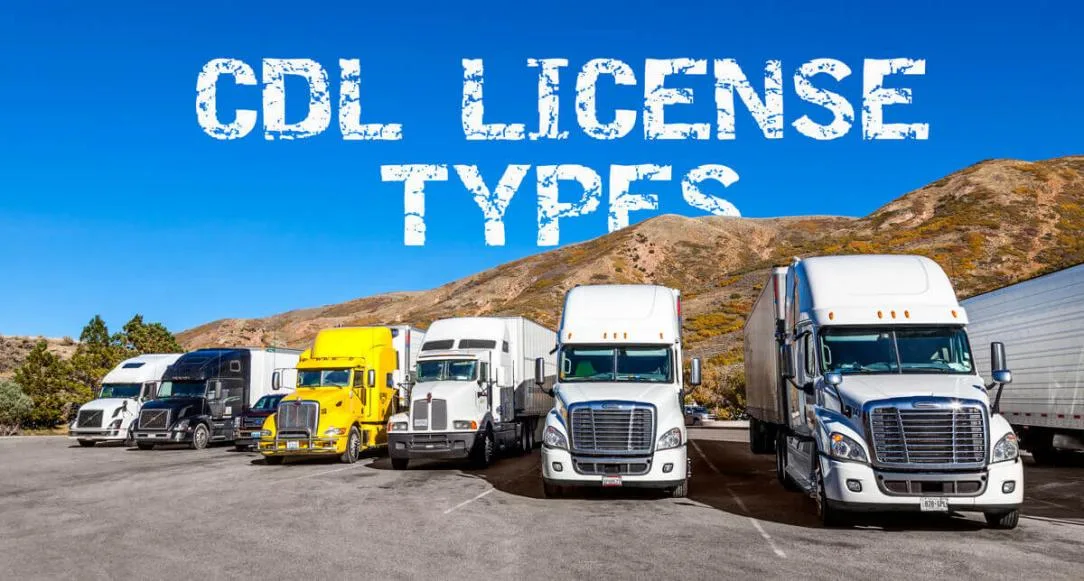
Just as a traveler might choose between a budget-friendly motel and a luxurious resort, or between a quick city break and an extended exploration of national parks, the Texas CDL system offers different classifications to suit the diverse needs of commercial drivers. These classes are determined by the weight of the vehicle and the type of cargo or passengers it carries. Understanding which class you need is the crucial first step in your CDL journey.
Class A: The Heavy Haulers
If your aspirations involve commanding the largest and heaviest vehicles on the road, the Class A CDL is your ticket. This license is required for drivers operating a combination vehicle with a Gross Combination Weight Rating (GCWR) of 26,001 pounds or more, provided the Gross Vehicle Weight Rating (GVWR) of the vehicle being towed is in excess of 10,000 pounds. This typically includes tractor-trailers, tanker trucks, and other large freight carriers. Think of this as the license for those who want to explore the farthest reaches of the state, carrying significant loads, perhaps like a seasoned tour operator transporting groups across multiple states or a logistics manager coordinating the movement of goods from the bustling ports of Houston to the remote ranches of West Texas.
Class B: The Medium-Duty Masters
For drivers who will operate single vehicles weighing 26,001 pounds or more, or a combination of a single vehicle with a towed unit weighing 10,000 pounds or less, the Class B CDL is appropriate. This class covers a wide range of vehicles, including straight trucks, dump trucks, and buses (without a trailer). This license is akin to choosing a comfortable but capable SUV for a family vacation, allowing for flexibility and control over substantial vehicles. It’s ideal for local delivery services, waste management, or passenger transport within a specific region, ensuring safe and efficient travel for residents and tourists alike in cities like Dallas or San Antonio.
Class C: Specialized Operators
The Class C CDL is for drivers operating vehicles that do not meet the definition of Class A or Class B but are designed to transport 16 or more occupants (including the driver), or are placarded for transporting hazardous materials. This includes smaller passenger vans, some larger shuttle buses, and vehicles carrying specific types of cargo. This license often requires additional endorsements, which we will discuss later. Obtaining a Class C CDL might be comparable to booking specialized tours or unique experiences that cater to specific interests, such as a guided historical walking tour in Galveston or a culinary expedition through the Hill Country.
The Essential Requirements for Obtaining a Texas CDL
Embarking on the journey to get your CDL is much like planning a significant trip; it requires preparation, adherence to regulations, and a clear understanding of the prerequisites. The Texas Department of Public Safety (DPS) oversees the CDL application process, ensuring that all candidates meet stringent criteria.
Eligibility Criteria: Laying the Foundation
Before you can even think about the written or skills tests, you must meet several fundamental eligibility requirements. These are the bedrock upon which your CDL application is built, much like securing your travel documents and confirming your eligibility for certain accommodations.
- Age: To obtain a commercial driver’s license in Texas, you must be at least 18 years old. However, to drive a commercial vehicle across state lines (interstate commerce), you must be at least 21 years old. This age restriction is in place to ensure a certain level of maturity and experience.
- Valid Texas Driver’s License: You must possess a valid, non-commercial Texas driver’s license. This is your foundational license, proving you have already demonstrated basic driving competence.
- Social Security Number: You will need to provide your Social Security number for verification purposes.
- Proof of Texas Residency: As with any state-issued license, you must be able to prove that you are a resident of Texas. This can be done through utility bills, lease agreements, or other official documents.
- Medical Certification: This is a critical requirement for CDL holders. You must pass a Department of Transportation (DOT) physical examination administered by a certified medical examiner. This ensures you are physically fit to operate a commercial vehicle safely. The medical examiner will issue you a Medical Examiner’s Certificate. This is akin to obtaining a travel visa or health clearance for certain international destinations; it’s a mandatory step for safe passage.
The Application Process: From Paperwork to Practice
Once you meet the initial eligibility requirements, the application process involves several distinct stages, each building upon the last. This mirrors the planning of a trip: first, you research destinations, then you book accommodation, and finally, you prepare for the journey itself.
Step 1: Obtaining a Commercial Learner Permit (CLP)
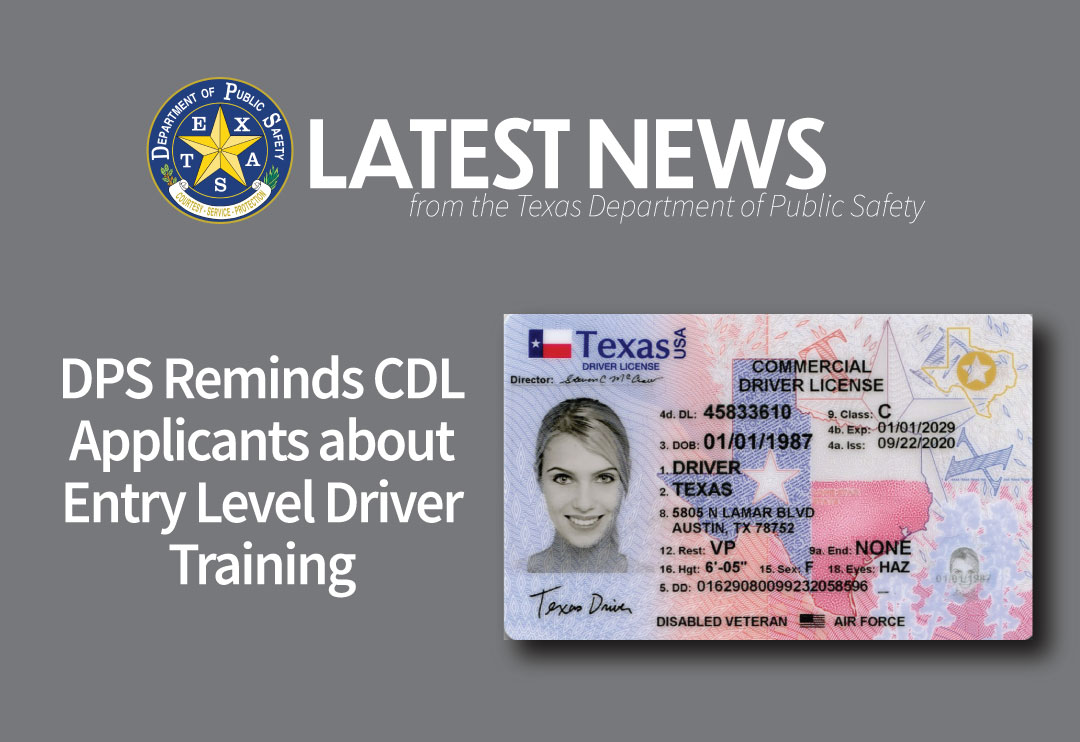
The first formal step toward your CDL is obtaining a Commercial Learner Permit (CLP). This is a provisional license that allows you to practice driving a commercial vehicle under the supervision of a qualified CDL holder.
- Knowledge Test: To get your CLP, you must pass a written knowledge test at a Texas DPS driver license office. This test covers general knowledge of commercial driving, air brakes, combination vehicles, and any endorsements you intend to pursue. You’ll need to study the Texas Commercial Driver Manual thoroughly to prepare for this. Think of this as reviewing your destination guides and local customs before arriving.
- Vision Test: You will also need to pass a vision screening.
- Fees: There are fees associated with obtaining a CLP.
Step 2: Driver Education and Endorsements
While not always mandatory for all CDL classes, formal driver education courses are highly recommended and often required for specific endorsements. These courses provide in-depth training beyond basic driving skills, focusing on the unique challenges of operating commercial vehicles.
- Entry-Level Driver Training (ELDT): The Federal Motor Carrier Safety Administration (FMCSA) mandates Entry-Level Driver Training (ELDT) for individuals applying for their first Class A or Class B CDL, or for those seeking a passenger or school bus endorsement. This training must be completed through a registered training provider and covers both theory and behind-the-wheel instruction. This is like taking a specialized course to prepare for a unique travel experience, such as learning to scuba dive before exploring the reefs of Belize.
- Endorsements: Depending on the type of cargo or passengers you plan to transport, you may need to obtain additional endorsements on your CDL. These include:
- Hazardous Materials (H): Required for transporting materials that pose a risk to health, safety, or property. This involves a separate knowledge test and a Transportation Security Administration (TSA) background check. This is like getting clearance to access sensitive historical sites.
- Passenger (P): Required for operating vehicles designed to carry 16 or more passengers, including the driver. This typically involves a skills test.
- School Bus (S): A specialized endorsement for school bus drivers, requiring additional training and a skills test.
- Tank Vehicle (T): For vehicles designed to haul liquids or gaseous substances in permanently or temporarily attached tanks.
- Double/Triple Trailers (X): For operating vehicles with double or triple trailers.
Step 3: The Skills Test
Once you have held your CLP for the required period (typically 14 days) and have completed any necessary ELDT, you are eligible to take the CDL skills test. This is the practical demonstration of your driving abilities.
- Pre-Trip Inspection: You will be tested on your ability to perform a thorough pre-trip inspection of the vehicle, identifying any potential mechanical issues. This is a crucial safety check.
- Basic Vehicle Control: This section assesses your ability to maneuver the vehicle in various controlled environments, such as backing into a parking spot or making turns.
- On-Road Driving: You will drive the vehicle on public roads, demonstrating your ability to safely operate it in real-world traffic conditions, merge onto highways, and navigate different road scenarios. This is the culmination of your preparation, akin to confidently navigating a new city, knowing your routes and understanding local traffic patterns. The skills test will be administered by a third-party tester authorized by the Texas DPS.
Step 4: Finalizing Your CDL Application
After successfully passing the skills test and completing all other requirements, you will return to a Texas DPS driver license office to finalize your application. You will surrender your CLP, pay the final licensing fees, and have your photograph taken. Your official Texas CDL will then be mailed to you.
Maintaining Your Commercial Driver’s License in Texas
Obtaining a CDL is a significant achievement, but it’s not the end of the journey. Like maintaining a well-traveled vehicle or ensuring your travel plans remain up-to-date, keeping your CDL valid requires ongoing attention to regulations and renewals.
Medical Certification Renewals
Your DOT medical certification is not permanent. You will need to renew it periodically as specified by the examiner. Failure to maintain a valid medical certificate can result in the suspension or revocation of your CDL privileges. This is akin to ensuring your passport remains valid for international travel; it’s a continuous requirement for your status.
CDL Renewal and Re-Testing
Your Texas CDL will have an expiration date, typically every five years. You will need to renew your license before it expires. Depending on your age and any endorsements you hold, you may need to retake certain tests, including the vision test and possibly the knowledge test, when you renew. It’s essential to stay informed about renewal requirements to avoid any lapse in your driving privileges. This is similar to planning your return flights and ensuring all your travel arrangements are current before embarking on another adventure.
Record Keeping and Compliance
Commercial drivers are held to a high standard of accountability. You are responsible for maintaining accurate driving logs (if applicable), adhering to hours-of-service regulations, and promptly reporting any traffic violations or license suspensions to your employer and the Texas DPS. Staying compliant is crucial for maintaining a clean driving record and ensuring your continued ability to work as a commercial driver in Texas. This diligence is like meticulously organizing your travel documents and itineraries to ensure a smooth and hassle-free experience, whether you’re exploring the vibrant streets of Austin or the natural beauty of Big Bend National Park.
In conclusion, obtaining a Commercial Driver’s License in Texas is a structured and demanding process. It requires a commitment to learning, preparation, and adherence to safety standards. By understanding the different CDL classes, meeting the eligibility criteria, completing the required training and tests, and maintaining your license diligently, you can successfully navigate the path to becoming a licensed commercial driver in Texas, opening up a world of professional opportunities on the open road.