
Navigating the process of obtaining a concealed carry permit in Florida, often referred to as a License To Carry a Concealed Weapon (CCW), is a straightforward yet important undertaking for residents wishing to exercise their Second Amendment rights. This guide will break down the essential steps, requirements, and considerations for obtaining your permit, ensuring you are well-informed and prepared. Whether you’re a long-time resident or new to the Sunshine State, understanding this process is key to responsible firearm ownership and the peace of mind that comes with carrying a concealed weapon legally.
The ability to carry a concealed weapon in Florida is a privilege granted to qualified individuals who meet specific criteria. The state has a shall-issue policy, meaning that if you meet all the legal requirements, the authorities are obligated to issue you a license. This system aims to balance the right to self-defense with public safety. While the process is generally accessible, it’s crucial to adhere to all guidelines and regulations to ensure your application is successful and your carrying practices are lawful. This involves understanding eligibility, completing the required training, and submitting the necessary documentation accurately.
Understanding Florida’s Concealed Carry Laws and Eligibility
Before diving into the application process, it’s vital to understand the fundamental requirements for obtaining a concealed carry permit in Florida. These stipulations are designed to ensure that only responsible and law-abiding citizens are granted this privilege.
Eligibility Criteria
To be eligible for a Florida concealed carry license, you must meet the following criteria:
- Age: You must be at least 21 years old. This is a standard requirement across most states for carrying a concealed weapon.
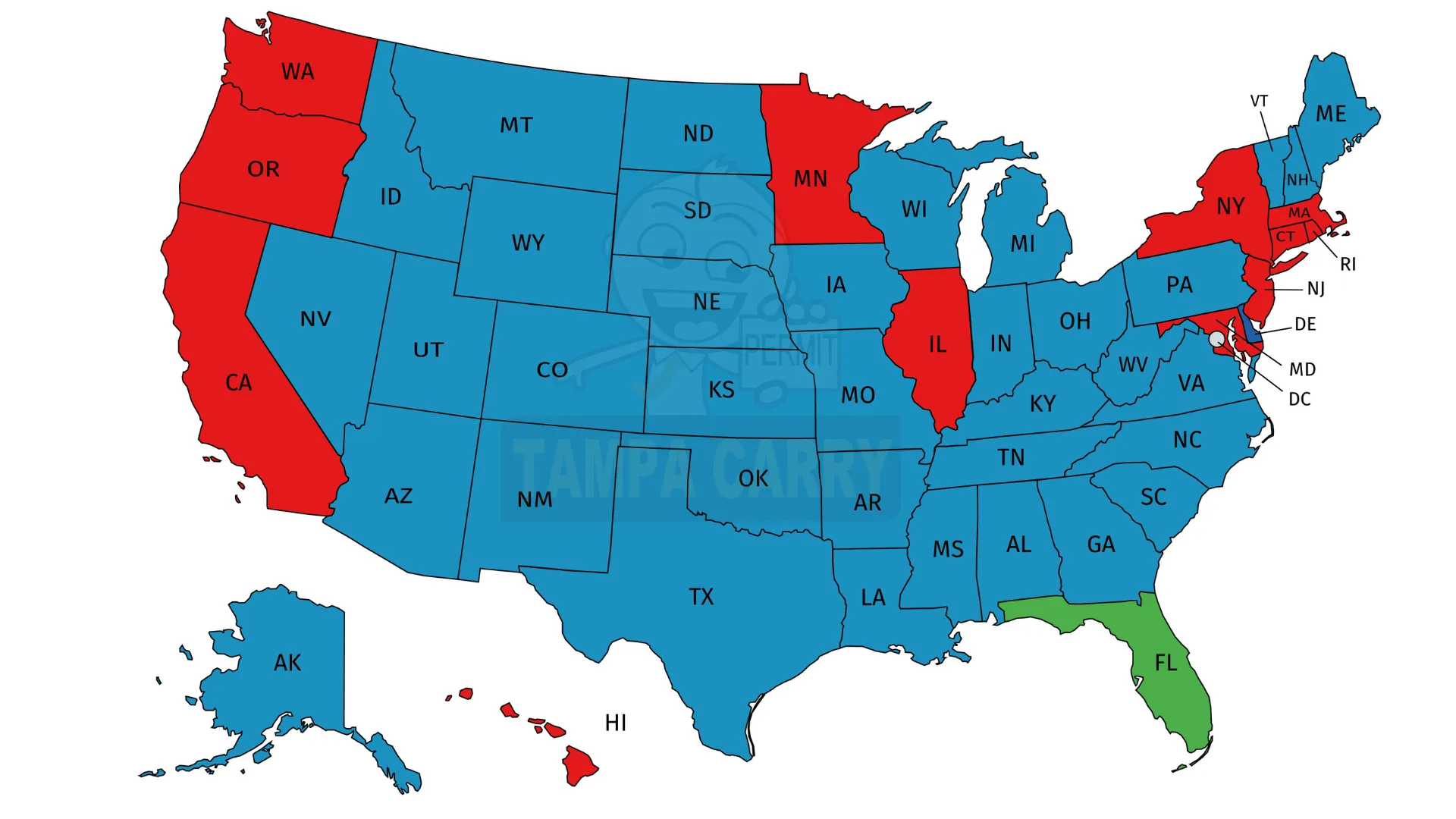
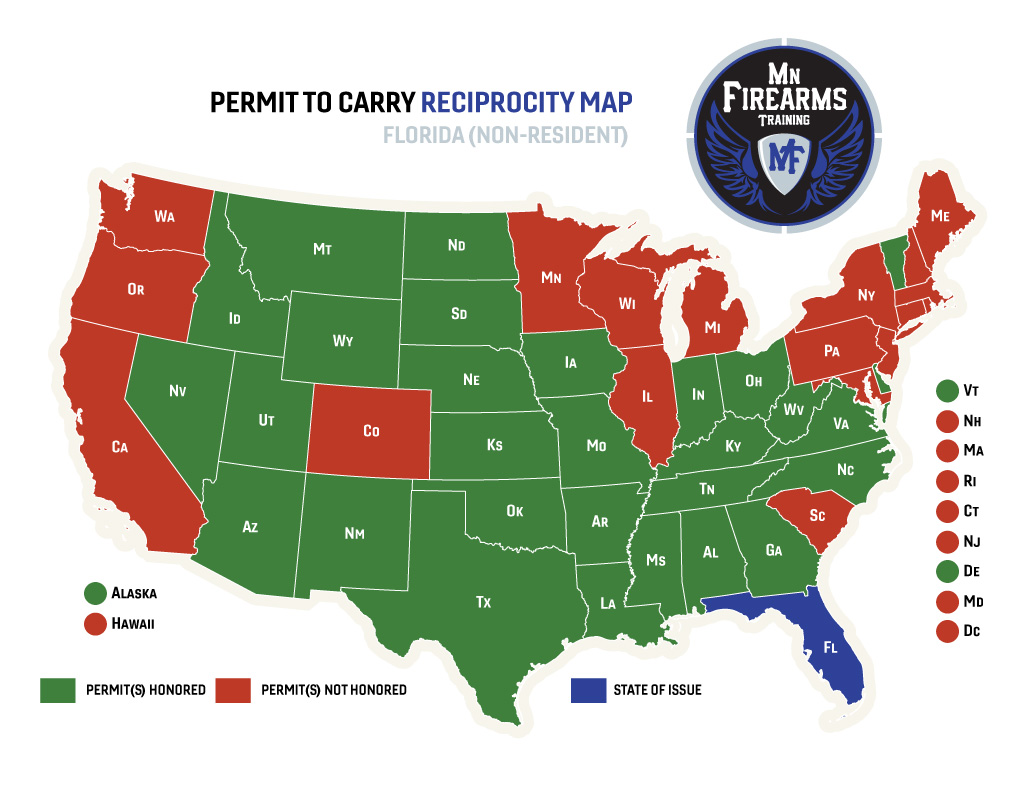
- Residency: You must be a bona fide resident of Florida. Proof of residency, such as a Florida driver’s license or Florida identification card, will be required. While Florida does have reciprocity agreements with many other states, allowing non-residents with permits from those states to carry concealed in Florida, the initial license application is for Florida residents.
- Citizenship/Legal Status: You must be a U.S. citizen or a lawful permanent resident alien. If you are not a U.S. citizen, you will need to provide documentation of your legal status.
- Criminal Record: You must not have been convicted of a felony or a disqualifying misdemeanor offense. This includes any offense that prohibits you from possessing firearms under federal or state law. The state conducts a thorough background check to verify this.
- Mental Health: You must not suffer from any mental defects or incapacitation that would prevent you from safely handling a firearm. This is often assessed through background checks and potentially requires self-disclosure or medical professional statements.
- Substance Abuse: You must not have a history of habitual intoxication or be addicted to any controlled substance. This indicates a commitment to responsible and sober firearm handling.
- Honorable Discharge: If you have a history of military service, you must have received an honorable discharge.
- Legal Status Regarding Firearms: You must not be prohibited from owning or possessing a firearm under Florida law or federal law. This is a broad category that encompasses various legal restrictions.
- Previous License Revocation: You must not have had a concealed weapon license revoked or suspended previously, unless the revocation or suspension has been set aside or pardoned.
- Payment of Child Support: You must not be delinquent in paying child support obligations.
Specific Prohibitions
Florida law also outlines specific situations that will disqualify an applicant. These include, but are not limited to:
- Conviction of a crime of violence within the past three years.
- A history of domestic violence, including arrests and convictions for offenses like battery, assault, or stalking against a family member or intimate partner.
- Having been found guilty of, or pleaded guilty or nolo contendere to, certain drug-related offenses.
- Having a history of dishonorable discharge from the armed forces.
- Having been adjudicated as mentally defective or having been involuntarily committed to a mental institution.
- Having been convicted of a misdemeanor offense involving a deadly weapon.
- Being a fugitive from justice.
Understanding these eligibility requirements upfront is crucial. Attempting to apply without meeting them will result in denial and can complicate future applications. It’s always best to ensure you fully qualify before investing time and resources into the process.
The Application Process: Step-by-Step
Once you’ve confirmed your eligibility, the next step is to navigate the application process itself. This involves completing a training course, gathering necessary documents, and submitting your application to the appropriate state agency.
1. Complete a Certified Firearms Safety Training Course
A mandatory component of obtaining a Florida concealed carry permit is completing a firearms safety training course. This course must be taught by a certified instructor and cover essential topics related to firearm safety, marksmanship, and the laws governing the use of deadly force.
- Course Content: The training typically includes instruction on:
- Firearm safety rules.
- Proper handling and storage of firearms.
- Marksmanship principles.
- The legal aspects of carrying a concealed weapon, including when deadly force is justified.
- The legal restrictions on carrying firearms in specific locations.
- Certification: Upon successful completion of the course, you will receive a certificate of completion. This certificate is a vital document that must be submitted with your application.
- Finding a Certified Instructor: You can find certified firearms instructors through various sources, including local gun shops, shooting ranges, and organizations like the National Rifle Association (NRA). Ensure that the instructor is officially certified by the Florida Department of Agriculture and Consumer Services (FDACS) or a recognized equivalent.
There are some exceptions to the training requirement. For instance, individuals who are active duty or retired law enforcement officers, or those who have completed a firearms safety course offered by a law enforcement agency, military, or a private institution recognized by the state, may be exempt. However, for the vast majority of applicants, this training is a non-negotiable step.
2. Gather Required Documentation
Alongside your certificate of completion, you will need to compile several other documents to support your application. Having these ready will streamline the submission process.
- Application Form: The official application form for a Florida concealed weapon license can be downloaded from the Florida Department of Agriculture and Consumer Services (FDACS) website or obtained from their offices. It is crucial to fill this out accurately and completely.
- Proof of Residency: As mentioned earlier, you’ll need to provide proof of your Florida residency. This typically includes a copy of your Florida driver’s license or Florida identification card.
- Proof of Citizenship or Legal Status: If you are not a U.S. citizen, you will need to provide documentation of your lawful permanent resident status.
- Passport-Sized Photograph: A recent, passport-sized photograph that meets specific requirements (e.g., clear, front-facing, no glasses unless medically necessary, plain background) will be needed. The FDACS website will provide detailed specifications for the photograph.
- Fingerprints: You will be required to submit to fingerprinting. This is typically done electronically at a certified law enforcement agency or a private service provider authorized to submit fingerprints to the Florida Department of Law Enforcement (FDLE). The process ensures a comprehensive background check.
- Proof of Training Certificate: The certificate of completion from your firearms safety training course.
3. Submit Your Application
Once you have all your documents in order, you can submit your application. The Florida Department of Agriculture and Consumer Services (FDACS) is the agency responsible for processing concealed carry permit applications.

- Online Submission: Florida offers the convenience of applying online through the FDACS website. This is often the fastest and most efficient method. You will be able to upload required documents and pay the application fees electronically.
- Mail-in Submission: Alternatively, you can download the application form and mail it along with all supporting documents and payment to the FDACS address specified on the form.
- In-Person Submission: In some cases, you may be able to submit your application in person at a designated FDACS office. It’s advisable to check the FDACS website or call ahead to confirm availability and procedures.
- Application Fees: Be prepared to pay the required application fees. These fees cover the cost of processing your application, background checks, and issuing the license. The fee structure can vary, so check the official FDACS website for the most current fee schedule.
Processing and Receiving Your License
After submitting your application, it enters the review and processing phase. The state will conduct thorough background checks to ensure you meet all the legal requirements.
Background Checks
The FDACS, in conjunction with the Florida Department of Law Enforcement (FDLE) and the Federal Bureau of Investigation (FBI), will conduct comprehensive background checks. This involves:
- Criminal History Check: Reviewing your criminal record at local, state, and federal levels to identify any disqualifying convictions or pending charges.
- Mental Health Records Check: Accessing databases to ensure you haven’t been adjudicated mentally defective or involuntarily committed.
- Other Checks: Verifying your identity, residency, and checking for any other legal prohibitions that might exist.
The turnaround time for processing can vary. Typically, the state has a statutory period within which to approve or deny an application. The FDACS aims to process applications as efficiently as possible, but it’s advisable to allow ample time, especially during periods of high application volume.
Approval and Issuance
If your application is approved, you will receive your Florida concealed carry license. This license is valid for seven years and can be renewed. The physical license will be mailed to the address you provided on your application.
Denial and Appeals
In the unfortunate event that your application is denied, you will receive a written notification explaining the reasons for the denial. Florida law provides a process for appealing a denied application. If you believe the denial was in error, you have the right to request a hearing or to correct the issues that led to the denial. It’s important to carefully review the denial notice and consult with legal counsel if necessary to understand your options.
Responsible Concealed Carry in Florida
Obtaining a concealed carry permit is not the end of the process; it’s the beginning of a commitment to responsible firearm ownership and carry. Understanding the laws and best practices is paramount for your safety and the safety of others.
Understanding Carrying Restrictions
While a Florida concealed carry license grants you the privilege to carry a concealed weapon, there are numerous places where carrying is prohibited, even with a license. These restrictions are in place to ensure public safety in sensitive areas. Some common prohibited locations include:
- Courthouses: Courtrooms and related judicial buildings.
- Polling Places: During elections.
- Schools: In public or private schools, unless specific exceptions apply (e.g., firearm instructors on duty).
- Law Enforcement Facilities: Police stations and sheriff’s offices.
- Correctional Facilities: Prisons and jails.
- Federal Buildings: Buildings owned or operated by the federal government.
- Airports: Secure areas of airports.
- Prohibited Areas: Businesses that have posted signs prohibiting firearms (e.g., “No Firearms Allowed” signs). It is your responsibility to be aware of and adhere to these signage requirements.
- Bars and Nightclubs: While in establishments that primarily serve alcohol.
It is crucial to familiarize yourself with Florida Statute Section 790.06 and related sections for a comprehensive understanding of all prohibited locations. Ignorance of the law is not a defense, and violations can lead to severe penalties, including license revocation and criminal charges.
Legal Use of Force
Understanding the legal justification for using deadly force in Florida is as critical as understanding where you can carry. Florida is a “Stand Your Ground” state, which means you have the right to use deadly force if you reasonably believe it is necessary to prevent death or great bodily harm to yourself or another, or to prevent the commission of a forcible felony. However, this right is not unlimited and comes with responsibilities.
- Reasonable Belief: The use of force must be based on a reasonable belief that such force is necessary.
- No Duty to Retreat: In most situations where you have a legal right to be, you are not required to retreat before using or threatening to use defensive force. However, this does not grant a license to initiate violence or to use excessive force.
- Escalation: You cannot provoke an altercation and then claim self-defense.
Training and Practice
Responsible gun ownership extends beyond obtaining a permit. Continuous training and practice are essential to maintain proficiency and to stay informed about legal updates and best practices.
- Regular Practice: Visit a shooting range regularly to practice your marksmanship and safe handling skills. Familiarity with your firearm under stress is crucial.
- Advanced Training: Consider taking advanced firearms courses that focus on defensive shooting techniques, situational awareness, and legal aspects of self-defense.
- Stay Informed: Laws can change. Make it a habit to stay updated on Florida firearm laws through official state resources or reputable legal organizations.
By adhering to the requirements, understanding the laws, and committing to ongoing training, you can confidently and responsibly exercise your right to carry a concealed weapon in Florida. The process, while detailed, ultimately aims to empower law-abiding citizens with the means for self-protection, while maintaining public safety.