
California, a state synonymous with innovation, breathtaking natural beauty, and a magnetic lifestyle, draws millions of visitors annually. From the sun-drenched shores of Santa Monica and the majestic peaks of the Sierra Nevada to the vibrant urban hubs of Los Angeles and San Francisco, the Golden State offers an unparalleled array of destinations, attractions, and experiences. This dynamic environment, coupled with a thriving economy, necessitates a robust and highly professional security infrastructure. For individuals aspiring to be part of this crucial framework, safeguarding people, property, and invaluable assets across various sectors including hospitality, entertainment, and public spaces, obtaining a California Guard Card is the essential first step.

This certification is more than just a license; it’s a gateway to a multitude of career opportunities that frequently intersect with the very fabric of California’s tourism, accommodation, and lifestyle industries. Whether your ambition lies in protecting high-profile guests at a luxury resort in Beverly Hills, ensuring the safety of families enjoying a day at Disneyland, or securing vital business operations in Silicon Valley, the journey begins with understanding the precise steps to acquire this credential. The process, meticulously regulated by the Bureau of Security and Investigative Services (BSIS), is designed to ensure that all licensed security professionals meet stringent standards of training, ethics, and background clearance. This comprehensive guide will walk you through every requirement, training module, and application step, illuminating the pathway to a rewarding career in security within the Golden State, often intertwined with its vibrant travel and accommodation landscape.
The Foundation: Eligibility and Comprehensive Background Checks
Before you can embark on the training required for a California Guard Card, it’s imperative to meet the fundamental eligibility criteria set forth by the BSIS. These requirements are designed to uphold the integrity and professionalism of the security industry across California, ensuring that individuals entrusted with public safety are reliable, accountable, and thoroughly vetted.
Age and Legal Status Requirements
The first and most straightforward requirement is age. Applicants must be at least 18 years old to be eligible for a guard card. This foundational aspect ensures that those entering the security profession are adults capable of making responsible decisions. Furthermore, you must have the legal right to work in the United States. These basic prerequisites are the entry points to a career that demands maturity and legal standing.
Criminal Background Check: A Non-Negotiable for Public Trust
The cornerstone of any security professional’s credibility is a clean background, a factor of utmost importance given the sensitive nature of the work. Every applicant for a California Guard Card must undergo a thorough criminal background check conducted by both the California Department of Justice (DOJ) and the Federal Bureau of Investigation (FBI).
Live Scan Fingerprinting: To initiate this critical process, applicants are required to complete “Live Scan” fingerprinting. This digital submission system electronically transmits your prints to the DOJ and FBI for analysis. You will need a Request for Live Scan Service form, provided by your training facility or downloadable from the BSIS website, which includes the correct codes for the background check. Live Scan services are widely available across California, often at local police departments, sheriff’s offices, or private Live Scan service providers in cities like San Diego, Oakland, and Sacramento.
Implications of Criminal History: While certain minor offenses might not automatically disqualify an applicant, severe felonies or crimes involving moral turpitude will likely lead to denial. The BSIS evaluates each case individually, considering the nature of the crime, the time elapsed since conviction, and any evidence of rehabilitation. This rigorous vetting process is vital for the travel and hospitality sectors, where security personnel are often responsible for the safety of guests, valuables, and sensitive information within luxurious hotels, bustling airports like Los Angeles International Airport (LAX), and family-friendly attractions. Ensuring that security staff have impeccable records provides peace of mind for both operators and visitors, contributing to a positive experience whether one is on a business trip or a leisure vacation.
The Path to Certification: Training, Application, and Official Issuance
Once you’ve confirmed your preliminary eligibility and passed the initial background checks, the next crucial phase involves acquiring the mandatory training. The BSIS mandates a specific number of hours of approved instruction, designed to equip aspiring security professionals with the knowledge and skills necessary for effective and lawful performance. This training is not just about fulfilling a requirement; it’s an investment in a career that demands constant vigilance, sound judgment, and a deep understanding of legal parameters.
Mandatory Training: The 40-Hour BSIS Curriculum
The core of obtaining a guard card involves completing 40 hours of BSIS-approved training. This curriculum is typically offered by licensed training facilities throughout California, ranging from specialized security academies in major metropolitan areas like Orange County to online platforms offering flexible learning options. The training is structured in distinct phases to ensure a progressive learning experience:
-
Phase 1: Powers to Arrest (8 Hours): This is the foundational course and must be completed before you can submit your guard card application. It covers critical topics such as legal powers and limitations, the use of force, private security officer’s role and responsibilities, observation and documentation, and report writing. This initial eight hours is paramount as it establishes the legal framework within which a security guard operates, especially vital in public-facing roles at tourist destinations or during business stays.
-
Phase 2: Additional Training (16 Hours within 30 Days): Following the “Powers to Arrest” module, you must complete an additional 16 hours of training within 30 days of your guard card application submission. This segment delves into more specialized topics such as public relations, observation and documentation, communication, liability and legal aspects, and handling hazardous materials. For those working in hotels or resorts, understanding public relations and effective communication is key to managing guest interactions and contributing to a seamless accommodation experience.
-
Phase 3: Additional Training (16 Hours within 6 Months): The final 16 hours of training must be completed within six months of your initial guard card application. This advanced phase often covers topics tailored to specific security environments, including crowd control, first aid/CPR, access control, terrorism awareness, and patrol techniques. These skills are invaluable for security professionals working at high-traffic landmarks, large event venues, or luxury travel destinations where emergency preparedness and crowd management are critical.
Submitting Your Application: The Final Steps to Certification
Once you have completed the initial 8 hours of “Powers to Arrest” training and undergone Live Scan fingerprinting, you are ready to submit your application to the BSIS.
- Application Submission: The application can be submitted online through the BSIS BreEZe system, which is the most efficient method, or via mail. The online portal allows for quicker processing and provides a tracking mechanism for your application status.
- Fees: Be prepared to pay the non-refundable application fee to the BSIS at the time of submission. There will also be separate fees for the Live Scan fingerprinting services, as well as for the training courses themselves, which vary by provider. It’s advisable to factor these costs into your budget.
- Processing Time: The BSIS processing times can vary depending on the volume of applications and the completeness of your submission. It’s not uncommon for it to take several weeks to a couple of months for the guard card to be issued, especially if there are any discrepancies or issues with the background check. Patience is key, and it’s best to apply well in advance of when you hope to begin working.
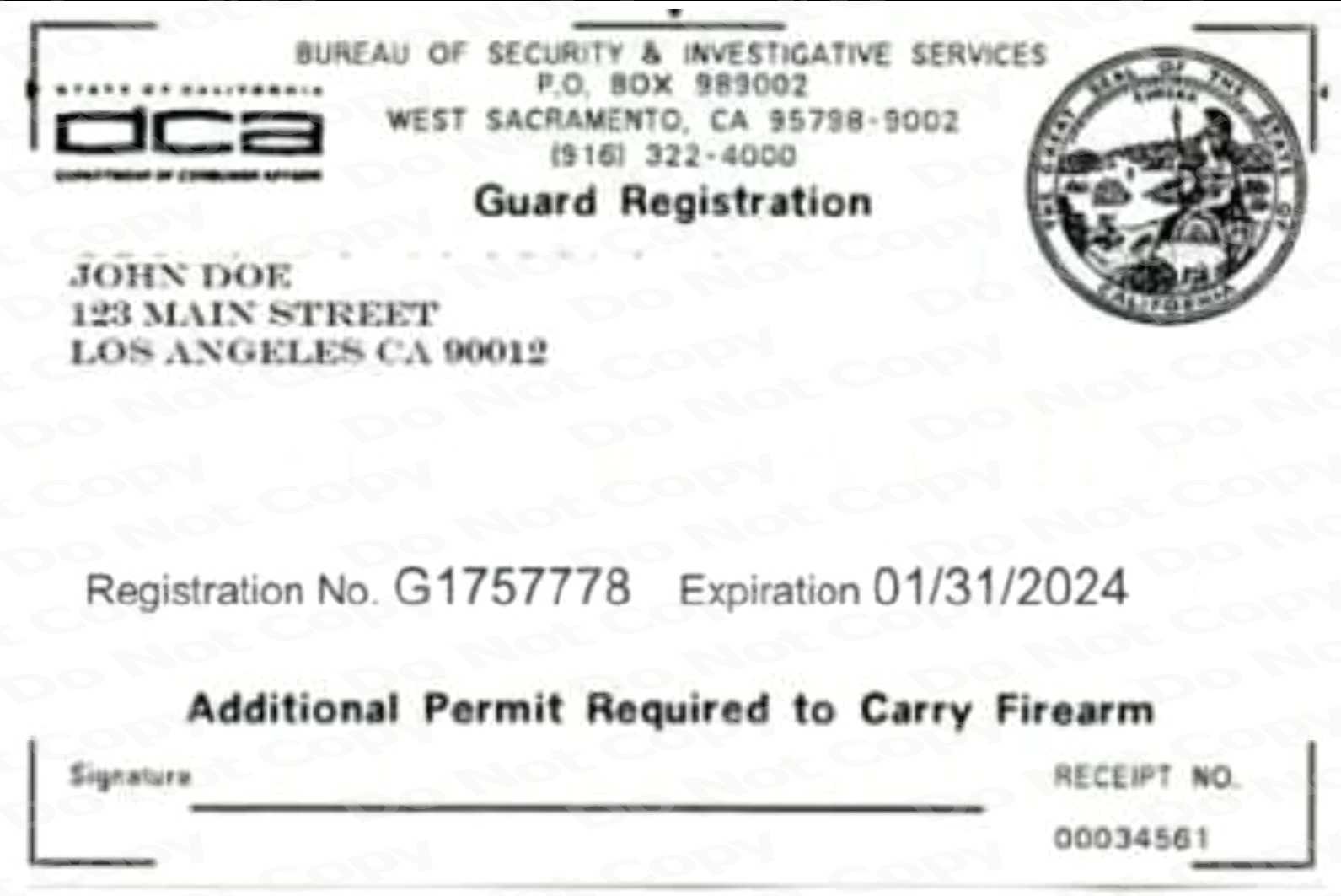
Upon successful review of your application, background check, and completion of all required training, the BSIS will issue your California Guard Card. This card is your official license to operate as a security guard in the state, opening doors to a multitude of roles that cater to California’s dynamic economy, particularly within its booming travel and tourism sectors.
A Career in Security: Opportunities Across California’s Diverse Landscape
Armed with a California Guard Card, you are now poised to explore a vast array of career opportunities that are as diverse and captivating as California itself. The demand for skilled and licensed security professionals is consistently high, particularly within the state’s vibrant tourism, hospitality, and entertainment industries. This isn’t just a job; for many, it’s a lifestyle that places them at the forefront of protecting iconic destinations, ensuring luxury experiences, and contributing to the overall safety of both residents and the millions of visitors who flock to the Golden State.
Safeguarding Hospitality: Hotels, Resorts, and Guest Experiences
The hospitality sector in California, renowned for its world-class hotels, opulent resorts, and charming boutique accommodations, is a significant employer of security guards. From the high-rise luxury hotels in downtown San Francisco or Los Angeles to the sprawling family resorts in Anaheim or coastal retreats in Monterey, security personnel are integral to ensuring guest safety, protecting property, and maintaining a secure environment.
Security guards in these settings are often the first point of contact for guests and play a crucial role in incident prevention, emergency response, and conflict resolution. Their responsibilities can range from monitoring surveillance systems and conducting patrols to assisting with lost and found items, providing directions, and acting as ambassadors for the establishment. The presence of well-trained security contributes directly to the guest experience, influencing positive reviews and fostering a sense of safety and exclusivity, especially for those on luxury travel itineraries or sensitive business stays. Imagine working at a five-star property like the Waldorf Astoria Beverly Hills or ensuring serene stays at a secluded villa in Napa Valley – the role of a security professional here extends beyond deterrence; it’s about facilitating seamless and secure experiences.
Protecting Iconic Destinations: Landmarks, Attractions, and Public Spaces
California is home to some of the world’s most famous landmarks and tourist attractions, each requiring specialized security protocols. A guard card can open doors to positions at:
- Theme Parks: Mega-attractions like Disneyland in Anaheim and Universal Studios Hollywood in Universal City employ large security teams to manage crowds, ensure ride safety, and respond to emergencies, making them significant employers for guard card holders focused on family trips and entertainment tourism.
- Museums and Cultural Institutions: Prestigious institutions such as The Getty Center in Los Angeles and the California Academy of Sciences in San Francisco rely on security guards to protect invaluable art, historical artifacts, and patrons.
- Sports Arenas and Concert Venues: Venues like the Crypto.com Arena in Los Angeles or Chase Center in San Francisco require robust security for crowd management, access control, and rapid incident response during major events. This role often caters to a dynamic lifestyle, with varying hours and exciting environments.
- Shopping Districts and Retail Centers: High-end shopping destinations like Rodeo Drive in Beverly Hills or large retail complexes across the state demand security to prevent theft, manage public order, and ensure a safe shopping experience for both locals and tourists.
- Airports and Transportation Hubs: Security at major airports like Los Angeles International Airport (LAX), San Francisco International Airport (SFO), and San Jose Mineta International Airport is critical for national security and the smooth flow of travel, involving roles that often extend beyond traditional guard duties.
Executive Protection and Lifestyle Security
For those seeking a more specialized and often high-stakes role, the California Guard Card can be a stepping stone into executive protection. California’s status as a global hub for entertainment, technology, and wealth means there’s a constant demand for personal security for celebrities, business executives, and high-net-worth individuals. This facet of security is intrinsically linked to luxury travel and a certain lifestyle, involving close protection details, secure transportation, and ensuring privacy and safety during international travel or stays at exclusive villas. The skills learned through guard card training, combined with advanced certifications (e.g., in defensive driving, combat medicine, or close protection tactics), can lead to a highly remunerative and exciting career, often involving travel to exotic destinations and working in prestigious environments. Beyond specific roles, the sheer volume and diversity of industries in California make it an unparalleled destination for security professionals, from protecting tech campuses in Santa Clara to wineries in Sonoma or supporting remote natural parks.
Maintaining Your Professional Edge: Renewals and Continuous Learning
Obtaining your California Guard Card is a significant achievement, but it’s just the beginning of a professional journey. To maintain your license and ensure continued eligibility for the wealth of opportunities across California’s diverse sectors, including its booming travel and hospitality industries, understanding the renewal process and the importance of continuous learning is paramount. The BSIS mandates regular renewals and ongoing education to ensure that security professionals remain current with evolving industry standards, legal updates, and best practices.
Guard Card Renewal: Staying Certified
Your California Guard Card is valid for two years from the date of issue. Before its expiration, you must initiate the renewal process to avoid a lapse in your license, which could impact your employment.
- Continuing Education Requirement: For each two-year renewal cycle, you are required to complete an additional 8 hours of BSIS-approved continuing education. These courses are designed to reinforce existing knowledge and introduce new concepts, keeping you informed about the latest security techniques, technological advancements, and legal changes that might affect your role. Many training facilities across California offer these renewal courses, often in convenient online formats, catering to the busy schedules of working professionals. Topics might include advanced first aid, de-escalation techniques, updated legal procedures for arrests, or specialized security for specific venues like hotels or large event spaces.
- Submission and Fees: Similar to the initial application, renewals are typically submitted online through the BSIS BreEZe system, accompanied by the required renewal fee. It’s crucial to submit your renewal application well in advance of your card’s expiration date to ensure continuous licensure.
The Value of Continuous Learning and Specialization
Beyond the mandated continuing education, proactive engagement in additional training and specialization can significantly enhance your career trajectory, especially in fields linked to travel, luxury accommodations, and high-profile events.
- Advanced Certifications: Consider pursuing advanced certifications in areas such as advanced first aid and CPR, defensive tactics, use of less-lethal weapons (if authorized by your employer and local regulations), executive protection, or specific industry certifications (e.g., hospitality security, retail loss prevention). These specialized skills make you a more valuable asset to potential employers, particularly those operating in niche markets like luxury resorts, private estates, or executive travel.
- Technological Proficiency: The security landscape is continually evolving with new technologies, from advanced surveillance systems and biometric access controls to drone monitoring and AI-powered threat detection. Staying abreast of these technological developments and acquiring proficiency in their operation is crucial for remaining competitive and effective.
- Career Advancement and Lifestyle: Continuous learning isn’t just about compliance; it’s about career advancement. Security professionals who invest in their education and training are often the first in line for promotions to supervisory roles, management positions, or specialized units. These roles can offer higher salaries, greater responsibilities, and even a more fulfilling lifestyle, perhaps involving leadership at a major hotel chain’s security department, overseeing operations at a popular tourist attraction, or managing a team providing close protection for a celebrity in Hollywood. The ability to adapt and grow ensures that your California Guard Card remains a powerful credential, unlocking a fulfilling and dynamic career in the heart of the Golden State’s diverse and exciting economy.
Conclusion
The journey to obtaining a California Guard Card is a structured process that demands dedication, adherence to legal requirements, and a commitment to professional development. From the initial background checks and the foundational “Powers to Arrest” training to ongoing continuing education, each step is designed to forge competent, reliable, and trustworthy security professionals. However, this journey is more than just about acquiring a license; it’s about opening the door to a myriad of career paths that are deeply interwoven with the vibrant tapestry of California’s economy and lifestyle.
Whether you envision yourself safeguarding guests at a prestigious hotel, ensuring the smooth operation of a bustling tourist landmark, providing executive protection for those engaged in luxury travel, or contributing to the overall safety of local communities and businesses, the California Guard Card is your essential credential. It signifies your readiness to uphold peace, prevent incidents, and respond effectively in diverse and often dynamic environments. In a state that thrives on innovation, tourism, and diverse experiences, the demand for qualified security professionals will only continue to grow. By following the outlined steps and embracing a mindset of continuous learning, you can embark on a stable, rewarding, and often exciting career that places you at the very heart of the Golden State’s unique allure. Your California Guard Card is not just a piece of plastic; it’s a testament to your professionalism and a passport to a secure future within one of the world’s most captivating destinations.