
For travelers seeking unique experiences and a deeper connection with local culture, the process of obtaining a medical cannabis card in Colorado might seem like an intriguing, albeit niche, aspect of a visit. While Colorado is renowned for its breathtaking natural landscapes, vibrant cities like Denver and Boulder, and a thriving tourism industry, understanding the requirements for a medical marijuana program adds another layer to the Colorado experience for those who qualify. This guide will navigate you through the essential steps, focusing on the perspective of a traveler or someone exploring the Colorado lifestyle, rather than a medical professional.
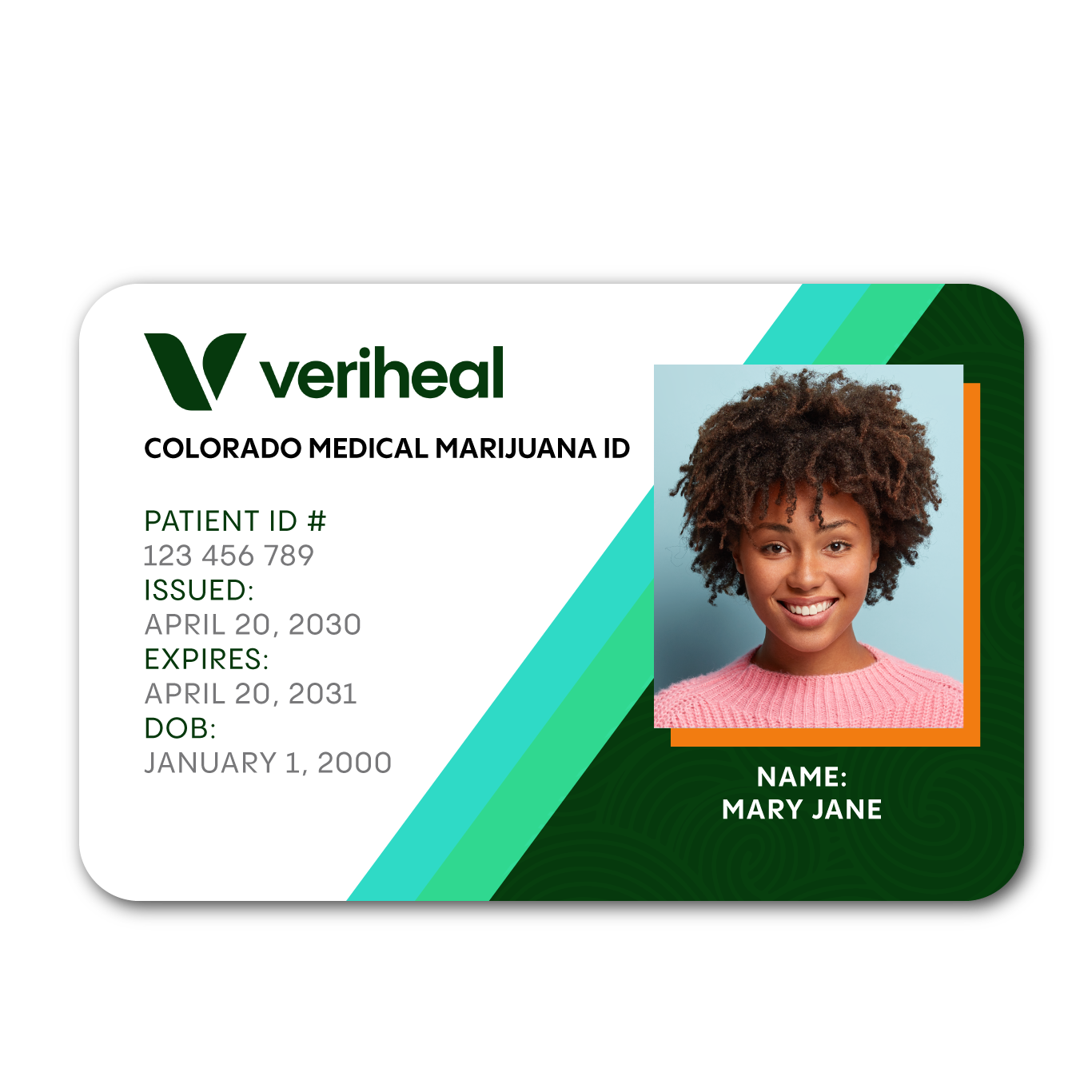
The legalization of medical cannabis in Colorado has paved the way for registered patients to access marijuana for therapeutic purposes. For visitors or residents contemplating this path, the journey involves understanding eligibility, consulting with a physician, and submitting an application to the state. It’s a process rooted in patient protection and regulated access, designed to ensure that individuals who genuinely benefit from medical cannabis can obtain it safely and legally.
Understanding the Eligibility and Initial Steps
Before embarking on the practicalities of obtaining a medical weed card in Colorado, it’s crucial to understand who is eligible and what the initial hurdles are. The Colorado Department of Public Health and Environment (CDPHE) oversees the Medical Marijuana Registry, and their guidelines are paramount.
Who Qualifies for a Medical Marijuana Card in Colorado?
To be eligible for a Colorado medical marijuana card, you must meet specific criteria. Primarily, you need to be a Colorado resident and be at least 18 years of age. For individuals under 18, specific parental or guardian consent and physician recommendations are required. The condition for which you are seeking medical cannabis must also be recognized by the state as a debilitating medical condition. The list of qualifying conditions is extensive and includes, but is not limited to, conditions such as:
- Cancer
- Glaucoma
- HIV/AIDS
- Cachexia (wasting syndrome)
- Persistent muscle spasms (including those diagnosed with epilepsy or multiple sclerosis)
- Seizures (including those diagnosed with epilepsy)
- Severe and persistent nausea
- Severe pain
- Crohn’s disease
- Amyotrophic lateral sclerosis (ALS)
- Post-traumatic stress disorder (PTSD)
- Autism spectrum disorder
- Opioid addiction
- Spinal cord injuries or conditions that cause chronic pain
- Terminal illness
This list is not exhaustive, and it’s always best to consult the official CDPHE website or a physician for the most up-to-date information. The core principle is that the condition must be severe and significantly impact your quality of life, and that cannabis is being recommended as a potential treatment option by a qualified medical professional.
The Crucial Role of a Colorado Physician
The cornerstone of obtaining a medical weed card in Colorado is a recommendation from a physician licensed to practice medicine in Colorado. This physician must have a patient-physician relationship with you and must believe that you would benefit from the medical use of marijuana.
Finding a Physician: For residents, this might involve consulting their primary care physician if they are comfortable discussing medical cannabis. For travelers or those new to the state, there are specific medical marijuana physician clinics that specialize in evaluating patients for medical cannabis cards. These clinics often have a thorough understanding of Colorado’s medical marijuana laws and the qualifying conditions. It is important to find a licensed physician who is willing to make this recommendation, as not all doctors are comfortable with or knowledgeable about medical cannabis.
The Consultation: During your consultation, you will need to present your medical history and documentation to demonstrate your qualifying condition. The physician will conduct an examination and discuss your symptoms and how cannabis might be a suitable treatment. They will also explain the potential risks and benefits. If the physician agrees that you meet the criteria and would benefit from medical cannabis, they will issue a written recommendation. This recommendation is a critical document for your application.
Important Note for Non-Residents: It is essential to understand that Colorado law requires patients to be Colorado residents to obtain a medical marijuana registry card. Therefore, while a physician licensed in Colorado can provide a recommendation, if you are not a resident, you will not be able to complete the state registry process for a medical card. However, Colorado does have laws allowing recreational marijuana dispensaries to serve adults 21 and over, regardless of residency, with proper identification. This distinction is vital for travelers.
The Application Process: From Recommendation to Registry Card
Once you have secured a physician’s recommendation, the next stage involves formally applying to the Colorado Department of Public Health and Environment to become a registered patient. This process ensures your medical use of cannabis is legally protected within the state.
Submitting Your Application to the CDPHE
The application process is managed through the Colorado Medical Marijuana Registry. You will need to submit several documents to the CDPHE. These typically include:
- Physician’s Written Recommendation: The original or a clear copy of the recommendation from your licensed Colorado physician.
- Proof of Colorado Residency: This is a critical requirement. Acceptable documents usually include a Colorado driver’s license, a Colorado state-issued identification card, or utility bills in your name at a Colorado address. If you are a minor, proof of residency for your parent or guardian will be required.
- Government-Issued Photo ID: A valid driver’s license or state-issued ID.
- Application Form: The completed application form provided by the CDPHE.
- Application Fee: A non-refundable fee is required to process your application. The amount can vary, so it’s advisable to check the current fee on the CDPHE website.
Online vs. Mail-In Applications: The CDPHE often facilitates online application submissions, which can streamline the process. However, mail-in options are usually also available. Whichever method you choose, ensure all documentation is accurate, complete, and legible. Incomplete applications can lead to delays or rejections.
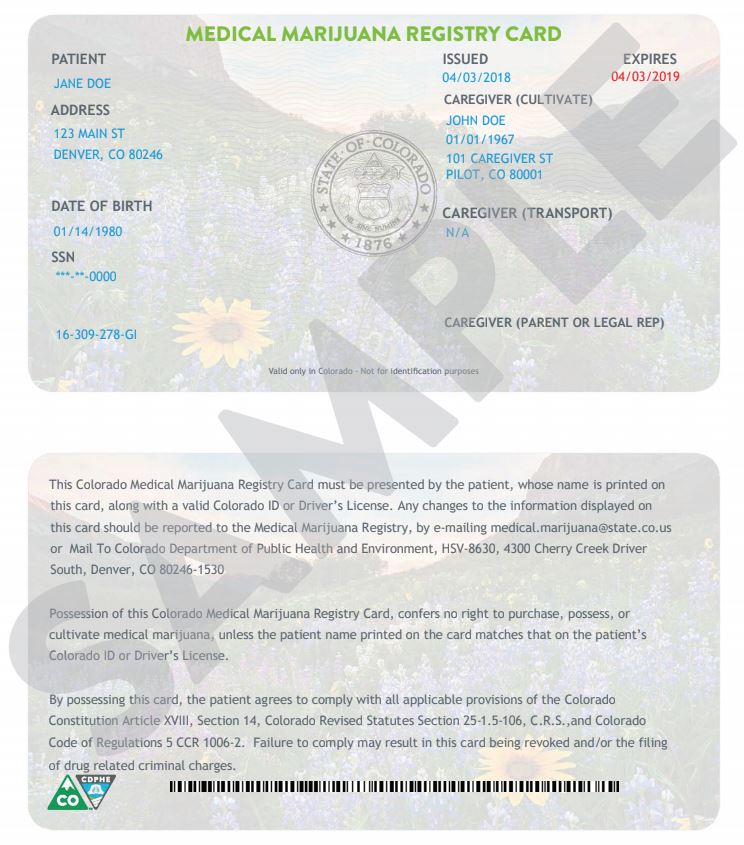
Processing Time: Once submitted, the CDPHE will review your application. The processing time can vary depending on the volume of applications received. Generally, it can take several weeks. You will be notified of the status of your application, and if approved, your official Colorado Medical Marijuana Registry identification card will be mailed to you.
Understanding Your Medical Marijuana Registry Card
Your Colorado Medical Marijuana Registry card is your official authorization to purchase and possess marijuana for medical purposes. It is important to understand what this card entails and how to use it responsibly.
Possession Limits: As a registered patient, you have specific possession limits. Typically, you can possess up to two ounces of usable marijuana. It is crucial to adhere to these limits to avoid legal issues.
Where to Purchase: Your card allows you to purchase medical cannabis from licensed medical marijuana dispensaries throughout Colorado. These dispensaries are specifically regulated to serve registered patients and often have a wider selection of medical products and knowledgeable staff.
Discreet Use and Travel: While Colorado has legalized both medical and recreational marijuana, it’s essential to be aware of where you can legally consume it. Public consumption of marijuana is illegal. Furthermore, transporting marijuana across state lines, even if it’s legal in both states, is a federal offense. This is a critical consideration for travelers planning to visit other states or fly out of Colorado. Even though Colorado is a popular travel destination with attractions like Rocky Mountain National Park and cities like Aspen and Vail, respecting local laws and federal regulations regarding cannabis is paramount.
Reciprocity: Colorado does not currently have a reciprocity agreement for medical marijuana cards with other states. This means that if you have a medical marijuana card from another state, it will not be recognized as valid in Colorado, and you will need to obtain a Colorado medical marijuana card if you wish to purchase medical cannabis within the state.
Alternatives and Considerations for Travelers
For those who do not meet the residency requirements for a Colorado medical marijuana card, or for travelers simply looking to explore Colorado‘s cannabis culture, understanding the recreational market is key.
Exploring Colorado’s Recreational Cannabis Market
Colorado was one of the first states to legalize recreational marijuana for adults 21 years of age and older. This provides a legal avenue for adults to purchase and consume cannabis without a medical card.
Age and Identification: To purchase recreational marijuana, you must be 21 years of age or older and present a valid government-issued photo ID (such as a driver’s license or passport). This applies to both Colorado residents and out-of-state visitors.
Dispensaries: Recreational marijuana can be purchased from licensed recreational dispensaries located throughout the state. These dispensaries offer a wide variety of products, including flower, edibles, concentrates, and topicals.
Purchasing Limits: Recreational purchasers also have limits on how much they can buy at one time. Typically, adults can purchase up to one ounce of usable marijuana per transaction.
Consumption Laws: Similar to medical marijuana, public consumption of recreational marijuana is illegal in Colorado. This includes parks, public streets, and businesses. Consumption is generally limited to private residences where the property owner permits it. Many accommodations, such as hotels or rental apartments, will have strict policies against cannabis consumption. It is always best to check with your accommodation provider.
Travel and Accommodation Considerations in Colorado
When planning a trip to Colorado, whether for leisure or to explore the medical cannabis landscape, integrating your plans with accommodation and travel logistics is important.
Accommodation Options: Colorado offers a vast array of accommodation options, from luxury resorts in Aspen and Vail to cozy apartments in Denver or rustic cabins near Rocky Mountain National Park. When booking, it’s wise to be aware of any specific policies regarding smoking or cannabis use. Some establishments may have designated smoking areas, while others strictly prohibit any form of smoking or vaping on their premises. For discreet and private consumption, renting a private villa or apartment might offer more flexibility, provided you adhere to local ordinances and landlord rules.
Travel within Colorado: Colorado’s extensive public transportation system and well-maintained highways make it easy to travel between cities and explore various attractions. Whether you’re heading to the vibrant arts scene in Denver, the natural beauty surrounding Boulder, or the charming mountain towns, planning your itinerary around legal consumption laws and designated areas is crucial. Remember that driving under the influence of cannabis is illegal and carries severe penalties.
In conclusion, while the process of obtaining a medical weed card in Colorado involves specific residency and medical requirements, the state also offers a robust recreational market accessible to adults 21 and over. For travelers, understanding these distinctions, along with local laws and accommodation policies, will ensure a smooth and enjoyable experience exploring the diverse offerings of the Centennial State.