
Embarking on a new business venture in the vibrant state of California is an exciting prospect, especially for those looking to tap into its booming travel, tourism, and hospitality industries. From opening a charming boutique hotel in Napa Valley to launching a unique tour experience showcasing the Hollywood Walk of Fame, or even setting up a captivating gift shop near the Golden Gate Bridge, the Golden State offers unparalleled opportunities. However, before you can start selling your goods or services and welcoming guests, there’s a fundamental step that often comes with a bit of confusion: obtaining a seller’s permit.
A seller’s permit, often referred to as a sales tax permit or a resale license, is a mandatory requirement for any individual or entity planning to sell tangible personal property in California. This isn’t just a bureaucratic hurdle; it’s the mechanism through which the state collects sales tax, which in turn funds essential public services and infrastructure. For businesses within the travel and accommodation sectors, understanding this permit is crucial. It ensures you operate legally, maintain financial integrity, and contribute positively to the local economies of iconic destinations like Los Angeles, San Francisco, and San Diego. This comprehensive guide will walk you through everything you need to know, contextualizing the process for the specific needs of entrepreneurs in the dynamic world of California’s lifestyle and leisure economy.
Understanding the Seller’s Permit: Your Gateway to California’s Travel Economy
At its core, a seller’s permit grants you the authority to collect sales tax from your customers on behalf of the state. It’s not a business license in the traditional sense, which often pertains to operating a specific type of business in a particular city or county. Instead, it’s solely focused on sales tax collection and remittance. For anyone venturing into the tourism, hotels, or related lifestyle industries, grasping this distinction is the first step toward seamless operation in California.
Who Needs a Seller’s Permit in the Hospitality and Tourism Sectors?
The reach of the seller’s permit requirement extends to a surprisingly broad range of businesses within the hospitality and tourism ecosystem. If your business involves the sale of any physical item, you likely need one. Consider these common scenarios:
- Hotel Gift Shops and Boutiques: Whether you run a souvenir shop at the Disneyland Resort, a high-end fashion boutique within a Beverly Hills luxury hotel, or a small craft store at a charming inn near Yosemite National Park, you’re selling tangible goods.
- Restaurants, Cafes, and Food Stands: If your hotel or resort includes a dining establishment, or if you operate a food truck catering to tourists near the Santa Monica Pier, the food and beverages you sell are subject to sales tax.
- Tour Operators and Experience Providers: While the tour service itself might not be taxed, if you sell accompanying merchandise like t-shirts, guidebooks, snacks, or bottled water during a wine tour through Temecula Valley, those items require a permit.
- Vacation Rental Owners and Property Managers: If, in addition to renting out your Palm Springs villa, you offer items for sale to guests, such as local artisan products, branded merchandise, or mini-bar snacks, a seller’s permit becomes necessary.
- Event Vendors: Participating in local festivals, farmers’ markets, or trade shows (like a travel expo in Anaheim) where you sell tangible products means you’ll need at least a temporary seller’s permit.
- Online Retailers Shipping to California: Even if your primary business is an accommodation booking site, but you also sell related merchandise like travel gear, if you have a physical presence or nexus in California, you’ll need a permit.
Essentially, if money changes hands for a physical product, the state expects you to collect and remit sales tax, and the seller’s permit is your official authorization to do so.
Differentiating Between a Seller’s Permit and Other Business Licenses
It’s easy to confuse a seller’s permit with the myriad of other permits and licenses required to run a business in California. However, they serve distinct purposes:
- Business License: This is typically issued by your city or county and grants you permission to operate a business within their jurisdiction. For instance, a hotel in San Jose will need a San Jose business license.
- Zoning Permits: These ensure your business location complies with local land use regulations.
- Health Permits: Essential for any business handling food or beverages, from a roadside stand to a five-star restaurant at a luxury resort.
- Federal Permits/Licenses: Depending on your business, you might need permits from federal agencies, though these are less common for most small to medium-sized travel and hospitality operations.
- Seller’s Permit: Exclusively for collecting and remitting sales tax on tangible personal property.
While you’ll likely need several of these permits to operate fully and legally, the seller’s permit is unique in its statewide application and its focus on sales tax. It’s managed by the California Department of Tax and Fee Administration (CDTFA), the state agency responsible for sales and use taxes.
The Step-by-Step Application Process for California Businesses
Obtaining a seller’s permit in California is a relatively straightforward process, designed to be accessible to both seasoned entrepreneurs and first-time business owners. The CDTFA has streamlined much of the application, particularly through its online portal.
Preparing Your Application: Essential Information and Documentation
Before you begin the online application, it’s wise to gather all necessary information. This proactive step will prevent delays and ensure accuracy. Here’s a checklist of what you’ll typically need:
-
Business Information:
- Legal Business Name: The official name under which your business is registered.
- Doing Business As (DBA) Name: If you operate under a name different from your legal business name (e.g., “Pacific Dreams Tours” operating under “XYZ Inc.”).
- Business Address(es): The physical location(s) where you conduct business or store inventory. This is particularly important for businesses with multiple locations, such as a chain of boutique hotels or souvenir shops across Southern California.
- Mailing Address: Where you want to receive official communications from the CDTFA.
- Business Type: Sole proprietorship, partnership, corporation, LLC, etc.
- Federal Employer Identification Number (FEIN): If your business is structured as anything other than a sole proprietorship with no employees, you’ll have an FEIN. Sole proprietors using their Social Security Number (SSN) will provide that instead.
- North American Industry Classification System (NAICS) Code: A six-digit code that classifies your primary business activity. You can easily find this online by searching for your industry (e.g., “hotels,” “tour operators,” “gift shops”).
- Start Date of Business Operations: The date you began or plan to begin selling tangible personal property.
-
Personal Information:
- Owner(s) / Officer(s) / Partner(s) Details: Full legal names, Social Security Numbers (SSNs), dates of birth, driver’s license numbers, and home addresses for all responsible parties.
- Contact Information: Phone number and email address for the primary contact person.
-
Sales Information:
- Estimated Monthly Taxable Sales: You’ll need to provide an estimate of how much taxable property you expect to sell each month. This helps the CDTFA determine your filing frequency (e.g., monthly, quarterly, annually). For new businesses, a reasonable projection is acceptable.
- Nature of Business: A brief description of the products you will be selling (e.g., “souvenirs and apparel,” “prepared food and beverages,” “hotel amenities”).
Having all this information neatly organized before you start the online application will make the process much smoother and faster.
Navigating the California Department of Tax and Fee Administration (CDTFA) Online Portal
The most efficient way to apply for a seller’s permit is through the CDTFA’s online registration system.

- Access the CDTFA Website: Go to the official California Department of Tax and Fee Administration (CDTFA) website. Look for a section titled “Register for a Permit” or “Apply for a Seller’s Permit.”
- Create an Account (if new): If you don’t already have an online account with the CDTFA, you’ll need to create one. This typically involves providing an email address and creating a password.
- Start the Application: Select the option to apply for a new seller’s permit. The system will guide you through a series of questions based on the information outlined above.
- Complete Each Section: Carefully fill in all required fields. Be precise, especially with legal names and identification numbers, as errors can cause delays.
- Review and Submit: Before final submission, review all the information you’ve entered. Ensure accuracy and completeness. Once you’re confident, submit your application.
- Receive Your Permit: In many cases, if your application is straightforward and all information is verified, you can receive a temporary permit number immediately online. The official permit, often a physical document, will then be mailed to you, usually within a few weeks. In some instances, particularly if there are complexities in your business structure or a history of tax issues, the CDTFA might require additional verification or an in-person visit to one of their field offices located in cities like Sacramento, Fresno, or Oakland.
The process is generally free, though some specific types of permits or late applications might incur fees. Once issued, your seller’s permit does not expire as long as your business continues to operate and you remain compliant with sales tax regulations.
Specific Considerations for Travel and Accommodation Providers
While the general application process is consistent, businesses in the travel and accommodation sectors have unique aspects to consider regarding sales tax. Understanding these nuances is key to avoiding compliance issues and optimizing your financial operations.
Sales Tax vs. Transient Occupancy Tax (TOT): A Crucial Distinction
One of the most common areas of confusion for hotel and vacation rental owners is the difference between sales tax and Transient Occupancy Tax (TOT), also known as hotel tax or bed tax.
- Sales Tax: This is levied on the sale of tangible personal property. As discussed, this is what your seller’s permit is for. If a guest buys a souvenir mug from your hotel gift shop or a meal at your resort restaurant, sales tax applies.
- Transient Occupancy Tax (TOT): This tax is imposed on the occupancy of a hotel room, vacation rental, or similar accommodation for a short period (typically less than 30 days). Crucially, the rental of a room itself is generally considered a service, not the sale of tangible personal property, and is therefore NOT subject to state sales tax. TOT is usually collected by cities and counties, not the state CDTFA. The rates and regulations for TOT vary significantly from one municipality to another. For example, the TOT in San Francisco will be different from that in Santa Barbara or Lake Tahoe.
Therefore, if you solely rent out accommodation and do not sell any tangible goods, you might not need a state seller’s permit. However, you will almost certainly need to register for and collect TOT with your local city or county tax collector. Many hotels and resorts, however, do sell tangible items (mini-bar snacks, gift shop items, prepared food), making a seller’s permit essential in addition to their TOT obligations. Always check both state and local requirements.
Utilizing Resale Certificates for Inventory and Supplies
A significant benefit of having a seller’s permit, especially for businesses that buy goods to resell, is the ability to use a resale certificate. When you purchase inventory (e.g., souvenirs for your gift shop, ingredients for your restaurant, toiletries for your hotel rooms) from a wholesaler or supplier, you can provide them with your seller’s permit number and a resale certificate. This allows you to purchase these items without paying sales tax at the time of purchase.
The rationale is simple: sales tax is only collected once, at the final point of sale to the consumer. As an intermediary, you’re exempt from paying sales tax on items you intend to resell. This streamlines your purchasing process and improves your cash flow. However, it’s vital to use resale certificates correctly and only for items genuinely intended for resale. Misuse can lead to penalties from the CDTFA.
Special Cases: Temporary Permits for Events and Pop-Up Experiences
The dynamic nature of the travel and tourism industry often involves temporary engagements. If you plan to sell goods at a seasonal event, a pop-up market, a conference, or a short-term festival (e.g., a craft fair in Solvang or a food festival in San Luis Obispo), you might not need a full-time seller’s permit. The CDTFA offers temporary seller’s permits for short-term sellers. These are generally valid for 90 days or less. The application process is similar to a regular permit but tailored for short-duration sales. This is incredibly useful for tour operators selling merchandise at a specific event or a small accommodation provider showcasing local products for a limited period.
Beyond the Application: Maintaining Compliance and Growing Your Business in California
Obtaining your seller’s permit is just the beginning. To ensure long-term success and avoid legal or financial pitfalls, maintaining compliance with California’s sales tax laws is paramount. This involves consistent record-keeping and timely filing of tax returns.
Filing Your Sales Tax Returns: Schedules and Best Practices
Once you have your seller’s permit, the CDTFA will assign you a filing frequency, typically monthly, quarterly, or annually. This frequency is determined by your estimated taxable sales volume. Businesses with high sales volumes, such as large resorts or popular tourist attractions in Northern California like Pier 39 in San Francisco, might file monthly, while smaller operations like a specialized boutique accommodation in Mendocino selling a few local crafts might file annually.
- Online Filing: The CDTFA strongly encourages and facilitates online filing through their website. This is the most convenient and secure method.
- Accuracy: Ensure all reported sales and tax collected are accurate. Misreporting can lead to fines and interest.
- Deadlines: Mark your filing deadlines on your calendar. Late filing can incur penalties. If a deadline falls on a weekend or holiday, the due date is usually extended to the next business day.
- Sales Tax vs. Use Tax: Remember to differentiate between sales tax (collected on sales made within California) and use tax (owed on purchases made outside California for use within the state, where sales tax wasn’t collected). While your seller’s permit focuses on sales tax, both are often reported on the same return.
Staying on top of your filing obligations ensures your business remains in good standing with the state, fostering a solid foundation for growth and expansion across California’s diverse regions, from the bustling cities to the tranquil national parks.
Record-Keeping and Audits: Ensuring Smooth Operations
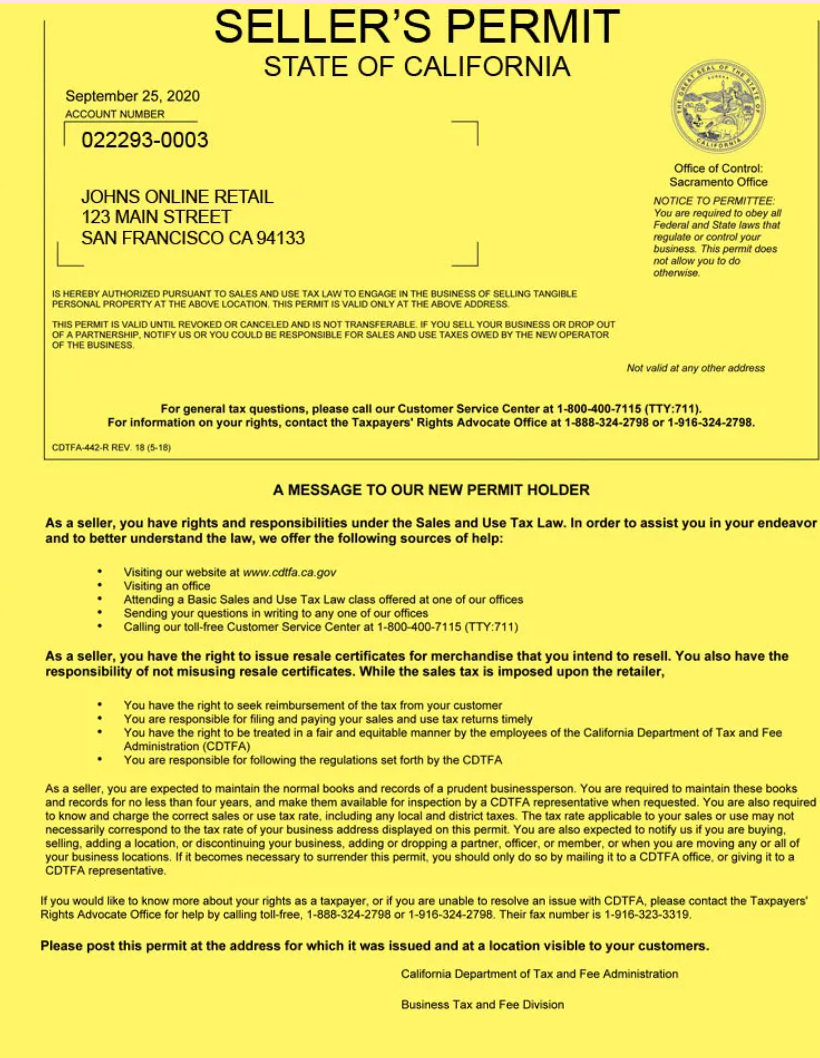
Diligent record-keeping is not just good business practice; it’s a legal requirement for seller’s permit holders. You must maintain complete and accurate records for at least four years to substantiate all sales, purchases, and tax returns. This includes:
- Sales Invoices and Receipts: Detailed records of all sales, showing items sold, prices, and sales tax collected.
- Purchase Invoices: Records of all inventory and supplies purchased, especially those for which you used a resale certificate.
- Ledgers and Journals: Accounts showing gross receipts, deductions, and taxable sales.
- Bank Statements: Proof of deposits and withdrawals related to business operations.
The CDTFA conducts audits to ensure businesses are complying with sales and use tax laws. While an audit can seem daunting, having meticulous records makes the process much smoother and significantly reduces the risk of adverse findings. For a hotel with multiple revenue streams (room rentals, restaurant, gift shop, spa services), organized accounting is vital to distinguish between taxable and non-taxable transactions.
In conclusion, securing a seller’s permit in California is an indispensable step for any entrepreneur involved in selling tangible personal property, a common activity within the expansive travel, hospitality, and tourism sectors. From the vibrant lifestyle offerings of Southern California to the serene landscapes of Northern California, understanding and fulfilling this requirement ensures your business operates legally, contributes to the state’s economy, and maintains trust with your customers. By following the outlined steps, paying attention to specific industry considerations, and committing to ongoing compliance, you’ll be well-positioned to thrive in California’s dynamic market, offering unforgettable experiences to visitors from around the globe.