
For many aspiring drivers, obtaining a learner’s permit represents the first tangible step towards independence and the freedom of the open road. In a state as expansive and diverse as Florida, this milestone holds particular significance. Imagine cruising down scenic coastal highways, exploring vibrant city centers, or embarking on spontaneous road trips to discover hidden gems. A learner’s permit is not just a piece of paper; it’s a passport to future travel adventures, enabling you to eventually navigate Florida’s countless destinations on your own terms.
This comprehensive guide will walk you through every step of securing your learner’s permit in the Sunshine State. From understanding eligibility criteria and gathering essential documents to mastering the required courses and examinations, we’ll cover everything you need to know to confidently begin your driving journey. Embracing this process is more than just fulfilling legal requirements; it’s about preparing for a lifestyle of exploration, discovery, and unparalleled freedom that Florida so generously offers. Whether you dream of visiting theme parks in Orlando, relaxing on the beaches of Sarasota, or diving into the vibrant cultural scene of Miami, getting your learner’s permit is the fundamental first gear in your journey.
Setting the Wheels in Motion: Eligibility and Initial Requirements
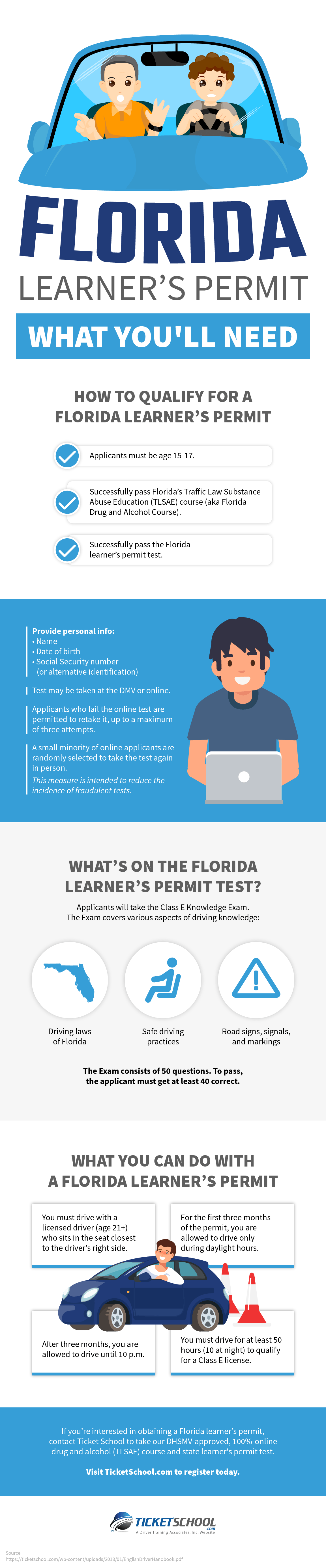
Before you can even dream of getting behind the wheel, there are a few foundational requirements that every aspiring driver in Florida must meet. These aren’t just bureaucratic hurdles; they are designed to ensure that new drivers are of an appropriate age and legal standing to begin their supervised driving experience, setting a responsible tone for their future on the road.
Who is Eligible? Age and Residency Demystified
The journey to your Florida learner’s permit begins with meeting specific age and residency requirements. To apply for a learner’s permit, you must be at least 15 years old. This age threshold is set to balance youthful eagerness with a developing sense of responsibility crucial for safe driving. While 15 might seem young, the permit phase is specifically designed for supervised practice, allowing ample time for new drivers to gain experience under the watchful eye of an adult.
Beyond age, you must also prove that you are a legitimate resident of Florida. This requirement ensures that individuals obtaining permits are part of the state’s community and will adhere to its traffic laws. For minors, parental or guardian consent is also a mandatory part of the application process. This involves a parent or legal guardian signing a Parental Consent Form, acknowledging their responsibility for the minor’s driving education and ensuring they understand the commitment involved. This initial step underscores the family-oriented lifestyle often associated with Florida, where family trips and shared experiences are common. Gaining this permit isn’t just about personal freedom; it’s about enabling a family to explore Florida’s many attractions and landmarks together, perhaps making a visit to the Kennedy Space Center Visitor Complex or a drive down to Key West a reality.
Gathering Your Arsenal: Essential Documents
Once you’ve confirmed your eligibility, the next critical step is to meticulously gather all the necessary documentation. Think of this as preparing your essential travel documents before embarking on an international trip or booking a stay at a new hotel; thorough preparation ensures a smooth, stress-free process. The Florida Department of Highway Safety and Motor Vehicles (DHSMV), often referred to as the DMV, requires specific proofs to verify your identity, residency, and other vital information.
Here’s a breakdown of what you’ll typically need:
- Proof of Identity: This could be an original U.S. birth certificate, a valid U.S. passport, or a Certificate of Naturalization. The key is an original document, not a photocopy, as it needs to be verified on the spot.
- Proof of Social Security Number (SSN): Your Social Security card, a W-2 form, or a pay stub displaying your full SSN are acceptable. This helps to confirm your official status within the U.S. system.
- Proof of Residential Address: The DHSMV requires two different documents showing your residential address. For minors, these can often be documents addressed to a parent or guardian, accompanied by the Parental Consent Form. Examples include utility bills, a school transcript, or mail from a financial institution. This ensures you are a genuine Florida resident, not just a visitor passing through.
- Parental Consent Form (if applicable): If you are under 18, your parent or legal guardian must sign a consent form (HSMV Form 71142) in front of a DHSMV representative or have it notarized.
Having these documents organized and ready will significantly expedite your visit to the DHSMV office. Much like checking into a carefully chosen accommodation with all your booking confirmations in hand, being prepared sets the stage for a positive experience. Without the correct documents, your application will face delays, much like a poorly planned vacation itinerary can lead to missed connections.
Navigating the Pathways: Courses and Examinations
With your eligibility confirmed and documents in hand, the next phase involves acquiring the foundational knowledge and demonstrating the basic physical abilities required to drive safely. This stage is crucial for building a strong understanding of Florida’s traffic laws and ensuring you are ready to operate a vehicle responsibly.
The Foundation Course: Traffic Law and Substance Abuse Education (TLSAE)
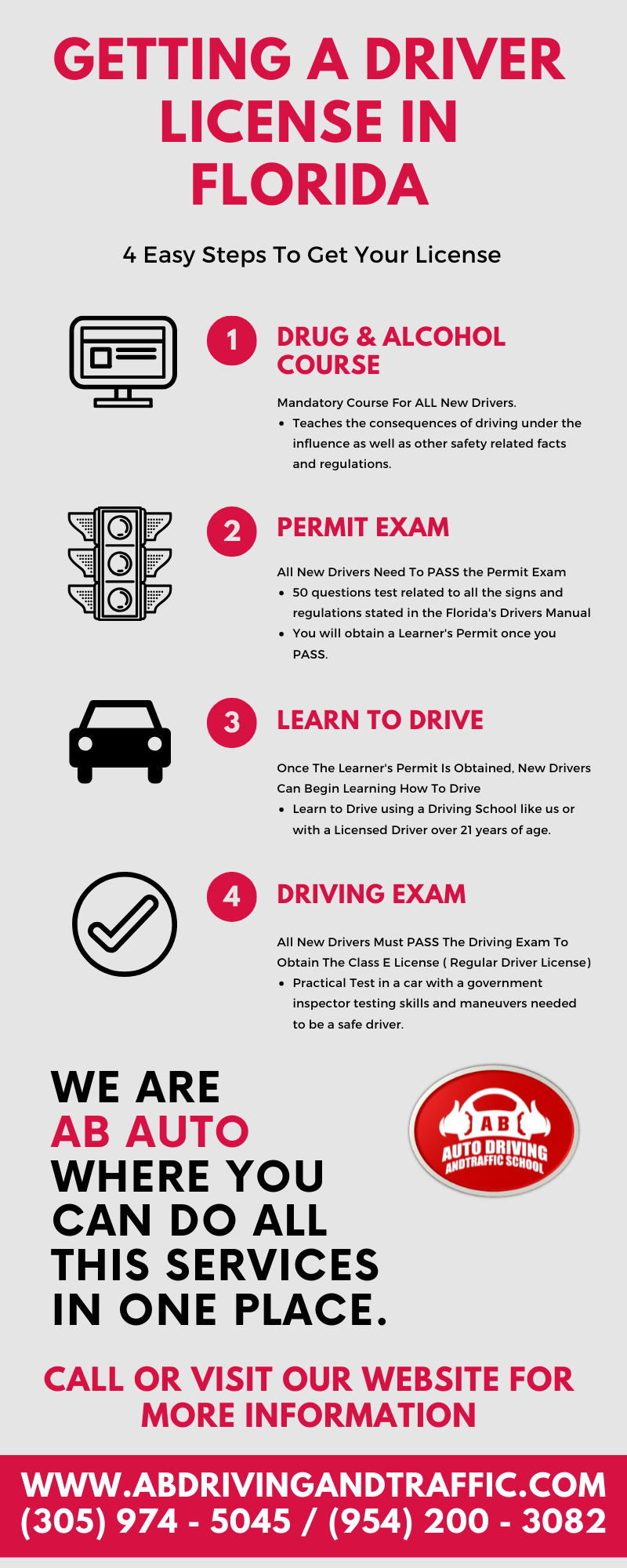
A mandatory prerequisite for all first-time drivers in Florida (regardless of age) is the completion of a Traffic Law and Substance Abuse Education (TLSAE) course. This vital 4-hour course is designed to educate new drivers about Florida’s traffic laws, the devastating effects of drug and alcohol abuse on driving ability, and techniques for safe and responsible vehicle operation. It emphasizes defensive driving and hazard awareness, skills that are invaluable whether you’re navigating the bustling streets of Tampa or the quieter roads near Amelia Island.
The TLSAE course can be taken through various approved providers, often available both online and in traditional classroom settings. The flexibility of online courses makes it convenient for students to fit this requirement into their schedules, much like online travel planning allows for customizable itineraries. Completing this course is not merely a formality; it instills a crucial understanding of the legal and ethical responsibilities that come with driving. It’s the theoretical groundwork for the practical adventures that await you, ensuring that your future explorations of Florida’s destinations are not only exciting but also safe. This educational cornerstone is vital for minimizing risks, allowing you to focus on the joy of discovering Florida’s local culture and food safely.
Proving Your Prowess: The Vision, Hearing, and Knowledge Exams
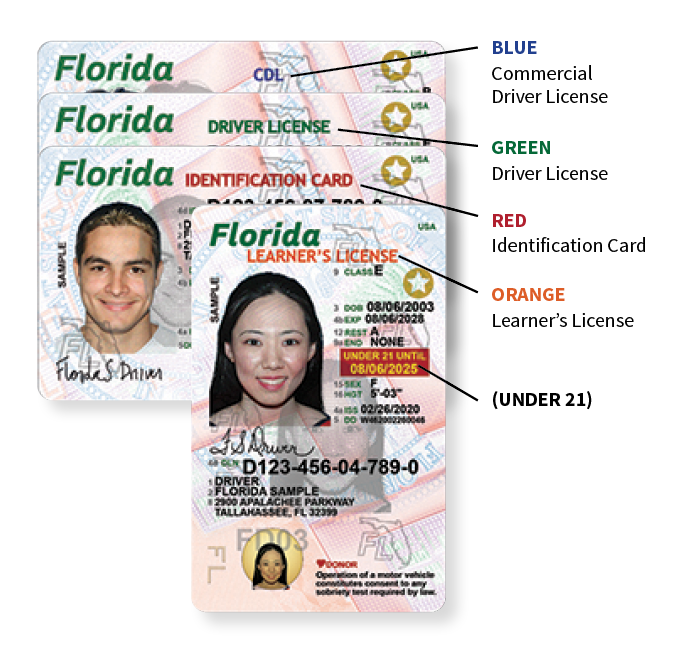
Once the TLSAE course is complete, your final steps before receiving your permit involve demonstrating your physical capabilities and theoretical understanding through a series of tests administered at a DHSMV office.
- Vision and Hearing Tests: Upon arrival at the DHSMV, you’ll undergo quick vision and hearing screenings. These are straightforward tests to ensure you can adequately see and hear, which are fundamental senses required for safe driving. If you wear corrective lenses or hearing aids, be sure to bring them, as the tests will evaluate your vision and hearing with any necessary aids.
- Knowledge Exam: This is often the most nerve-wracking part for new applicants. The knowledge exam, sometimes referred to as the Class E Knowledge Exam or written test, consists of 40 multiple-choice questions covering Florida traffic laws and road signs. You must correctly answer at least 32 questions (80%) to pass. Many DHSMV offices allow you to take this exam electronically on-site. The knowledge required for this test is directly from the official Florida Driver Handbook and the concepts covered in the TLSAE course.
To prepare effectively for the knowledge exam, numerous resources are available, including online practice tests and the official driver handbook. Treat this preparation with the same diligence you would for researching the best hotels or comparing accommodation options for a crucial trip. Understanding road signs is vital for navigating Florida’s diverse roadways, from the bustling highways like Interstate 95 to the scenic routes leading to Everglades National Park. A solid grasp of traffic laws ensures your safety and the safety of others, an essential aspect of responsible tourism and travel within the state. Passing these tests marks a significant achievement, bringing you one step closer to hands-on driving experience.
Your First Taste of Freedom: Understanding Learner’s Permit Restrictions and Responsibilities
Congratulations! Once you’ve successfully passed all your tests and paid the required fees, you’ll be issued your official Florida learner’s permit. This permit signifies your entry into the world of driving, but it comes with specific rules and responsibilities designed to ensure your safety and the safety of others as you gain experience. Think of these restrictions as the guardrails on a thrilling new ride—they’re there to protect you as you learn the ropes.
The Rules of the Road: Driving Limitations
A learner’s permit is not a full driver’s license, and as such, it carries important limitations. These rules are in place to allow new drivers to develop their skills in a controlled environment, gradually building confidence and competence.
- Supervised Driving: The most critical restriction is that you must always be accompanied by a licensed driver who is at least 21 years old. This supervising driver must occupy the front passenger seat, ready to provide guidance and intervention if needed. This experienced companion acts as your co-pilot, much like a seasoned tour guide might lead you through an unfamiliar city, pointing out landmarks and local tips.
- Daylight Driving: For the first three months after obtaining your learner’s permit, you are restricted to driving only during daylight hours. This allows you to gain initial experience in optimal visibility conditions, reducing the complexities of night driving, which presents its own unique challenges (e.g., reduced visibility, glare from headlights).
- Extended Hours: After the initial three months, your driving hours are extended. You may then drive until 10 PM, still under the supervision of a licensed driver aged 21 or older. This gradual expansion of driving time allows you to adapt to varying light conditions as your experience grows.
These limitations are not meant to hinder your enthusiasm but rather to foster safe driving habits. Imagine taking your first supervised drives through Jacksonville’s downtown, or along the picturesque coastline near Fort Lauderdale. Each outing becomes an opportunity to learn and grow, preparing you for the full independence that lies ahead, allowing you to eventually fully immerse yourself in Florida’s tourism and lifestyle.
The Path to a Full License: Logging Practice Hours
Beyond simply adhering to the restrictions, actively engaging in supervised driving is paramount. Before you can apply for a full (Class E) driver’s license in Florida, you must complete a minimum of 50 hours of supervised driving practice. Critically, 10 of these hours must be conducted at night.
This practice log is not just a formality; it’s an essential component of becoming a skilled and confident driver. During these hours, you should aim to drive in a variety of conditions and environments. Practice in different types of traffic—from quiet residential streets to busier arterial roads in cities like Tallahassee. Experience driving on highways such as Florida’s Turnpike to understand higher speeds and multi-lane changes. Practice parallel parking, three-point turns, and navigating intersections. The goal is to build a comprehensive skill set that prepares you for any scenario on Florida’s diverse road network.
Logging these hours systematically, perhaps in a driving journal, ensures you meet the state’s requirements and provides a clear record of your progress. This methodical approach is akin to planning a complex travel itinerary for a family trip to Walt Disney World Resort or Universal Orlando Resort, where each step is planned for a successful outcome. The more varied your practice, the better prepared you will be for the driving test and, more importantly, for a lifetime of safe driving. This disciplined practice is the bridge from supervised learning to the ultimate freedom of independent travel and the exploration of Florida’s boundless attractions.
Beyond the Permit: Embracing the Florida Lifestyle
Obtaining your learner’s permit is far more than just navigating bureaucratic steps; it’s about unlocking a new dimension of freedom and independence that profoundly impacts your personal lifestyle and potential for travel and tourism in Florida. The Sunshine State is a sprawling canvas of diverse destinations, from bustling metropolitan hubs to tranquil natural landmarks, and having the ability to drive independently is the key to truly experiencing it all.
Imagine the excitement of being able to plan your own weekend road trips, no longer solely reliant on parents or public transportation. With a driver’s license in hand, the possibilities for exploration become virtually limitless. You could wake up one Saturday and decide to head to Clearwater Beach for some sun and surf, or journey south to South Beach in Miami for a taste of its vibrant nightlife and cultural scene. Perhaps you dream of kayaking through the mangroves of the Everglades National Park or discovering the historical charm of St. Augustine, the nation’s oldest city. Each of these experiences becomes accessible with the freedom of a driver’s license.
This newfound independence also opens doors for future travel beyond Florida’s borders. The skills you hone with your learner’s permit and subsequent license are universal. You’ll be equipped to navigate unfamiliar roads in new cities, confidently book a car rental during a vacation, and enjoy the flexibility of choosing your own schedule when visiting boutique hotels or luxury resorts in distant lands. Whether it’s a budget travel backpacking adventure or a sophisticated business stay, the ability to drive is a fundamental skill that enhances global mobility and personal freedom.
Moreover, the process of getting your learner’s permit and eventually your full license fosters responsibility, discipline, and a deeper understanding of road safety—qualities that transcend driving and apply to many aspects of life. It’s a significant step in personal growth, transforming you from a dependent passenger into an independent navigator of your own journey, both literally and figuratively. Florida’s unique blend of natural beauty, dynamic cities, and endless recreational activities awaits, and your learner’s permit is the crucial first gear in a lifetime of exploring it all.
In conclusion, obtaining your learner’s permit in Florida is an exciting and empowering process that marks the beginning of a lifetime of independent travel and exploration. By diligently meeting the eligibility requirements, preparing your documents, mastering the necessary courses and exams, and responsibly adhering to permit restrictions, you are not just earning a privilege—you are unlocking the vast potential that the Sunshine State has to offer. From spontaneous beach trips to carefully planned family adventures to world-famous attractions, your learner’s permit is your first step towards truly embracing the vibrant Florida lifestyle and all the freedom it entails. So, get ready to embark on this thrilling journey; the open roads of Florida await!
LifeOutOfTheBox is a participant in the Amazon Services LLC Associates Program, an affiliate advertising program designed to provide a means for sites to earn advertising fees by advertising and linking to Amazon.com. Amazon, the Amazon logo, AmazonSupply, and the AmazonSupply logo are trademarks of Amazon.com, Inc. or its affiliates. As an Amazon Associate we earn affiliate commissions from qualifying purchases.