
For many, the name Hawaii evokes images of sun-drenched beaches, azure waters, and lush volcanic landscapes. It’s a destination synonymous with paradise, a vibrant tapestry woven from rich culture, breathtaking nature, and the warm embrace of the Aloha spirit. However, before you even begin to dream of your perfect getaway to this island paradise, there’s a fundamental question that often perplexes travelers: how do you correctly pronounce Hawaii? Getting it right is more than just a matter of linguistic precision; it’s a gesture of respect, an acknowledgment of the islands’ deep Polynesian roots, and a subtle nod to the unique cultural heritage that sets this United States archipelago apart.

The common mispronunciation, often heard as “huh-WAH-yee” or even “hah-WAH-yah,” misses the subtle yet crucial nuances of the Hawaiian language. Understanding the correct pronunciation, “hah-WAH-ee-ee,” is the first step in truly connecting with the spirit of the islands, allowing you to immerse yourself more fully in the local culture, cuisine, and unparalleled natural beauty. This article will not only guide you through the phonetics of the name but also explore why its correct utterance is so significant, and how mastering it can enhance your entire travel experience across this magnificent chain of islands in the Pacific Ocean.
Unraveling the True Pronunciation: A Cultural Dive
The Hawaiian language, ‘Ōlelo Hawai’i, is a beautiful and melodic tongue, unique in its simplicity and profound in its cultural significance. Unlike English, with its myriad of vowel sounds and silent letters, Hawaiian is remarkably consistent, making it relatively straightforward once you understand its foundational rules. The correct pronunciation of Hawaii serves as an excellent entry point into this linguistic world, highlighting key features of the language itself.
The Hawaiian Language and its Nuances
The Hawaiian alphabet is comprised of only twelve letters: five vowels (a, e, i, o, u) and seven consonants (h, k, l, m, n, p, w). Additionally, there are two crucial marks that dictate pronunciation: the ‘okina and the kahakō. The ‘okina (ʻ), a glottal stop similar to the sound between the “oh-oh” in English, indicates a brief pause, while the kahakō (macron over a vowel) lengthens the vowel sound.
When it comes to “Hawaii,” the key is to recognize that it is a four-syllable word: Ha-wai-i.
Let’s break it down:
- Ha: Pronounced “hah,” like the beginning of “happy.”
- wai: Pronounced “wahy,” as in the English word “why.”
- i’i: This is where many people stumble. It’s two distinct “ee” sounds, like the “ee” in “see,” with a very slight glottal stop or separation in between if spoken quickly. Think of it as “ee-ee.”
The emphasis falls on the second syllable, “wai.” So, combining these, you get “hah-WAH-ee-ee.” The final “i” is crucial; it’s not silent, nor does it blend into a “y” sound. It’s a distinct vowel, carrying the melodic quality of the language.
Understanding this pronunciation isn’t just about sounding authentic; it’s about acknowledging the language that was nearly lost but has seen a resurgence through dedicated efforts to preserve Hawaiian culture. Speaking the name correctly is a small but meaningful way to show respect for the host culture and its enduring heritage.
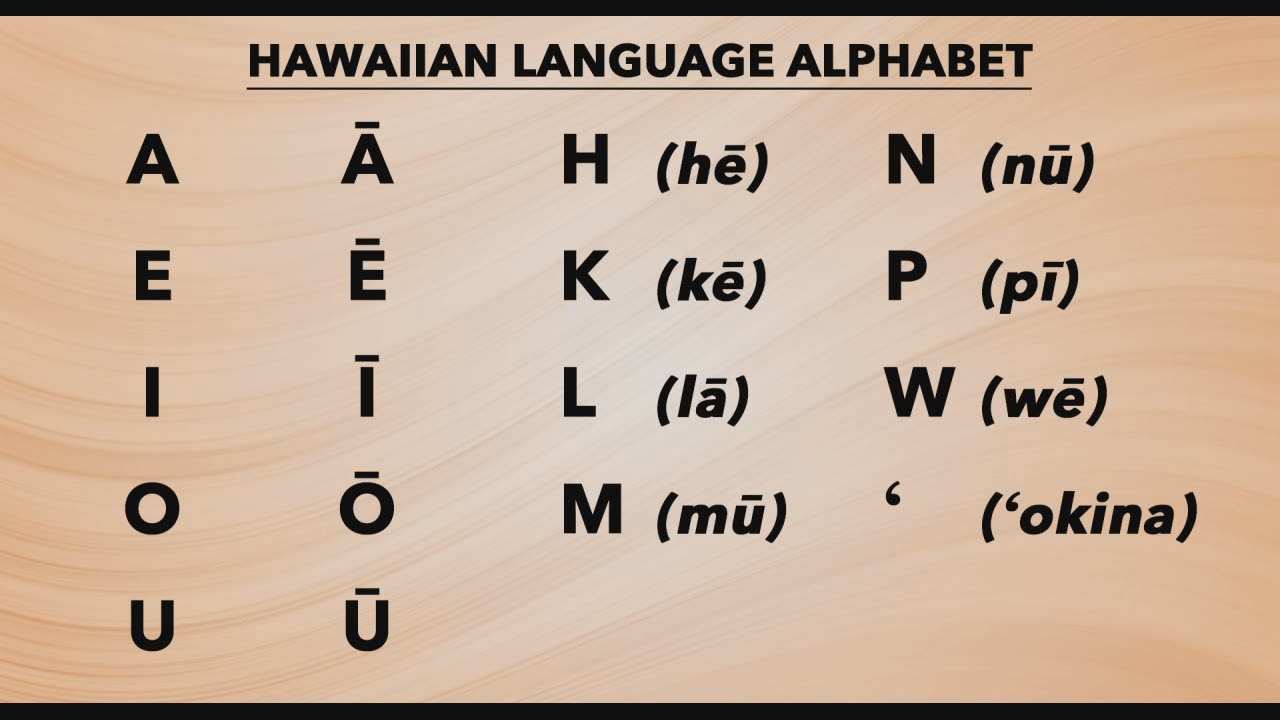
Common Mispronunciations and Why They Occur
The most common mispronunciations, such as “huh-WAH-yee” or “hah-WAH-yah,” often stem from trying to apply English phonetic rules to a Hawaiian word. In English, a double ‘i’ or an ‘i’ at the end of a word often results in a ‘y’ sound. Similarly, the tendency to reduce syllables or shift stress patterns to what feels more natural in English contributes to these errors.
For instance, the “yee” sound in “huh-WAH-yee” is a classic example of Anglicization, where an unfamiliar vowel sequence is simplified to a more common English diphthong. The lack of a clear ‘okina in common spellings also means that the subtle separation between the two final ‘i’s is often overlooked. By making a conscious effort to pronounce each vowel distinctly and place the stress on the correct syllable, travelers can avoid these pitfalls and speak the name with the reverence it deserves.
Beyond the Syllables: Experiencing the Aloha Spirit
Once you’ve mastered the correct pronunciation of Hawaii, a deeper connection to the islands awaits. The Aloha spirit isn’t just a greeting; it’s a way of life—a philosophy of love, peace, compassion, and respect for all. Embracing this spirit means immersing yourself in the local culture, exploring iconic landmarks, and indulging in unique experiences that transcend typical tourism.
Iconic Islands and Their Allure
Each of Hawaii’s main islands offers a distinct personality and a myriad of attractions, catering to every type of traveler. From bustling cities to serene natural retreats, the diversity is astounding.
-
Oahu: The Gathering Place
Often the first point of entry, Oahu blends vibrant urban life with stunning natural beauty. The capital city of Honolulu boasts the iconic Waikiki Beach, famous for its surfing waves and lively atmosphere, flanked by luxurious resorts and vibrant nightlife. Beyond the beaches, visitors can delve into history at Pearl Harbor, an enduring tribute to a pivotal moment in America’s history. For panoramic views, a hike up Diamond Head Crater offers an unforgettable vista of the coastline and city. -
Maui: The Valley Isle
Renowned for its world-class beaches and majestic landscapes, Maui is a haven for romantics and adventurers alike. Kaanapali Beach is a popular spot for sunbathing and watersports, while the winding Road to Hana offers a scenic journey through lush rainforests, waterfalls, and breathtaking coastal views. A sunrise visit to Haleakala National Park provides a surreal experience above the clouds, a truly spiritual moment for many. -
Kauai: The Garden Isle
Kauai lives up to its name with verdant rainforests, dramatic cliffs, and cascading waterfalls. The Na Pali Coast, with its emerald-hued spires, is best explored by boat, helicopter, or a challenging hike, revealing secluded beaches and sea caves. The colossal Waimea Canyon, often dubbed the “Grand Canyon of the Pacific,” offers spectacular viewpoints and hiking trails through its colorful geological formations. -
Hawaii Island (The Big Island): The Orchid Isle
The youngest and largest of the islands, the Big Island is a land of stark contrasts. Here, you can witness the raw power of nature at Hawaii Volcanoes National Park, where Kilauea, one of the world’s most active volcanoes, continuously reshapes the landscape. The sunny Kona coast is famous for its coffee plantations and calm waters, perfect for snorkeling and diving, while the rainy Hilo side is characterized by lush gardens and dramatic waterfalls.
Immersive Cultural and Gastronomic Experiences
Beyond the visual splendor, Hawaii offers a deep dive into Polynesian culture through its food, activities, and traditions.
Food is central to the Hawaiian experience. Don’t miss sampling local delicacies like fresh poke (diced raw fish), kalua pig cooked in an imu (underground oven) as part of a traditional luau, or the refreshing sweet treat of shaved ice. Each bite tells a story of the islands’ multicultural heritage.
Activities abound, from learning to surf on the legendary waves of Waikiki Beach or the North Shore of Oahu, to participating in a hula lesson, or crafting your own lei. These experiences offer more than just entertainment; they provide a window into the soul of Hawaii. Respecting the ‘aina (land) and its people, engaging with local artisans, and learning a few basic Hawaiian phrases like “Aloha” (hello/goodbye/love) and “Mahalo” (thank you) will significantly enrich your journey.

Where to Stay and How to Explore: A Traveler’s Guide
Planning your stay in Hawaii involves considering a range of accommodation options and efficient ways to navigate the islands. Whether you seek ultimate luxury or a more budget-friendly adventure, the islands cater to diverse preferences.
A Spectrum of Accommodation Options
Hawaii is home to some of the world’s most exquisite resorts, but it also offers a variety of choices for every budget and travel style.
- Luxury Resorts: For an opulent escape, resorts like the Four Seasons Resort Maui at Wailea or the Grand Hyatt Kauai Resort & Spa offer unparalleled service, stunning oceanfront locations, and a full suite of amenities including spas, gourmet dining, and private beach access. The Ritz-Carlton, Kapalua on Maui provides another top-tier experience, blending luxury with a strong emphasis on Hawaiian culture and environmental stewardship.
- Boutique Hotels: For a more intimate and distinctive stay, boutique hotels like the Hotel Wailea, Relais & Châteaux (an adults-only sanctuary with breathtaking views) offer unique charm and personalized service.
- Vacation Rentals: Villas, apartments, and private homes booked through services are ideal for families, groups, or longer stays, providing space, privacy, and often self-catering facilities. These can be found across all islands, from beachfront properties to secluded hideaways.
- Budget-Friendly Stays: Travelers on a tighter budget can find numerous options including hostels, smaller hotels, and guesthouses, particularly in areas like Honolulu or near the airports. These options often provide a more local experience and allow resources to be allocated to activities and dining.
Navigating the Islands and Maximizing Your Visit
Exploring Hawaii effectively requires a good understanding of inter-island travel and local transportation.
Inter-island travel is typically done via short flights, easily booked through local airlines. For exploring individual islands, rental cars are highly recommended, offering the flexibility to discover hidden gems and scenic routes at your own pace. Public transportation exists in urban areas like Honolulu, but is less comprehensive elsewhere.
Consider guided tours for specific attractions or activities, such as snorkeling excursions, volcano tours, or cultural experiences, as local experts can provide invaluable insights. Always book accommodations and popular tours well in advance, especially during peak seasons.
Furthermore, practicing sustainable tourism is paramount. Respect the delicate ecosystems by staying on marked trails, not touching marine life, and properly disposing of waste. Engage with local businesses, support artisans, and be mindful of water and energy consumption. The beauty of Hawaii relies on visitors contributing to its preservation. The best time to visit generally falls between April and June or September and November, when the weather is pleasant and crowds are smaller, although Hawaii is truly a year-round destination.
Planning Your Hawaiian Lifestyle Experience
The magic of Hawaii lies in its ability to cater to every dream, whether it’s an adrenaline-fueled adventure, a luxurious retreat, or a deep dive into cultural immersion. Tailoring your trip to your lifestyle preferences ensures an unforgettable experience.
Luxury, Adventure, or Relaxation? Tailoring Your Trip
Hawaii provides a canvas for diverse travel narratives.
For luxury escapes, envision helicopter tours over active volcanoes, private yacht charters along the Na Pali Coast, or exclusive dining experiences featuring farm-to-table Hawaiian cuisine. Opulent resorts on Maui or Kauai offer world-class spas, championship golf courses, and concierge services to craft bespoke itineraries.
Adventure travelers can find their thrill surfing the legendary waves of Oahu’s North Shore, hiking to remote waterfalls on Kauai, scuba diving with manta rays off the Kona coast, or exploring lava fields at Hawaii Volcanoes National Park.
For those seeking relaxation and wellness, Hawaii offers tranquil yoga retreats, serene beaches for sunbathing and reading, and wellness resorts that specialize in holistic treatments inspired by ancient Hawaiian practices. Family trips are well-served with kid-friendly resorts, calm beaches, and educational activities that blend fun with learning about marine life and Hawaiian history. Budget travel can also be fulfilling, focusing on free natural attractions, local food trucks, and self-guided exploration.
Beyond the Postcard: Embracing the Spirit of Aloha
Ultimately, a trip to Hawaii is more than just checking off landmarks; it’s about connecting with the pervasive Spirit of Aloha. This means treating the land, the ocean, and its people with deep respect and warmth. Participate in a local festival, strike up a conversation with a local, or simply spend time observing the rhythm of island life. Learning a few simple Hawaiian phrases and understanding the cultural significance behind traditions like lei giving or the hula can transform a casual visit into a profound journey.
By embracing responsible tourism and leaving a positive impact, you contribute to the longevity of this incredible destination, ensuring that future generations can also experience the unique magic of Hawaii, pronounced just right: hah-WAH-ee-ee.
Understanding how to correctly pronounce “Hawaii” is a small but significant step in bridging the cultural gap between visitor and host. It opens the door to a deeper appreciation for the islands’ rich heritage and prepares you for an immersive travel experience. From the bustling streets of Honolulu to the serene beaches of Maui, from the dramatic cliffs of Kauai to the volcanic landscapes of the Big Island, your journey to this Pacific Ocean paradise will undoubtedly be filled with unforgettable moments, made all the more meaningful by your thoughtful engagement with its unique language and vibrant culture. So, go ahead, practice saying “hah-WAH-ee-ee,” and get ready to experience the true essence of Aloha.
LifeOutOfTheBox is a participant in the Amazon Services LLC Associates Program, an affiliate advertising program designed to provide a means for sites to earn advertising fees by advertising and linking to Amazon.com. Amazon, the Amazon logo, AmazonSupply, and the AmazonSupply logo are trademarks of Amazon.com, Inc. or its affiliates. As an Amazon Associate we earn affiliate commissions from qualifying purchases.