
The word “Hawaii” evokes images of sun-drenched beaches, verdant rainforests, and the warm embrace of Aloha spirit. But how is this paradise pronounced, and what deeper meanings lie within its syllables? Understanding the pronunciation and etymology of “Hawaii” is not just a linguistic exercise; it’s a gateway to appreciating the rich culture and history of this unique archipelago. This exploration delves into the phonetic nuances of the name, its origins, and how it encapsulates the essence of the islands, a perfect starting point for anyone planning their dream vacation to this tropical haven.
The Phonetics of Paradise: Mastering the Pronunciation of “Hawaii”
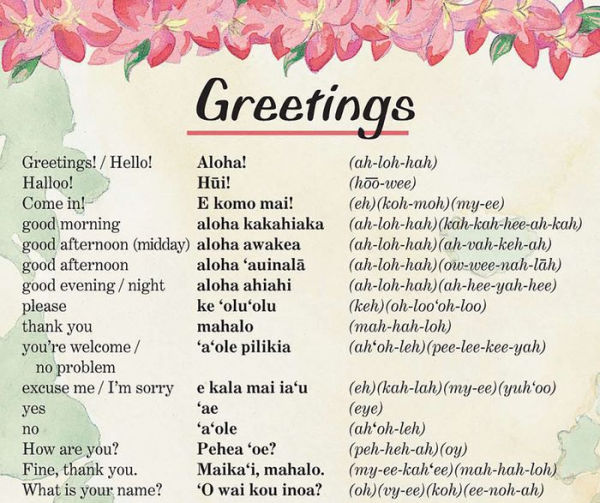
The correct pronunciation of “Hawaii” is fundamental to any visitor’s experience, showing respect for the local language and culture. While often anglicized, the Hawaiian pronunciation offers a more authentic connection to the islands. The key lies in understanding the vowel sounds and the glottal stop, or ‘okina, which is a subtle but crucial element of the Hawaiian language.
Vowel Sounds and the Unseen Letter
In Hawaiian, vowels are generally pronounced more purely than in English. The ‘a’ in “Hawaii” sounds like the ‘a’ in “father.” The ‘e’ is closer to the ‘e’ in “hey,” and the ‘i’ is like the ‘ee’ in “see.” The final ‘i’ is also pronounced with this “ee” sound. The challenge for many non-native speakers is the correct pronunciation of the double ‘i’. It’s not a distinct “eye-eye” sound, but rather two separate “ee” sounds.
The other significant element is the ‘okina, represented by an apostrophe in Hawaiian. While not explicitly written in the common spelling “Hawaii,” it is present in the full Hawaiian spelling, “Hawaiʻi.” The ‘okina is a glottal stop, a brief pause or catch in the throat, similar to the sound between the syllables of “uh-oh.” In “Hawaiʻi,” the ‘okina typically falls before the final ‘i’. So, the pronunciation is not simply “Ha-wai-ee,” but rather “Ha-wai-ʻi,” with a slight catch in the throat before the final “ee.” This subtle glottal stop distinguishes the Hawaiian pronunciation and is an integral part of the word’s authenticity.
When speaking of the islands themselves, the most common and widely accepted pronunciation among locals and those familiar with the culture is “Hah-wai-ee” (with the emphasis on the second syllable). The final “ee” sound should be clear and distinct. Practicing this pronunciation will undoubtedly enhance your interactions and demonstrate a deeper appreciation for the destination you are visiting.
Unveiling the Roots: The Etymology and Significance of “Hawaii”
The name “Hawaii” is steeped in history and legend, with several theories surrounding its origin. Understanding these roots offers a profound connection to the ancestral journeys and beliefs of the Polynesian voyagers who first settled these islands. The name itself is a testament to a shared heritage across the vast Pacific.
Polynesian Connections and Legendary Figures
One of the most widely accepted theories links the name “Hawaii” to the legendary Polynesian navigator Hawaiki. Hawaiki is considered a mythical homeland or ancestral origin point for many Polynesian cultures, including the Māori of New Zealand, the people of Tahiti, and the indigenous Hawaiians. According to these traditions, Hawaiki was a land from which the great navigators set sail to discover and colonize new islands across the Pacific Ocean. Therefore, naming the largest island in the Hawaiian archipelago “Hawaii” could be seen as a way of honoring their ancestral homeland or as a symbol of their journey and arrival.
Another interpretation suggests that the name is derived from “Hawa,” meaning “homeland,” and “ii,” meaning “small” or “spirit.” This could imply “spirit of the homeland” or a “small homeland.” Regardless of the precise etymology, the name “Hawaii” carries a deep sense of belonging and origin for the Kanaka Maoli, the native Hawaiian people.

The significance of the name extends beyond its linguistic origins. “Hawaii” is not just a geographical designation; it represents a cultural identity, a spiritual connection to the land (ʻāina), and the enduring spirit of the Hawaiian people. It is a word that resonates with the history of exploration, settlement, and the unique cultural tapestry that has developed over centuries. When you say “Hawaii,” you are invoking a legacy of brave seafarers, ancient traditions, and a living culture that continues to thrive.
Exploring the Islands: “Hawaii” as a Destination and Experience
The name “Hawaii” is synonymous with world-class travel, offering an unparalleled array of experiences for every kind of traveler. From the bustling energy of Oahu to the dramatic landscapes of the Big Island, each island offers its unique charm, inviting exploration and discovery. The archipelago’s allure lies in its diverse geography, vibrant culture, and the ubiquitous spirit of Aloha.

Islands of Wonder: A Glimpse into the Hawaiian Archipelago
The State of Hawaii is comprised of eight main islands, though only seven are inhabited. Each island has a distinct personality and appeal:
-
Oahu: Known as “The Gathering Place,” Oahu is home to the state capital, Honolulu, and the iconic Waikiki Beach. Here, you’ll find a dynamic mix of city life, historical landmarks like Pearl Harbor, and world-renowned surf breaks on the North Shore. For luxury travelers, Oahu boasts exquisite resorts such as the Halekulani Hotel and The Royal Hawaiian, a Luxury Collection Resort, Waikiki. Budget travelers can find comfortable accommodations in smaller hotels and guesthouses.
-
Maui: Often called “The Valley Isle,” Maui is celebrated for its breathtaking natural beauty, from the volcanic crater of Haleakalā National Park to the lush Road to Hana. It’s a prime destination for romance and relaxation, with luxurious resorts lining the shores of Kaʻanapali and Wailea, such as the Grand Wailea, A Waldorf Astoria Resort. Activities range from whale watching during the winter months to snorkeling in crystal-clear waters.
-
Island of Hawaii (Big Island): This is the largest island and offers the most diverse landscapes, including active volcanoes in Hawaii Volcanoes National Park, black sand beaches, and snow-capped mountains. Visitors can experience everything from stargazing at Mauna Kea to exploring historic towns like Kailua-Kona. Accommodations vary widely, from the Four Seasons Resort Hualalai for a luxury escape to charming boutique inns.
-
Kauai: Known as “The Garden Isle,” Kauai is a paradise for nature lovers. Its dramatic cliffs of the Na Pali Coast, the lush Wailua River, and the “Grand Canyon of the Pacific,” Waimea Canyon, offer unforgettable scenic vistas. Adventure seekers can enjoy hiking, kayaking, and exploring the island’s abundant natural beauty.
-
Molokai: This island offers a glimpse into old Hawaii, with a slower pace of life and a strong connection to traditional Hawaiian culture. It’s a destination for those seeking an authentic and less commercialized experience.
-
Lanai: Once known for its pineapple plantations, Lanai now offers exclusive luxury resorts like the Four Seasons Resort Lanai and a more secluded, tranquil escape.
-
Niʻihau: Known as the “Forbidden Isle,” Niʻihau is privately owned and access is strictly limited, preserving its pristine environment and traditional Hawaiian lifestyle.
Each island presents a unique facet of what makes “Hawaii” such a globally recognized and beloved destination. Whether you seek thrilling adventures, serene relaxation, cultural immersion, or luxurious indulgence, the spirit of “Hawaii” is an invitation to experience paradise in its many forms. The careful planning of your accommodation, whether a grand resort or a cozy villa, and the understanding of local customs and attractions will ensure your journey to “Hawaii” is as profound as the name itself.
LifeOutOfTheBox is a participant in the Amazon Services LLC Associates Program, an affiliate advertising program designed to provide a means for sites to earn advertising fees by advertising and linking to Amazon.com. Amazon, the Amazon logo, AmazonSupply, and the AmazonSupply logo are trademarks of Amazon.com, Inc. or its affiliates. As an Amazon Associate we earn affiliate commissions from qualifying purchases.