
In the vibrant tapestry of global travel, where every destination offers a unique blend of sights, sounds, and experiences, there’s a particular allure to exploring local culinary traditions. Few gastronomic journeys are as deeply ingrained in regional identity and as universally beloved as barbecue. And when it comes to the pantheon of smoked meats, the Boston Butt stands as a true icon, especially throughout the American South. For the discerning traveler or the home culinary enthusiast seeking to recreate an authentic taste of their adventures, understanding how to properly smoke a Boston Butt is not merely about cooking; it’s about embracing a lifestyle, a cultural experience, and a testament to the art of slow food.
Often misunderstood by its quirky name, the Boston Butt isn’t from the rear of the pig at all. It’s actually a cut from the upper part of the pig’s shoulder, specifically the front shoulder, which includes part of the blade bone. This cut is also commonly referred to as a Pork Butt or Pork Shoulder. Its marbled fat and collagen-rich composition make it ideally suited for low-and-slow cooking methods like smoking, transforming what would otherwise be a tough cut into an incredibly tender, juicy, and flavorful masterpiece of pulled pork. Whether you’re planning a stay at a luxury resort that offers outdoor grilling facilities, dreaming of a food-focused road trip through barbecue country, or simply aiming to impress at your next gathering, mastering the smoked Boston Butt is a rewarding endeavor that connects you to a rich culinary heritage.
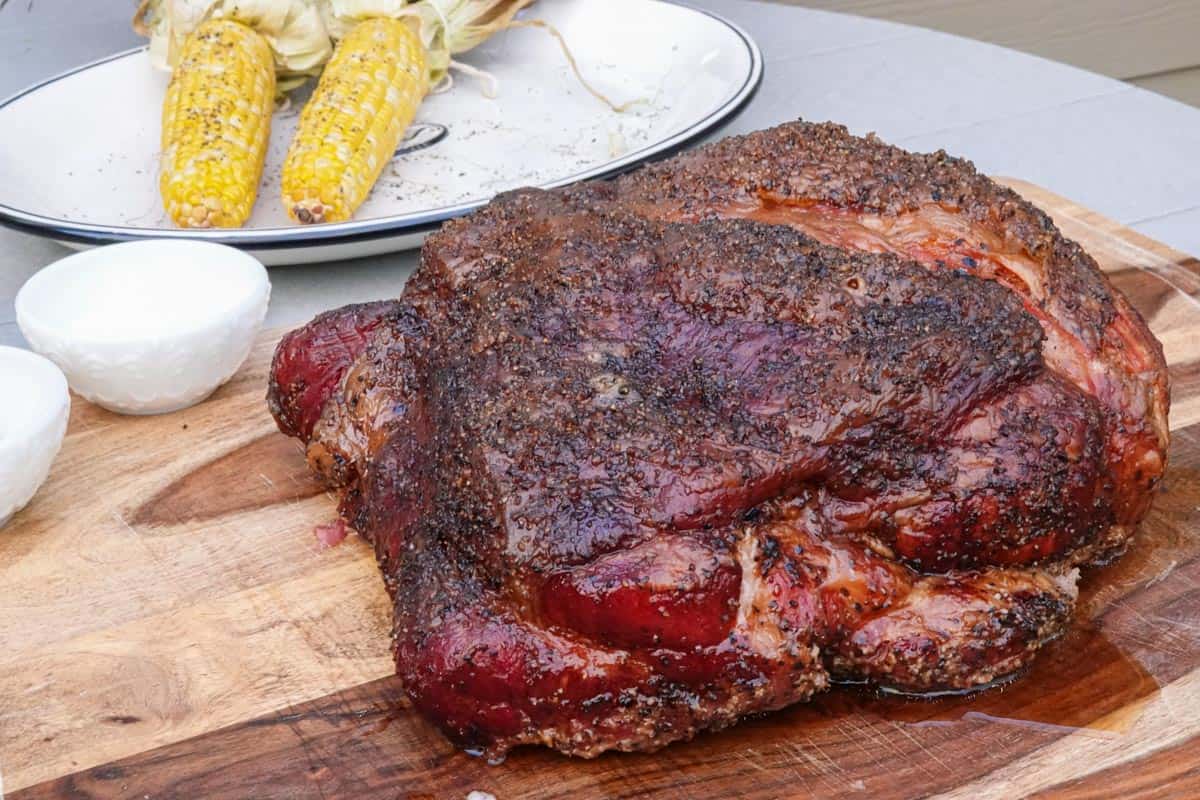
The Allure of Smoked Boston Butt: A Culinary Journey
The appeal of a perfectly smoked Boston Butt extends far beyond its delicious taste. It represents patience, community, and a deep appreciation for flavor development. It’s a dish that evokes images of outdoor gatherings, family reunions, and the warm hospitality characteristic of many travel destinations. Embracing the craft of smoking is a journey in itself, offering a chance to slow down and savor the process, much like truly immersive travel experiences encourage us to pause and appreciate the local culture.
Understanding the Boston Butt: More Than Just Pork
Before diving into the smoke, it’s essential to appreciate the star of our show. The Boston Butt, weighing typically between 6 to 10 pounds, is prized for its generous marbling and connective tissues. These elements are precisely what make it an ideal candidate for smoking. During the long, slow cooking process, the fat renders, basting the meat from within, while the tough collagen breaks down into gelatin, creating an unparalleled tenderness that allows the meat to be easily pulled apart. This transformation is what gives pulled pork its signature succulent texture.
Historically, this cut gained its unusual name from 18th-century New England, where pork shoulders were often packed into barrels called “butts” for storage and transport. Over time, the name stuck, particularly for the upper shoulder cut favored for slow cooking. Its popularity surged in the United States, especially in states renowned for their barbecue traditions like North Carolina, South Carolina, Texas, and Kansas City, each region imparting its unique spin on preparation and serving.
Why Slow Smoking is the Ultimate Method
While a Boston Butt can be roasted or braised, smoking is undeniably the preferred method for achieving that quintessential barbecue flavor and texture. The low temperatures and extended cooking times allow the smoke to penetrate the meat deeply, infusing it with complex flavors from the chosen wood, be it hickory, oak, apple, or cherry. This slow cook also ensures that the internal temperature gradually rises, giving ample time for the connective tissues to render fully, resulting in meat that is incredibly moist and falls apart with just a gentle tug. It’s a method that requires patience but rewards with an experience far superior to any quick-cook alternative. Much like savoring a scenic journey over a hasty flight, the slow smoke delivers a richer, more profound experience.
Preparing for Perfection: The Art of the Pitmaster
The journey to a perfect smoked Boston Butt begins long before the meat hits the grates. It involves careful selection, thoughtful seasoning, and setting up the right environment for success. For travelers interested in culinary tourism, understanding these foundational steps can deepen appreciation for the local pitmasters and their craft, whether you’re exploring the bustling BBQ scene in Memphis or a quaint smokehouse in rural Georgia.
Selecting Your Pork and Essential Gear
1. Choosing the Butt: Look for a Boston Butt that has good marbling throughout, which indicates moisture and flavor potential. A bone-in cut is often preferred by purists, as the bone can help conduct heat evenly and add flavor, though boneless varieties are also available and easier to handle for some. Aim for a weight between 7-9 pounds for a manageable cook time and generous yield.
2. The Smoker: There’s a wide array of smokers available, from traditional offset smokers and charcoal-based kettles with smoke attachments to electric and pellet smokers. Each has its pros and cons in terms of temperature control and smoke flavor.
* Offset Smokers: Offer excellent smoke flavor and hands-on experience, often seen at competitive barbecue events.
* Pellet Smokers: Provide consistent temperatures with minimal effort, perfect for beginners or those seeking convenience.
* Electric Smokers: Easy to use and great for urban settings or hotel balconies where open flames might be restricted (always check local regulations and accommodation rules!).
Choose one that fits your lifestyle, budget, and desired level of involvement.
3. Essential Tools:
* Meat Thermometer: An absolute must. A good probe thermometer with a remote display will allow you to monitor internal temperature without opening the smoker, which helps maintain stable temperatures.
* Wood Chunks or Pellets: The type of wood profoundly impacts flavor. Hickory offers a strong, classic smoke flavor, oak is robust but milder, apple and cherry provide a sweeter, fruity note. Many pitmasters blend woods for complex profiles.
* Spritz Bottle: For keeping the meat moist during the long cook.
* Aluminum Foil: For the “Texas Crutch” (wrapping the meat) and resting.
* Heat-Resistant Gloves: Essential for handling hot meat.
* Sharp Knife: For trimming.
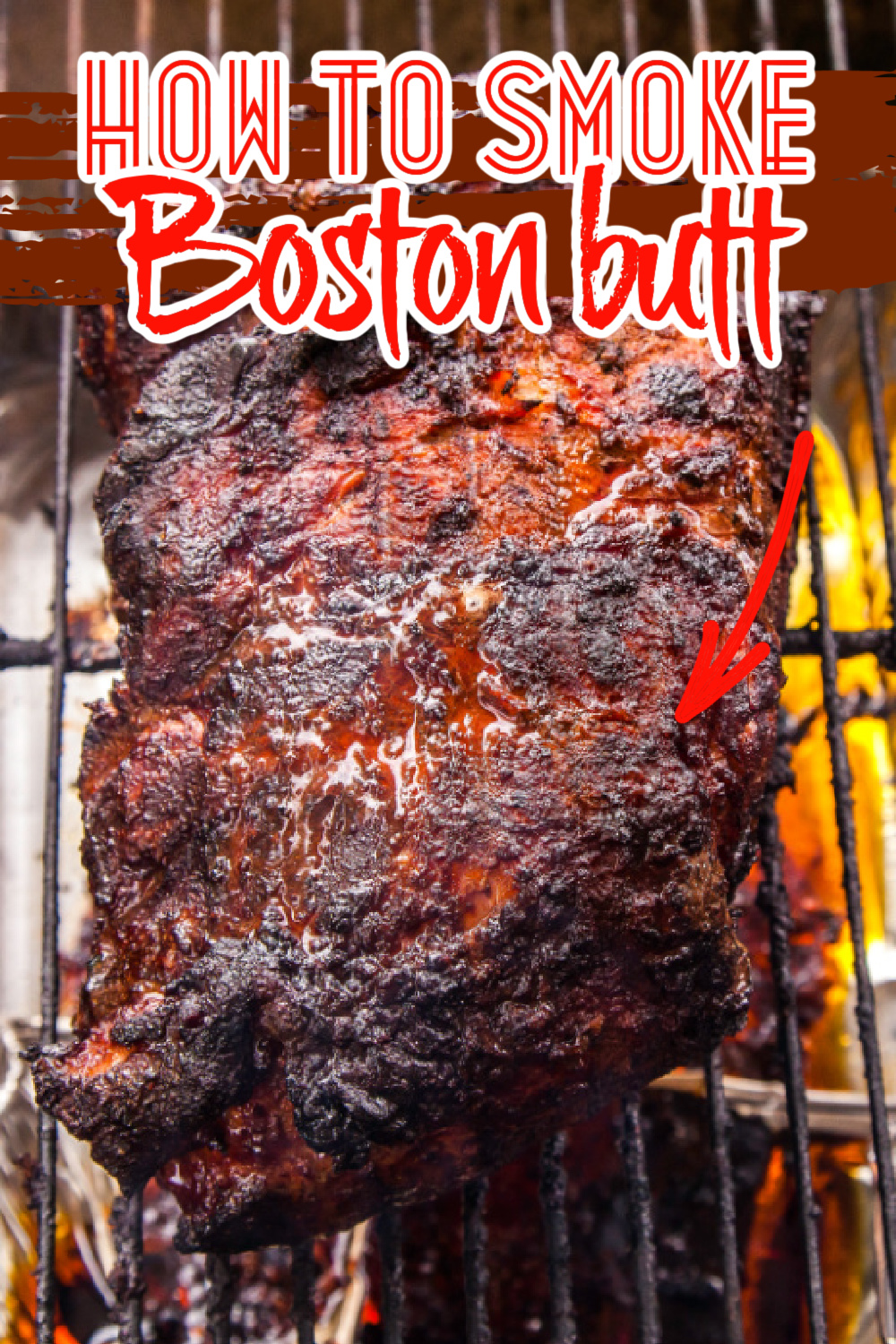
Crafting the Perfect Rub and Marinade
The seasoning is where much of the Boston Butt’s character truly develops. While marinades can be used, a dry rub is the more traditional and popular choice for smoked pork shoulder, creating a flavorful bark.
1. Trimming the Meat: Begin by patting the Boston Butt dry with paper towels. Trim any excessively thick pieces of fat from the exterior. While some fat is desirable for moisture, too much can prevent the rub from penetrating and the smoke from adhering. Leave about 1/4 inch of fat cap on one side; this will render down and add moisture.
2. The Dry Rub: A good dry rub typically consists of a blend of salt, sugar (brown sugar often for caramelization), paprika (for color and flavor), black pepper, garlic powder, onion powder, and often a touch of cayenne pepper for a subtle kick. Regional variations abound:
* Memphis-style rubs often emphasize paprika, garlic, and onion.
* Kansas City rubs tend to be sweeter with more brown sugar.
Experimentation is key to finding your personal preference. Apply the rub generously to all sides of the Boston Butt, pressing it firmly into the meat. Many pitmasters apply the rub the night before and let the meat rest in the refrigerator, uncovered, allowing the rub to adhere and sometimes form a pellicle, which helps with smoke absorption.
Basic Dry Rub Recipe (Adjust to Taste):
- ½ cup brown sugar
- ¼ cup paprika
- 2 tablespoons kosher salt
- 2 tablespoons black pepper
- 1 tablespoon garlic powder
- 1 tablespoon onion powder
- 1 teaspoon cayenne pepper (optional)
- 1 teaspoon dried mustard (optional)
The Smoking Process: Time, Temperature, and Tenderness
Smoking a Boston Butt is a test of patience and precision. It’s a commitment that can take 10-16 hours, but the reward is undeniably worth the effort. For those who appreciate the journey as much as the destination, this slow process mirrors the joy of uncovering hidden gems during travel – the effort put in enhances the final experience.
Mastering Temperature Control and Smoke Infusion
1. Preheating the Smoker: Bring your smoker up to a stable temperature of 225-250°F (107-121°C). This is the sweet spot for low-and-slow cooking, allowing the fat and connective tissues to break down gradually without drying out the meat. Add your wood chunks or pellets once the smoker reaches temperature to ensure clean smoke. You want thin, blue smoke, not thick, white billows, which can impart an acrid taste.
2. The Initial Smoke Phase (The “Smoke Ring”): Place the Boston Butt directly on the grates, fat cap up (or down, depending on your smoker and heat source). Insert your probe thermometer into the thickest part of the meat, avoiding the bone. Close the lid and resist the urge to peek! The first few hours are crucial for smoke absorption and developing the coveted “smoke ring” – a pinkish discoloration just under the bark, a hallmark of well-smoked meat. For the first 4-6 hours, maintain a consistent temperature and ensure a steady stream of clean smoke.
The Waiting Game: Spritzing, Wrapping, and Resting
1. The Stall: Around the 150-170°F (65-77°C) internal temperature mark, the meat will often hit a “stall” where its temperature plateaus or even drops for several hours. This is due to evaporative cooling as moisture from the meat evaporates off the surface. Don’t panic! This is normal. You can power through it, or you can employ the “Texas Crutch.”
2. Spritzing (Optional): After the initial smoke phase (around 3-4 hours), you can begin spritzing the butt every hour or so with a liquid mixture (e.g., apple cider vinegar, apple juice, water, or a combination). This helps keep the surface moist and prevents the bark from becoming too tough, aiding in color development.
3. The Texas Crutch (Wrapping): Once the bark has developed nicely (typically after 6-8 hours, or when the stall hits), many pitmasters wrap the Boston Butt in heavy-duty aluminum foil or peach butcher paper. This helps push the meat through the stall by retaining moisture and heat, shortening the overall cook time, and ensuring a juicier product. Return the wrapped butt to the smoker.
4. Finishing the Cook: Continue cooking at 225-250°F (107-121°C) until the internal temperature reaches 200-205°F (93-96°C). More importantly, the meat should feel incredibly tender when probed; the thermometer should slide in with very little resistance, “like butter.” This can take anywhere from 10 to 16 hours in total, sometimes even longer depending on the butt’s size and consistency of the smoker’s temperature.
5. Resting: Once the meat reaches its target temperature and tenderness, remove it from the smoker (still wrapped if you used the crutch). Place it in a cooler or an empty oven to rest for at least 1-2 hours, or even up to 4 hours. This crucial step allows the juices to redistribute throughout the meat, resulting in an even more succulent and flavorful pulled pork. Skipping this step is a common mistake that leads to dry meat.
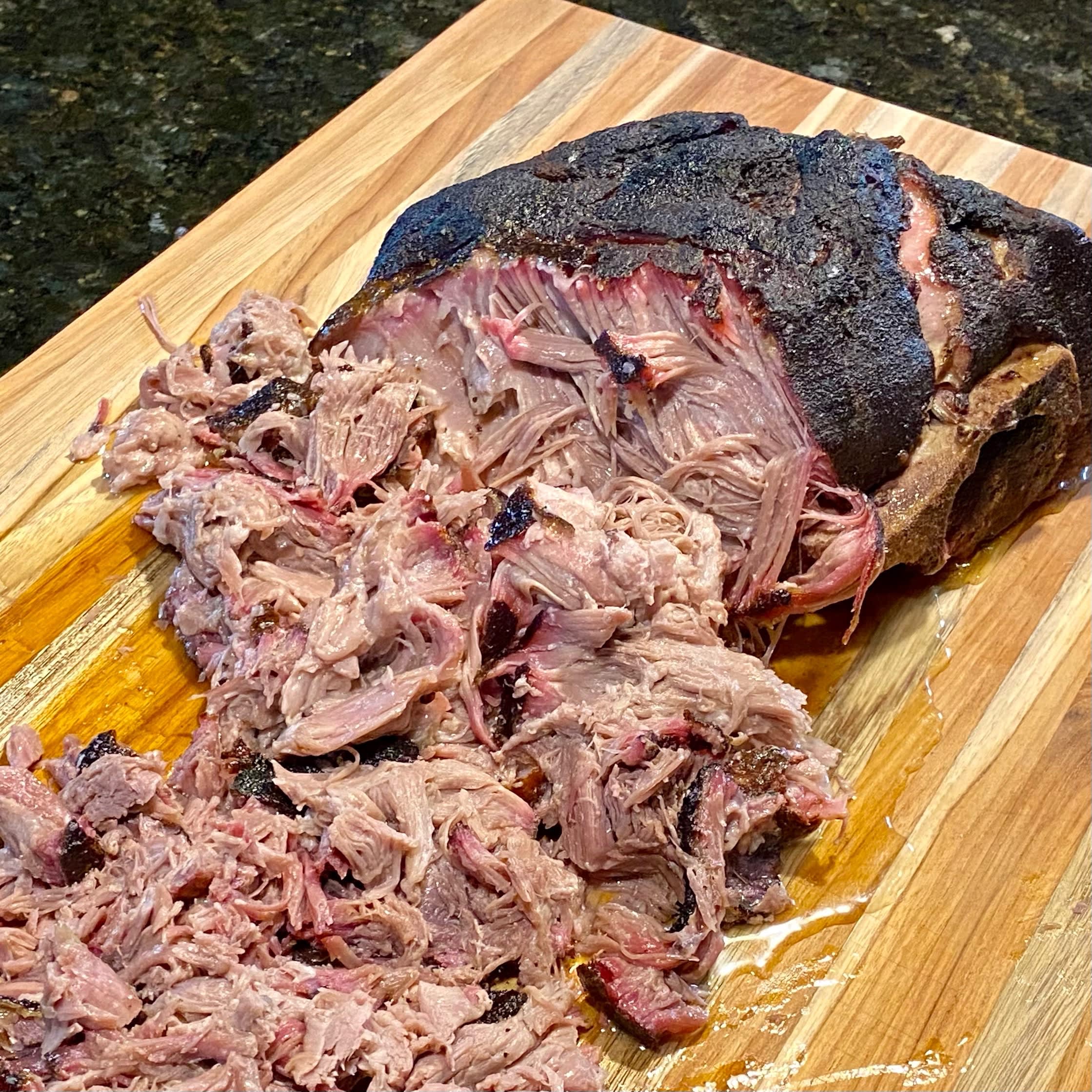
6. Pulling the Pork: After resting, carefully unwrap the Boston Butt (be sure to reserve any juices from the foil!). The bone should pull out cleanly with minimal effort. Using heat-resistant gloves or two forks, shred the meat apart. Discard any large pieces of rendered fat or gristle. Mix the pulled pork with the reserved juices for extra moisture and flavor. At this point, you can also add a touch of your favorite barbecue sauce, or serve it on the side.
Beyond the Smoker: Serving, Pairing, and Culinary Travel
The creation of perfectly smoked pulled pork is a rewarding endeavor that culminates in a versatile and universally loved dish. But the experience doesn’t end there. How you serve and pair your Boston Butt can elevate it further, transforming it into a complete culinary event. This is where the world of travel and lifestyle truly intertwines with your home kitchen, allowing you to bring the spirit of barbecue culture directly to your table or to seek out these authentic tastes on your next adventure.
Classic Sides and Creative Pairings
No pulled pork experience is complete without its traditional supporting cast of side dishes. These pairings often reflect the regional preferences found across the barbecue belt:
- Coleslaw: Creamy or vinegar-based, coleslaw provides a refreshing crunch and tang that cuts through the richness of the pork. A popular choice in North Carolina, for instance, often features a vibrant, vinegar-dressed slaw.
- Macaroni and Cheese: A creamy, indulgent classic that adds comfort and richness.
- Baked Beans: Often slow-cooked with molasses, bacon, and a touch of barbecue sauce, they are a sweet and savory staple.
- Cornbread: Moist, buttery cornbread, perhaps with a touch of jalapeño or cheddar, is perfect for soaking up juices.
- Potato Salad: Creamy and herbaceous, offering another layer of texture and flavor.
- Pickles and Onions: Bright, acidic accompaniments like dill pickles and sliced red onions provide a welcome contrast and palate cleanser.
- Buns: Soft, brioche buns are ideal for sandwiches, allowing the pork to be the star while providing a gentle vehicle.
For beverages, consider a crisp craft beer (especially an amber ale or lager), sweet iced tea, or even a dry rosé wine to complement the rich flavors.
Experiencing BBQ Culture Across the USA
To truly appreciate the nuances of a smoked Boston Butt, consider embarking on a culinary tour of the United States’s barbecue heartlands. Each region offers a distinct experience, shaped by local ingredients, traditions, and the fierce pride of its pitmasters.
- Texas: While famous for its beef brisket, many Texas joints, especially those further east, also offer exceptional pulled pork. The smoke tends to be post oak-heavy, giving a robust, earthy flavor. Destinations like Austin boast legendary spots like Franklin Barbecue, though lines are often long, the experience is iconic. The Salt Lick BBQ near Austin also offers a unique, family-style, open-pit experience.
- The Carolinas (North Carolina & South Carolina): These states are the undisputed champions of whole hog or pulled pork barbecue.
- North Carolina is split between Eastern (whole hog, vinegar-based sauce) and Lexington (pork shoulder, ketchup-and-vinegar sauce). Visiting a roadside stand in Lexington or the historic Skylight Inn BBQ in Ayden offers an authentic taste.
- South Carolina is unique for its “Carolina Gold” mustard-based sauce, a delicious complement to pulled pork. Cities like Charleston and Myrtle Beach offer a blend of traditional and modern barbecue establishments.
- Memphis, Tennessee: Often considered the capital of pulled pork, Memphis is famous for its dry rub ribs, but their pulled pork sandwiches, often served with a tangy, sweet-and-sour tomato-based sauce, are legendary. Don’t miss the Memphis in May International Festival for an unparalleled barbecue immersion.
- Kansas City, Missouri: Known for its thick, sweet, tomato-and-molasses-based sauces, Kansas City barbecue offers a diverse menu, with pulled pork sandwiches being a beloved staple alongside burnt ends and ribs. Institutions like Arthur Bryant’s and Gates Bar-B-Q are essential visits.
- Alabama: Home to distinctive white sauces (mayonnaise-based) for chicken, Alabama also has a robust pulled pork scene, with legendary spots like Dreamland BBQ.
Exploring these regions not only allows you to taste incredible food but also to engage with the local culture, witness the pride of pitmasters, and perhaps even learn a few secrets to perfecting your own smoke.
Incorporating BBQ into Your Travel Lifestyle
For those who view travel as more than just sightseeing, integrating culinary experiences like barbecue into your lifestyle is deeply enriching.
- Culinary Retreats: Many destinations, particularly in the American South, offer barbecue cooking classes or workshops. These hands-on experiences can be an excellent way to learn techniques from masters and understand the cultural significance of the food.
- Food Festivals: Plan your travels around renowned barbecue festivals or competitions. These events, often held in cities like Memphis or Kansas City, are vibrant celebrations of food, music, and community, offering an incredible sensory overload.
- Accommodation with Amenities: When booking hotels, apartments, or villas, look for options that include outdoor grilling areas or fully equipped kitchens. This allows you to experiment with local ingredients or even try smoking your own small cuts of meat, bringing a piece of your travel experience directly to your temporary home.
- Road Trips: Design a road trip specifically around barbecue trails, charting a course through Georgia, Alabama, Mississippi, Louisiana, and the Carolinas. This allows for spontaneous stops at hidden gems and a deeper dive into regional variations.
The Rewards of the Low and Slow Journey
Smoking a Boston Butt is more than just a recipe; it’s an immersive experience that embodies patience, tradition, and the pursuit of culinary excellence. From the initial selection of the meat to the final pull, each step contributes to a symphony of flavors and textures that is truly unparalleled. It’s a journey that takes you from the raw cut of pork to a tender, smoky masterpiece, capable of transporting your taste buds to the heart of American barbecue culture.
Whether you’re an avid traveler seeking to replicate authentic tastes discovered abroad, a home cook eager to expand your repertoire, or simply someone who appreciates the finer points of slow cooking, mastering the art of smoking a Boston Butt offers immense satisfaction. It’s a dish that brings people together, sparks conversation, and creates lasting memories – much like the most cherished travel experiences. So, fire up your smoker, embrace the wait, and prepare to be rewarded with the rich, smoky, and utterly delicious flavor of a perfectly cooked Boston Butt. It’s a taste of tradition, a celebration of community, and a journey well worth taking.
LifeOutOfTheBox is a participant in the Amazon Services LLC Associates Program, an affiliate advertising program designed to provide a means for sites to earn advertising fees by advertising and linking to Amazon.com. Amazon, the Amazon logo, AmazonSupply, and the AmazonSupply logo are trademarks of Amazon.com, Inc. or its affiliates. As an Amazon Associate we earn affiliate commissions from qualifying purchases.