
California, often lauded as the Golden State, presents a multifaceted picture of allure and opportunity. From its sun-drenched beaches and iconic cities to its thriving tech industry and diverse cultural tapestry, the state is a magnet for millions. However, this desirability comes at a cost, and understanding the financial implications of settling in California is paramount for anyone considering such a significant life change. This exploration delves into the key factors contributing to the high cost of living in California, offering insights for those planning a long-term stay or simply curious about the financial landscape of this renowned American state.
The Pillars of California’s High Cost of Living
California’s status as one of the most expensive states in the U.S. is not arbitrary. It’s a complex interplay of economic, social, and environmental factors that collectively drive up the cost of daily life. Understanding these foundational elements is crucial to grasping the overall financial picture.
Housing: The Dominant Expense
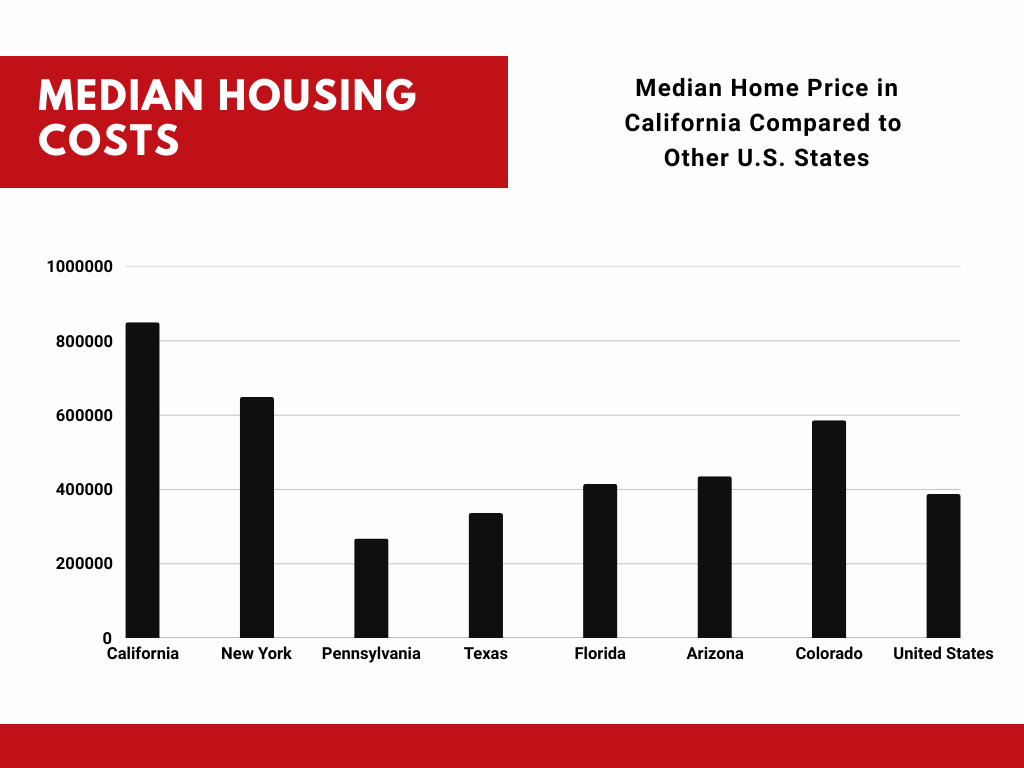
Without question, housing stands as the single largest expenditure for residents in California. The astronomical prices of both buying and renting properties are a significant deterrent for many and a constant pressure for those already living there. This housing crisis is fueled by several contributing factors.
Supply and Demand Imbalance
The fundamental economic principle of supply and demand is acutely at play in California’s real estate market. A rapidly growing population, driven by job opportunities in sectors like technology, entertainment, and agriculture, has consistently outpaced the construction of new housing units. Decades of underbuilding, coupled with restrictive zoning laws in many municipalities, have created a severe shortage of available homes. This scarcity naturally drives up prices, making it a highly competitive market for both buyers and renters.
High Land Values and Construction Costs
California’s desirable geography, with its stunning coastlines and attractive climate, contributes to incredibly high land values. Developing new housing, particularly in densely populated urban areas like San Francisco or Los Angeles, is subject to significant costs associated with land acquisition. Furthermore, stringent building codes, environmental regulations, and labor costs further escalate the expenses involved in construction. These elevated development costs are inevitably passed on to consumers in the form of higher purchase prices and rental rates.
Location-Specific Variations
It’s important to note that the housing market in California is not monolithic. While the state as a whole is expensive, the degree of this expense can vary dramatically depending on the specific region. Coastal metropolitan areas and their surrounding suburbs, such as the San Francisco Bay Area, Southern California coastal cities like Santa Monica and San Diego, typically command the highest prices. Inland communities and more rural areas, while still generally pricier than national averages, can offer more affordable housing options. Understanding these geographical nuances is critical for individuals looking for more budget-friendly living arrangements.
The Cost of Everyday Goods and Services
Beyond housing, the expenses associated with daily living in California also tend to be higher than the national average. This encompasses a broad range of goods and services that form the backbone of any household budget.
Transportation Costs
California’s sprawling geography and reliance on personal vehicles in many areas contribute to significant transportation expenses. This includes the cost of purchasing and maintaining a car, insurance premiums (which can be notably higher in certain parts of the state), and, of course, fuel. While public transportation options exist and are improving in major metropolitan centers like Los Angeles and San Francisco, they may not always be a viable or convenient alternative for all residents, particularly those living in suburban or rural communities. The cost of ride-sharing services also adds to the overall transportation burden.
Utilities and Energy Consumption
The price of utilities in California can also be a substantial part of a monthly budget. Electricity costs, in particular, can be high, influenced by the state’s reliance on a diverse but sometimes expensive energy mix and robust environmental standards. Heating and cooling expenses, especially in regions with extreme temperatures, can also add up. While solar energy adoption is growing, the initial investment and ongoing maintenance can still represent a considerable outlay. Water costs, particularly in drought-prone areas, can also be a factor in utility bills.
Groceries and Dining Out
While the exact impact varies, many Californians find that grocery bills are higher than in other states. This can be attributed to factors such as transportation costs for food distribution, agricultural labor expenses, and the general cost of doing business in the state. Dining out, a popular pastime for many, also reflects these higher operational costs, leading to more expensive restaurant meals. The availability of fresh, local produce year-round is a benefit, but it doesn’t always translate to lower prices at the checkout.
Navigating the Financial Landscape: Strategies for Affordability
Living in California without a significant financial strain requires careful planning and strategic decision-making. Understanding the cost drivers is the first step; the next is implementing practical strategies to manage expenses and find value.

Budgeting and Financial Planning
A robust budget is an indispensable tool for anyone living in California. Detailed tracking of income and expenses, with a particular focus on the major cost categories like housing, transportation, and food, is essential. Identifying areas where spending can be reduced or optimized is key. This might involve exploring more affordable neighborhoods, considering shared living arrangements, or prioritizing essential purchases over discretionary ones. Long-term financial planning, including saving for down payments, retirement, and unexpected expenses, becomes even more critical in a high-cost environment.
Location-Based Considerations
As mentioned earlier, location is a primary determinant of affordability within California. Prospective residents or those looking to relocate within the state should conduct thorough research into the cost of living in different cities and regions. While major hubs like San Francisco and Los Angeles offer abundant career opportunities and cultural attractions, they also come with the highest price tags. Exploring secondary cities or less densely populated areas can provide a significant financial reprieve without sacrificing access to desirable amenities and lifestyles. For example, cities in the Central Valley or parts of Inland Empire might offer a more accessible entry point into California living.
Lifestyle Adjustments and Resourcefulness
Adopting a resourceful and adaptable lifestyle can make a substantial difference. This might involve embracing public transportation, cycling, or walking where feasible to reduce reliance on personal vehicles. Cooking at home more often, seeking out farmers’ markets for fresh produce, and taking advantage of happy hour deals or early bird specials can help manage food expenses. For entertainment, exploring the state’s abundant natural beauty, free public parks, and community events can provide fulfilling experiences without breaking the bank. California’s diverse climate also lends itself to outdoor activities year-round, offering a wealth of low-cost recreational opportunities, from hiking in the Sierra Nevada mountains to exploring beaches along the Pacific Coast Highway.
California’s Economic Ecosystem: Factors Influencing Cost
Beyond immediate expenses, the broader economic ecosystem of California plays a significant role in shaping the cost of living. Understanding these overarching economic forces provides a deeper context for the state’s financial realities.
The Influence of Major Industries
California’s economy is driven by several powerhouse industries, each with its own economic implications. The technology sector, particularly in Silicon Valley, attracts highly compensated professionals, which in turn drives up demand and prices for housing and services in those areas. The entertainment industry centered in Los Angeles also contributes to a high cost of living, with its focus on luxury and a vibrant, albeit expensive, social scene. Agriculture, a vital component of the state’s economy, can influence food prices. The presence of these high-paying industries creates a competitive job market but also contributes to the overall upward pressure on costs.
State and Local Taxes
California’s tax structure is a notable consideration for residents. The state has one of the highest top marginal income tax rates in the nation, which significantly impacts the take-home pay of higher earners. Additionally, sales taxes and property taxes, while varying by locality, contribute to the overall financial burden. Understanding the intricacies of California’s tax system and planning accordingly is a crucial aspect of managing personal finances in the state. For example, exploring deductions and credits available to residents can help mitigate some of these tax liabilities.
The Role of Innovation and Development
California has long been at the forefront of innovation and development, attracting significant investment and fostering a dynamic business environment. This constant drive for progress, while beneficial for economic growth, can also contribute to escalating costs. For instance, the demand for advanced infrastructure, sustainable technologies, and cutting-edge services often comes with a premium price tag. This ongoing cycle of innovation, while a hallmark of the Golden State, is inextricably linked to its elevated cost of living.
The Intangible Value of Living in California
While the financial metrics of living in California are undoubtedly substantial, it’s also important to acknowledge the intangible benefits that draw so many to its shores. The decision to live in California often transcends mere financial calculation, encompassing a desire for a particular lifestyle, access to unparalleled opportunities, and an immersion in a diverse and vibrant culture.
Unmatched Lifestyle and Natural Beauty
California offers a diversity of landscapes and lifestyles that is truly unparalleled. From the Mediterranean climate of the south to the rugged coastlines and redwood forests of the north, the state provides access to a breathtaking array of natural wonders. Opportunities for outdoor recreation are boundless, whether it’s surfing at Malibu, hiking in Yosemite National Park, or skiing in the Lake Tahoe region. This inherent quality of life, the ability to enjoy such diverse environments and experiences, is a significant, albeit non-monetary, draw for many.
Career Opportunities and Innovation Hubs
The presence of world-leading industries in technology, entertainment, biotech, and more creates a fertile ground for career advancement and entrepreneurial endeavors. Cities like San Francisco, Los Angeles, and San Diego are global hubs for innovation, attracting talent from around the world. For many, the potential for high-earning careers and the chance to be part of groundbreaking industries outweigh the significant cost of living. The sheer concentration of talent and resources fosters a unique environment for professional growth and personal fulfillment.

Cultural Diversity and Vibrancy
California is a melting pot of cultures, a vibrant tapestry woven from influences across the globe. This diversity is reflected in its food, art, music, and the general atmosphere of its communities. The state is a leader in progressive social movements, artistic expression, and culinary innovation. The opportunity to experience and engage with such a rich and varied cultural landscape is a significant part of the California allure. This inclusivity and dynamism contribute to a unique social fabric that many find incredibly rewarding.
In conclusion, the question of “How Expensive Is It To Live In California?” yields a complex answer. While the financial demands are undeniable, particularly in housing, the state offers a unique combination of opportunities, natural beauty, and cultural richness that many find to be a worthy trade-off. For those who choose to make California their home, meticulous financial planning, strategic location choices, and an adaptable lifestyle are the keys to navigating its elevated cost of living and fully embracing the Golden State experience.