
The allure of New Orleans is undeniable. Whether you’re dreaming of Mardi Gras parades, savoring a bowl of authentic gumbo, or getting lost in the vibrant rhythms of Frenchmen Street, the Crescent City beckons with a unique blend of history, culture, and unparalleled energy. But for many potential visitors, the first question that arises is a practical one: “How far am I from New Orleans?” This question forms the very foundation of travel planning, influencing everything from transportation choices to the duration of your stay. Understanding your proximity to this iconic destination allows you to envision your journey, budget your expenses, and anticipate the exciting experiences that await.

The distance to New Orleans isn’t just a number; it’s a gateway to understanding the travel style that best suits your needs and desires. Are you a road trip enthusiast, eager to explore the scenic byways that lead to Louisiana’s heart? Or perhaps you prefer the swift efficiency of air travel, soaring across states and continents to arrive refreshed and ready for adventure? The answer to “how far” directly impacts these decisions, shaping the narrative of your upcoming trip. This article aims to demystify that distance, offering insights for travelers coming from various points, and highlighting the incredible diversity of ways to reach and experience the magic of New Orleans.
Navigating the Journey: From Near and Far to the Crescent City
The question “How far am I from New Orleans?” is deeply personal, as each traveler embarks from a unique starting point. Fortunately, New Orleans is a well-connected city, accessible through a variety of transportation methods, catering to different preferences and budgets. Understanding your distance will help you choose the most suitable mode of travel, whether it’s a scenic drive, a quick flight, or a comfortable train journey.
By Air: Reaching New Orleans Swiftly
For those who are geographically distant, flying into New Orleans is often the most practical and efficient option. The primary gateway to the city is Louis Armstrong New Orleans International Airport (MSY), located in Metairie, a suburb just west of New Orleans. Numerous airlines operate daily flights to MSY from major hubs across the United States and internationally.
- From the West Coast: Cities like Los Angeles or San Francisco are typically a flight of around 4 to 5 hours. Direct flights are commonly available, minimizing travel time and maximizing your time in New Orleans.
- From the East Coast: From cities such as New York City or Miami, expect flight durations of approximately 2 to 3 hours. Again, direct flights are plentiful, making it an accessible weekend getaway.
- From the Midwest: Travelers from hubs like Chicago or Dallas can reach New Orleans in about 1.5 to 2.5 hours.
- From International Destinations: While direct flights from overseas might be less common, MSY is well-connected to major international airports in the United States, allowing for seamless connections.
Upon arrival at MSY, you have several options to reach your accommodation in New Orleans. Taxis, ride-sharing services, and shuttle services are readily available. For those staying in hotels closer to the airport, such as in Metairie, rental car facilities are also on-site. If you plan on exploring beyond the immediate city limits, renting a car at the airport is a convenient choice.
By Road: The Allure of the Scenic Drive
The experience of reaching New Orleans by car can be as rewarding as the destination itself. Road trips offer the freedom to explore along the way, discover hidden gems, and truly immerse yourself in the diverse landscapes of the United States. The extensive network of interstates makes driving to New Orleans feasible from many regions.
-
From Neighboring States:
- Texas: Driving from Houston to New Orleans is a popular route, approximately a 5 to 6-hour journey. The drive traverses through the varied terrain of the Gulf Coast.
- Mississippi: For those coming from cities like Jackson, the drive is considerably shorter, around 3 to 4 hours. This route offers a glimpse into the charm of Mississippi’s countryside.
- Alabama: From Birmingham, the drive to New Orleans takes approximately 4 to 5 hours, passing through beautiful Southern scenery.
- Florida: Travelers from Pensacola can reach New Orleans in about 3 hours, while those coming from further east, like Tallahassee, will face a longer drive of around 6 to 7 hours.
-
Longer Road Trips: For those embarking on longer journeys, New Orleans is a fantastic destination to include in a broader itinerary.
- From the Northeast: A road trip from cities like Atlanta is a common choice, taking around 6 to 7 hours. This route allows for stops in charming Southern towns.
- From the Midwest: Driving from cities like Nashville or St. Louis can be a multi-day adventure, offering opportunities to explore states like Tennessee and Kentucky before reaching Louisiana.
When driving, remember to consider potential traffic, especially as you approach the New Orleans metropolitan area. Utilizing GPS navigation is essential, and it’s always wise to check real-time traffic conditions before and during your drive. Parking can also be a consideration, particularly in popular tourist areas like the French Quarter. Many hotels offer parking, though it may come at an additional cost.
By Rail: A Relaxing Passage to the Crescent City
For travelers who prefer a more leisurely and environmentally conscious mode of transport, Amtrak offers a convenient way to reach New Orleans. The New Orleans Union Passenger Terminal is centrally located, providing easy access to many of the city’s attractions and accommodations.
- The Sunset Limited: This historic route connects New Orleans with Los Angeles, traversing through Texas and Arizona. It’s a multi-day journey, offering a unique perspective on the American landscape.
- The City of New Orleans: Immortalized in song, this classic route links Chicago with New Orleans. It’s a popular choice for those coming from the Midwest, offering an overnight travel experience.
- The Crescent: This route runs between New York City and New Orleans, passing through key cities in the Mid-Atlantic and Southeast. It’s a great option for East Coast travelers seeking a comfortable and scenic train journey.
Traveling by train allows you to relax, read, enjoy the scenery, and avoid the stresses of driving or airport security. Amtrak often offers dining car services and sleeper accommodations for longer journeys, making the trip itself part of the experience. Once you arrive at the New Orleans Union Passenger Terminal, you can easily take a taxi, ride-share, or streetcar to your final destination.
Exploring New Orleans: Proximity to Iconic Landmarks and Experiences
Once you’ve arrived in New Orleans, your proximity to its world-renowned landmarks and vibrant experiences can significantly shape your exploration. Whether you’re staying in the heart of the action or a little further afield, understanding the layout of the city and the accessibility of its key attractions is crucial for maximizing your visit. The city’s distinct neighborhoods each offer a unique flavor, and knowing your distance from these areas will help you plan your days effectively.
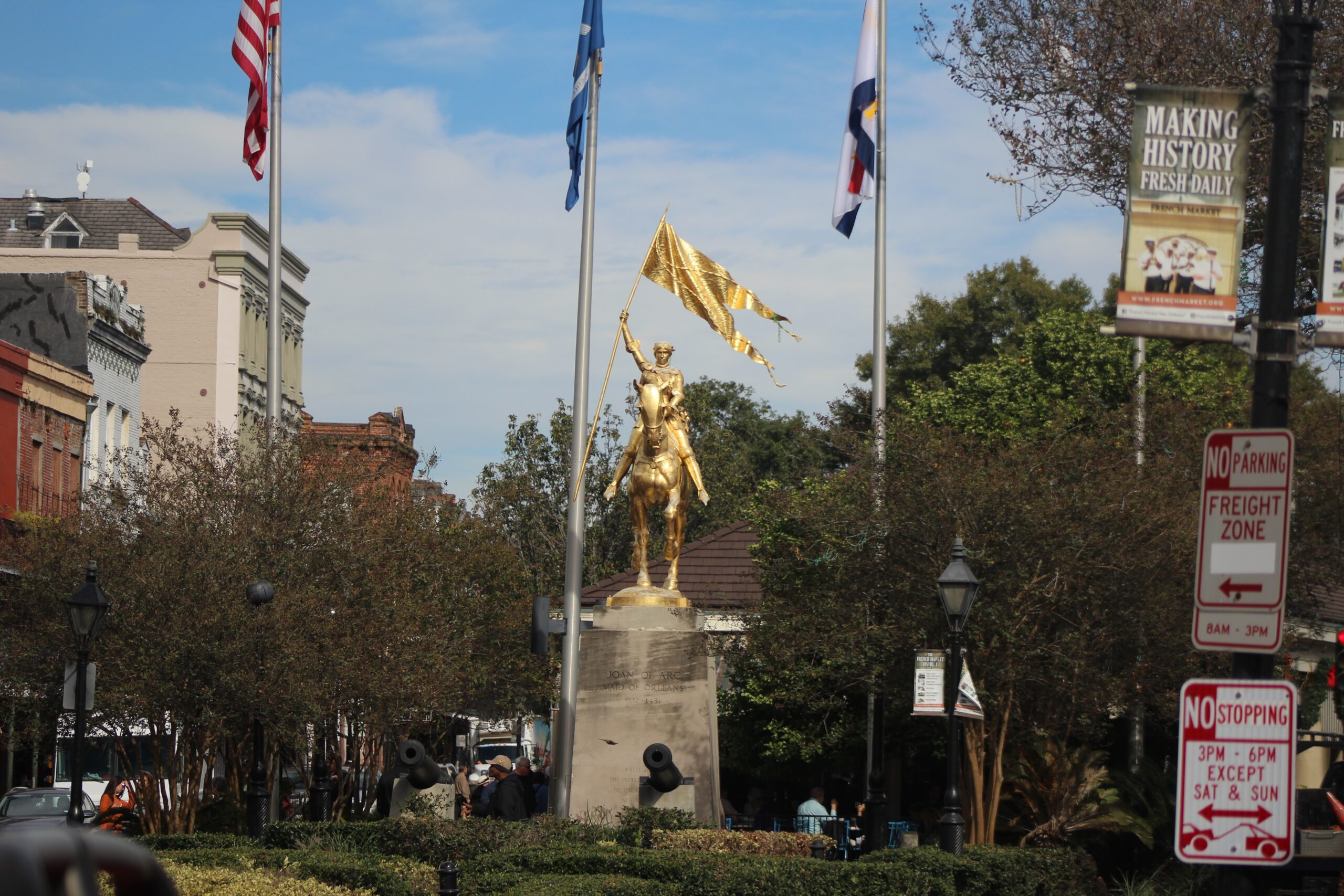
The Historic Heart: French Quarter and Beyond
The French Quarter, a National Historic Landmark, is the soul of New Orleans. Its wrought-iron balconies, cobblestone streets, and vibrant atmosphere are what many travelers envision. Staying within or near the French Quarter offers unparalleled convenience for exploring its many treasures.
- Bourbon Street: Famous for its lively nightlife, Bourbon Street is a must-see, whether you’re looking for music, drinks, or just to soak in the spectacle.
- Jackson Square: This iconic open space is surrounded by historic buildings like the St. Louis Cathedral, the Cabildo, and the Presbytère. Street performers, artists, and fortune tellers make it a constant hub of activity.
- Café Du Monde: A pilgrimage for many, this historic café is renowned for its beignets and café au lait. Its location near Jackson Square makes it an easy stop.
- Royal Street: Known for its art galleries, antique shops, and street musicians, Royal Street offers a more refined shopping and strolling experience compared to Bourbon Street.
From the French Quarter, many other significant attractions are easily accessible. The French Market offers a taste of local produce, crafts, and souvenirs. A short streetcar ride can take you to the elegant Garden District, famous for its antebellum mansions and beautiful oak-lined streets.
Arts, Culture, and Music Hubs
New Orleans is synonymous with music and art, and several areas are dedicated to these vibrant expressions. Your proximity to these hubs will determine how easily you can immerse yourself in the city’s creative pulse.
- Frenchmen Street: Located in the Marigny neighborhood, just east of the French Quarter, Frenchmen Street is considered the true heart of New Orleans live music scene. It boasts a concentration of clubs and bars featuring local jazz, blues, and funk musicians. It’s a fantastic alternative to the more tourist-oriented venues on Bourbon Street.
- Warehouse District: This revitalized area is home to numerous art galleries, upscale restaurants, and museums, including the National WWII Museum. It’s easily accessible from the French Quarter and the Central Business District.
- Treme: One of the oldest African-American neighborhoods in the United States, Treme has a rich musical heritage and is considered by many to be the birthplace of jazz. While it requires a bit more awareness and planning to explore, its historical significance is immense.
The New Orleans Museum of Art (NOMA) and the Sydney and Walda Besthoff Sculpture Garden are located in City Park, a vast urban oasis. Getting to City Park typically involves a streetcar ride or a short drive, offering a peaceful respite from the bustling city center.
Beyond the City Limits: Day Trips and Excursions
If your accommodation is situated on the outskirts or you have extra days to explore, New Orleans serves as an excellent base for various day trips and excursions that delve deeper into the region’s unique natural beauty and history.
- Plantation Country: A drive along the Great River Road will take you to numerous historic plantations, such as Oak Alley Plantation and Laura Plantation. These sites offer a poignant glimpse into the region’s complex past, with stunning architecture and lush grounds.
- Swamp Tours: Experience the unique ecosystem of the Louisiana bayous with a guided swamp tour. These excursions, often departing from areas just outside the city, allow you to see alligators, diverse bird species, and learn about the fascinating flora and fauna of the wetlands.
- Jean Lafitte National Historical Park and Preserve: This park offers opportunities to explore the natural and cultural resources of the Mississippi River Delta, including wetlands, prairies, and historic sites. It’s a great option for nature enthusiasts and history buffs.
- Bay St. Louis, Mississippi: For a coastal escape, the charming town of Bay St. Louis is a relatively short drive away, offering beaches and a relaxed atmosphere.
Understanding your location relative to these attractions will allow you to tailor your itinerary, whether you prefer to be within walking distance of the French Quarter‘s vibrant nightlife or closer to the tranquil beauty of the bayou. No matter where you choose to stay, the magic of New Orleans is never too far away.
Planning Your Stay: Accommodation and Lifestyle in New Orleans
The “how far” question also directly influences your accommodation choices and the overall lifestyle you can embrace during your visit to New Orleans. The city offers a spectrum of lodging options, from luxurious resorts to charming boutique hotels and budget-friendly apartments, each catering to different traveler profiles and proximity preferences.
Diverse Accommodation Options
Your choice of accommodation will significantly impact your daily experience and your proximity to certain activities and neighborhoods.
- Luxury Stays: For those seeking indulgence and high-end amenities, New Orleans boasts a range of luxury hotels and resorts. Many of these are located in or near the French Quarter and the Central Business District, offering easy access to fine dining, shopping, and entertainment. Consider the iconic The Roosevelt New Orleans, A Waldorf Astoria Hotel, or the elegant Windsor Court Hotel.
- Boutique Charm: The city is dotted with unique boutique hotels, often housed in historic buildings, offering a more intimate and personalized experience. These can be found in areas like the French Quarter, the Garden District, and the Warehouse District, providing a distinct sense of place.
- Resorts and Apartments: For longer stays or family trips, serviced apartments or resorts on the outskirts might offer more space and amenities like pools and kitchens. Some may be located in areas like Metairie or along the coast, offering a different pace of life while still being accessible to the city.
- Budget-Friendly Options: Travelers on a budget can find a variety of hostels, guesthouses, and well-rated budget hotels throughout New Orleans. These are often located a bit further from the prime tourist areas, but still accessible via public transport or a short ride-share.

Embracing Different Travel Lifestyles
The distance to New Orleans and your chosen accommodation will also influence the kind of travel lifestyle you can adopt.
- Luxury Travel: If you’re coming from afar and prioritizing comfort and convenience, flying into MSY and staying in a high-end hotel in the French Quarter or the Central Business District allows for a seamless luxury experience, with many attractions within walking distance or a short chauffeured ride.
- Budget Travel: For budget-conscious travelers, driving from a neighboring state or taking an Amtrak train can significantly reduce travel costs. Opting for accommodation slightly outside the main tourist hubs, perhaps in areas with good public transport links, can further stretch your travel funds, allowing for more spending on New Orleans‘ culinary delights and cultural experiences.
- Family Trips: Families might prefer accommodations with more space, such as apartments or resorts, which may be located a short drive from the city center. This offers a balance between access to attractions and a more relaxed environment for children. Planning your days to include family-friendly activities like visiting the Audubon Aquarium of the Americas or the Audubon Zoo becomes easier with strategic location planning.
- Business Stays: For business travelers, hotels in the Central Business District are often preferred for their proximity to convention centers and corporate offices. However, the city’s excellent public transportation and ride-sharing options make it easy to commute from various neighborhoods.
Ultimately, the “how far” question is not just about mileage; it’s about orchestrating a journey that aligns with your personal travel style, budget, and desired experiences. Whether you’re a stone’s throw away or an ocean apart, New Orleans welcomes you with open arms and a vibrant spirit, promising an unforgettable adventure.