
The allure of Las Vegas, Nevada, is undeniable, drawing millions of visitors each year to its dazzling Strip, world-class entertainment, and vibrant nightlife. Yet, beyond the neon glow of this desert metropolis lies a vast and diverse landscape, with the Grand Canyon State, Arizona, offering a starkly beautiful contrast and a wealth of experiences just a stone’s throw away. The question of “how far is Arizona from Las Vegas?” is more nuanced than a simple mileage count, as Arizona is a sprawling state with numerous entry points and attractions that can be reached from the entertainment capital. Whether you’re planning a quick day trip, a scenic weekend getaway, or an extended exploration, understanding the distances and travel times is crucial for crafting the perfect itinerary.

Arizona boasts a rich tapestry of natural wonders, from the iconic red rocks of Sedona to the breathtaking depths of the Grand Canyon and the stark beauty of the Sonoran Desert. These, along with charming historic towns and vibrant cities, create a compelling reason to venture beyond Las Vegas. The proximity of certain Arizona destinations makes them ideal complements to a Las Vegas vacation, offering a refreshing change of pace and a deeper connection with the natural world.
Driving Distances and Estimated Travel Times
The primary gateway to Arizona from Las Vegas is typically via the southeastern corridor, with the Hoover Dam often serving as the first significant landmark encountered. The distance and time will vary significantly depending on your specific destination within Arizona.
Southern Arizona: The Gateway to the Grand Canyon and Beyond
For many, the primary draw to Arizona from Las Vegas is the world-renowned Grand Canyon. The South Rim of the Grand Canyon National Park is the most popular and accessible section, and it’s a journey that requires a dedicated chunk of driving.
-
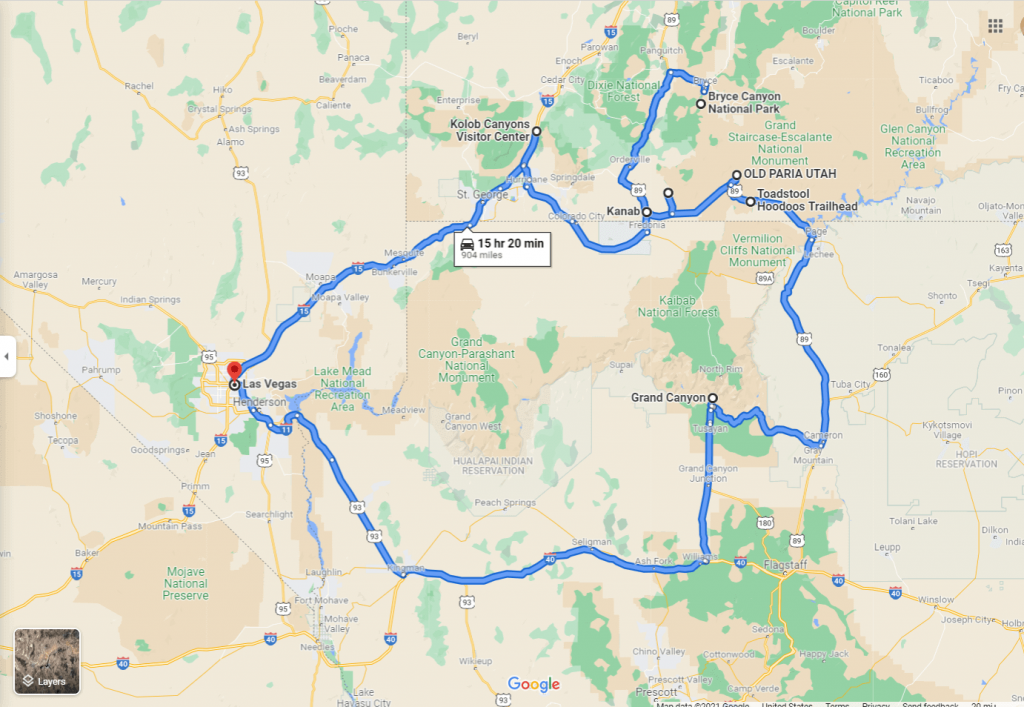
Las Vegas to Grand Canyon South Rim: The most common route to the Grand Canyon South Rim from Las Vegas involves heading east on U.S. Route 93, crossing the Hoover Dam, and then continuing on I-40 East towards Williams, Arizona. From Williams, you’ll take State Route 64 North directly to the park entrance. This drive covers approximately 280 miles and typically takes around 4 to 5 hours, not including stops. It’s important to factor in potential delays at the Hoover Dam and traffic within the park itself, especially during peak seasons.
The Grand Canyon is an absolute must-see, a geological marvel that leaves visitors speechless. The sheer scale and beauty of this natural wonder are unparalleled. Numerous viewpoints along the South Rim offer different perspectives of the canyon’s vastness, from Mather Point and Yavapai Point to Hopi Point and Mohave Point on Hermit Road. Hiking trails, ranging from easy rim walks to more strenuous descents into the canyon, cater to various fitness levels. Photography opportunities abound, with sunrise and sunset casting magical hues across the ancient rock formations. Staying overnight near the Grand Canyon is highly recommended to fully appreciate its grandeur. Options range from lodges within the park, such as the El Tovar Hotel or Bright Angel Lodge, to hotels and motels in nearby Tusayan or Williams.
Central Arizona: Red Rocks and Artistic Enclaves
Venturing further south from the Grand Canyon or directly from Las Vegas opens up the stunning landscapes and vibrant culture of central Arizona.
-
Las Vegas to Sedona: The journey to Sedona, famous for its captivating red rock formations and thriving arts scene, is another popular option. The most direct route from Las Vegas typically involves driving south towards Kingman, Arizona, then taking I-40 East to Flagstaff, and finally heading south on State Route 89A into Sedona. This route is approximately 275 miles and can take around 4.5 to 5 hours of driving time. Alternatively, a slightly longer but often more scenic route can be taken through Prescott.
Sedona offers a unique blend of natural beauty and spiritual ambiance. The vibrant red rocks are not just a visual spectacle; they are also believed by many to possess healing energy, attracting spiritual seekers and wellness enthusiasts. Activities in Sedona include hiking amidst iconic landmarks like Cathedral Rock, Bell Rock, and Devil’s Bridge. Jeep tours are a fantastic way to explore the rugged terrain and learn about the area’s geology and history. The town itself is a hub for art galleries, boutique shops, and acclaimed restaurants, making it an ideal destination for a leisurely retreat. Accommodation options in Sedona range from luxury resorts like L’Auberge de Sedona and Enchantment Resort to cozy inns and vacation rentals, many offering breathtaking views.
-
Las Vegas to Flagstaff: As a gateway city to the Grand Canyon and a hub for exploring northern Arizona, Flagstaff is another accessible destination. Driving from Las Vegas to Flagstaff follows a similar route to Sedona, taking I-40 East. The distance is around 250 miles, with an estimated driving time of 4 to 4.5 hours. Flagstaff itself offers a charming downtown area with historic architecture, a vibrant craft beer scene, and a gateway to outdoor adventures. It’s also the jumping-off point for visiting Walnut Canyon National Monument and the ancient cliff dwellings of Montezuma Castle National Monument.
Exploring the Deserts and Borderlands
While the northern and central parts of Arizona are the most frequented by visitors from Las Vegas, the southern regions offer a different, yet equally compelling, desert experience.
-
Las Vegas to Tucson: For those seeking a deeper dive into the desert landscape and a taste of Arizona‘s rich cultural heritage, Tucson presents a worthy destination. The drive from Las Vegas to Tucson is a longer commitment, typically involving heading south through Arizona and then east. This journey covers over 500 miles and can take approximately 8 to 9 hours of driving. This makes it more of a multi-day trip or a destination to be reached via a flight from Las Vegas.
Tucson, nestled in the heart of the Sonoran Desert, is a UNESCO City of Gastronomy, renowned for its authentic Mexican and Southwestern cuisine. The Saguaro National Park, with its iconic giant saguaro cacti, offers an immersive desert experience. Tucson also boasts a rich history, evident in its Spanish colonial missions, such as the historic Mission San Xavier del Bac, a stunning example of Baroque architecture. The city’s vibrant arts scene, diverse culinary offerings, and unique desert landscapes make it a compelling destination for those looking to explore a different facet of Arizona. Accommodation options in Tucson range from luxury resorts like The Ritz-Carlton, Dove Mountain to charming boutique hotels and family-friendly resorts.
-
Las Vegas to Phoenix/Scottsdale: The capital city, Phoenix, and its upscale neighbor, Scottsdale, are also accessible, though they represent a more significant drive. The route typically involves heading southeast, similar to the drive towards central Arizona, but continuing further. The distance is approximately 300 miles, with a driving time of around 4.5 to 5 hours.
Phoenix and Scottsdale offer a blend of urban sophistication and desert charm. Scottsdale is particularly known for its high-end shopping, renowned golf courses, vibrant nightlife, and luxury resorts such as the Fairmont Scottsdale Princess and The Phoenician. Phoenix itself offers a growing culinary scene, numerous museums, and outdoor recreational opportunities, including hiking in Camelback Mountain and South Mountain Park. The Desert Botanical Garden in Phoenix is a must-visit to appreciate the diverse flora of the Sonoran Desert. This region is ideal for those who enjoy a mix of relaxation, recreation, and city amenities.
Considerations for Your Arizona Adventure
When planning your trip from Las Vegas to Arizona, several factors will influence your travel experience and the time it takes to reach your destination.
Mode of Transportation
1. Driving: This is the most popular and flexible way to explore Arizona from Las Vegas. Renting a car provides the freedom to stop at roadside attractions, explore at your own pace, and venture off the beaten path. The major highways connecting Las Vegas to Arizona are generally well-maintained. However, it’s crucial to ensure your vehicle is in good condition, especially if you plan on venturing into more remote areas. Always carry plenty of water, especially during the hotter months, and be mindful of the vast distances between services in some desert regions.
2. Flying: For destinations further south, like Tucson, or if time is a primary concern, flying into Phoenix Sky Harbor International Airport or Tucson International Airport from McCarran International Airport (now Harry Reid International Airport) in Las Vegas is a viable option. Flight times are relatively short, typically around 1 to 1.5 hours. Once you land, you can rent a car to explore the region. This method significantly reduces travel time but limits the spontaneous stops and scenic drives that make road trips so appealing.
Best Times to Visit
Arizona experiences distinct seasons, and the best time to visit will depend on your preferred activities and tolerance for heat.
- Spring (March-May) and Fall (September-November): These are arguably the most pleasant times to visit Arizona. Temperatures are generally mild, making outdoor activities like hiking and sightseeing comfortable. The desert wildflowers bloom in spring, offering a stunning display of color.
- Summer (June-August): Summer in Arizona can be extremely hot, especially in the desert regions like Phoenix and Tucson, with temperatures frequently exceeding 100°F (38°C). While the Grand Canyon’s higher elevation offers cooler temperatures, it can still be warm. This season is best suited for those who can tolerate the heat or plan to focus on indoor activities and early morning or late evening excursions.
- Winter (December-February): Winters in Arizona are generally mild and pleasant in the southern parts of the state. Phoenix and Tucson enjoy sunshine and comfortable temperatures, making them popular winter escapes. The Grand Canyon can experience snow, transforming it into a magical winter wonderland, but some roads and facilities may be closed due to weather conditions.
Planning Your Itinerary
The distance from Las Vegas to Arizona is not a barrier, but rather an invitation to explore. By understanding the travel times and the diverse attractions each region offers, you can seamlessly integrate a visit to Arizona into your Las Vegas adventure. Whether you’re captivated by the awe-inspiring Grand Canyon, enchanted by the red rocks of Sedona, or drawn to the cultural richness of Tucson, Arizona promises an unforgettable complement to your journey. Remember to book accommodations in advance, especially during peak seasons, and to prepare for the unique desert environment. Your exploration of Arizona from Las Vegas is bound to be a highlight of your trip, showcasing the incredible natural beauty and rich heritage that lies just beyond the bright lights of the entertainment capital.
LifeOutOfTheBox is a participant in the Amazon Services LLC Associates Program, an affiliate advertising program designed to provide a means for sites to earn advertising fees by advertising and linking to Amazon.com. Amazon, the Amazon logo, AmazonSupply, and the AmazonSupply logo are trademarks of Amazon.com, Inc. or its affiliates. As an Amazon Associate we earn affiliate commissions from qualifying purchases.