
The question “How Far Away Is Colorado?” is more than just a geographical inquiry; it’s an invitation to explore the vast possibilities of travel, the allure of unique accommodations, and the promise of unforgettable experiences. While the literal distance can be measured in miles or kilometers, the “distance” to Colorado is truly defined by your starting point, your chosen mode of transportation, and the depth of your desire to immerse yourself in the Centennial State’s diverse offerings. Whether you’re dreaming of soaring mountain peaks, vibrant cityscapes, or the quiet charm of its many towns, understanding how to bridge that gap is the first step to unlocking the wonders of Colorado.
This guide aims to provide a comprehensive overview of reaching Colorado, encompassing various travel styles, accommodation options, and the myriad of activities and attractions that make it a premier travel destination. We will delve into how different starting points influence your journey, the array of lodging that awaits, and the rich tapestry of culture and natural beauty that defines the Colorado experience.
Planning Your Journey to the Rocky Mountain State
The distance to Colorado is not a static number; it’s a dynamic variable influenced by your departure location and preferred travel method. Understanding these factors is crucial for effective trip planning, whether you’re a seasoned globetrotter or embarking on your first adventure to this captivating state.
Reaching Colorado by Air
For many, the most efficient way to cover significant distances to Colorado is by air. The state is well-served by major airports, with Denver International Airport (DEN) being the primary gateway. Located northeast of Denver, it handles a vast number of domestic and international flights, connecting travelers from across the globe. Major airlines like United Airlines, Southwest Airlines, and American Airlines offer frequent service.
Beyond Denver, regional airports cater to specific areas, offering closer access to various attractions. Colorado Springs Airport (COS) serves the southern region, while smaller airports like Aspen/Pitkin County Airport (ASE) provide access to world-renowned ski resorts and alpine beauty. For those heading to the Western Slope, Grand Junction Regional Airport (GJT) is a convenient option. The flight duration will vary dramatically depending on your origin. A flight from New York City might take around four to five hours, while a transatlantic journey from London would be considerably longer, typically around nine to ten hours, often with a layover in a major US hub.
Once you land, a network of rental car agencies at each airport ensures you have the freedom to explore. Alternatively, shuttle services and ride-sharing options are readily available, particularly in and around major cities. For travelers seeking to minimize their environmental impact or enjoy a more scenic route, considering alternatives to flying is also an option.
The Scenic Routes: Driving to Colorado
For those who enjoy the journey as much as the destination, driving to Colorado offers a unique perspective. The state is traversed by a network of interstate highways, including Interstate 70, which cuts through the heart of the Rocky Mountains, offering breathtaking vistas. Interstate 25 runs north-south, connecting Cheyenne, Wyoming, Denver, Colorado Springs, and New Mexico.
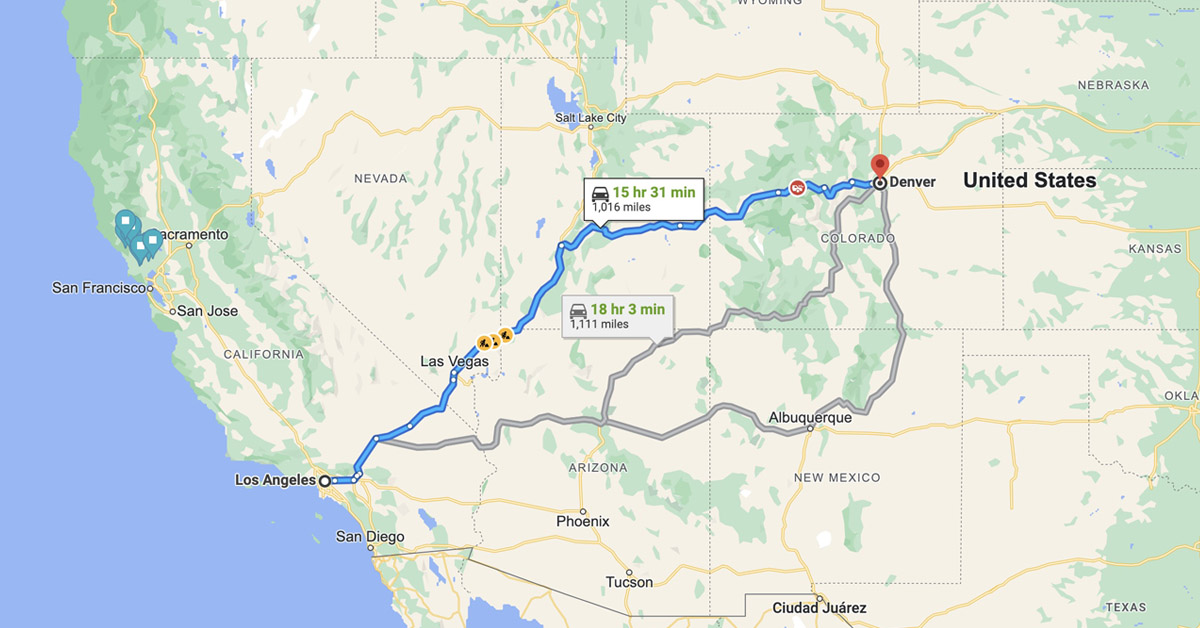
The driving time will be heavily dependent on your starting point. A road trip from Los Angeles, California, can take approximately 14-16 hours of pure driving time, often necessitating an overnight stop. From Chicago, Illinois, the drive is around 15-17 hours. These longer drives allow for spontaneous detours to explore attractions along the way, turning a simple commute into a road trip adventure. Planning your route in advance, factoring in potential weather conditions, especially during winter months in the mountains, and booking accommodations along the way are essential for a smooth driving experience.
Alternative Travel Methods
While flying and driving are the most common, other transportation methods can also get you to Colorado. Amtrak offers cross-country train services, providing a more relaxed and scenic way to travel. The California Zephyr route, for instance, travels from San Francisco to Chicago, passing through the heart of Colorado with stops in cities like Denver and Grand Junction. This offers a fantastic opportunity to witness the changing landscapes of the American West.
For those within a closer radius, bus services are also an option, providing a budget-friendly way to reach Colorado’s major cities.
Experiencing Colorado: Destinations and Attractions
Once you’ve arrived in Colorado, the question shifts from “how far” to “what to do.” The state is a treasure trove of experiences, catering to every type of traveler, from the adventurous thrill-seeker to the culture enthusiast.

The Majesty of the Mountains: National Parks and Ski Resorts
Colorado is synonymous with its awe-inspiring Rocky Mountains, offering unparalleled opportunities for outdoor recreation. Rocky Mountain National Park is a must-visit, famous for its dramatic peaks, alpine lakes, and abundant wildlife. Trail Ridge Road, the highest continuous paved road in North America, offers spectacular panoramic views. Hiking, wildlife viewing, and scenic drives are popular activities here.
The state is also a world-renowned ski destination. Resorts like Aspen Snowmass, Vail, Breckenridge, and Winter Park Resort attract skiers and snowboarders from around the globe during the winter months. In the summer, these same mountains transform into a hiker’s paradise, with wildflower meadows and challenging trails.
Urban Exploration: Cities and Culture
Colorado’s cities offer a vibrant contrast to its natural landscapes. Denver, the capital city, is a hub of culture, dining, and entertainment. The Denver Art Museum boasts an impressive collection, while the Larimer Square district offers historic architecture, boutique shops, and lively restaurants. The Red Rocks Park and Amphitheatre, just outside Denver, is a geological marvel and a legendary concert venue.
Boulder, nestled at the foot of the Flatirons, is known for its progressive atmosphere, healthy lifestyle, and stunning natural surroundings. The Pearl Street Mall is a pedestrian haven filled with shops, cafes, and street performers. Colorado Springs is home to iconic landmarks like Garden of the Gods Park, with its towering red rock formations, and the famous Pikes Peak.
Historical and Unique Landmarks
Colorado’s history is rich, from its mining town past to its indigenous heritage. Towns like Telluride, Crested Butte, and Central City retain their historic charm, offering a glimpse into the Old West. The Mesa Verde National Park, a UNESCO World Heritage Site, preserves the remarkable cliff dwellings of the ancestral Pueblo people.
The state also boasts unique natural wonders like the Great Sand Dunes National Park and Preserve, where towering sand dunes meet the Sangre de Cristo Mountains, offering a surreal landscape for sandboarding and exploration.
Accommodation and Lifestyle in Colorado
The “distance” to Colorado can also be measured by the variety of experiences it offers, including its diverse accommodation options and lifestyles catering to every traveler. From luxurious resorts to charming bed and breakfasts, finding the perfect place to stay is an integral part of the journey.
Lodging Options for Every Traveler
When planning your stay in Colorado, the range of accommodations is as varied as its landscapes. For those seeking ultimate comfort and amenities, luxury hotels and resorts abound, particularly in popular mountain towns and cities. Options like The Ritz-Carlton, Bachelor Gulch in Beaver Creek or the St. Regis Aspen Resort offer world-class service, fine dining, and exquisite spa facilities, making them ideal for a luxury travel experience.
For families or those looking for more space and privacy, vacation rentals and apartments, including charming cabins and spacious villas, are excellent choices. Websites specializing in accommodation comparison allow travelers to find properties that best suit their needs, whether it’s a ski-in/ski-out condo in Breckenridge or a secluded mountain retreat. Many of these rentals offer amenities like fully equipped kitchens, private hot tubs, and stunning mountain views, enhancing the long-term stay or family trip experience.
Budget travelers will find a plethora of options, from comfortable hotels and motels in towns across the state to hostels in cities like Denver. Camping and RV parks are also plentiful, offering an immersive way to experience Colorado’s natural beauty. For a more intimate and personalized stay, consider the many bed and breakfasts scattered throughout the state, often providing a taste of local hospitality and homemade breakfasts.
Embracing the Colorado Lifestyle
The lifestyle in Colorado is deeply intertwined with its natural environment and the pursuit of adventure and well-being. Whether you’re seeking a thrilling business stay with opportunities for après-ski, a relaxing family vacation exploring national parks, or an adventurous solo journey through its backcountry, Colorado delivers.
The culinary scene is as diverse as its geography. From farm-to-table restaurants in Boulder to craft breweries in Fort Collins and innovative eateries in Denver, foodies will find plenty to savor. Local culture is celebrated through festivals, art galleries, and historical sites, offering a rich tapestry of experiences. Experiencing Colorado means engaging with its vibrant communities, its rich history, and its breathtaking landscapes, all while enjoying the comforts and conveniences that your chosen accommodation provides. The “distance” to Colorado, therefore, is not just a measurement of miles, but a measure of anticipation for the unique experiences that await.