
The journey of the sweet potato (Ipomoea batatas) is an epic saga of ancient voyaging, colonial trade routes, and relentless agricultural innovation, culminating in its treasured status in kitchens across the globe, not least in the Lone Star State. Far from being a mere root vegetable, the sweet potato represents a profound historical and cultural narrative, intertwining with human migration, culinary traditions, and the very fabric of local economies. For the modern traveler, understanding this journey offers a unique lens through which to explore destinations, savor authentic local culture, and appreciate the rich tapestry of global food systems.
From its probable origins thousands of years ago in the Americas to its celebrated presence in fields and festivals across Texas, the sweet potato has embarked on a truly astonishing odyssey. This article delves into the incredible distances this humble tuber has covered, exploring its ancient travels, its colonial dispersion, and its deep roots within the United States, particularly in Texas. We’ll uncover how this staple has shaped cuisine, economy, and even tourism, inviting you to embark on your own culinary and historical travel experiences.
The Ancient Roots: Tracing the Sweet Potato’s Global Odyssey
The story of the sweet potato’s journey begins long before recorded history, a testament to early human ingenuity and daring exploration. Its initial travels across vast oceans are a marvel of ancient navigation, shaping cultures and diets millennia ago.
Origins in the Americas: A Pre-Columbian Enigma
Botanical and genetic evidence overwhelmingly points to the sweet potato’s origins in Central or South America, likely around the areas of present-day Peru or Ecuador. Archaeological findings indicate its cultivation dates back at least 8,000 years in these regions, making it one of the oldest domesticated crops in the Americas. Indigenous peoples cherished it for its nutritional value and versatility, incorporating it into diverse diets long before any European contact.
What makes its early journey particularly fascinating is the debate surrounding its pre-Columbian presence in Polynesia. Evidence suggests that sweet potatoes were cultivated across the Pacific islands long before Christopher Columbus set sail. The prevailing theory posits that ancient Polynesian navigators, masters of celestial and oceanic currents, made contact with the South American coast, bringing the sweet potato back to their islands. This incredible feat of pre-Columbian transatlantic travel highlights an early, unwritten chapter of global exchange, offering a powerful reminder of how far ancient civilizations traveled and interconnected. Imagine the epic voyages in canoes and catamarans, carrying this precious cargo, reaching distant islands and transforming local cultures. For travelers interested in ancient history and maritime exploration, destinations like Peru or the Pacific islands offer rich insights into these early global connections.

European Encounters and Transatlantic Voyages
The sweet potato’s second major global dispersal began with the arrival of Europeans in the Americas. When Christopher Columbus first encountered the sweet potato in the Caribbean in 1492, he mistakenly called it a “batata” and brought it back to Spain. Unlike the common potato, which initially faced suspicion, the sweet potato was quickly embraced in Europe for its sweet flavor and vibrant color. It rapidly became a delicacy, popular among the aristocracy and eventually spreading to broader populations.
From Spain and Portugal, the sweet potato followed colonial trade routes, carried by ships traversing the globe. Portuguese traders introduced it to Africa and Asia in the 16th century, where it thrived in diverse climates and quickly became an essential food source. Its ability to grow in marginal soils and provide high yields made it a vital crop in many regions, helping to alleviate food shortages and diversify diets.
This phase of its journey underscores the profound impact of colonial-era travel and trade on global food systems. From the bustling ports of Seville to the exotic markets of Goa and Manila, the sweet potato was a silent passenger, reshaping culinary landscapes and contributing to the development of unique local cuisines. Today, when you travel to Portugal or Spain, you might find echoes of this history in traditional dishes, a tangible link to centuries of global exchange.
Sweet Potatoes in the American Tapestry: A Journey to the South
Having completed its intercontinental voyages, the sweet potato found a particularly welcoming home in North America, carving out a significant niche, especially in the southern United States. Its journey here is deeply intertwined with American history, agriculture, and the evolution of regional cuisine.
From Colonial Gardens to Southern Staples
The sweet potato arrived in what would become the United States via Spanish explorers and later through the transatlantic slave trade. By the early 17th century, it was being cultivated in the Virginia colony. Its resilience, high nutritional content, and adaptability to the warm, humid climate of the American South made it an indispensable crop, particularly in times when other staples were scarce. For enslaved Africans brought to the Americas, the sweet potato also held cultural significance, reminding them of similar tuber crops from their homelands and quickly becoming a dietary cornerstone.
Throughout the 18th and 19th centuries, the sweet potato solidified its status as a fundamental southern food. It was a versatile ingredient, used in everything from savory stews to sweet pies, and served as a crucial source of sustenance. Post-Civil War, agricultural scientists like George Washington Carver championed the sweet potato, promoting its cultivation and developing hundreds of uses for it, from flour to ink. His advocacy highlighted its economic potential and its role in agricultural diversification, particularly for struggling farmers in the South. This historical context offers a powerful narrative for travelers interested in American history, agriculture, and civil rights, with destinations across the South providing museums and historical sites that tell these stories.
The Lone Star State’s Sweet Connection
The sweet potato’s journey to Texas mirrors its broader trajectory in the South but with a distinct local flavor. As settlers moved westward into Texas in the 19th century, they brought their agricultural practices and preferred crops with them. The warm climate and fertile soils, particularly in East Texas, proved ideal for sweet potato cultivation. Farmers quickly adopted it as a reliable and economically viable crop, providing food for their families and a source of income.
Counties like Upshur County, where the city of Gilmer is located, became major sweet potato producing regions. The adaptability of the crop to Texas’s diverse soil types, from sandy loams to heavier clays, ensured its widespread cultivation. Over time, advancements in agricultural science, often driven by institutions like Texas A&M University, led to improved varieties and farming techniques, solidifying Texas’s position as a significant sweet potato producer.
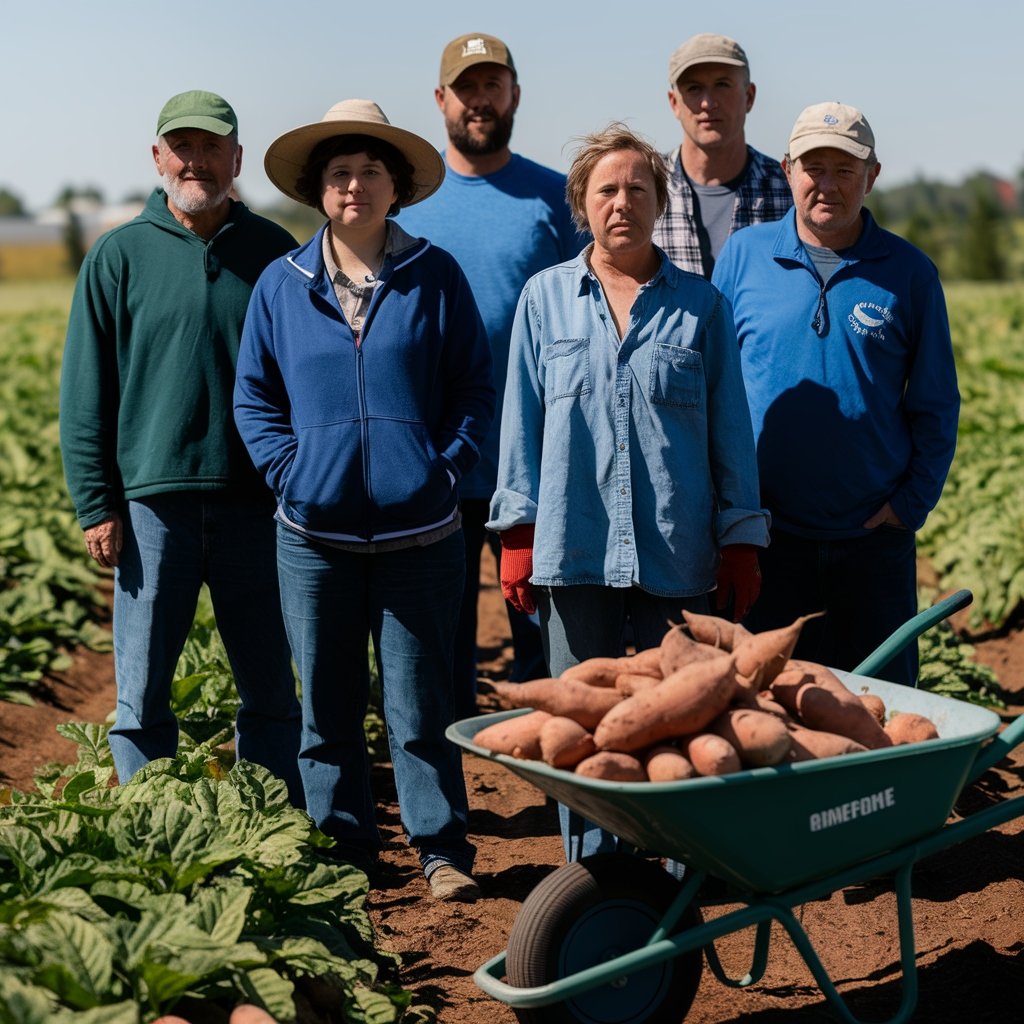
Today, Texas sweet potatoes are known for their quality and flavor, finding their way into grocery stores and restaurants across the state and beyond. The journey from a few roots carried by early pioneers to a multi-million dollar industry reflects the tenacity and innovation of Texan farmers. For travelers seeking unique “travel guides” or “experiences,” exploring the agricultural heartland of East Texas offers a tangible connection to this history, where you can witness the vast fields and meet the farmers who continue this legacy.
Modern Day Sweet Potato Tourism and Lifestyle in Texas
Beyond its historical significance, the sweet potato continues to influence modern Texas culture, particularly in its culinary landscape and unique tourism offerings. For those planning a trip, exploring the sweet potato’s presence can add a distinctive flavor to your travel itinerary, connecting you with local culture and food.
Culinary Journeys: Tasting Texas’s Sweet Potato Delights
The sweet potato is more than just a side dish in Texas; it’s a versatile ingredient that reflects the state’s rich culinary diversity. In traditional Texas cuisine, it often appears in comforting forms: candied sweet potatoes, sweet potato pie, or simply roasted with spices. These dishes are staples at holiday gatherings and family meals, embodying a taste of home and heritage.
However, the sweet potato’s role has evolved significantly. Modern Texas chefs are incorporating it into innovative dishes, from sweet potato fries with a spicy kick to gourmet sweet potato gnocchi and even sweet potato-infused craft beers. In cities like Austin, Dallas, and Houston, farm-to-table restaurants often feature seasonal sweet potato creations, showcasing local produce and culinary creativity. A food tour focusing on sweet potato dishes could be an exciting “activity” for any food enthusiast, providing a unique “experience” of Texas’s vibrant food scene. Many restaurants, from upscale luxury resorts with fine dining options to charming local eateries, feature sweet potato dishes prominently. When considering “accommodation,” look for hotels or apartments with kitchens, allowing you to try your hand at cooking with fresh Texas sweet potatoes purchased from local markets.
Festivals and Farm Stays: Experiencing the Sweet Potato Life
For travelers seeking a deeper immersion into the sweet potato story, Texas offers unique opportunities. The most prominent celebration is the annual Gilmer Yamboree Festival, held every October in Gilmer, the “Sweet Potato Capital of Texas.” This multi-day event is a vibrant showcase of local culture, featuring parades, livestock shows, arts and crafts, pageants, and, of course, countless sweet potato dishes. Attending the Gilmer Yamboree Festival is more than just a visit; it’s an “experience” that connects you directly with the community and its agricultural heritage, offering a slice of authentic “local culture.” It’s an ideal “destination” for a “family trip,” providing fun and educational activities for all ages.
Beyond festivals, the growing trend of agritourism in Texas means visitors can find opportunities for farm tours, where they can learn about sweet potato cultivation firsthand, and even pick their own. Some farms in East Texas offer charming “farm stays” or bed and breakfast options, providing unique “accommodation” experiences. These typically offer cozy “suites” or renovated “villas” on picturesque properties, providing a tranquil “lifestyle” break from city life. Staying on a farm allows for an intimate look at the daily rhythms of rural Texas, often complete with fresh, homegrown meals. Reviews for such stays often highlight the peaceful surroundings and the chance to reconnect with nature, making them perfect “budget travel” or “long-term stay” options for those seeking tranquility. These experiences not only offer a unique perspective on the sweet potato’s journey but also support local economies and preserve valuable agricultural traditions. When considering “booking” your next Texas adventure, remember these sweet potato-centric “attractions” and “destinations” for a truly memorable trip.
The sweet potato’s journey to Texas is a remarkable tale of endurance, adaptation, and global connection. From its ancient origins in South America and its daring pre-Columbian voyages to Polynesia, through the bustling trade routes of colonial Europe, and finally taking root in the fertile soils of the American South, this humble tuber has traveled immense distances and profoundly influenced human civilizations. In Texas, it has evolved from a survival crop to a culinary star and a cultural emblem, celebrated in kitchens and festivals alike. For the adventurous traveler, tracing the sweet potato’s journey offers a fascinating way to explore history, savor diverse flavors, and connect with the heart of local communities. Whether you’re indulging in a gourmet sweet potato dish in San Antonio or dancing at the Gilmer Yamboree Festival, you’re not just enjoying a meal or an event; you’re participating in a story that spans continents and millennia, a testament to how far this extraordinary vegetable has truly traveled.
