
Embarking on a journey from the vibrant cityscape of Chicago, Illinois, to the historic industrial heartland of Detroit, Michigan, is a popular travel option for many. Whether you’re drawn by the allure of Chicago’s architectural marvels and bustling arts scene or the revitalized spirit and rich cultural tapestry of Detroit, understanding the distance and the best ways to travel between these two iconic Midwestern hubs is crucial for planning your adventure. This exploration delves into the geographical proximity, the various transportation methods available, and what awaits you in both destinations, painting a comprehensive picture for the discerning traveler.
The Direct Distance and Driving Considerations
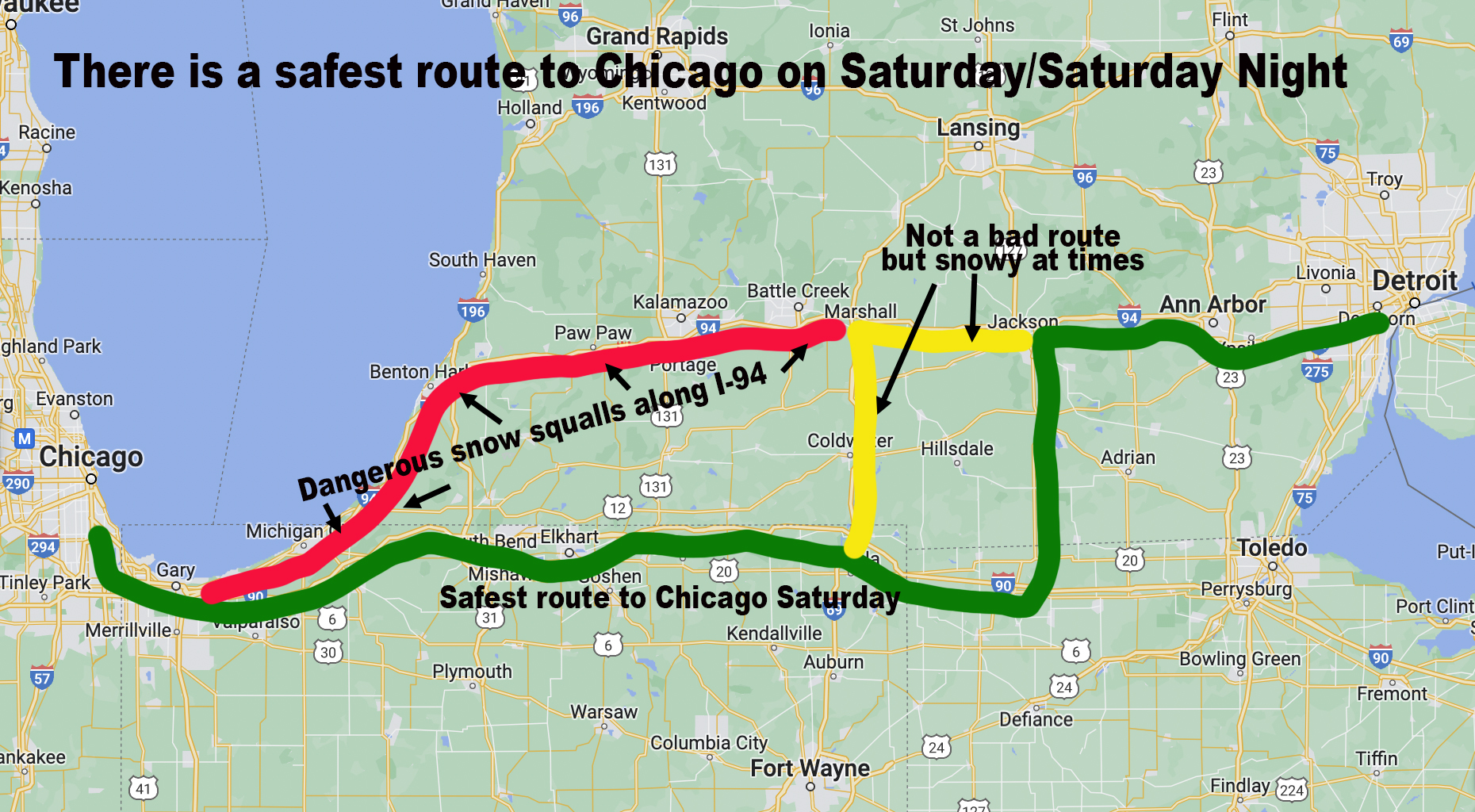
The most fundamental aspect of the question “How far from Chicago to Detroit?” is the direct geographical distance. By road, the distance between Chicago, Illinois, and Detroit, Michigan, is approximately 280-295 miles, depending on the specific routes taken and the exact starting and ending points within each metropolitan area. This translates to a driving time that typically ranges from 4.5 to 5.5 hours, assuming moderate traffic conditions and without significant stops.
Navigating the Route
The most common and direct driving route involves taking Interstate 90 East (I-90 E) out of Chicago, which merges into Interstate 94 East (I-94 E). This highway system will then carry you across the entirety of Indiana and into Michigan, with I-94 E leading directly into Detroit. This route is generally well-maintained and offers a straightforward drive.
However, it’s essential to factor in potential variables that can significantly impact your travel time. Chicago and Detroit are both major metropolitan centers, and traffic congestion, especially during peak commuting hours, can add substantial delays. Weekends and holidays can also see increased traffic volume. Therefore, it’s always advisable to check real-time traffic conditions using navigation apps before setting off and to plan your departure accordingly. Early morning departures or late-night travel can often help avoid the worst of the traffic.
The Scenic Alternative and Road Trip Stops
While the direct route is efficient, the distance between Chicago and Detroit also offers opportunities for a more leisurely road trip, allowing you to explore charming towns and attractions along the way. For those who prefer a more extended journey, consider detouring through northern Indiana or exploring some of the picturesque towns nestled along the southern shores of Lake Michigan.
One potential stop could be South Bend, Indiana, home to the University of Notre Dame. You could spend a few hours exploring the beautiful campus, visiting the Basilica of the Sacred Heart, or delving into the history of Notre Dame football. Another possibility is to venture slightly north into Michigan City, Indiana, where you can find the Indiana Dunes National Park. This park offers stunning natural landscapes, hiking trails, and a chance to relax by the lake.
Further along the route in Michigan, before reaching Detroit, you might consider a stop in Ann Arbor. This vibrant college town boasts a lively downtown area, numerous independent bookstores, art galleries, and a thriving culinary scene. It’s a great place to grab lunch or a coffee and stretch your legs. For those interested in automotive history, a brief detour might even lead you to explore some of the early automotive heritage sites in smaller Michigan towns.
The choice between a direct, efficient drive and a more exploratory road trip depends entirely on your travel style and available time. Regardless of your preference, the driving experience between Chicago and Detroit provides a fascinating glimpse into the diverse landscapes and economic engines of the American Midwest.
Alternative Travel: Flights and Trains
While driving offers flexibility and the potential for exploration, Chicago to Detroit travel can also be efficiently managed through air or rail. These options often appeal to those seeking speed or a less hands-on travel experience.
Flying into the Motor City
For travelers prioritizing speed, flying is a viable option. Detroit Metropolitan Wayne County Airport (DTW), also known as Metro Airport, is a major international airport serving Detroit and the surrounding region. Several airlines operate frequent direct flights from Chicago’s O’Hare International Airport (ORD) and Chicago Midway International Airport (MDW) to DTW.
The flight duration itself is remarkably short, typically around 1 hour to 1 hour and 20 minutes. However, it’s crucial to account for the total travel time when considering flights. This includes the journey to the Chicago airport, check-in procedures, security screening, boarding, taxiing, the flight itself, deplaning, baggage claim (if applicable), and the transportation from DTW into Detroit‘s city center. When all these factors are combined, the total time might approach or even exceed the driving time, especially if you have to travel far from the airport upon arrival.
DTW is a well-connected airport, offering various ground transportation options, including rental cars, taxis, rideshare services, and airport shuttles, making your onward journey into Detroit relatively seamless. The convenience of air travel is undeniable for those looking to minimize travel duration between the two cities.
The Train Journey: A Relaxed Perspective
For a more relaxed and scenic travel experience, the train offers a compelling alternative. Amtrak operates passenger rail services between Chicago and Detroit. The primary route is the Wolverine Service, which connects Chicago to Detroit via Ann Arbor, Kalamazoo, and other Michigan cities.
The train journey from Chicago Union Station to Detroit Station typically takes approximately 6 to 6.5 hours. While this is longer than a direct flight or a quick drive, it offers a unique perspective. Passengers can enjoy the passing landscapes, work comfortably, or simply relax without the stress of driving or navigating airport security.
Amtrak offers various seating options, from standard coach seats to private rooms for longer journeys, and amenities like Wi-Fi and dining cars can make the trip enjoyable. The Detroit Station is conveniently located, providing easy access to the city’s downtown area via taxis, rideshares, or public transportation. The train journey is an excellent choice for those who appreciate a slower pace and the opportunity to truly decompress during their travels.
Experiencing Detroit: What Awaits You
Upon arriving in Detroit, whether by road, air, or rail, you’ll find a city undergoing a remarkable renaissance. Known historically as the “Motor City” for its central role in the automotive industry, Detroit has a deep well of history, a burgeoning cultural scene, and a spirit of innovation that is palpable.
Landmarks and Cultural Attractions
Detroit is brimming with landmarks that tell the story of its past and present. A must-visit is the Henry Ford Museum of American Innovation in nearby Dearborn. This expansive museum showcases the history of American ingenuity and industry, featuring everything from iconic automobiles to groundbreaking inventions. Adjacent to it, Greenfield Village offers a living history experience, transporting visitors back in time.
Back in Detroit proper, the Detroit Institute of Arts (DIA) is a world-class museum housing an impressive collection, including Diego Rivera’s famous murals depicting Detroit industry. The Motown Museum, affectionately known as “Hitsville U.S.A.,” offers an intimate glimpse into the legendary record label that shaped popular music. For those interested in architecture, the Guardian Building and the Fisher Building are stunning examples of Art Deco design.
The revitalization of Detroit’s downtown and midtown areas has brought new life to historic districts. Areas like Midtown and New Center are home to trendy restaurants, boutique shops, and vibrant nightlife, alongside significant institutions like the Detroit Public Library and the Detroit Symphony Orchestra.
Culinary Delights and Local Flavors
Detroit’s culinary scene has exploded in recent years, offering a diverse range of flavors. From classic Detroit-style Coney dogs and square pizzas with crispy edges to innovative fine dining, there’s something to satisfy every palate. The Eastern Market, one of the oldest and largest public markets in the United States, is a foodie paradise, offering fresh produce, artisanal goods, and a lively atmosphere on Saturdays.
Exploring neighborhoods like Corktown, one of America’s oldest Irish neighborhoods, or the diverse culinary offerings in areas like Mexicantown provides a delicious insight into the city’s multicultural heritage. Food tours are a popular way to discover hidden gems and taste the authentic flavors of Detroit.
Embracing the Lifestyle
Detroit offers a unique lifestyle experience, characterized by resilience, creativity, and a strong sense of community. The city is a hub for urban explorers, art enthusiasts, and music lovers. Whether you’re seeking luxury stays, budget-friendly apartments, or family-oriented accommodations, Detroit has a diverse range of hotels and lodging options. From the historic elegance of the Detroit Club to modern boutique hotels in revitalized downtown buildings, finding the perfect place to stay is part of the adventure. The city encourages exploration, from its renowned landmarks to its emerging art galleries and performance venues, making it a compelling destination for a variety of travel styles, whether you are looking for a brief visit or a more extended stay.
In conclusion, the journey from Chicago to Detroit is more than just covering a few hundred miles; it’s an immersion into the interconnected histories and evolving landscapes of the Midwest. Understanding the distance, the travel options, and the rich experiences awaiting you in Detroit will help you craft an unforgettable trip.