
Embarking on a journey down the sun-drenched coast of Florida from Jacksonville to Miami is more than just traversing miles; it’s an immersive experience through diverse landscapes, vibrant cultures, and iconic landmarks. While the straightforward answer to “how far” provides a numerical distance, the true essence of this trip lies in the myriad of adventures, luxurious stays, budget-friendly options, and unforgettable moments that unfold along the way. This guide will not only detail the practical aspects of the journey but also illuminate the rich tapestry of travel, tourism, accommodation, and lifestyle choices available to every kind of traveler seeking to explore the Sunshine State’s eastern flank.

The Journey South: Unveiling the Distance and Route
Understanding the fundamental logistics is the first step in planning any successful road trip. The stretch from Jacksonville, a city known for its vibrant riverfront and expanding urban core, to Miami, the dazzling gateway to Latin America, offers a blend of efficiency and scenic beauty depending on your chosen path.
Measuring the Miles: Jacksonville to Miami by Road
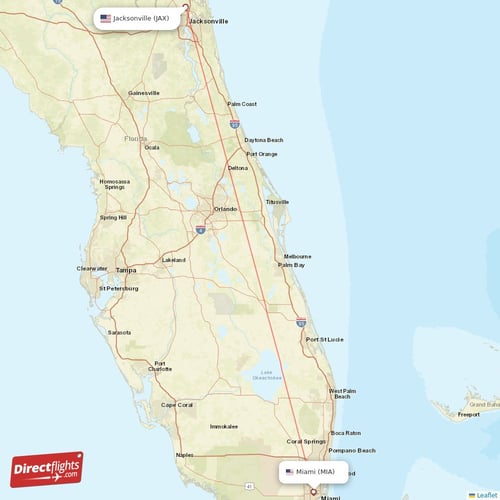
The most direct route between Jacksonville and Miami primarily follows Interstate 95 (I-95). The approximate driving distance is around 350 miles (or about 563 kilometers). For travelers committed to a non-stop drive, this journey typically takes between 5 to 6 hours. However, this estimation is purely for driving time and does not account for necessary breaks for meals, fuel, or the enticing stops that beckon along the way. Factors like traffic congestion, especially when passing through metropolitan areas like Orlando (though I-95 skirts it, nearby traffic can impact it), Fort Lauderdale, and nearing Miami, can significantly extend travel times. For a seamless experience, checking real-time traffic updates is always advisable, particularly during peak travel seasons or holiday weekends.
Key Routes and Scenic Alternatives
While I-95 offers the quickest passage, Florida provides alternative routes that promise a more leisurely pace and greater visual rewards, catering to different travel styles and preferences.
- Interstate 95 (I-95): The Efficient Corridor: This multi-lane interstate highway is the backbone of East Coast travel in Florida. It’s well-maintained and typically offers the highest speed limits, making it the preferred choice for those on a tight schedule or business travelers. Along I-95, you’ll encounter numerous service plazas, gas stations, and exits leading to major cities, providing convenient opportunities for refueling and quick stops.
- U.S. Route 1 (US-1): A Glimpse into Florida’s Heart: Running parallel to I-95 for much of the journey, US-1 offers a more localized driving experience. While slower due to more traffic lights and lower speed limits, it passes directly through the downtown areas of many coastal towns and cities. This route allows for a closer look at local architecture, shops, and eateries, offering a more authentic slice of Floridian life away from the highway hustle.
- Florida State Road A1A: The Iconic Coastal Drive: For those prioritizing scenic beauty and an unhurried pace, the A1A (Highway A1A) is an unparalleled choice. This legendary roadway meanders directly along the Atlantic coastline, offering breathtaking ocean views, direct access to pristine beaches, and passage through charming seaside communities. While considerably slower and longer than I-95, a portion of the A1A makes for an unforgettable road trip segment, transforming a mere drive into a memorable coastal adventure. It embodies the essence of leisure travel, inviting travelers to explore the state’s natural beauty and quaint attractions.
Crafting Your Florida Road Trip: Beyond the Miles
The journey from Jacksonville to Miami is ripe with opportunities for exploration. Depending on your chosen route, you can dive into history, relax on sun-drenched beaches, or discover unique cultural sites.
Must-See Stops and Hidden Gems Along I-95
Even on the fast track of I-95, there are numerous points of interest worth detouring for, turning a simple drive into a multifaceted travel experience.
- St. Augustine: Just an hour south of Jacksonville, St. Augustine holds the distinction of being the nation’s oldest continuously inhabited European-established settlement. Its cobblestone streets, historic architecture, and the formidable Castillo de San Marcos provide a fascinating glimpse into colonial Florida’s past. Don’t miss exploring the grounds of Flagler College, a stunning example of Gilded Age architecture, or simply enjoying the charm of its downtown. This stop is a treasure for history buffs and those interested in local culture.
- Daytona Beach: Further south lies Daytona Beach, famous for its motorsports heritage and wide, sandy beaches where driving was once permitted. Visitors can explore the Daytona International Speedway, stroll along the boardwalk, or simply relax by the ocean. It’s a vibrant stop offering a mix of adrenaline and relaxation.
- Kennedy Space Center Visitor Complex: A short drive east from I-95 near Titusville, the Kennedy Space Center Visitor Complex offers an out-of-this-world experience. Explore historic rockets, meet a veteran astronaut, or even witness a live rocket launch. It’s an inspiring landmark and a fantastic activity for families and science enthusiasts alike, connecting visitors to the history and future of space exploration.
- Palm Beach/West Palm Beach: As you head into South Florida, the twin cities of Palm Beach and West Palm Beach offer a taste of sophisticated luxury travel. Palm Beach boasts upscale shopping on Worth Avenue, stunning mansions, and pristine beaches, while West Palm Beach offers a vibrant downtown scene with dining, arts, and entertainment. This area caters to a more opulent lifestyle, providing exquisite experiences.
- Fort Lauderdale: Often dubbed the “Venice of America” due to its extensive canal system, Fort Lauderdale is a fantastic stop before reaching Miami. Enjoy its beautiful beaches, explore Las Olas Boulevard for dining and shopping, or take a water taxi tour to admire the mega-yachts and waterfront estates. The city offers a lively atmosphere and diverse culinary options.
Embracing Coastal Charm: The A1A Adventure
For those with the luxury of time, choosing the A1A for at least part of your journey transforms the drive into a destination in itself. This route allows you to truly immerse yourself in Florida’s coastal allure.
- Ponte Vedra Beach & St. Augustine Beach: Just south of Jacksonville, Ponte Vedra Beach is known for its upscale resorts and golf courses. Further down, St. Augustine Beach offers a more relaxed atmosphere, perfect for sunbathing, shelling, and enjoying the ocean breeze.
- Flagler Beach: A charming, unpretentious beach town with cinnamon-colored sand and a relaxed surf culture. It’s a great spot for a casual lunch or a quiet walk on the beach.
- Daytona Beach Shores & New Smyrna Beach: South of Daytona Beach, these communities offer stunning stretches of coastline. New Smyrna Beach is particularly known for its vibrant arts scene and excellent surfing conditions.
- Cocoa Beach: The home of Ron Jon Surf Shop and a gateway to the Kennedy Space Center (a short drive inland), Cocoa Beach is a classic Florida beach town with a laid-back vibe and great surfing.
- Jupiter and the Palm Beaches: As the A1A continues south, you’ll encounter the affluent communities of Jupiter and the Palm Beaches. Here, the road often winds past luxurious beachfront estates, vibrant marinas, and pristine natural areas like Blowing Rocks Preserve. The experience offers glimpses of both natural beauty and sophisticated coastal living.
Embracing the A1A means slowing down, stopping frequently, and savoring the panoramic views of the Atlantic. Many state parks and national seashores are accessible from this route, offering opportunities for hiking, birdwatching, and pristine beach access.
Accommodation and Lifestyle: Where to Stay and How to Travel
Whether you’re stopping for a night or planning an extended stay in Miami, Florida offers a diverse range of accommodation options and travel styles to suit every preference and budget.
Hotels and Resorts: From Luxury to Budget-Friendly
Along the Jacksonville to Miami corridor, and especially in Miami itself, the choices for lodging are extensive.
- Luxury Resorts: For those seeking an indulgent experience, Florida is home to numerous five-star resorts. Brands like Ritz-Carlton, Four Seasons, and various boutique hotels offer opulent suites, world-class amenities (spas, gourmet dining, private beaches), and impeccable service, particularly in areas like Palm Beach and South Beach. These cater to luxury travel and romantic getaways.
- Mid-Range Hotels: A multitude of reputable mid-range options provide comfort, convenience, and excellent value. Chains like Hilton Garden Inn, Courtyard by Marriott, and Embassy Suites are prevalent along the route and in cities, offering amenities such as complimentary breakfast, fitness centers, and pools. They are ideal for business stays and family trips, balancing comfort with affordability.
- Budget-Friendly Stays: Travelers on a budget will find ample choices from well-known brands such as Motel 6, Super 8, and Quality Inn. These accommodations provide clean, basic rooms, often with essential amenities like Wi-Fi and parking, making them perfect for quick overnight stops or cost-conscious travelers.
Regardless of your budget, it’s highly recommended to book your accommodation in advance, especially during Florida’s peak tourist seasons (winter and spring) or around major events. Comparing reviews and prices through various booking platforms can also help secure the best deals.

Beyond the Hotel: Unique Stays and Long-Term Options
For those looking for something different, or planning a longer visit, alternatives to traditional hotels are readily available.
- Vacation Rentals: Platforms like Airbnb and Vrbo offer a vast selection of apartments, villas, and houses, from cozy studios to sprawling beachfront homes. These are excellent for families, groups, or travelers seeking a more localized experience with amenities like full kitchens and multiple bedrooms, making them ideal for long-term stays.
- Boutique Hotels: Often found in historic districts or trendy neighborhoods, boutique hotels offer unique design, personalized service, and a distinct character that larger chains might lack. They provide an intimate and memorable accommodation experience, perfect for those seeking local culture and charm.
- Campgrounds and RV Parks: For nature lovers or those traveling in RVs, numerous campgrounds and RV parks are scattered along the coast, particularly in the northern and central parts of the journey. These offer a more rustic yet connected-to-nature experience, often with amenities like hookups, shower facilities, and access to outdoor activities.
Tailoring Your Trip: Family Fun, Romantic Getaways, or Business Travel
Your reason for travel greatly influences the itinerary and accommodation choices.
- Family Trips: Focus on kid-friendly attractions like beaches, theme parks (if detouring inland), and engaging museums. Look for hotels or vacation rentals with pools, family suites, and proximity to activities like the Kennedy Space Center.
- Romantic Getaways: Opt for scenic drives (like portions of A1A), fine dining experiences, and luxurious boutique hotels or resorts. Consider destinations like St. Augustine’s historic district or the upscale ambiance of Palm Beach.
- Business Stays: Prioritize efficiency. Choose I-95 for direct travel and select hotels with business amenities like meeting rooms, high-speed Wi-Fi, and easy access to corporate districts in cities like Jacksonville, Fort Lauderdale, or Miami.
Miami’s Allure: What Awaits Your Arrival
As you finally pull into Miami, you’re greeted by a city that pulses with energy, color, and a unique blend of cultures. Miami is not just a destination; it’s an experience, offering everything from iconic landmarks to tantalizing culinary adventures.
Iconic Landmarks and Vibrant Neighborhoods
Miami’s landscape is dotted with famous places and distinct neighborhoods, each telling its own story.
- South Beach and the Art Deco Historic District: This is arguably Miami’s most famous area. Stroll along Ocean Drive, admiring the pastel-colored buildings of the Art Deco Historic District, enjoy the bustling nightlife, or simply relax on the pristine sands of South Beach. The architecture here is a landmark in itself.
- Little Havana: Step into the heart of Cuban culture in Little Havana. Wander down Calle Ocho, watch cigars being hand-rolled, sip on strong Cuban coffee, and listen to the sounds of dominoes clacking at Maximo Gomez Park. It’s a rich cultural immersion, brimming with local flavor and history.
- Wynwood Walls: In the trendy Wynwood neighborhood, the Wynwood Walls showcase incredible street art and murals from renowned artists around the world. The area is a hub for art galleries, unique boutiques, and lively cafes, making it a fantastic spot for exploring modern culture and creative expression.
- Key Biscayne and Crandon Park: For those seeking natural beauty and tranquility away from the city’s buzz, Key Biscayne offers stunning beaches, lush parks, and breathtaking views of the Miami skyline. Crandon Park is particularly popular for its calm waters and family-friendly amenities. Nearby, Biscayne National Park offers unique opportunities for boating, snorkeling, and exploring barrier reefs.
Culinary Delights and Cultural Experiences
Miami’s culinary scene is as diverse as its population, heavily influenced by Latin American and Caribbean flavors, alongside a thriving fine dining landscape.
- Foodie Paradise: From authentic Cuban sandwiches and ceviche in Little Havana to upscale dining in the Design District and fresh seafood along the waterfront, Miami offers a gastronomic journey for every palate. Don’t forget to try the local stone crab (seasonal) or a refreshing mojito.
- Vibrant Nightlife: Miami comes alive after dark, particularly in South Beach, with world-famous nightclubs, chic lounges, and live music venues catering to all tastes.
- Shopping & Arts: Indulge in luxury shopping at the Design District or stroll down the pedestrian-friendly Lincoln Road Mall for a mix of high-street brands and local boutiques. Miami also boasts impressive museums, including the Pérez Art Museum Miami and the Phillip and Patricia Frost Museum of Science, offering enriching cultural experiences.
Essential Travel Tips for Your Florida Adventure
To ensure a smooth and enjoyable trip from Jacksonville to Miami, keep these practical tips in mind.
Best Time to Travel and Packing Essentials
Timing your visit can significantly impact your experience, while smart packing ensures comfort.
- Best Time to Visit: The ideal time for this Florida road trip is typically from late fall to late spring (November to May). During these months, the weather is pleasantly warm and dry, with less humidity and lower chances of rain. This is also peak tourist season, so expect larger crowds and higher prices for accommodation and flights.
- Summer Travel (June to October): While often more budget-friendly due to off-peak pricing, summer in Florida is characterized by high heat, intense humidity, and daily afternoon thunderstorms. This period also coincides with hurricane season (June 1st to November 30th), so travel insurance and keeping an eye on weather forecasts are crucial.
- Packing Essentials: Regardless of the season, essentials include sunscreen, sunglasses, a wide-brimmed hat, light and breathable clothing, comfortable walking shoes, and of course, swimwear. If traveling in winter, a light jacket or sweater may be useful for cooler evenings. Don’t forget a reusable water bottle to stay hydrated, especially during outdoor activities.
Navigating Traffic and Local Etiquette
Driving in Florida can be straightforward, but awareness of local driving customs and potential tolls will enhance your journey.
- Traffic Hotspots: Be prepared for significant traffic delays when passing through major metropolitan areas like Jacksonville, Orlando (if venturing inland), Fort Lauderdale, and especially Miami. Using GPS navigation with real-time traffic updates is highly recommended. Avoid rush hours (typically 7-9 AM and 4-6 PM on weekdays) if possible.
- Toll Roads: Florida has several toll roads, most notably Florida’s Turnpike, which can be an alternative to parts of I-95 for faster travel around certain cities. Many toll roads are now cashless, using electronic tolling systems like SunPass or Toll-by-Plate. If you’re renting a car, inquire about their toll transponder options to avoid additional fees or penalties.
- Driving Etiquette: Drivers in Florida are generally accustomed to tourists, but always be mindful of speed limits and maintain a safe following distance. In busy urban areas, pay extra attention to pedestrians, particularly in popular tourist zones like South Beach, where foot traffic is high.
In conclusion, the distance from Jacksonville to Miami is easily quantifiable, but the journey itself offers an expansive canvas for unforgettable travel experiences. Whether you seek efficiency, scenic beauty, historical immersion, or vibrant urban exploration, Florida’s eastern coast is ready to deliver. Plan wisely, drive safely, and prepare to be enchanted by the diverse attractions, comfortable accommodations, and rich cultural tapestry that bridges these two dynamic cities.
LifeOutOfTheBox is a participant in the Amazon Services LLC Associates Program, an affiliate advertising program designed to provide a means for sites to earn advertising fees by advertising and linking to Amazon.com. Amazon, the Amazon logo, AmazonSupply, and the AmazonSupply logo are trademarks of Amazon.com, Inc. or its affiliates. As an Amazon Associate we earn affiliate commissions from qualifying purchases.