
The journey between Las Vegas, Nevada, and Phoenix, Arizona, is a popular route for travelers exploring the vast and diverse landscapes of the American Southwest. Whether you’re heading from the dazzling lights of the “Entertainment Capital of the World” to the vibrant desert metropolis of the “Valley of the Sun” for business, leisure, or to connect with family, understanding the distance, travel time, and available options is crucial for planning an efficient and enjoyable trip. This route offers a fascinating blend of iconic landmarks, natural wonders, and unique cultural experiences, making the journey itself an integral part of the adventure. From straightforward drives and scenic detours to convenient flights and budget-friendly bus services, this comprehensive guide covers everything you need to know to navigate the path between these two dynamic cities, ensuring your travel plans are as smooth and enriching as possible.

The Straightforward Drive: Route and Distance
For many, the most practical and popular way to travel between Las Vegas and Phoenix is by car. The road trip offers flexibility, the chance to discover hidden gems, and the freedom to travel at your own pace. The distance and duration depend significantly on the specific route taken, but generally, it’s a manageable drive that can be completed within a single day.
The Most Common Path: I-15 South to US-93 South
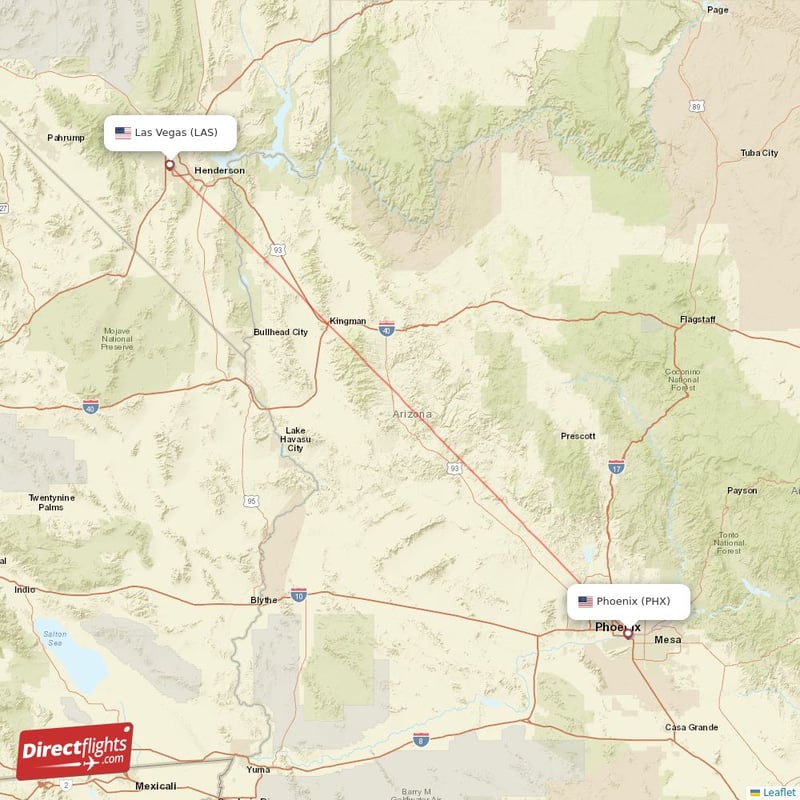
The most direct and frequently traveled route covers approximately 290 to 300 miles (467 to 483 kilometers). This journey typically takes around 4.5 to 5 hours of pure driving time, without factoring in stops for gas, food, or sightseeing.
The primary route begins by heading south from Las Vegas on I-15 (Interstate 15). Shortly after leaving the city limits, you’ll take exit 17 to merge onto US-93 South towards Phoenix. This highway, often referred to as the Veteran Memorial Highway or sometimes the Future I-11 corridor, cuts directly through the desert landscape of western Arizona.
Key characteristics of this route:
- Road Conditions: For the most part, the roads are well-maintained, multi-lane highways. There are stretches of two-lane highway on US-93 South, particularly before reaching larger towns like Kingman.
- Traffic: While leaving Las Vegas or entering Phoenix during peak hours can involve some congestion, the majority of the drive on US-93 is relatively light.
- Services: Gas stations, rest stops, and dining options are available, especially in towns like Kingman. However, there are long stretches of open desert, so it’s wise to ensure your fuel tank is full and you have water and snacks before embarking on the longer segments.
- Scenery: The drive is predominantly through high desert, offering expansive views of mountains, cacti, and unique rock formations. While not as dramatic as some other Arizona routes, it provides a quintessential Southwestern experience.
Alternative Considerations and Scenic Detours
For those with more time or a desire for a richer experience, several detours can transform a simple drive into an unforgettable road trip. These alternatives will significantly increase the distance and driving time, often requiring an overnight stay, but they offer unparalleled access to some of the region’s most iconic landmarks.
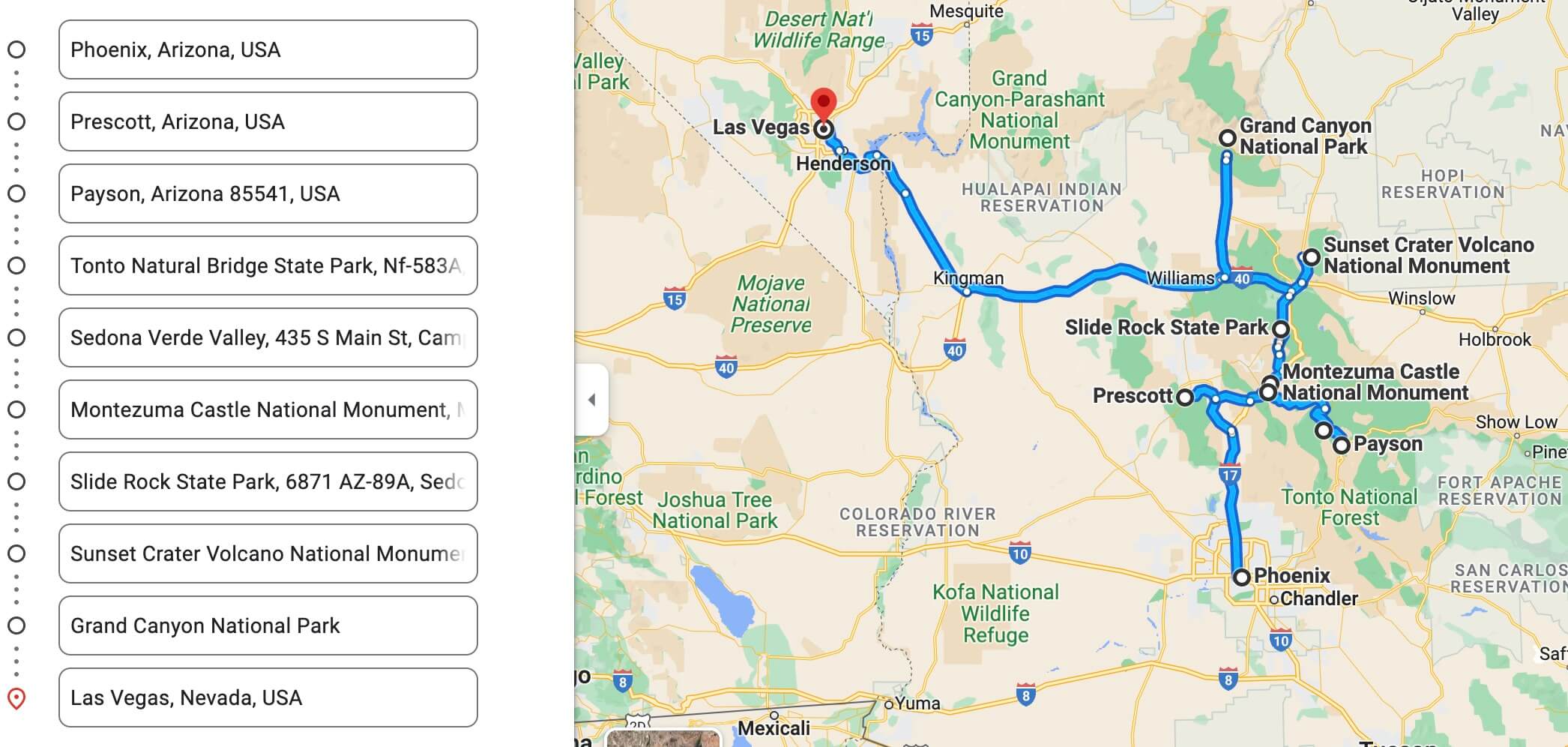
- Via the Grand Canyon National Park (South Rim): This is perhaps the most famous detour. Instead of continuing directly on US-93 towards Kingman, you would typically head east on I-40 from Kingman to Williams (or Flagstaff), then north on US-64 to the Grand Canyon’s South Rim. This adds approximately 4-5 hours of driving to the direct route, not including time spent exploring the canyon. From the Grand Canyon, you would then head south on I-17 to Phoenix. This entire detour makes for a multi-day trip, but the breathtaking vistas are well worth the extra time.
- The Historic Route 66: Parts of US-93 intersect with or run parallel to sections of the historic Route 66. For a nostalgic experience, you can peel off onto segments of old Route 66 through towns like Oatman (famous for its wild burros), Kingman, and Seligman. While not a direct path to Phoenix, these detours add character and history to your drive, showcasing classic roadside attractions and diners. You would eventually rejoin I-40 and then I-17 to Phoenix.
- Via Sedona and Prescott: For those seeking stunning red rock scenery and charming small towns, a detour south from Flagstaff (after a Grand Canyon visit, or directly from I-40) to Sedona is highly recommended. Sedona is famous for its vortexes, art galleries, and hiking trails. From Sedona, you can head west to Prescott, a historic cowboy town with a lively Whiskey Row, before connecting back to I-17 for the final stretch to Phoenix. This route adds significantly to the drive time but offers incredible landscapes and unique town experiences.
Beyond the Wheel: Alternative Transportation Options
While driving provides unparalleled freedom, it’s not the only way to travel between Las Vegas and Phoenix. Depending on your budget, time constraints, and travel preferences, alternative modes of transport can offer convenience and efficiency.
Taking to the Skies: Flights Between Las Vegas and Phoenix
For the quickest travel option, flying is undoubtedly the best choice. Direct flights between Harry Reid International Airport (LAS) in Las Vegas and Phoenix Sky Harbor International Airport (PHX) are frequent and relatively short.
- Flight Duration: The actual flight time is typically around 1 hour to 1 hour and 15 minutes.
- Airlines: Major airlines and low-cost carriers operate multiple daily flights on this route, including Southwest Airlines, American Airlines, and Frontier Airlines.
- Cost: Airfare prices can vary widely based on booking in advance, the time of year, and airline promotions. They can range from as low as $50-$100 for budget airlines (one-way) to several hundred dollars for full-service carriers or last-minute bookings.
- Overall Travel Time: While the flight itself is short, remember to factor in time for getting to and from the airports, security checks, and boarding. This typically adds 2-3 hours to the overall travel time, making the door-to-door journey closer to 4-5 hours – comparable to the direct drive, but with less hassle for those who prefer not to drive.
Flying is an excellent option for business travelers, those on a tight schedule, or anyone looking to avoid the potential fatigue of a road trip. The comfort of a quick hop over the desert also appeals to travelers prioritizing speed and convenience.
Economical Choices: Bus and Shuttle Services
For budget-conscious travelers or those who prefer not to drive or fly, bus services provide an economical way to travel between Las Vegas and Phoenix.
- Providers: Companies like Greyhound and FlixBus offer routes connecting the two cities.
- Travel Time: Bus journeys are significantly longer than driving or flying, typically ranging from 6 to 8 hours or more, depending on the number of stops and the specific route.
- Cost: Bus tickets are often the most affordable option, with prices generally ranging from $30-$70 for a one-way trip, especially when booked in advance.
- Amenities: Modern buses usually offer amenities like Wi-Fi, power outlets, and comfortable seating, making the longer journey more tolerable.
- Convenience: Bus terminals are often centrally located, providing easy access to public transport or ride-sharing services at both ends of the journey.
While longer, bus travel allows you to relax, read, or work without the stress of driving, and it’s an excellent choice for solo travelers or those looking to minimize expenses.
Making the Journey an Adventure: Stops and Attractions Along the Way
The drive between Las Vegas and Phoenix doesn’t have to be a straight dash. By planning a few stops, you can transform it into a memorable exploration of Southwestern history, engineering marvels, and natural beauty. These attractions cater to a wide range of interests, from history buffs and nature lovers to families seeking unique experiences.
Natural Wonders and Iconic Landmarks
The region boasts an impressive array of natural and man-made landmarks that are easily accessible from the main routes.
- Hoover Dam and Lake Mead National Recreation Area: Located just a short drive southeast of Las Vegas, the colossal Hoover Dam is an engineering marvel that harnessed the power of the Colorado River. Visitors can take guided tours, walk across the top for incredible views, and learn about its historical significance. Adjacent to the dam is Lake Mead National Recreation Area, offering opportunities for boating, fishing, hiking, and stunning desert scenery. It’s a perfect first stop to stretch your legs and appreciate a monumental feat of human ingenuity and natural beauty.
- Grand Canyon West and the Grand Canyon Skywalk: While the South Rim is a longer detour, Grand Canyon West offers a closer alternative, managed by the Hualapai Tribe, approximately a 2-hour drive from Las Vegas. It’s home to the Grand Canyon Skywalk, a horseshoe-shaped glass bridge extending over the canyon rim, offering dizzying views straight down. This is a shorter, more concentrated experience of the canyon’s grandeur, suitable for a half-day detour before continuing toward Phoenix.
- Valley of Fire State Park: If you’re looking for a natural wonder very close to Las Vegas but not necessarily on the direct path to Phoenix, this park is breathtaking. Its Aztec sandstone outcrops appear to be on fire when reflecting the sun’s rays. It’s known for ancient petroglyphs and scenic drives, a stunning detour for photography and short hikes.
- Red Rock Canyon National Conservation Area: Another easily accessible natural escape just outside Las Vegas, offering dramatic red rock formations, hiking trails, and a scenic loop drive. It’s an ideal spot for a quick outdoor adventure before hitting the road.
- Sedona: As mentioned, the red rocks of Sedona are world-renowned for their beauty and spiritual energy. While requiring a more significant detour (typically via I-40 and I-17 if coming from Kingman), it offers incredible hiking, jeep tours, art galleries, and a serene, mystical atmosphere that contrasts sharply with Las Vegas.
Quirky Towns and Desert Gems
Beyond the natural marvels, the route is dotted with charming and historic towns, each offering a unique flavor of the Southwest.
- Boulder City: Just before the Hoover Dam, Boulder City is a quaint town with a rich history, originally built to house the workers who constructed the dam. It features a historic downtown, antique shops, and local diners, providing a pleasant stop away from the bustle of Las Vegas.
- Kingman, Arizona: A key hub on the historic Route 66, Kingman is often considered the “Heart of Historic Route 66.” It’s a great place to stop for gas, a meal, and to visit attractions like the Arizona Route 66 Museum or the Historic Powerhouse.
- Oatman, Arizona: For a truly unique experience, take a detour off US-93 to the old mining town of Oatman (via Route 66). This living ghost town is famous for its wild burros that roam the streets, descendants of mining burros released when the mines closed. It offers a glimpse into the Old West with staged gunfights and quirky shops.
- Seligman, Arizona: Further along I-40 (if taking the Grand Canyon or Route 66 detour), Seligman proudly proclaims itself the “Birthplace of Historic Route 66.” It’s filled with nostalgic diners, classic car displays, and kitschy souvenir shops, perfect for a photo opportunity and a step back in time.
- Jerome, Arizona: Perched precariously on a hillside overlooking the Verde Valley, Jerome is a former copper mining town that was once dubbed the “wickedest town in the West.” Today, it’s a thriving artist community and a popular tourist destination, known for its unique shops, art galleries, wineries, and “ghost town” appeal. It’s a picturesque stop if you’re venturing through Sedona.
- Wickenburg, Arizona: As you get closer to Phoenix on US-93, Wickenburg offers a taste of the authentic Old West. Known for its dude ranches, cowboy culture, and historic downtown, it’s a great place to experience Arizona’s ranching heritage.
Culinary Delights and Unique Experiences
Beyond the sights, these stops provide opportunities to savor local flavors and engage in unique activities. Try classic diner food along Route 66 in Kingman or Seligman, sample craft beers at local breweries in Flagstaff, or enjoy fine dining with stunning red rock views in Sedona. For accommodations, these towns offer everything from budget-friendly motels to charming bed & breakfasts, allowing for flexible road trip planning. Consider booking a stay in a historic Route 66 motel for a truly authentic experience.
Planning Your Perfect Trip: Tips for a Seamless Journey
A well-planned trip is a successful trip, especially when traversing the desert landscapes of the Southwest. Considering factors like timing, accommodation, and essential packing can significantly enhance your experience.
Best Time to Travel
The weather in Nevada and Arizona can vary drastically throughout the year, impacting comfort and travel conditions.
- Spring (March to May) and Fall (September to November): These are generally considered the best times to make the drive. Temperatures are pleasant, making outdoor activities and sightseeing enjoyable. The desert wildflowers bloom in spring, adding vibrant color to the landscape.
- Winter (December to February): While generally mild in Las Vegas and Phoenix, parts of Arizona (especially if detouring north towards the Grand Canyon or Flagstaff) can experience snow and freezing temperatures. Check weather forecasts, especially if planning mountain detours.
- Summer (June to August): Expect extreme heat, with temperatures often exceeding 100°F (38°C). While driving is feasible, outdoor activities can be challenging and require extreme caution to avoid heatstroke and dehydration. Always ensure your vehicle’s air conditioning is in top condition and carry plenty of water.
Accommodation Choices and Booking Advice
Whether you’re looking for luxury, budget, or something in between, both Las Vegas and Phoenix offer a plethora of accommodation options.
- In Las Vegas: From opulent resorts on the Las Vegas Strip with world-class amenities to more budget-friendly hotels off the Strip, booking in advance, especially for weekend stays or during major events, is highly recommended. Consider hotels with free parking if you’re driving.
- In Phoenix: Phoenix offers a diverse range, including luxury desert resorts with golf courses and spas, boutique hotels downtown, and family-friendly accommodations in the suburbs. Research different neighborhoods like Scottsdale, Tempe, or Mesa to find the perfect fit for your lifestyle and travel needs.
- Along the Route: If you opt for a multi-day road trip, consider booking rooms in towns like Kingman, Flagstaff, or Sedona. These range from chain hotels to charming local inns. Always check reviews and compare prices before booking, and remember that accommodation options might be limited in smaller towns.
What to Pack and Road Trip Essentials
Packing smart ensures a comfortable and safe journey through the desert.
- Hydration: Water is paramount. Carry more than you think you’ll need, especially during warmer months.
- Sun Protection: Sunscreen, hats, sunglasses, and light, long-sleeved clothing are essential to protect against intense desert sun.
- Navigation: While smartphones are handy, consider a physical map or a dedicated GPS device, as cell service can be spotty in remote desert areas.
- Emergency Kit: Jumper cables, a basic first-aid kit, a flashlight, and extra blankets (for unexpected cold snaps or breakdowns) are wise additions.
- Snacks: Pack non-perishable snacks to munch on between towns.
- Comfort: A good playlist or audiobook, comfortable shoes, and a pillow can make long stretches of driving more enjoyable.
- Vehicle Check: Before departing, ensure your vehicle is in good working order: check tires, oil, and coolant levels. The desert can be harsh on cars.
Exploring Your Destinations: Las Vegas and Phoenix Highlights
Once you’ve successfully navigated the distance, both Las Vegas and Phoenix await with distinct experiences, catering to every lifestyle, from luxury seekers to budget-conscious adventurers.
Unforgettable Experiences in the Entertainment Capital
Las Vegas is synonymous with extravagant entertainment, world-class dining, and vibrant nightlife.
- The Las Vegas Strip: Walk among iconic resorts like Bellagio, Caesars Palace, and The Venetian. Marvel at the Fountains of Bellagio, catch a Cirque du Soleil show, or try your luck at the casinos.
- Culinary Scene: From celebrity chef restaurants to lavish buffets, Las Vegas is a foodie’s paradise.
- Shopping: High-end boutiques and sprawling malls offer endless retail therapy.
- Outdoor Adventures (nearby): For a break from the city lights, explore Red Rock Canyon National Conservation Area or take a day trip to the Hoover Dam.
Discovering the Charm of the Valley of the Sun
Phoenix, often called the Valley of the Sun, offers a more laid-back, yet equally engaging, experience focused on outdoor living, rich culture, and a thriving culinary scene.
- Outdoor Activities: Hike Camelback Mountain or Piestewa Peak, explore the stunning desert flora at the Desert Botanical Garden, or enjoy a round of golf on one of the many championship courses.
- Arts and Culture: Visit the Heard Museum for Native American art and culture, or the Phoenix Art Museum. Explore the vibrant Roosevelt Row Arts District.
- Culinary Delights: Phoenix’s food scene is booming, with a focus on Southwestern flavors, farm-to-table restaurants, and an array of international cuisines. Don’t miss the chance to try authentic Mexican food.
- Relaxation: Indulge in a spa treatment at one of Phoenix’s luxurious resorts or simply relax by a poolside, soaking in the perpetual sunshine.
The journey from Las Vegas to Phoenix is more than just covering a distance; it’s an opportunity to experience the diverse beauty and culture of the American Southwest. Whether you choose the fastest route, a scenic detour, or an alternative mode of transport, meticulous planning will ensure a fulfilling and memorable travel adventure. From the neon glow of Las Vegas to the desert warmth of Phoenix, this route promises discovery and delight at every turn.
LifeOutOfTheBox is a participant in the Amazon Services LLC Associates Program, an affiliate advertising program designed to provide a means for sites to earn advertising fees by advertising and linking to Amazon.com. Amazon, the Amazon logo, AmazonSupply, and the AmazonSupply logo are trademarks of Amazon.com, Inc. or its affiliates. As an Amazon Associate we earn affiliate commissions from qualifying purchases.