
Embarking on a journey from the mainland United States to the enchanting islands of Hawaii is a dream for many. The question of “How far is Hawaii to California?” is not just about geographical distance, but also about the vast expanse of the Pacific Ocean that separates these two beloved destinations. While the exact mileage can vary depending on your starting and ending points within these expansive regions, the answer is consistently a significant one, marking it as a true transpacific adventure.
Understanding the Geographical Divide
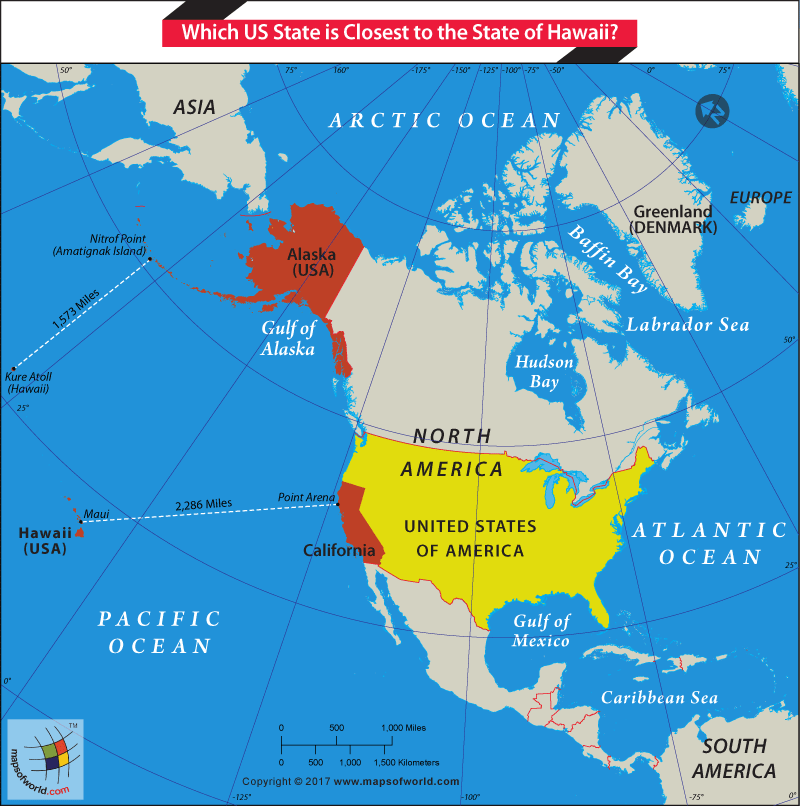
The distance between Hawaii and California is substantial, requiring air travel as the primary mode of transportation for most. This vast separation is a defining characteristic of the journey, transforming a simple road trip into a flight across an ocean.
The Air Travel Perspective
When considering the distance, the most practical approach is to look at flight times and typical flight paths. Major airports in California, such as those in Los Angeles or San Francisco, are the most common departure points for flights to Honolulu on Oahu. The flight duration typically ranges from about five to six hours, depending on wind conditions and the specific route. This five-to-six-hour flight time is a consistent benchmark, offering a tangible measure of the distance. It’s a journey that bridges the continental United States with a remote archipelago, a testament to the vastness of the Pacific.
The distance isn’t just a number; it represents the ecological and cultural transition you make as you fly. You’re leaving behind the familiar landscapes of California for the unique volcanic origins and Polynesian heritage of Hawaii. This flight is more than just travel; it’s a passage into a different world.
Navigating the Pacific Ocean
The geographical divide is fundamentally the Pacific Ocean. This immense body of water stretches for thousands of miles, and the Hawaiian Islands rise majestically from its depths, located roughly in the center of this vastness. California, on the other hand, forms the western edge of the North American continent. The direct line between the two is a stark reminder of the planet’s grand scale.
For those accustomed to continental travel, where distances are often measured in driving hours, the concept of flying over thousands of miles of ocean can be quite striking. The approximately 2,400 miles (3,862 kilometers) as the crow flies from San Francisco to Honolulu is a significant span. This vastness also influences weather patterns, flight paths, and the distinct ecosystems found in each location.
Planning Your Hawaiian Escape from California
Understanding the distance is the first step in planning your trip. Once you know how far Hawaii is from California, you can better strategize your travel plans, from booking flights to considering the best time to visit and what to pack. The journey, while requiring flight, opens up a world of unique experiences.
Choosing Your Hawaiian Island
Hawaii is an archipelago, not a single destination. The distance to California remains relatively consistent across the main islands, but once you arrive, each island offers a distinct personality and set of attractions.
- Oahu: Home to Honolulu, Waikiki Beach, and Pearl Harbor, Oahu is the most populated and often the first stop for many travelers. Its blend of urban excitement and natural beauty makes it a popular choice. You can experience the vibrant local culture, explore historical landmarks, and indulge in diverse culinary delights.
- Maui: Known for its stunning beaches, the scenic Hana Highway, and the dormant volcano Haleakalā, Maui offers a more relaxed yet adventurous experience. It’s a paradise for honeymooners and nature enthusiasts alike, with opportunities for whale watching, snorkeling, and exploring lush rainforests.
- Kauai: The “Garden Isle” is renowned for its dramatic cliffs, lush valleys, and the breathtaking Na Pali Coast. It’s an ideal destination for those seeking adventure and unparalleled natural beauty, offering hiking, kayaking, and exploring its pristine natural landscapes.
- Big Island (Hawaii Island): This is the largest island and boasts incredible diversity, from black sand beaches to active volcanoes in Hawaii Volcanoes National Park. Visitors can witness the raw power of nature, explore diverse climates, and discover the island’s rich history and culture.
Each island offers unique experiences and accommodations, from luxury resorts to cozy beachfront villas.
Travel Tips for the Transpacific Journey
Given the distance, efficient travel planning is crucial.

- Booking Flights: It’s advisable to book flights well in advance, especially if you’re traveling during peak seasons like the summer months or holidays. Comparing prices across different airlines and considering budget airlines can help secure the best deals. Flexible travel dates can also lead to significant savings.
- Packing Essentials: Pack for warm weather, beach activities, and potentially some cooler evenings or hikes. Don’t forget essentials like sunscreen, hats, swimwear, comfortable walking shoes, and any necessary medications. For a longer stay, consider versatile clothing that can be layered.
- Time Zone Differences: Be prepared for the time difference. Hawaii operates on Hawaii Standard Time (HST), which is three hours behind Pacific Standard Time (PST) and six hours behind Eastern Standard Time (EST). Adjusting to the time difference is part of the travel experience.
The journey to Hawaii from California is a significant one, but the reward is an unparalleled tropical paradise. The distance underscores the exotic nature of the destination, making the arrival all the more special. Whether you’re seeking adventure, relaxation, or a cultural immersion, Hawaii offers an unforgettable experience. The planning involved in bridging this distance is an integral part of the adventure, leading to memories that last a lifetime. From the vibrant shores of California to the serene beaches of Hawaii, the path is well-trodden by those seeking paradise.
Accommodation Options in Hawaii
Once you’ve navigated the distance, settling into your Hawaiian home away from home is key. The islands offer a spectrum of accommodation to suit every traveler’s needs and desires, from opulent suites to charming apartments.
- Resorts: Many islands boast world-class resorts, offering extensive amenities such as swimming pools, fine dining restaurants, spas, and direct beach access. Options like the Grand Wailea Maui, A Waldorf Astoria Resort or the Four Seasons Resort Oahu at Ko Olina provide an all-encompassing luxury experience. These resorts often organize activities and tours, making it easy to explore the local attractions.
- Hotels and Suites: Beyond the sprawling resorts, numerous hotels and boutique inns cater to various budgets and preferences. You can find everything from budget-friendly hotels to luxurious suites with stunning ocean views. Consider properties in areas like Waikiki for bustling city vibes or more secluded spots for tranquility.
- Vacation Rentals and Apartments: For longer stays or families, vacation rentals and apartments can offer more space and a home-like feel. Websites like Airbnb and VRBO are popular platforms for finding these options. This allows for self-catering and a more immersive experience in the local lifestyle.
- Villas: For ultimate privacy and luxury, private villas are an excellent choice. These often come with dedicated staff, private pools, and breathtaking locations, perfect for romantic getaways or group retreats.
Regardless of your choice, booking your accommodation in advance is highly recommended, especially during peak travel seasons, to ensure you secure your preferred location and type of lodging. The diverse accommodation landscape in Hawaii ensures that every visitor can find a comfortable and memorable place to stay.
Experiencing the Best of Hawaii from California
The distance between Hawaii and California is more than just a geographical measurement; it’s the prelude to an unforgettable tropical escape. This distance highlights the uniqueness and allure of the Hawaiian Islands, making the journey a worthwhile endeavor for any traveler. Whether you are planning a romantic getaway, a family adventure, or a solo exploration, the transition from the mainland’s vibrant energy to Hawaii’s laid-back aloha spirit is a profound experience.
The Pacific Ocean serves as a majestic curtain, separating the familiar landscapes of California from the volcanic wonders and Polynesian culture of Hawaii. This separation has allowed Hawaii to cultivate a distinct identity, rich in history, traditions, and natural beauty.
Embracing the Aloha Spirit and Local Culture
Upon arrival in Hawaii, you are immediately enveloped in the “aloha spirit,” a philosophy of love, peace, and compassion that permeates the islands. This spirit is not just a greeting; it’s a way of life that encourages warmth, hospitality, and a deep respect for nature and community.
- Local Cuisine: Exploring Hawaii’s culinary scene is a journey in itself. From fresh seafood and traditional luau feasts to modern fusion cuisine, the islands offer a diverse gastronomic experience. Don’t miss trying local favorites like poke, kalua pig, and shave ice. Visiting local markets and food trucks is a great way to sample authentic flavors and interact with locals.
- Cultural Activities: Immersing yourself in Hawaii’s rich culture is a highlight of any visit. Attend a traditional luau for an evening of music, hula dancing, and storytelling. Visit historical sites like Pearl Harbor on Oahu to learn about the islands’ past. Explore ancient Hawaiian temples (heiau) and learn about the spiritual practices of the native Hawaiians.
- Art and Music: Hawaii has a vibrant arts scene, with local artisans creating beautiful crafts, jewelry, and artwork. The islands are also the birthplace of slack-key guitar music, a distinctive and soulful sound that is integral to the Hawaiian experience.
Engaging with the local culture offers a deeper understanding and appreciation of this unique island chain, transforming your trip from a simple vacation into a meaningful cultural exchange. The distance traveled is rewarded with a depth of experience that is truly unparalleled.

Iconic Landmarks and Natural Wonders
Hawaii is home to some of the world’s most stunning natural landscapes and iconic landmarks, offering endless opportunities for exploration and adventure.
- Volcanoes: Hawaii Volcanoes National Park on the Big Island is a must-visit for anyone interested in geology and the raw power of nature. Witnessing the volcanic activity, walking through lava tubes, and hiking across recent lava flows is an awe-inspiring experience.
- Beaches: Hawaii is synonymous with beautiful beaches, each with its own unique charm. Waikiki Beach on Oahu is world-famous for its golden sands and gentle waves, perfect for learning to surf. Ka’anapali Beach on Maui offers stunning sunsets and excellent snorkeling opportunities. The black sand beaches of Punalu’u on the Big Island and the rugged beauty of the Na Pali Coast on Kauai provide diverse coastal experiences.
- Waterfalls and Rainforests: The lush interiors of the islands are dotted with breathtaking waterfalls and verdant rainforests. Exploring places like Wailua Falls on Kauai or the scenic drives along the Hana Highway on Maui reveal the islands’ incredible biodiversity and natural splendor.
These natural wonders provide ample opportunities for outdoor activities such as hiking, snorkeling, diving, surfing, and kayaking. Each island presents a unique tapestry of landscapes, from towering cliffs and pristine coastlines to lush valleys and dramatic volcanic formations. The journey from California to these natural marvels is a gateway to experiencing some of the most spectacular scenery on Earth. The distance is a small price to pay for the privilege of witnessing such natural grandeur.
The question of “How far is Hawaii to California?” ultimately leads to an appreciation of the vastness and beauty of our planet. The approximately 2,400 miles (3,862 kilometers) that separate these two iconic locations are a testament to the grandeur of the Pacific Ocean, and a reminder of the incredible diversity that exists on Earth. Planning this journey is an exciting prelude to an experience that promises relaxation, adventure, and a deep connection with nature and culture. The distance is bridged by flights that carry travelers from the mainland’s familiarity to the enchanting embrace of the Hawaiian Islands, a truly transpacific dream realized.
LifeOutOfTheBox is a participant in the Amazon Services LLC Associates Program, an affiliate advertising program designed to provide a means for sites to earn advertising fees by advertising and linking to Amazon.com. Amazon, the Amazon logo, AmazonSupply, and the AmazonSupply logo are trademarks of Amazon.com, Inc. or its affiliates. As an Amazon Associate we earn affiliate commissions from qualifying purchases.