
The vast and awe-inspiring expanse of North America holds a wealth of natural wonders, and among its most captivating are the states of Alaska and California. While both are part of the United States, their geographical separation is significant, posing an intriguing question for any traveler or planner: “How far is Alaska from California?” The answer, as with many things involving these grand destinations, is multifaceted and depends on your chosen mode of transport, your specific starting and ending points, and your overall travel philosophy.
This exploration delves into the distances, travel times, and considerations for journeying between these two iconic American states, catering to those who seek adventure, relaxation, or a profound connection with nature. Whether you’re dreaming of the golden beaches of Southern California or the rugged, untamed wilderness of Alaska, understanding the logistics is the first step to planning an unforgettable experience.
Understanding the Geographic Divide
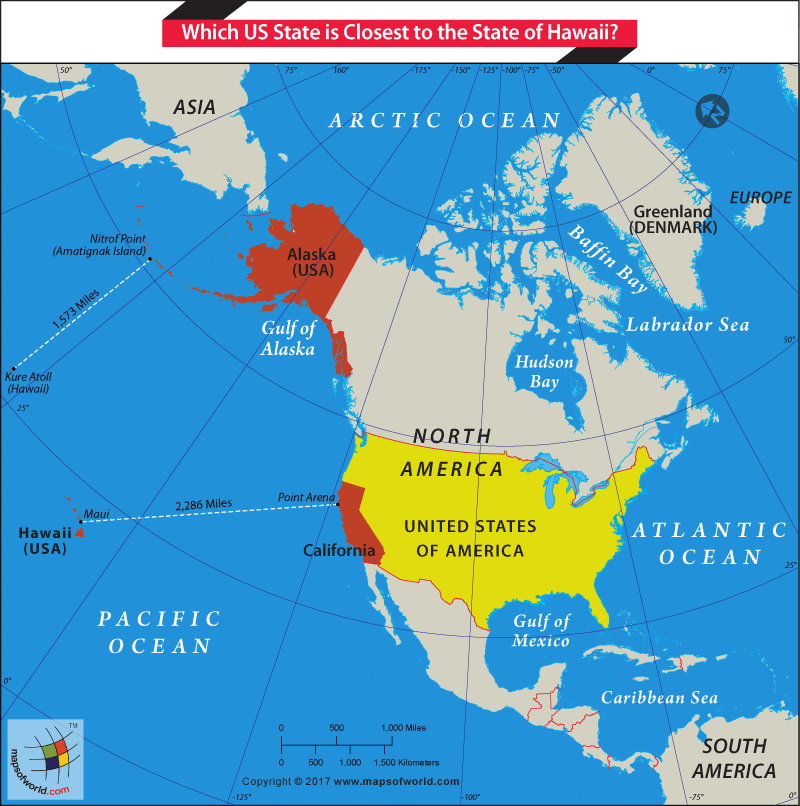
To truly grasp the distance between Alaska and California, we must first acknowledge their relative positions on the map. Alaska, the largest state in the United States by area, occupies the northwesternmost part of North America, separated from the contiguous United States by Canada. California, on the other hand, sits on the western coast of the contiguous United States, boasting a long coastline along the Pacific Ocean.
The Direct Line: A Conceptual Measure
On a globe, the shortest distance between two points is a straight line, known as the great-circle distance. This theoretical measurement, however, is rarely applicable for practical travel between Alaska and California. The sheer scale of the landscape, the presence of mountains, bodies of water, and international borders make a direct, unhindered path impossible for most travelers. Nonetheless, understanding this baseline gives us a sense of the sheer geographic scope. The direct distance between, say, San Francisco and Anchorage is roughly 2,300 miles (approximately 3,700 kilometers). This figure, while a stark indicator of separation, is merely the starting point for our practical considerations.
Navigating the Landscape: Travel Routes and Distances
The actual travel distance between Alaska and California is significantly influenced by the chosen route and mode of transport. Road travel, for instance, involves a substantial detour through Canada, making it a journey for the truly adventurous. Air travel, the most common and efficient method for crossing such vast distances, offers various flight paths and durations.
By Air: The Swift Passage
For most travelers, flying is the most practical way to bridge the gap between Alaska and California. Major airports in California, such as Los Angeles International Airport (LAX), San Francisco International Airport (SFO), and San Diego International Airport (SAN), serve as gateways to Alaska’s primary air hubs, including Ted Stevens Anchorage International Airport (ANC) and Fairbanks International Airport (FAI).
Direct flights are not always available, especially between smaller cities. Often, a layover in a major West Coast hub like Seattle or Portland is necessary. However, when direct flights are an option, the flight time can range from approximately 5 to 7 hours, depending on the specific departure and arrival airports and prevailing winds.
If layovers are involved, the total travel time can extend to 8-12 hours or more. This includes the flight segments and the time spent in the connecting airport. Factors such as airline scheduling and the length of the layover play a crucial role in the overall journey duration.
The distance covered by air is more direct than by land, but it still adheres to air traffic corridors. The flight paths typically take travelers over British Columbia and other parts of Canada before reaching Alaska. This air route minimizes the overland detours, making it the most time-efficient option.
By Road: The Epic Expedition
Embarking on a road trip from California to Alaska is an undertaking reserved for those with ample time and a profound desire for an immersive travel experience. This journey is not for the faint of heart or those on a tight schedule. The most common route involves driving north through California, into Oregon, Washington, and then traversing the Alaska Highway through British Columbia and the Yukon Territory in Canada before finally entering Alaska.
The total driving distance is considerable, often exceeding 4,000 miles (over 6,400 kilometers) one way, depending on the specific starting point in California and the intended destination in Alaska. This distance translates into many days of driving, typically at least 7-10 days of dedicated travel, without accounting for significant sightseeing stops.
The Alaska Highway itself is a legendary route, offering unparalleled access to stunning wilderness. However, it’s essential to be prepared for varying road conditions, especially outside of the summer months. Services can be sparse in certain stretches, requiring careful planning for fuel, food, and lodging. Travelers undertaking this journey often seek out unique roadside attractions, national parks, and the sheer adventure of navigating such a remote and beautiful part of the world. This is a lifestyle choice as much as a travel plan, embracing the journey as much as the destination.
Ferry Travel: A Scenic Alternative
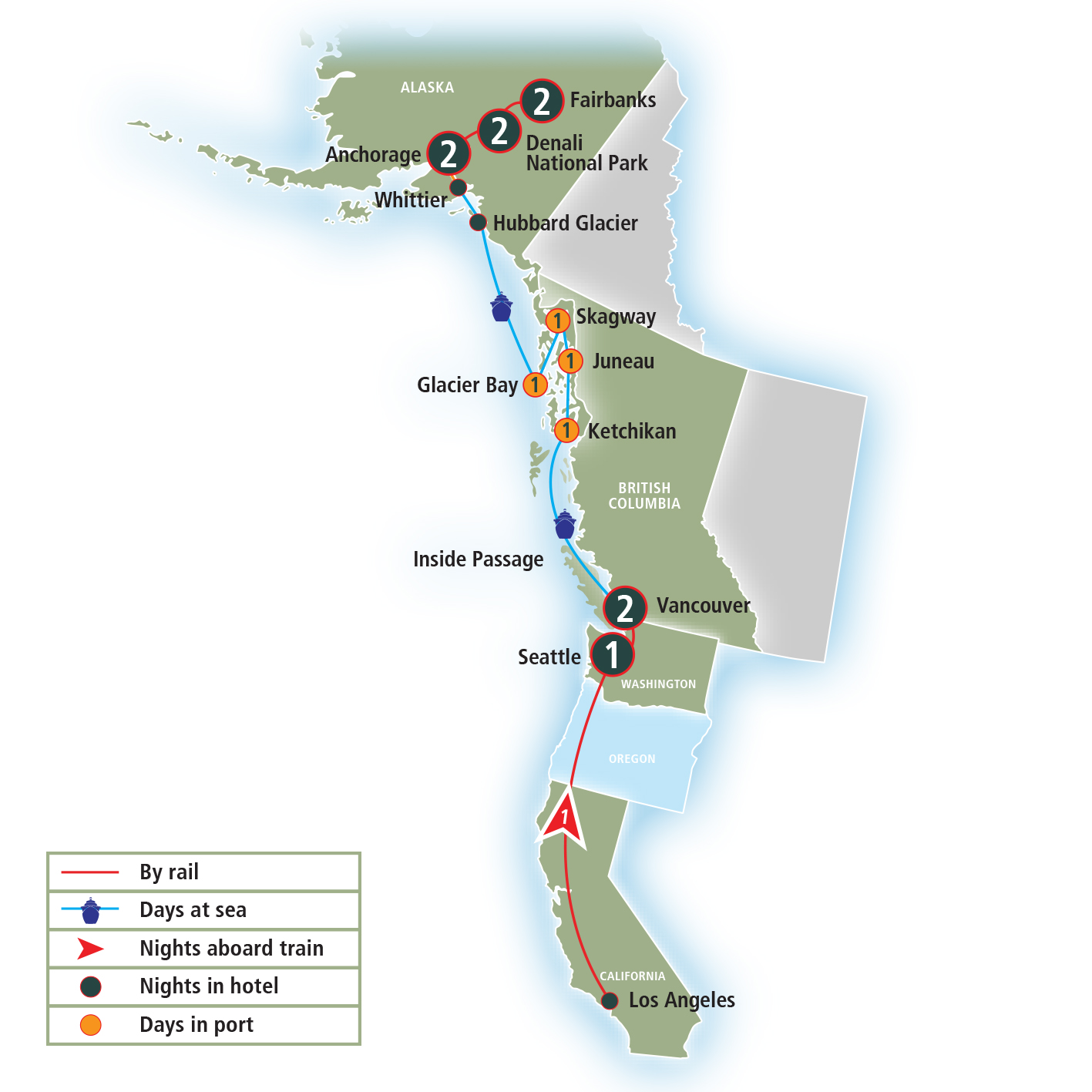
For a more relaxed and scenic, albeit slower, approach to reaching Alaska from California, the Alaska Marine Highway System offers an intriguing option. While it doesn’t directly depart from California, travelers can drive to coastal Washington (e.g., Seattle) to catch a ferry. These ferries, affectionately known as “glacier highways,” are more than just transportation; they are floating hotels that glide through some of the most breathtaking coastal scenery in North America.

The ferry journey from Bellingham, Washington, to Ketchikan, Alaska, is a multi-day voyage. This route takes travelers through the scenic Inside Passage, a network of waterways protected by islands, offering stunning views of temperate rainforests, glaciers, and abundant wildlife. The full journey to Southeast Alaska can take several days, with the option to disembark at various ports like Juneau or Skagway.
While not a direct link from California, it represents a unique way to experience the connection between these regions, combining overland travel with a maritime adventure. The distance is covered in a way that prioritizes observation and immersion rather than speed.
Planning Your Journey: Factors to Consider
The decision of how far Alaska is from California is intrinsically linked to how you intend to travel. Each method presents a different experience, a unique set of challenges, and a distinct timeframe. Careful planning is paramount to ensure a smooth and enjoyable trip.
Timing Your Trip: Seasons and Their Impact
The time of year you choose to travel significantly impacts the distances, accessibility, and overall experience of getting from California to Alaska.
Summer: The Peak Season for Exploration
The summer months, from roughly June to August, are the most popular times to travel between Alaska and California. During this period, road conditions on the Alaska Highway are generally at their best, and ferry services operate with fuller schedules. Air travel is abundant, though prices can be higher due to demand. The longer daylight hours in Alaska (the “midnight sun” phenomenon) make it ideal for outdoor activities and sightseeing, allowing for more time to explore the vast landscapes. The distance remains the same, but the ease of travel and the opportunities for exploration are maximized.
Spring and Fall: Shoulder Seasons for a Quieter Experience
The shoulder seasons, April to May and September to October, offer a different kind of appeal. While California enjoys pleasant weather, Alaska begins to transition into cooler temperatures. Road travel to Alaska in early spring or late fall can be more challenging due to unpredictable weather and potential snow. Ferry services may have reduced schedules, and some tourist attractions might be closed. However, these seasons can offer lower prices for flights and accommodations, fewer crowds, and the beauty of changing autumn colors or the first signs of spring. The distances remain the same, but the experience of covering them might be different, with a greater emphasis on preparedness.
Winter: A Challenging but Rewarding Venture
Winter travel between California and Alaska is a significant undertaking. Driving is highly discouraged due to extreme weather conditions, icy roads, and potential closures of the Alaska Highway. Air travel is the only practical option for most, and flight schedules can be reduced, especially to smaller Alaskan towns. While California experiences milder winter weather, Alaska is in the grip of its coldest months, offering a starkly different landscape of snow, ice, and limited daylight. This time of year is for the most dedicated of winter adventurers who seek the unique beauty of Alaska in its frozen state.
Choosing Your Accommodation and Activities
The nature of your journey from California to Alaska will also influence your accommodation and activity choices.
For the Road Tripper: Embracing the Journey
If you’re driving, your accommodation needs will be varied. You’ll likely be staying in a mix of roadside motels, campgrounds, and perhaps a few unique lodges along the Alaska Highway. Your activities will be dictated by the stops you make – hiking in Denali National Park, exploring charming towns like Whitehorse in the Yukon, or marveling at the vastness of Jasper National Park in Alberta (if taking a slightly different route through the Rockies). The distance traveled by road allows for spontaneous exploration and a deep dive into the landscapes.
For the Air Traveler: Focused Destinations and Experiences
For those flying, the focus shifts to the destination. You’ll likely book hotels, resorts, or vacation rentals in Alaskan cities like Anchorage, Fairbanks, or coastal towns. Your activities will be concentrated in Alaska, such as wildlife cruises in Kodiak, glacier viewing near Juneau, or exploring the rich history of Skagway. The flight makes the vast distance disappear quickly, allowing for more time at your chosen Alaskan destinations.
For the Ferry Adventurer: Coastal Charms and Island Hopping
Travelers opting for the ferry will experience a unique blend of travel and destination. Accommodation might include cabins on the ferry itself for overnight journeys, and then a range of hotels and lodges in Southeast Alaskan towns. Activities often revolve around the coastal environment – whale watching tours, exploring the rich indigenous culture of places like Sitka, or hiking through lush rainforests. The ferry journey itself becomes a significant part of the Alaskan experience, bridging the gap with unparalleled scenic beauty.
In conclusion, the question of “How far is Alaska from California?” is not a simple one with a single numerical answer. It is a question that invites a deeper consideration of the diverse ways in which we can traverse this magnificent continent. Whether you seek the thrill of the open road, the efficiency of air travel, or the serene beauty of a sea voyage, the journey from California to Alaska promises to be an adventure in itself, a testament to the incredible scale and diversity of the United States and its neighbors.
LifeOutOfTheBox is a participant in the Amazon Services LLC Associates Program, an affiliate advertising program designed to provide a means for sites to earn advertising fees by advertising and linking to Amazon.com. Amazon, the Amazon logo, AmazonSupply, and the AmazonSupply logo are trademarks of Amazon.com, Inc. or its affiliates. As an Amazon Associate we earn affiliate commissions from qualifying purchases.