
The question “How Far Is Arizona From California?” might seem straightforward, but it opens the door to a fascinating exploration of two of America’s most diverse and captivating states. Sharing a substantial border, these neighboring giants offer everything from vast deserts and iconic national parks to bustling metropolises and world-renowned coastal landscapes. Understanding the distance isn’t just about miles; it’s about connecting cultures, adventures, and a myriad of travel experiences waiting to be discovered. Whether you’re planning a thrilling road trip, a quick flight for a business meeting, or a leisurely vacation spanning both states, knowing the practicalities of travel between Arizona and California is your first step towards an unforgettable journey.
The Geographic Proximity: Understanding the Distance
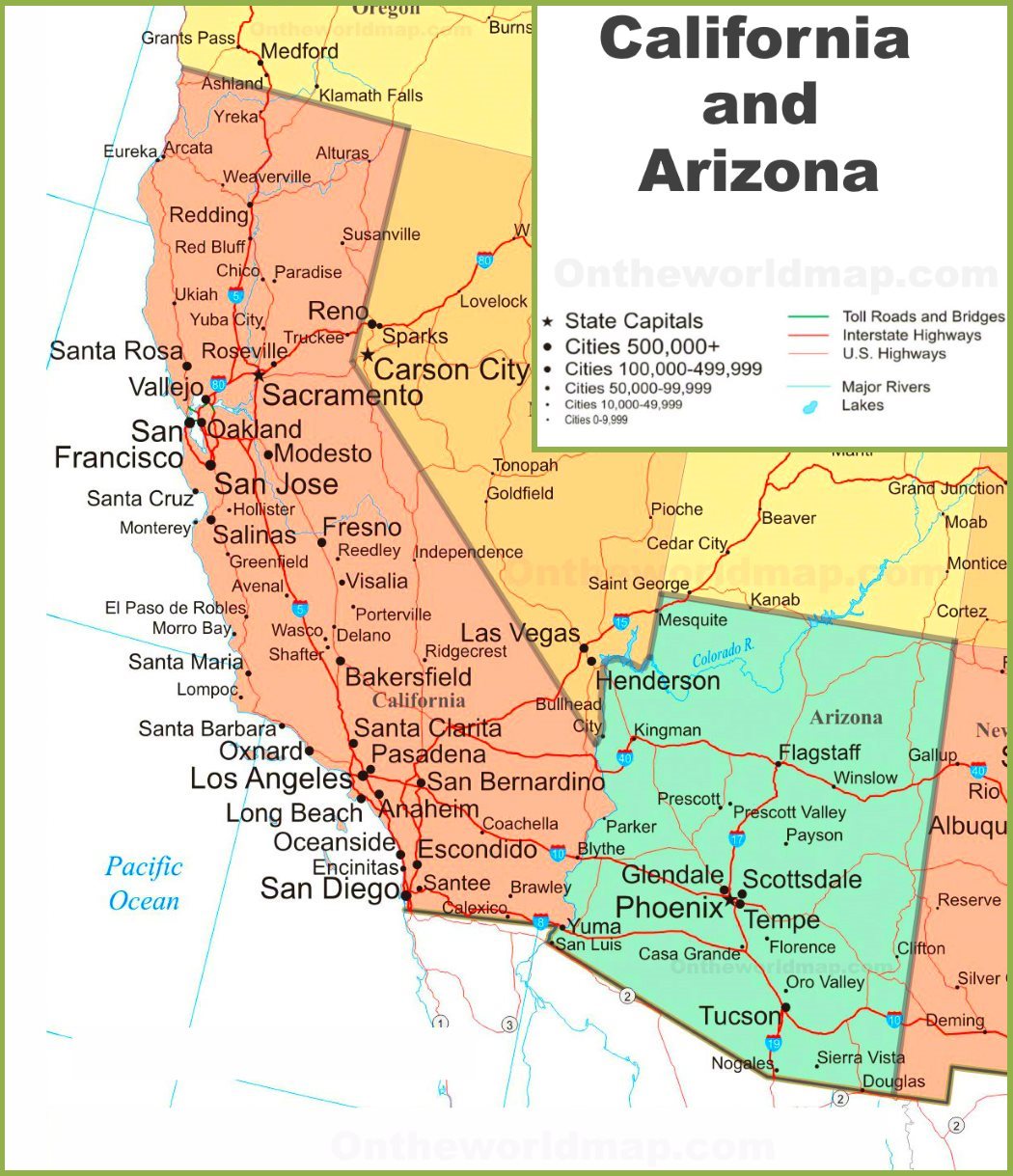
Arizona and California are direct neighbors, sharing a long border that stretches from the Colorado River in the south to just below Nevada in the north. This proximity makes travel between the two states relatively easy, particularly for those looking to explore the American Southwest by car.
Bordering States and Key Cities
The shared border means that certain cities are considerably closer than others. For instance, Southern California and Western Arizona are practically intertwined. The most common travel routes connect major population centers:
- Phoenix to Los Angeles: This is one of the most frequently traveled corridors. The distance typically ranges from 370 to 400 miles, depending on the specific starting and end points within each metropolitan area. Driving usually takes about 5.5 to 6.5 hours without significant stops.
- Phoenix to San Diego: A slightly shorter journey than to Los Angeles, with distances around 350 to 380 miles. The drive time is similar, usually 5 to 6 hours.
- Tucson to Los Angeles: Being further south in Arizona, Tucson is a bit more distant from California’s major hubs. The trip to Los Angeles spans approximately 470 to 500 miles, taking 7 to 8 hours by car.
- Grand Canyon National Park to Los Angeles: For those venturing into Arizona’s most famous landmark, the drive to Los Angeles is around 490 to 500 miles, roughly an 8-hour drive from the South Rim.
- Phoenix to San Francisco: For Northern California, the distances significantly increase. A trip from Phoenix to San Francisco covers about 750 to 800 miles, requiring a substantial 12 to 13-hour drive. This often necessitates an overnight stop, with Las Vegas in Nevada being a popular midway point.
These distances highlight the varied travel times depending on your specific origin and destination within the two large states. While a road trip between Phoenix and Los Angeles is easily manageable in a single day, journeys to Northern California demand more planning and potentially an extra day of travel.
Understanding Time Zones
An often-overlooked aspect of travel between Arizona and California is the time zone difference. Most of Arizona does not observe Daylight Saving Time, remaining on Mountain Standard Time (MST) year-round. California, however, observes Pacific Daylight Time (PDT) during the summer months.
- During Daylight Saving Time (Spring to Fall): Arizona (MST) is effectively one hour ahead of California (PDT). So, 9 AM in Phoenix is 8 AM in Los Angeles.
- Outside Daylight Saving Time (Fall to Spring): Both states are on standard time (MST in Arizona and PST in California), meaning they are in the same time zone. 9 AM in Phoenix is 9 AM in Los Angeles.
The exception in Arizona is the Navajo Nation, which does observe Daylight Saving Time, aligning its time with the rest of the Mountain Daylight Time zone. This time zone quirk is important for coordinating meetings, flights, and check-in times, ensuring a smooth transition across state lines.
Navigating the Journey: Modes of Travel
While the exact distance between Arizona and California can vary, the choice of transportation significantly impacts your travel experience, cost, and time commitment. Each mode offers unique advantages, catering to different preferences and itineraries.
The Classic American Road Trip
Driving is arguably the most popular way to travel between Arizona and California, offering unparalleled flexibility and the chance to explore hidden gems along the way. The primary interstate highways connecting the two states are I-10 and I-8.
- I-10: This major east-west artery directly links Phoenix (and points further east like Tucson) with Los Angeles. It’s a straightforward, multi-lane highway, primarily traversing desert landscapes. While efficient, it can get congested around urban areas, especially Los Angeles.
- I-8: Located further south, I-8 connects Tucson and Yuma, Arizona, with San Diego, California. This route also offers relatively smooth driving conditions through arid regions.
- US-93: For those traveling to or from Northern Arizona or wanting to pass through Las Vegas, US-93 provides a connection to I-40, which then links to California.
Scenic Detours: A road trip provides opportunities for incredible detours. Consider stopping at the Mojave National Preserve or Joshua Tree National Park on your way to Southern California. While more challenging due to extreme heat, Death Valley National Park also lies near the border, offering a unique landscape for the adventurous. Ensure your vehicle is in good condition, especially for desert driving, and carry plenty of water. Rental cars are readily available at all major airports and cities in both states, offering a variety of vehicles to suit your travel style, from budget-friendly sedans to spacious SUVs for family trips.
Flying High: Airports and Airlines
For those prioritizing speed and efficiency, flying is the fastest way to bridge the distance between Arizona and California.
- Major Airports: Both states boast several large international airports. In Arizona, the primary hub is Phoenix Sky Harbor International Airport (PHX). California offers numerous options, including Los Angeles International Airport (LAX), San Diego International Airport (SAN), and San Francisco International Airport (SFO), among others.
- Flight Duration: Direct flights between Phoenix and Los Angeles or San Diego are typically around 1 hour and 15 minutes to 1 hour and 30 minutes. To San Francisco, flights average 1 hour and 45 minutes to 2 hours.
- Airlines: Major carriers like Southwest Airlines, American Airlines, United Airlines, and Delta Air Lines offer frequent flights between these hubs, providing competitive pricing and scheduling options. While the flight time is short, remember to factor in airport security, check-in, and travel to and from the airports, which can add several hours to your total journey.
Other Transportation Options
While less common, other modes of transport exist for those seeking alternatives to driving or flying.
- Buses: Companies like Greyhound offer intercity bus services connecting various cities in Arizona and California. These are generally the most budget-friendly option but involve longer travel times due to multiple stops.
- Trains: Amtrak provides limited train services, primarily connecting Arizona cities like Phoenix and Tucson to California destinations. While it’s a scenic way to travel, train journeys are significantly longer and less direct than driving or flying, making them more suitable for leisure travelers who enjoy the journey itself.
Beyond the Miles: Exploring Destinations and Experiences
The true allure of traveling between Arizona and California lies not just in covering the distance, but in the incredible array of destinations and experiences each state offers. From natural wonders to vibrant city life, there’s an adventure for every type of traveler.
Unforgettable Arizona Adventures
Arizona, often called the Grand Canyon State, is a land of dramatic landscapes, rich Native American culture, and abundant outdoor activities.
- Grand Canyon National Park: An absolute must-see, the Grand Canyon National Park is one of the world’s most breathtaking natural wonders. The South Rim is the most accessible and popular, home to Grand Canyon Village and numerous viewpoints. For a more remote experience, the North Rim offers different perspectives and fewer crowds. Daredevils might consider the Grand Canyon West area, known for the Skywalk.
- Sedona: Famous for its stunning red rock formations, Sedona is a haven for hikers, artists, and those seeking spiritual renewal. The area is dotted with vortexes, believed to be centers of energy.
- Scottsdale & Phoenix: These neighboring cities offer a blend of sophisticated urban amenities and stunning desert beauty. Scottsdale is renowned for its luxury resorts, championship golf courses, upscale dining, and vibrant arts scene. Phoenix, the state capital, provides a diverse culinary landscape, museums, and a gateway to desert adventures.
- Tucson: Nestled in the Sonoran Desert, Tucson boasts a rich blend of Native American, Mexican, and Old West heritage. Explore Saguaro National Park, home to the iconic giant cacti, or visit the historic Mission San Xavier del Bac.
California’s Diverse Charms
California truly has it all, from sun-drenched beaches and towering redwood forests to snow-capped mountains and world-class cities.
- Southern California: This region is a powerhouse of entertainment and recreation. Los Angeles is synonymous with Hollywood, celebrity culture, and diverse neighborhoods, while nearby Anaheim is home to the magical Disneyland Resort and Universal Studios Hollywood offers movie-themed thrills. San Diego offers a laid-back coastal vibe, beautiful beaches, and attractions like Balboa Park and the San Diego Zoo.
- Central California: A natural wonderland, featuring the majestic granite cliffs and waterfalls of Yosemite National Park. The dramatic coastline of Big Sur offers unparalleled scenic drives, and charming towns like Carmel-by-the-Sea provide a quaint escape.
- Northern California: Home to the iconic Golden Gate Bridge and the vibrant city of San Francisco, with its historic cable cars, Fisherman’s Wharf, and the infamous Alcatraz Island. Further inland, the rolling vineyards of Napa Valley and Sonoma Valley beckon wine enthusiasts, while Lake Tahoe offers year-round outdoor recreation, from skiing to boating.
Combining destinations from both states into a single itinerary can create an incredibly rich and varied travel experience, showcasing the best of the American Southwest and Pacific Coast.
Planning Your Stay: Accommodation and Lifestyle
Successfully navigating the distance between Arizona and California is only half the battle; ensuring your stay is comfortable and aligned with your travel style is equally important. Both states offer a spectrum of accommodation options and cater to diverse lifestyles, from budget-conscious adventurers to luxury seekers.
Where to Rest Your Head: Hotels and Resorts
The choice of accommodation can define your trip, and both Arizona and California excel in providing a wide range of options.
- Luxury Resorts: For those seeking indulgence, both states are home to world-class resorts. In Scottsdale, Arizona, consider the opulent The Phoenician, a Luxury Collection Resort, Scottsdale, or the historic Arizona Biltmore, A Waldorf Astoria Resort in Phoenix. California boasts iconic properties like the Beverly Wilshire, A Four Seasons Hotel in Beverly Hills and The Ritz-Carlton, Laguna Niguel along the Orange County coast. These properties typically offer extensive amenities, including spas, gourmet dining, and concierge services.
- Boutique Hotels: For a more unique and personalized experience, boutique hotels abound. Hotel Valley Ho in Scottsdale offers a chic, retro vibe, while countless charming independent hotels can be found in San Francisco or Carmel-by-the-Sea.
- Budget-Friendly Options: Travelers on a tighter budget will find plenty of reliable chain hotels across both states, such as Holiday Inn Express, Motel 6, or Best Western. These offer clean, comfortable stays without breaking the bank, often including basic amenities like breakfast and Wi-Fi.
- Vacation Rentals: For longer stays, families, or groups, vacation rental platforms like Airbnb and VRBO provide access to a vast selection of homes, apartments, and villas. This option often provides more space, kitchens for self-catering, and a chance to live like a local.
- Camping & Glamping: Near national parks like the Grand Canyon National Park or Yosemite National Park, camping and glamping sites offer an immersive nature experience.
Crafting Your Ideal Trip: Lifestyle and Tourism Tips
Planning a trip between Arizona and California involves more than just booking flights and hotels; it’s about tailoring the experience to your lifestyle.
- Budget vs. Luxury Travel: It’s entirely possible to enjoy both states on any budget. Budget travelers can opt for camping, hostels, or economy hotels, and seek out free attractions like hiking trails or public beaches. Luxury travelers will find endless opportunities for upscale dining, spa treatments, private tours, and stays at five-star resorts.
- Family-Friendly Itineraries: Both states are fantastic for families. California shines with theme parks like Disneyland Resort and Universal Studios Hollywood, while Arizona offers educational fun at the Arizona-Sonora Desert Museum near Tucson and the awe of the Grand Canyon National Park. Look for resorts with kid-friendly amenities or vacation rentals with multiple bedrooms and shared spaces.
- Best Time to Visit: Timing is crucial. Arizona is best visited during the cooler months (October to April) to avoid the intense summer desert heat, which can exceed 100°F (38°C). California enjoys a more temperate climate year-round, but specific regions have peak seasons – summer for beaches and mountains, fall for Napa Valley wine harvest, and spring for wildflowers. Combining a spring trip allows for pleasant weather in both states.
- Local Cuisine: Indulge in the diverse culinary scenes. In Arizona, savor authentic Sonoran Mexican food and Southwestern flavors. California offers everything from fresh seafood and farm-to-table dining to world-class wine country cuisine and a vast array of international options in its major cities.
- Packing Essentials: Depending on the season and destinations, pack layers. Essential items include sunscreen, hats, comfortable walking shoes, and reusable water bottles, especially for desert exploration. If visiting both desert and coastal areas, be prepared for temperature fluctuations.
Ultimately, the question “How Far Is Arizona From California?” is easily answered with a number, but the true distance is measured in the wealth of experiences, memories, and discoveries you make along the way. These two states, while geographically close, offer worlds apart in terms of landscape, culture, and adventure, promising an unforgettable journey for every traveler.
LifeOutOfTheBox is a participant in the Amazon Services LLC Associates Program, an affiliate advertising program designed to provide a means for sites to earn advertising fees by advertising and linking to Amazon.com. Amazon, the Amazon logo, AmazonSupply, and the AmazonSupply logo are trademarks of Amazon.com, Inc. or its affiliates. As an Amazon Associate we earn affiliate commissions from qualifying purchases.