
The allure of the shimmering desert landscape and the vibrant energy of the American Southwest often draws travelers between two iconic destinations: Arizona and Las Vegas. Whether you’re planning a thrilling road trip, a quick weekend getaway, or integrating these locales into a broader itinerary, understanding the distance, travel options, and points of interest along the way is crucial. This guide delves into everything you need to know about traveling from the Grand Canyon State to the Entertainment Capital of the World, offering insights into travel logistics, must-see landmarks, accommodation choices, and lifestyle tips to enhance your journey.

The Journey: Distance, Time, and Key Routes
The question “How far is Arizona to Las Vegas?” isn’t a simple one, as Arizona is a large state with various starting points. However, most travelers typically depart from major urban centers like Phoenix or Tucson, or popular tourist hubs such as the Grand Canyon National Park. Understanding the different routes and modes of transport is key to planning your adventure.
Driving from Major Arizona Cities to Las Vegas
Driving is by far the most popular and flexible way to travel between Arizona and Las Vegas, offering the freedom to explore scenic detours and hidden gems.
- From Phoenix to Las Vegas: This is one of the most common routes. The driving distance is approximately 290 to 300 miles (467 to 483 km), and the journey typically takes about 4.5 to 5 hours, depending on traffic and speed.
- Primary Route: The most direct route involves taking I-17 North from Phoenix to Flagstaff, then merging onto I-40 West. From I-40, you’ll take US-93 North near Kingman, which leads directly to Las Vegas, crossing over the iconic Hoover Dam and skirting the picturesque Lake Mead National Recreation Area. This route offers stunning desert vistas and opportunities for memorable stops.
- Alternative Route (shorter but less scenic): For those prioritizing speed, there’s a route that takes US-93 directly northwest from Phoenix towards Las Vegas via Wickenburg. While it shaves off some mileage, it bypasses some of the more well-known attractions.
- From Tucson to Las Vegas: Starting from Tucson, the drive is longer, covering roughly 390 to 400 miles (627 to 644 km). This typically translates to a 6 to 7-hour drive. You’d primarily take I-10 West to Phoenix and then follow the aforementioned route from Phoenix.
- From Grand Canyon National Park (South Rim) to Las Vegas: A popular choice for visitors combining these two destinations. The distance is approximately 280 miles (450 km), and the drive takes around 4.5 to 5 hours. You would typically head west on US-64, then south on US-180 to I-40 West, connecting to US-93 North near Kingman. This route offers incredible scenery as you depart the canyon rim.
These driving times are estimates and can vary significantly based on traffic, especially around Las Vegas and during peak travel seasons, as well as any stops you make. For a comfortable journey, it’s wise to factor in breaks for fuel, food, and sightseeing.
Flying: A Swift Alternative
For those with limited time or a preference for speed, flying is an excellent option. Major airports in Arizona and Nevada connect these two regions efficiently.
- Major Airports:
- Arizona: Phoenix Sky Harbor International Airport (PHX) is the primary hub, offering numerous daily flights to Las Vegas.
- Nevada: Harry Reid International Airport (LAS), formerly McCarran International Airport, serves Las Vegas.
- Flight Duration: Direct flights between Phoenix and Las Vegas are remarkably short, typically lasting around 1 hour to 1 hour and 15 minutes. This makes it an ideal choice for business travelers or those seeking to maximize their time in each city.
- Airlines: Several major and budget airlines operate this route frequently, including American Airlines, Southwest Airlines, Delta Air Lines, United Airlines, Spirit Airlines, and Frontier Airlines. Competition often leads to competitive pricing, especially if booked in advance.
While flying saves time, remember to factor in airport security, check-in, and travel to and from the airports, which can add several hours to your overall journey time.
Other Transportation Options
While driving and flying are predominant, other options exist, though they might be less direct or convenient for most travelers.
- Bus Services: Companies like Greyhound offer bus services between major cities in Arizona and Las Vegas. While often the most budget-friendly option, bus journeys are considerably longer than driving, with multiple stops and extended travel times. For example, a bus from Phoenix to Las Vegas can take 6-8 hours or more.
- Private Shuttles/Tours: Various private shuttle services and organized tours operate between specific points, especially from destinations like the Grand Canyon National Park directly to Las Vegas. These often include sightseeing stops and offer a comfortable, hands-off travel experience, albeit at a higher cost.
Beyond the Miles: Scenic Stops and Iconic Landmarks
A trip from Arizona to Las Vegas is more than just a commute; it’s an opportunity to immerse yourself in the natural beauty and rich history of the American Southwest. Many famous places and natural wonders lie along or near the common routes, transforming a simple drive into an unforgettable road trip.
Iconic Arizona Landmarks on Your Route
If you’re starting from or passing through Arizona, you’re positioned perfectly to explore some of the country’s most breathtaking landmarks.
- The Grand Canyon: As mentioned, many travelers combine a visit to the Grand Canyon National Park with a trip to Las Vegas. The South Rim is the most visited, offering expansive views. For a unique experience, consider Grand Canyon West and its famous Grand Canyon Skywalk, which is closer to Las Vegas and accessible via a slightly different route through Dolan Springs.
- Historic Route 66: Near Kingman, Arizona, you can pick up a segment of the legendary Route 66. This historic highway offers a nostalgic journey through charming towns like Oatman, known for its wild burros and old mining town feel. It’s a perfect detour for history buffs and those seeking a taste of Americana.
- Lake Havasu City and the London Bridge: A bit off the most direct route from Phoenix to Las Vegas, but worth considering is Lake Havasu City. This vibrant desert oasis is famous for its aquatic recreation on the Colorado River and, most notably, for being the home of the original London Bridge, which was dismantled in London and reassembled here.
- Sedona: If you’re coming from central Arizona and have extra time, a detour to Sedona is highly recommended. Famous for its stunning red rock formations, spiritual vortexes, and art community, Sedona offers incredible hiking, scenic drives through Oak Creek Canyon, and a tranquil escape before the excitement of Las Vegas.
- Page, Arizona: For those coming from northern Arizona or exploring the region extensively, Page is a gateway to wonders like Antelope Canyon and Horseshoe Bend. While a longer detour, these natural landmarks are iconic and globally recognized for their unique beauty.
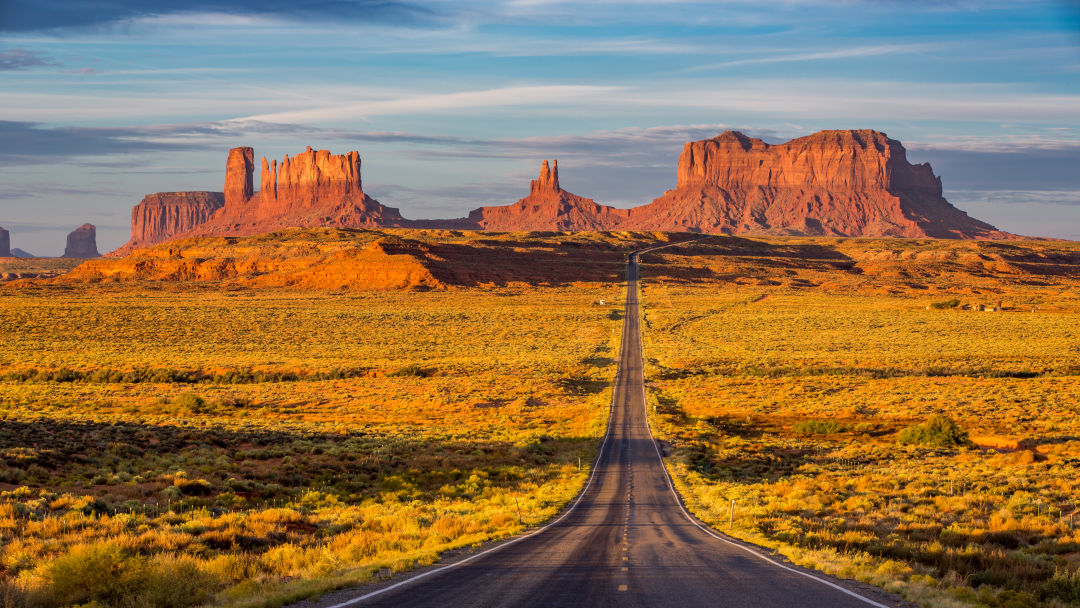
Discovering the Charm of Nevada’s Gateway to Vegas
As you approach Las Vegas from Arizona, Nevada offers its own set of attractions.
- Hoover Dam: This engineering marvel is typically the last major stop before reaching Las Vegas via US-93. It’s an impressive sight, offering stunning views of Lake Mead National Recreation Area and the Colorado River canyon. Tours are available, providing insights into its history and construction.
- Boulder City: Just before the Hoover Dam, you’ll pass through Boulder City, a charming town originally built to house the workers who constructed the dam. It’s a pleasant contrast to the hustle and bustle of Las Vegas, with antique shops, local eateries, and a relaxed atmosphere.
- Lake Mead: America’s largest man-made reservoir provides ample opportunities for boating, fishing, and swimming, offering a refreshing break from the desert heat.
- Valley of Fire State Park: If you have an extra half-day and are willing to take a slight detour north of Lake Mead, Valley of Fire State Park is an absolute must-see. Its vibrant red sandstone formations, ancient petroglyphs, and striking landscapes make for incredible photography and light hiking experiences.
- Red Rock Canyon National Conservation Area: A short drive west of the Las Vegas Strip, Red Rock Canyon National Conservation Area offers a dramatic escape into nature with its towering red cliffs, scenic loop drive, and numerous hiking trails. It’s a fantastic way to experience the quiet beauty of the Mojave Desert before diving into the city’s neon glow.
Planning Your Stay: Accommodations and Experiences
Once you’ve navigated the journey, the real adventure of your destination begins. Both Arizona and Las Vegas offer a diverse range of accommodations and experiences, catering to every travel style and budget.
Las Vegas: From Luxury Resorts to Boutique Stays
Las Vegas is synonymous with world-class hotels and resorts, each offering a unique theme and an array of amenities.
- Luxury Resorts: The Las Vegas Strip is home to some of the most opulent hotels in the world. Icons like the Bellagio (famous for its fountains), Caesars Palace (Roman Empire grandeur), The Venetian Resort Las Vegas and The Palazzo at The Venetian Resort (Venetian canals and gondolas), MGM Grand (massive entertainment complex), and Wynn Las Vegas and Encore at Wynn Las Vegas (sophisticated elegance) offer suites, Michelin-starred dining, extravagant shows, spas, and extensive casino floors. For a more understated luxury, options like Four Seasons Hotel Las Vegas and Waldorf Astoria Las Vegas provide non-gaming, high-end experiences.
- Mid-Range and Boutique Hotels: Beyond the mega-resorts, there are numerous mid-range hotels offering comfort and value, often a short walk or drive from the Strip. Downtown Las Vegas, particularly around the Fremont Street Experience, offers a different vibe with historic casinos and trendy boutique hotels.
- Budget-Friendly Options: Travelers on a budget will find a variety of hotels off the Strip or slightly further afield, providing comfortable stays without breaking the bank. Many chains like SpringHill Suites by Marriott or Residence Inn by Marriott offer amenities like free breakfast and kitchenettes, ideal for longer stays or family trips.
- Experiences: Beyond gambling, Las Vegas is a hub for world-class entertainment, from Cirque du Soleil shows and headliner concerts to magic acts and comedy. Fine dining, exclusive nightclubs, luxury shopping, and spa treatments are integral parts of the Las Vegas lifestyle. Adventure seekers can also enjoy helicopter tours of the Grand Canyon, indoor skydiving, or exotic car driving experiences.
Arizona Accommodation: Oasis in the Desert
Arizona offers a stark contrast to Las Vegas, with its focus on natural beauty, wellness, and Southwestern charm.
- Resorts in Phoenix and Scottsdale: The greater Phoenix area, particularly Scottsdale, is renowned for its luxurious desert resorts. Properties like the Arizona Biltmore, A Waldorf Astoria Resort, Sanctuary Camelback Mountain, A Gurney’s Resort & Spa, and JW Marriott Scottsdale Camelback Inn Resort & Spa offer stunning views of Camelback Mountain, championship golf courses, lavish spas, and exceptional dining. These resorts embody the luxury travel lifestyle, providing a tranquil escape.
- Unique Stays near the Grand Canyon: Accommodation near the Grand Canyon ranges from historic lodges right on the rim (like El Tovar Hotel) to more rustic cabins and campgrounds within the park, or hotels in gateway towns like Tusayan or Williams. Booking well in advance is essential due to high demand.
- Sedona’s Retreats: In Sedona, you’ll find an abundance of spiritual retreats, boutique hotels, and spa resorts nestled amidst the red rocks, perfect for relaxation and rejuvenation.
- Tucson’s Desert Sanctuaries: Tucson boasts unique desert resorts such as The Ritz-Carlton, Dove Mountain, blending luxury with the rugged beauty of the Sonoran Desert.
- Experiences: Arizona is a haven for outdoor enthusiasts: hiking in the Desert Botanical Garden or on Camelback Mountain, exploring Frank Lloyd Wright’s Taliesin West, hot air balloon rides, off-roading adventures, and exploring the arts and culture of Old Town Scottsdale. The focus here is on natural beauty, wellness, and cultural immersion.
Making the Most of Your Trip: Tourism and Lifestyle Tips
Whether you’re visiting Arizona or Las Vegas or combining both, thoughtful planning can significantly enhance your travel experience.
Embracing the Culture and Cuisine
The cultural and culinary landscapes of Arizona and Las Vegas are distinct yet equally captivating.
- Arizona’s Southwestern Charm: Embrace the local culture by exploring Native American heritage sites, art galleries showcasing Southwestern artists, and regional cuisine. Indulge in authentic Mexican food, Sonoran hot dogs, and prickly pear delights. The lifestyle here is often more relaxed, emphasizing outdoor activities, art, and wellness.
- Las Vegas’s Global Gastronomy: Las Vegas is a culinary mecca, home to celebrity chef restaurants, international buffets, and diverse eateries. From haute cuisine to casual dining, the food scene is as vibrant and varied as the city itself. Beyond the dining, the city’s tourism is centered around entertainment, nightlife, and unique experiences that defy everyday life.
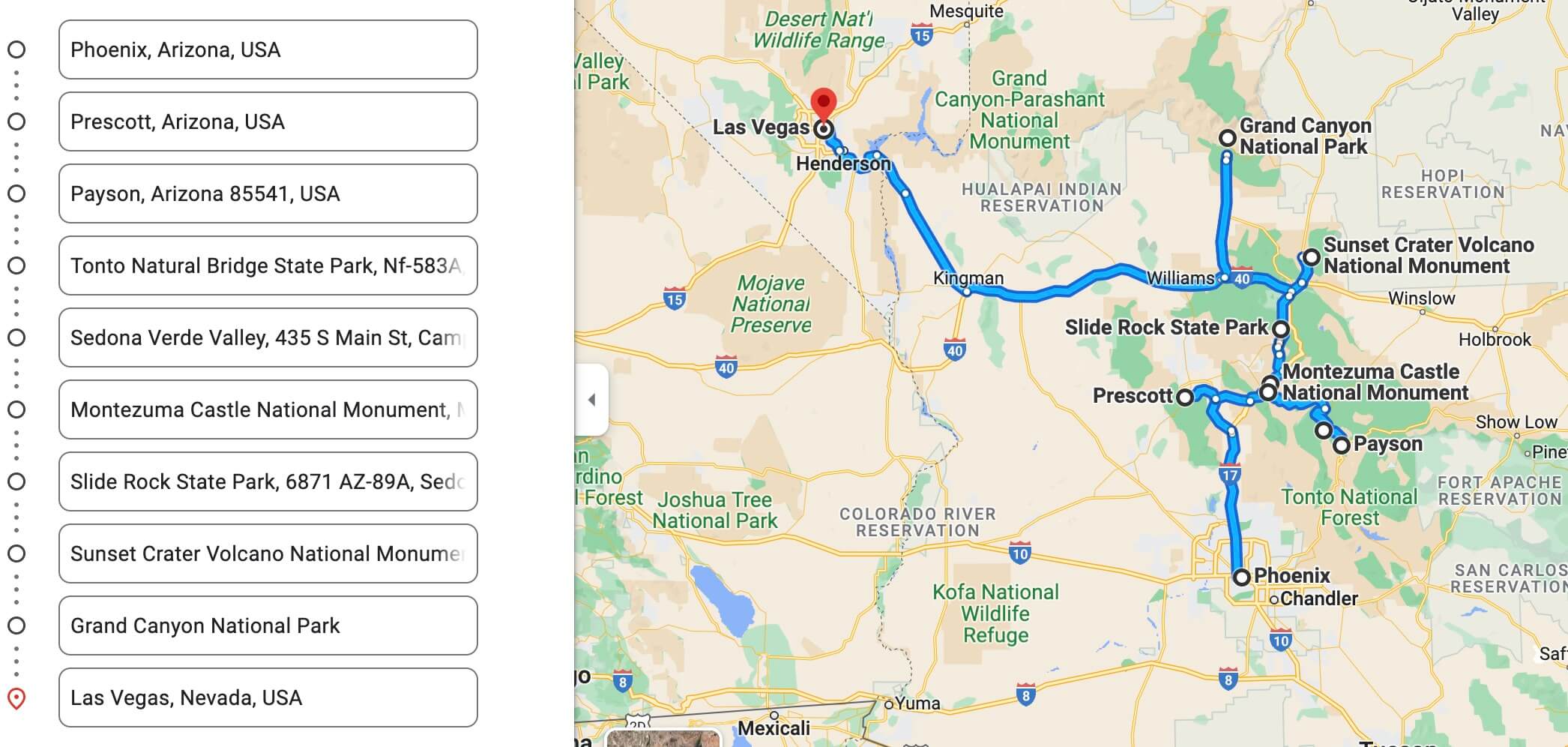
Tailoring Your Las Vegas & Arizona Adventure
Consider your preferences and priorities to create the perfect itinerary.
- Best Time to Visit: The shoulder seasons (spring and fall) are ideal for both destinations, offering pleasant temperatures for outdoor activities. Summer in the desert can be intensely hot, while winter brings cooler temperatures, especially in northern Arizona.
- Packing Essentials: Regardless of the season, pack layers, sunscreen, hats, and comfortable walking shoes. If you plan on hiking, appropriate gear is a must. For Las Vegas, think dressy casual for evenings out.
- Budget Travel vs. Luxury Travel: Both Arizona and Las Vegas can cater to various budgets. Las Vegas often offers great deals on hotels during off-peak times, and free attractions abound. In Arizona, camping or staying in smaller towns can reduce costs, while luxury resorts provide an indulgent experience.
- Family Trips vs. Business Stays: Las Vegas has evolved to be more family-friendly, with attractions like amusement park rides, aquariums, and family-oriented shows. However, certain areas are adult-oriented. Arizona naturally lends itself to family adventures with its national parks and outdoor activities. For business stays, both cities offer world-class convention centers and corporate amenities.
- Booking Tips: Always book flights, hotels, and popular tours in advance, especially during peak seasons, to secure the best rates and availability. Comparison websites and direct hotel bookings can help you find deals on accommodation. Reading reviews is crucial for choosing the right long-term stay or short-term booking.
In conclusion, the journey from Arizona to Las Vegas is as much about the experience along the way as it is about the destination itself. Whether you’re driving through historic landscapes, flying swiftly between cities, or exploring iconic landmarks, this segment of the American Southwest promises an adventure filled with diverse attractions, luxurious accommodations, and unforgettable moments.