
The question of “How far is Atlanta from New Orleans?” is a common one for travelers looking to explore the vibrant tapestry of the Southern United States. These two iconic cities, each brimming with unique culture, history, and culinary delights, offer distinct yet complementary travel experiences. Whether you’re planning a road trip, seeking a weekend getaway, or simply curious about the distances involved, understanding the mileage and travel times between Atlanta and New Orleans is the first step in crafting your perfect Southern adventure.
These cities are separated by a significant distance, yet they are close enough to be connected by a variety of transportation methods, making them ideal for a multi-city itinerary. The journey between them is more than just a transition of miles; it’s a passage through diverse landscapes, from the rolling hills of Georgia to the bayous of Louisiana. Understanding this distance also helps in planning your budget, whether you’re opting for a budget-friendly drive or a more convenient flight. This article will delve into the specifics of the distance, the most efficient ways to travel, and what awaits you at each destination, all to help you make informed decisions for your next journey.
The Direct Distance and Driving Experience
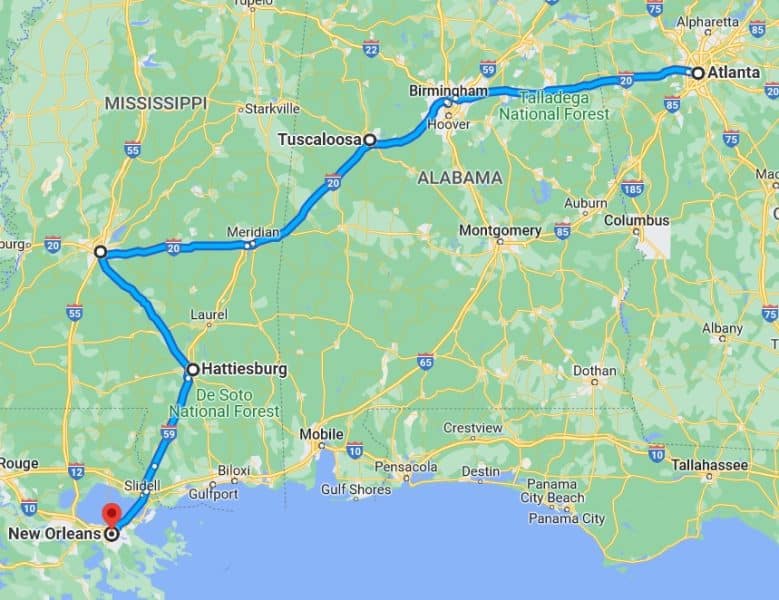
The most direct answer to “How far is Atlanta from New Orleans?” is approximately 470 miles (about 756 kilometers) when measured by road. This distance translates into a driving time of roughly 7 to 8 hours, depending on traffic conditions, your chosen route, and the number of stops you make along the way. The primary route connecting these two metropolises is Interstate 20 West for a significant portion, eventually merging onto Interstate 59 South and then onto Interstate 10 West as you approach New Orleans.
Driving this route offers a quintessential Southern road trip experience. As you depart from Atlanta, the urban sprawl gradually gives way to more rural landscapes. You’ll traverse through parts of Alabama, offering glimpses of its own historical significance and natural beauty. Cities like Birmingham, Alabama, often serve as convenient stopping points for a meal, a stretch of the legs, or even an overnight stay if you prefer to break up the drive. The landscape slowly transforms, with the humidity increasing and the vegetation becoming more lush as you move further south and west.
Factors influencing your driving time include the notorious traffic that can build up around major cities like Atlanta and Birmingham, especially during peak hours. Speed limits on interstates generally range from 65 to 75 mph, but actual travel time is invariably affected by construction, rest stops, and unexpected delays. For a comfortable journey, it’s advisable to factor in at least an hour or two of buffer time.
Choosing to drive provides unparalleled flexibility. You can set your own schedule, stop at roadside attractions that pique your interest, and carry more luggage than you might be able to on a flight. This freedom is particularly appealing for families or those with specific interests in exploring the smaller towns and scenic byways that pepper the route. However, it’s important to be prepared for the duration of the drive, ensuring your vehicle is in good condition and that you have entertainment for the long haul.
Navigating the Interstates: Your Road Map
The journey from Atlanta to New Orleans is predominantly guided by the well-established interstate highway system. Your primary objective will be to head west out of Atlanta, aiming for Interstate 20 West (I-20 W). This highway will serve as your backbone for a significant portion of the trip, taking you through central Alabama.
I-20 W will lead you towards Birmingham, a major city in Alabama that often serves as a natural halfway point or a popular stop for travelers. Depending on your planned itinerary, you might choose to spend time exploring Birmingham‘s rich industrial history or its burgeoning culinary scene.
After passing through Birmingham, you’ll continue on I-20 W. As you get closer to the Louisiana border, the route will direct you to merge onto Interstate 59 South (I-59 S). I-59 S will then guide you further southwest.
The final leg of your journey will involve transitioning onto Interstate 10 West (I-10 W). I-10 W is a major transcontinental highway that will take you directly into New Orleans. As you approach the city, you’ll experience the distinctive landscape of Louisiana, characterized by cypress trees, swamps, and a humid, subtropical climate. Navigating within New Orleans itself can be a bit more complex due to its unique urban layout and traffic patterns, so having a reliable GPS or navigation app is highly recommended as you enter the city limits.
Pit Stops and Scenic Detours
While the direct drive is achievable in a single day, the route between Atlanta and New Orleans offers several opportunities for enriching stops that can transform a simple transit into an engaging exploration. These pit stops can cater to various interests, from history buffs to foodies.
One of the most significant cities along the way is Birmingham, Alabama. This city boasts a profound history tied to the Civil Rights Movement, with attractions like the Birmingham Civil Rights National Monument and the 16th Street Baptist Church offering poignant insights. For those with an interest in science and industry, the McWane Science Center and the Sloss Furnaces National Historic Landmark are excellent choices. Birmingham also has a growing reputation for its excellent dining scene, making it a perfect place to grab lunch.
Further west, before reaching Louisiana, you might consider a detour to explore some of Alabama‘s natural beauty. While not directly on the interstate, areas with state parks can offer a refreshing break.
As you enter Louisiana, the landscape begins to change dramatically, signaling your proximity to the unique culture of the Deep South. While major cities directly on the route are fewer, the smaller towns can offer a taste of local life. If you are particularly interested in early American history, you might research potential stops that highlight colonial influences or early French settlements, though these often require more significant detours off the primary interstates.
For those seeking a more leisurely pace, consider an overnight stop. Montgomery, Alabama, the state capital, is rich in Civil Rights history and offers attractions like the Dexter Avenue King Memorial Baptist Church and the Rosa Parks Museum. Spending a night here allows for a deeper dive into this crucial period of American history. Alternatively, Baton Rouge, Louisiana, while a bit further along the route, offers its own set of attractions, including the Old Louisiana State Capitol and the USS Kidd Veterans Museum.
These pit stops not only break up the monotony of a long drive but also add layers of historical and cultural understanding to your journey, making the 470 miles between Atlanta and New Orleans a rich and rewarding experience.
Alternative Transportation: Flights and Trains
While driving offers the ultimate freedom, the distance between Atlanta and New Orleans also makes flying and train travel attractive alternatives, especially for those with limited time or a preference for convenience. Each method presents its own set of advantages and considerations.
Flying: The Fastest Route
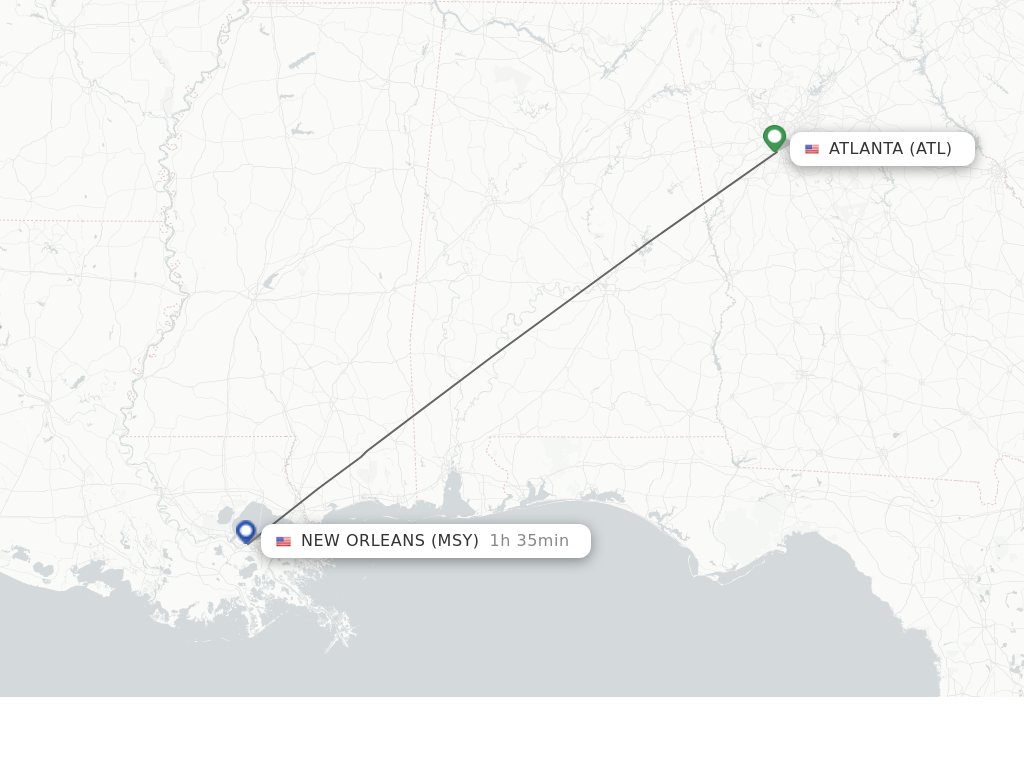
For many travelers, flying is the most expedient way to cover the approximately 470 miles separating Atlanta and New Orleans. The flight duration itself is remarkably short, typically around 1 hour and 15 minutes to 1 hour and 30 minutes in the air. Hartsfield-Jackson Atlanta International Airport (ATL) is one of the busiest airports in the world, offering numerous daily flights to Louis Armstrong New Orleans International Airport (MSY).
The overall travel time, however, needs to account for getting to and from the airports, check-in procedures, security screening, and potential delays. This can easily add 3 to 4 hours to your total journey. Despite this, for those prioritizing speed, flying remains the top choice. Airlines frequently operating this route include major carriers, providing a range of ticket prices and times to suit different budgets and schedules. Booking in advance is often the key to securing the best fares.
Train Travel: A Scenic Journey with Amtrak
For travelers who appreciate a more relaxed pace and enjoy scenic views, Amtrak offers a train service connecting Atlanta and New Orleans. The train journey is significantly longer than flying, typically taking around 10 to 12 hours. The primary Amtrak route is the Crescent, which travels south from New York City through Atlanta and terminates in New Orleans.
While longer, train travel offers a unique perspective. You can relax, move around, enjoy the changing landscapes, and avoid the hassles of airport security and traffic. Amtrak offers various seating and sleeping accommodations, from coach seats to private rooms, allowing you to customize your comfort level. This option is particularly appealing for those who enjoy the journey as much as the destination, and it can be a more comfortable experience for those who dislike flying or find long car rides arduous. It’s a chance to truly unwind and watch the American South unfold outside your window.
Exploring the Destinations: Atlanta vs. New Orleans
Once you’ve considered the distance and travel options, it’s time to think about what awaits you at each end of this journey. Both Atlanta and New Orleans are cultural powerhouses, offering vastly different yet equally compelling experiences.
Atlanta: The Modern Metropolis with Southern Roots
Atlanta, the capital of Georgia, is a sprawling metropolis that seamlessly blends modern urban energy with deep Southern traditions. It’s a city renowned for its significant role in the Civil Rights Movement, its thriving arts and culture scene, and its impressive culinary landscape.
Key attractions in Atlanta include the Georgia Aquarium, one of the largest in the world, offering mesmerizing aquatic exhibits. The World of Coca-Cola provides a nostalgic journey through the history of the iconic beverage. History enthusiasts will find the Martin Luther King, Jr. National Historical Park to be a deeply moving and essential visit. For those interested in natural history, the Fernbank Museum of Natural History is a must-see. Atlanta also boasts world-class shopping, from high-end boutiques in Buckhead to unique finds in its various neighborhoods. The city’s dining scene is incredibly diverse, with options ranging from classic Southern comfort food to innovative global cuisine. Whether you’re looking for luxury resorts or comfortable city hotels, Atlanta offers a wide array of accommodations to suit every preference and budget, including family-friendly options and business stays.

New Orleans: A Melting Pot of Culture, Music, and Cuisine
New Orleans, Louisiana, is a city unlike any other in the United States. It’s a place where history, music, and food intertwine to create an intoxicating atmosphere. Famous for its French and Spanish colonial architecture, vibrant live music scene, and unparalleled culinary heritage, New Orleans beckons with its unique charm.
The heart of New Orleans is the French Quarter, a historic district where you can wander through charming streets, admire intricate iron balconies, and soak in the lively ambiance. Bourbon Street is legendary for its nightlife, while Frenchmen Street offers a more authentic live music experience, showcasing jazz, blues, and funk. No visit is complete without indulging in the city’s world-renowned cuisine. From beignets at Café Du Monde to savory gumbo and jambalaya, New Orleans is a foodie’s paradise. Exploring landmarks like Jackson Square and taking a steamboat cruise on the Mississippi River offer quintessential New Orleans experiences. The city’s historical significance is further evident in places like the New Orleans Museum of Art and various historic homes. Accommodation options range from luxurious suites in historic hotels to charming bed and breakfasts and spacious apartments, catering to all types of travelers, from those seeking a budget-friendly adventure to those looking for a more upscale lifestyle experience.
In essence, the journey from Atlanta to New Orleans is more than just a geographical calculation; it’s an invitation to explore two distinct pillars of Southern culture, each offering a unique and memorable travel experience. Whether you choose to drive, fly, or take the scenic train route, the distance is a mere prelude to the adventures that await you.