
Embarking on a journey across the vast and vibrant landscape of Texas often involves navigating between its iconic metropolises. For many travelers, the question of “How far is Austin, Texas from Dallas?” marks the beginning of an exciting travel plan, blending the Lone Star State’s diverse cultural offerings, culinary delights, and unique experiences. This article delves into the specifics of this popular route, providing an in-depth guide for your next Texas adventure, whether you’re a first-time visitor or a seasoned explorer.
Both Austin and Dallas offer distinct charms, making a trip between them a fascinating exploration of Texas’s multifaceted identity. Dallas, a sprawling hub of commerce, culture, and upscale living, boasts a sophisticated skyline, world-class museums, and a rich history. In contrast, Austin, the self-proclaimed “Live Music Capital of the World,” pulses with a bohemian spirit, renowned for its vibrant music scene, picturesque Hill Country surroundings, and a commitment to keeping things “weird.” Bridging these two dynamic cities opens up a wealth of travel possibilities, from urban explorations and historical deep-dives to outdoor adventures and gastronomic tours.
The Journey: Navigating Between Texas’s Major Hubs
Understanding the logistics of traveling between Austin and Dallas is the first step in planning a seamless and enjoyable trip. The distance and available transportation options cater to various travel styles, budgets, and schedules.
Understanding the Distance and Travel Time
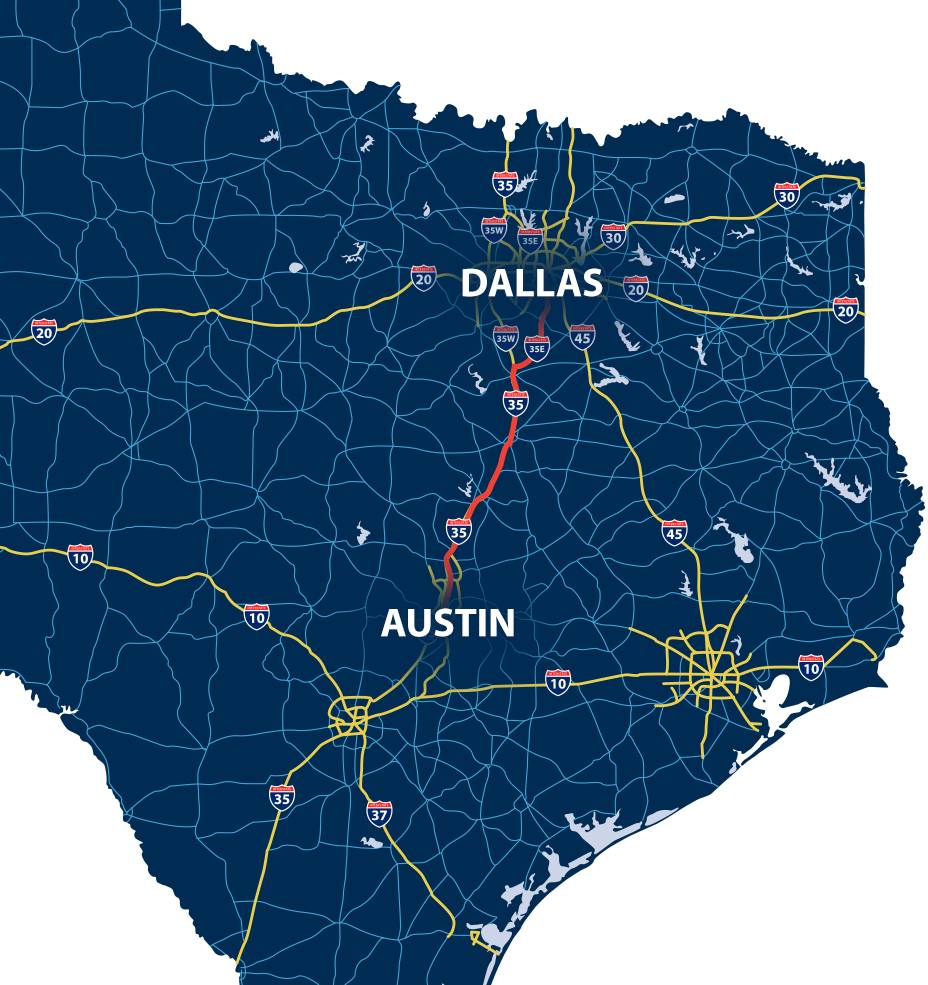
The straight-line distance, or “as the crow flies,” between Austin and Dallas is approximately 180 miles (290 kilometers). However, for practical travel purposes, especially by road, the distance is slightly longer. The most common driving route primarily follows Interstate 35 (I-35), a major artery connecting much of Texas.
- Driving Distance: The typical driving distance via I-35 is around 195 to 200 miles (314 to 322 kilometers), depending on the exact starting and ending points within each metropolitan area.
- Driving Time: Under ideal conditions, with light traffic, the drive usually takes 3 to 3.5 hours. However, travelers should always account for potential delays, especially when passing through major urban areas like Waco and Temple, or during peak travel times around morning and evening rush hours, weekends, and holidays. Traffic can easily extend the journey to 4-5 hours or more. Planning your departure to avoid these peak periods is highly recommended for a smoother experience.
This journey is a cornerstone of Texas travel, often undertaken by business travelers commuting between financial hubs, families embarking on vacation, or adventurers eager to soak in the state’s diverse offerings.
Best Ways to Travel
Choosing the right mode of transportation depends on your priorities, whether it’s speed, cost, convenience, or the desire for a scenic experience.
-
Driving (Self-Drive or Rental Car):
Driving offers unparalleled flexibility, allowing you to depart on your own schedule and explore charming towns or roadside attractions along the way. While I-35 is the most direct route, alternative state highways might offer slightly more scenic views, though they typically add to the travel time. A rental car also provides convenience for exploring within Austin and Dallas, especially if you plan to visit attractions outside the immediate city centers. This option is ideal for family trips or those seeking maximum independence, aligning with a lifestyle of adventure and personalized itineraries. -
Buses:
For budget-conscious travelers, intercity bus services like Greyhound and Megabus provide a cost-effective and convenient alternative. Buses typically offer several departures daily, with journey times ranging from 3.5 to 5 hours, depending on the number of stops. This method allows you to relax, work, or enjoy the scenery without the stress of driving and parking, making it a great option for solo travelers or those prioritizing economy in their travel planning. -
Flights:
While seemingly the quickest option, flying between Austin-Bergstrom International Airport (AUS) and Dallas/Fort Worth International Airport (DFW) or Dallas Love Field (DAL) is often less practical for this relatively short distance. The actual flight time is brief, around an hour, but when you factor in travel to and from airports, security checks, and boarding, the total door-to-door travel time can easily exceed the driving time. Flights are typically more expensive and are usually only considered by business travelers with tight schedules or those connecting from other destinations. -
Rideshare and Train:
Rideshare services like Uber or Lyft would be prohibitively expensive for a journey of this length. Texas has limited passenger rail service, and while Amtrak operates a route that includes both cities, it’s generally not a direct or time-efficient option for this specific intercity connection.
Exploring Dallas: A Blend of Culture, Commerce, and Cowboy Charm
Once you arrive in Dallas, you’ll discover a city that confidently embraces its “Big D” moniker. Known for its sophisticated atmosphere, high-end shopping, and significant historical sites, Dallas offers a rich tapestry of experiences for every type of traveler.
Top Attractions and Landmarks
Dallas’s attractions span from profound historical landmarks to vibrant entertainment districts, offering a truly diverse range of tourism opportunities.
- The Sixth Floor Museum at Dealey Plaza: A poignant and essential visit for anyone interested in American history, this museum chronicles the assassination and legacy of President John F. Kennedy. Housed in the former Texas School Book Depository, it offers a powerful and reflective experience.
- Dallas Arts District: This sprawling urban arts district is home to world-class institutions like the Dallas Museum of Art, the Nasher Sculpture Center, and the AT&T Performing Arts Center. It’s a haven for art and culture enthusiasts, showcasing architectural marvels and impressive collections.
- Klyde Warren Park: An innovative urban park built over a freeway, Klyde Warren Park is a vibrant green space in the heart of downtown. It offers free programming, food trucks, and a lively atmosphere perfect for families and relaxation.
- Reunion Tower: Offering panoramic 360-degree views of the Dallas skyline, the Reunion Tower GeO-Deck is an iconic landmark. It’s an ideal spot for breathtaking photographs and an understanding of the city’s vastness.
- Deep Ellum: For those seeking nightlife and live music, Deep Ellum is the place to be. This historic entertainment district buzzes with bars, music venues, quirky shops, and colorful street art.
- Bishop Arts District: This charming, historic neighborhood south of downtown Dallas is known for its independent boutiques, art galleries, and diverse dining scene. It offers a more bohemian and laid-back atmosphere compared to the bustling downtown.
- Dallas World Aquarium: A fascinating journey through various ecosystems, the Dallas World Aquarium is home to diverse marine life, birds, and animals, providing an engaging experience for all ages.
Where to Stay: Accommodation Options in Dallas
Dallas boasts an extensive range of accommodations, from opulent resorts to budget-friendly hotels, catering to every travel preference and budget.
- Luxury & Boutique Hotels: For a truly indulgent experience, Dallas offers several five-star options. The Ritz-Carlton, Dallas in the Uptown neighborhood provides impeccable service and luxurious amenities. Another exquisite choice is Hotel Crescent Court, known for its elegant design and world-class spa. For a more contemporary and stylish stay, The Joule Dallas, with its unique art collection and rooftop pool, is a popular choice, especially for those interested in luxury travel. The Kimpton Pittman Hotel in Deep Ellum blends historic charm with modern amenities, perfect for travelers seeking a unique boutique experience.
- Mid-Range & Business Hotels: Numerous reliable hotel chains can be found throughout downtown, Uptown, and near Dallas Love Field (DAL) or DFW, offering comfortable rooms and standard amenities ideal for business stays or family trips.
- Budget-Friendly Options: Travelers on a tighter budget can find value-oriented hotels and motels primarily located outside the immediate city center, often near major highways or in surrounding suburbs.
- Apartments & Vacation Rentals: For longer stays, families, or groups, vacation rentals and serviced apartments provide more space, privacy, and the convenience of a kitchen, offering a home-away-from-home experience and flexibility for long-term stay arrangements.
Dallas Culinary Scene: A Gastronomic Journey
Dallas is a foodie paradise, renowned for its diverse culinary landscape that perfectly blends Southern comfort with international sophistication. Expect to find everything from classic Texas BBQ and authentic Tex-Mex to upscale steakhouses and innovative fine dining. Popular dining districts include Uptown, Knox/Henderson, and Bishop Arts District, each offering a distinct gastronomic vibe. From casual food trucks to Michelin-starred equivalent experiences, Dallas caters to all palates and preferences, making its food scene a significant part of its tourism appeal.
Discovering Austin: The Live Music Capital and Hill Country Gem
After soaking in the metropolitan grandeur of Dallas, a trip to Austin promises a shift in pace and atmosphere. This quirky capital city, nestled in the heart of the Texas Hill Country, is famous for its vibrant live music, outdoor activities, liberal arts scene, and a pervasive “Keep Austin Weird” mantra.
Must-Visit Attractions and Iconic Experiences
Austin thrives on its unique culture, offering a mix of natural beauty, historical sites, and contemporary urban flair.
- South Congress Avenue (SoCo): This iconic street is the epitome of “Keep Austin Weird,” featuring eclectic boutiques, vintage shops, delicious food trucks, and legendary live music venues like the Continental Club. It’s a perfect spot for strolling, shopping, and people-watching.
- Texas State Capitol: An impressive architectural marvel, the Texas State Capitol building is taller than the US Capitol and offers free tours, showcasing the rich history and political heritage of Texas.
- Lady Bird Lake: A central oasis in Austin, Lady Bird Lake is popular for kayaking, paddleboarding, and leisurely strolls along its scenic trails. During warmer months, hundreds of thousands of bats emerge from under the Congress Avenue Bridge at dusk, creating a spectacular natural phenomenon.
- Zilker Park & Barton Springs Pool: A beloved urban park, Zilker Park is home to the natural spring-fed Barton Springs Pool, an ideal spot for a refreshing dip year-round. The park also hosts various festivals and outdoor activities.
- Sixth Street: The heart of Austin’s entertainment district, Sixth Street is famous for its lively bars, pubs, and live music venues, offering an energetic nightlife experience.
- Mount Bonnell: For breathtaking panoramic views of the city skyline, Lady Bird Lake, and the Texas Hill Country, a visit to Mount Bonnell is a must, especially around sunset.
Austin Accommodation: From Boutique to Budget
Austin’s accommodations reflect its diverse character, offering everything from luxury hotels to quirky boutique stays and budget-friendly options.
- Luxury & Boutique Hotels: For those seeking a sophisticated stay, the Fairmont Austin offers elegant rooms and exceptional amenities in the heart of downtown. The South Congress Hotel provides a chic, modern boutique experience right on the bustling South Congress Avenue, perfect for enjoying the local scene. Another upscale option is Hotel ZaZa Austin, known for its unique design and vibrant atmosphere. These options cater to a luxury travel lifestyle.
- Mid-Range & Unique Stays: You’ll find numerous charming hotels and guesthouses throughout downtown, East Austin, and near the University of Texas campus, often with a distinct local flair.
- Budget-Friendly Options: While downtown Austin can be pricey, more economical hotel chains and motels are available further from the city center. Hostels and guesthouses also provide affordable options for backpackers and solo travelers, supporting a budget travel approach.
- Vacation Rentals: Like Dallas, Austin offers a wide array of vacation rentals, from stylish bungalows to spacious homes, ideal for families, groups, or those planning a long-term stay who desire a more local living experience.
Austin’s Culinary and Music Scene: Keep Austin Weird
Austin is a mecca for foodies and music lovers. Its culinary landscape is famous for its vibrant food truck scene, legendary Texas BBQ (with places like Franklin Barbecue achieving cult status), innovative farm-to-table restaurants, and diverse international flavors. The city’s “Keep Austin Weird” ethos extends to its cuisine, encouraging creativity and unique dining experiences.
But it’s the music that truly defines Austin. With countless live music venues, from intimate clubs to large concert halls, you can find live performances any night of the week. The city hosts world-renowned festivals such as South by Southwest (SXSW) and Austin City Limits, attracting artists and fans from across the globe. Experiencing Austin’s music scene is an essential part of its local culture and tourism appeal.
Making the Most of Your Texas Trip: Planning and Tips
To ensure your journey between Austin and Dallas is as enriching as possible, consider these practical tips for travel planning and enhancing your overall Texas experience.
- Best Time to Visit: Texas summers can be intensely hot, with temperatures often exceeding 90°F (32°C). For the most comfortable travel, consider visiting in the spring (March to May) or fall (September to November). During these seasons, the weather is pleasantly mild, perfect for outdoor activities and city explorations. Spring also brings wildflowers like bluebonnets, especially in the Hill Country, and fall offers comfortable temperatures for festivals and events.
- Combining Cities for an Extended Trip: Many travelers choose to combine Austin and Dallas into a single itinerary. A recommended duration would be 3-4 days in each city to fully appreciate their attractions, dining, and nightlife. This approach allows for a comprehensive travel experience, moving from the sophisticated urban environment of Dallas to the laid-back, creative vibe of Austin.
- Transportation Within Cities:
- Dallas: Due to its sprawling nature, a rental car is often the most convenient way to explore Dallas and its surrounding areas, particularly if you plan to visit attractions outside the downtown core. The city also has a light rail system (DART) that serves key areas, but its coverage can be limited for tourists. Rideshares are readily available.
- Austin: While Austin is more walkable in its central districts, a car provides more flexibility for exploring attractions like Mount Bonnell or venturing into the Hill Country for wineries and hiking. The city also has a public bus system and is very rideshare-friendly. Many downtown areas are best explored on foot or by bike.
- Budgeting for Your Trip: Both cities offer options for luxury and budget travelers.
- Accommodation: Book hotels in advance, especially during peak season or major events (SXSW in Austin, State Fair in Dallas). Consider staying slightly outside the immediate city centers for more affordable rates. Comparison websites can help find the best deals on hotels and apartments.
- Food: Embrace the food truck scene in Austin and explore diverse eateries in both cities for delicious and often budget-friendly meals. Many museums in Dallas offer free admission days, and Austin’s outdoor activities are often free or low-cost.
- Local Culture and Etiquette: Texans are generally known for their hospitality. A friendly “howdy” or a polite greeting goes a long way. Tipping service staff (restaurants, bars, rideshares) is customary and expected. Be mindful of personal space, especially in crowded areas. Embracing the local culture, whether it’s two-stepping in a honky-tonk or enjoying a quiet moment by Lady Bird Lake, will significantly enhance your experience.
The journey from Austin to Dallas, or vice versa, is more than just a matter of distance; it’s an invitation to experience the incredible diversity and spirit of Texas. From the bustling urban sophistication of Dallas to the laid-back, music-infused charm of Austin, this route offers a captivating blend of history, culture, entertainment, and natural beauty. By understanding the travel logistics and immersing yourself in the unique offerings of each city, you’re set for an unforgettable Texas adventure.
LifeOutOfTheBox is a participant in the Amazon Services LLC Associates Program, an affiliate advertising program designed to provide a means for sites to earn advertising fees by advertising and linking to Amazon.com. Amazon, the Amazon logo, AmazonSupply, and the AmazonSupply logo are trademarks of Amazon.com, Inc. or its affiliates. As an Amazon Associate we earn affiliate commissions from qualifying purchases.