
The Lone Star State of Texas is a vast and varied landscape, home to vibrant cities, sprawling ranches, and a rich tapestry of culture and history. For many travelers, the distances between these key destinations are a crucial part of planning their journeys. Two of Texas‘s most dynamic urban centers, Austin and Dallas, are popular stops for both leisure and business. Understanding the mileage between them, and the various ways to traverse this distance, is essential for crafting an efficient and enjoyable itinerary.
The question of “How far is Austin, Texas to Dallas?” is more than just a simple measurement of miles. It encompasses the time it takes to travel, the different modes of transport available, and the experiences that can be woven into the journey itself. Whether you’re considering a quick business trip, a weekend getaway, or incorporating both cities into a broader Texas exploration, this guide will break down the distances and offer insights into making the most of your travel between these two iconic metropolises.
The Direct Route: Distance and Driving Time
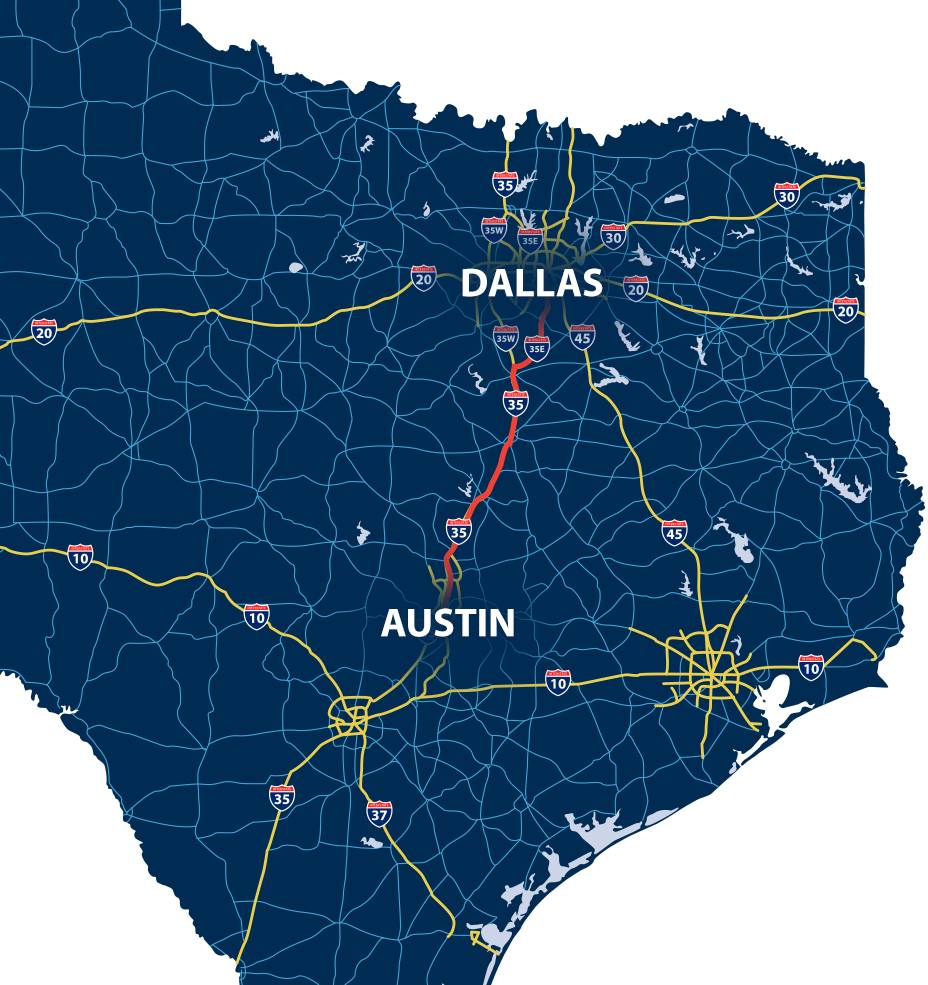
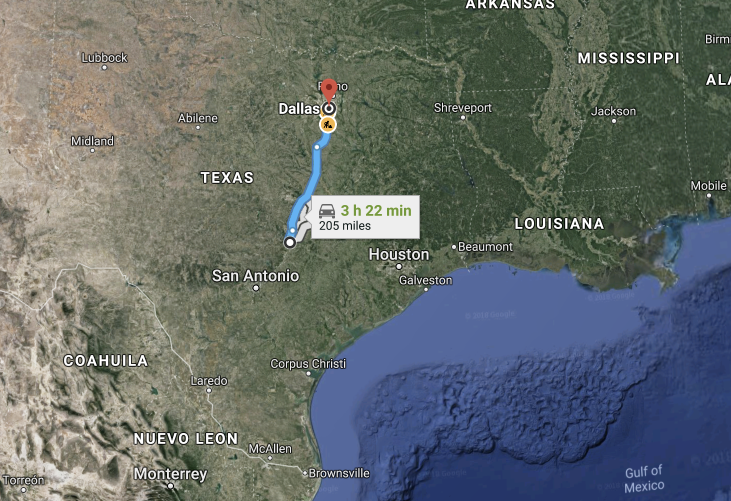
The most common and often most convenient way to travel between Austin and Dallas is by car. The direct driving distance is approximately 200 miles, depending on the specific starting point in Austin and the final destination in Dallas. This mileage translates to a drive time of roughly 3 to 3.5 hours under ideal traffic conditions. However, it’s crucial to factor in potential delays, especially when driving through or near major urban areas.
Navigating the Highways
The primary route connecting Austin and Dallas is via Interstate 35E (I-35E) as it approaches Dallas from the south, and Interstate 35 (I-35) which serves as the main artery connecting the two cities. The journey is largely a straight shot, making it relatively straightforward for navigation.
- Starting in Austin: Most travelers will begin on I-35 North from Austin.
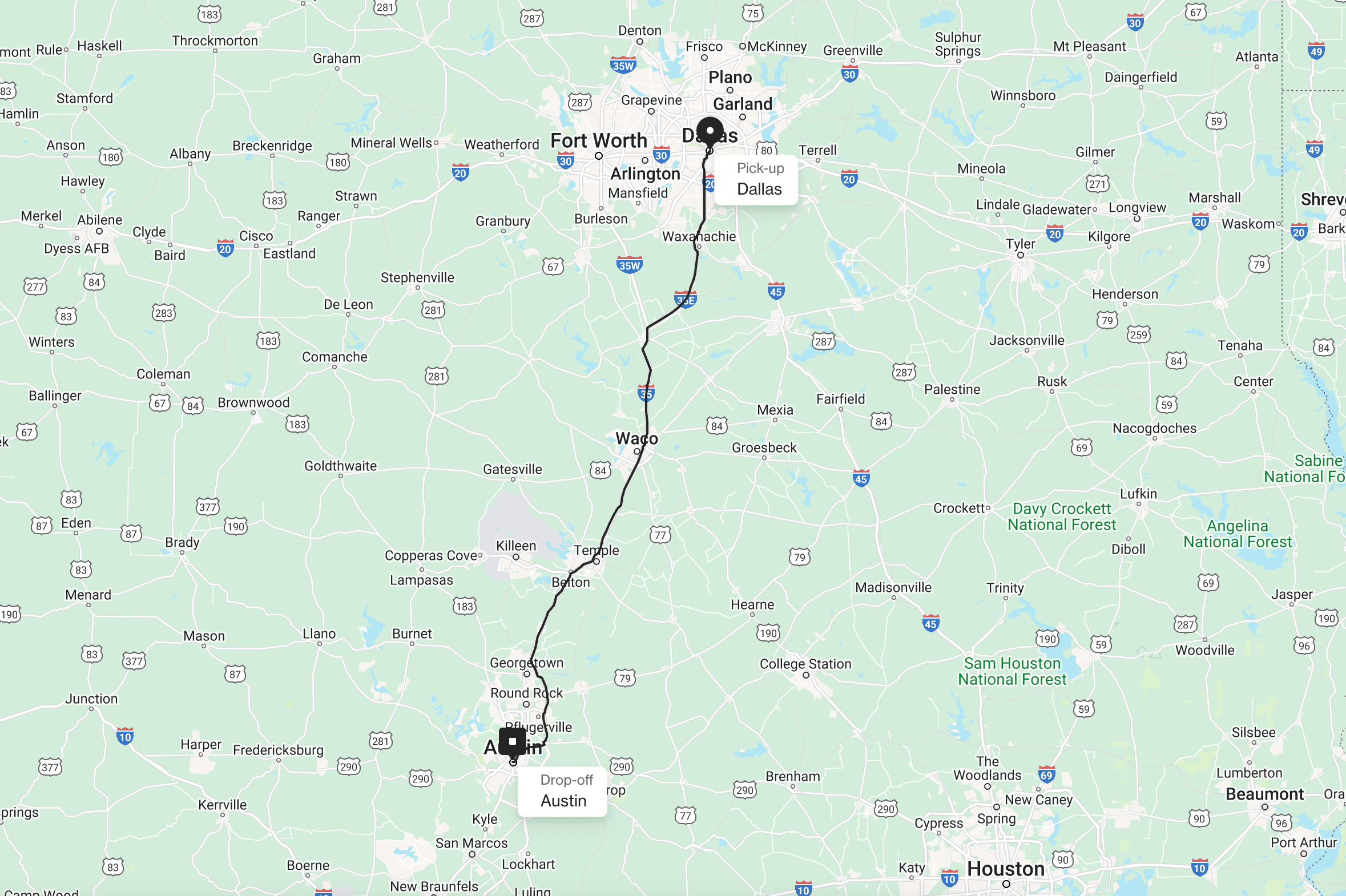
- The Stretch: This highway will take you through the heart of Central Texas, passing by towns like Temple and Waco. Waco is a notable stop, home to the popular Magnolia Market at the Silos and the Dr Pepper Museum, offering potential points of interest for a brief detour or a longer stopover.
- Approaching Dallas: As you get closer to Dallas, I-35 splits. You’ll need to follow signs for I-35E, which leads directly into the downtown core of Dallas. Alternatively, I-35W heads towards the western parts of the Dallas-Fort Worth Metroplex. It’s important to be aware of which fork to take based on your specific destination within Dallas.
Traffic Considerations: The biggest variable impacting your drive time will undoubtedly be traffic. Both Austin and Dallas are major metropolitan areas, and rush hour can significantly extend travel times. If you’re driving during peak commuting hours (typically 7-9 AM and 4-6 PM on weekdays), be prepared for congestion. Weekend traffic can also be unpredictable, especially around major events. It’s always advisable to check real-time traffic updates before you depart and periodically during your journey. Navigation apps like Google Maps or Waze are invaluable tools for this.
Road Trip Tips: For those opting for a road trip, consider breaking up the drive. Waco is a natural halfway point and offers numerous attractions for a lunch stop or even an overnight stay, depending on your schedule. Exploring Waco allows you to experience a different facet of Texas charm between the bustling capitals.
Beyond the Wheel: Alternative Travel Options
While driving is the most popular method, Austin and Dallas are well-connected by other forms of transportation, catering to different preferences and needs.
Flying: The Swift but Less Immersive Option
For those on a tight schedule or who prefer to avoid long drives, flying is an option. Both Austin-Bergstrom International Airport (AUS) and Dallas/Fort Worth International Airport (DFW) are major hubs with frequent flights.
- Flight Duration: The actual flight time between Austin and Dallas is very short, typically around 50 minutes to an hour.
- Total Travel Time: However, when you factor in travel to and from the airports, check-in procedures, security, and potential flight delays, the total door-to-door travel time can often be comparable to, or even longer than, driving.
- Cost: Flight prices can vary significantly depending on the airline, booking time, and demand. It’s worth comparing flight costs with the expense of fuel and potential car rental if you weren’t driving your own vehicle.
- Convenience: While fast in the air, this method offers little opportunity to experience the landscape or stop at points of interest along the way.
The Bus: A Budget-Friendly Choice
Bus services offer a more budget-conscious way to travel between the two cities. Companies like Greyhound and FlixBus operate regular routes.
- Duration: Bus journeys typically take longer than driving, often ranging from 4 to 5 hours, depending on the number of stops and traffic.
- Cost: This is generally the most affordable option for solo travelers or those on a tight budget.
- Experience: Bus travel provides an opportunity to relax, read, or catch up on work. Some services offer Wi-Fi and power outlets, making it a productive way to travel. However, it can be less flexible and comfortable than other options.
Train Travel: A Scenic and Relaxing Alternative
Amtrak offers a train service connecting Austin and Dallas, providing a more relaxed and scenic journey compared to driving or flying.
- Route: The train route often travels through smaller towns and offers views of the Texas countryside.
- Duration: Train journeys are generally the longest, with travel times often exceeding 6 hours.
- Comfort and Amenities: Amtrak trains are known for their comfortable seating, ample legroom, and the ability to move around the train. Many trains offer dining cars and lounge areas, making the journey itself an experience.
- Cost: Train tickets can be comparable to or more expensive than bus tickets, and sometimes even flights, depending on when you book and the type of accommodation (coach vs. sleeper car). It’s a great option for those who prioritize comfort and a leisurely pace over speed.
Making the Most of Your Journey: Points of Interest
The approximately 200-mile stretch between Austin and Dallas is dotted with potential stops that can transform a simple transfer into an engaging part of your Texas adventure. These locations offer a glimpse into the diverse attractions and experiences the state has to offer.
The Mid-Point Stop: Waco
As mentioned earlier, Waco is a prime candidate for a stopover. Located roughly halfway between Austin and Dallas, it provides a welcome break from the drive.
- Magnolia Market at the Silos: This is a must-visit for fans of the popular television show “Fixer Upper.” The sprawling market owned by Chip and Joanna Gaines features shops, a bakery, food trucks, and beautifully manicured grounds, offering a vibrant and trendy atmosphere.
- Dr Pepper Museum: Discover the history of the iconic soft drink at this unique museum. It’s a fun and quirky stop for all ages, offering insights into American beverage history and the chance to sample different Dr Pepper flavors.
- Cameron Park Zoo: If you’re traveling with family, the Cameron Park Zoo is a well-maintained zoological park set along the Brazos River, offering a pleasant natural escape.
Cultural and Historical Detours
Beyond Waco, other towns along or near the route offer distinct cultural and historical attractions.
- Temple, Texas: This city boasts a rich history and some interesting local attractions. You can explore the Railroad Museum or enjoy the charming downtown area.
- Cleburne, Texas: Located a bit off the direct path but accessible, Cleburne offers a more traditional Texas small-town feel. It’s known for its historic courthouse square and the Layland Museum, which delves into local history.
- Ennis, Texas: Famous for its annual Bluebonnet Festival in April, Ennis celebrates Texas wildflowers. Even outside of festival season, its historic downtown offers a pleasant place to wander.
Planning Your Itinerary
When planning your trip, consider your priorities. If speed is of the essence, driving directly with minimal stops is the quickest. If you have more time and want to experience more of Texas, incorporating stops in cities like Waco can enrich your journey. For those who prefer not to drive, exploring the train or bus options can offer a different, more relaxed perspective on inter-city travel. Regardless of how you choose to travel, the journey from Austin to Dallas is a manageable and rewarding exploration of the diverse landscapes and cultures that define Texas.