
Embarking on a journey across the vast and vibrant landscape of Texas offers an unparalleled experience, weaving through diverse cultures, stunning vistas, and iconic landmarks. For many travelers, the question of distance between two of the state’s most dynamic urban centers — Austin, the Live Music Capital of the World, and Dallas, a bustling hub of commerce and culture — is a primary consideration. Understanding this distance, alongside the various modes of transport, potential travel times, and the wealth of attractions nestled between and within these cities, is crucial for planning an unforgettable Texas adventure.
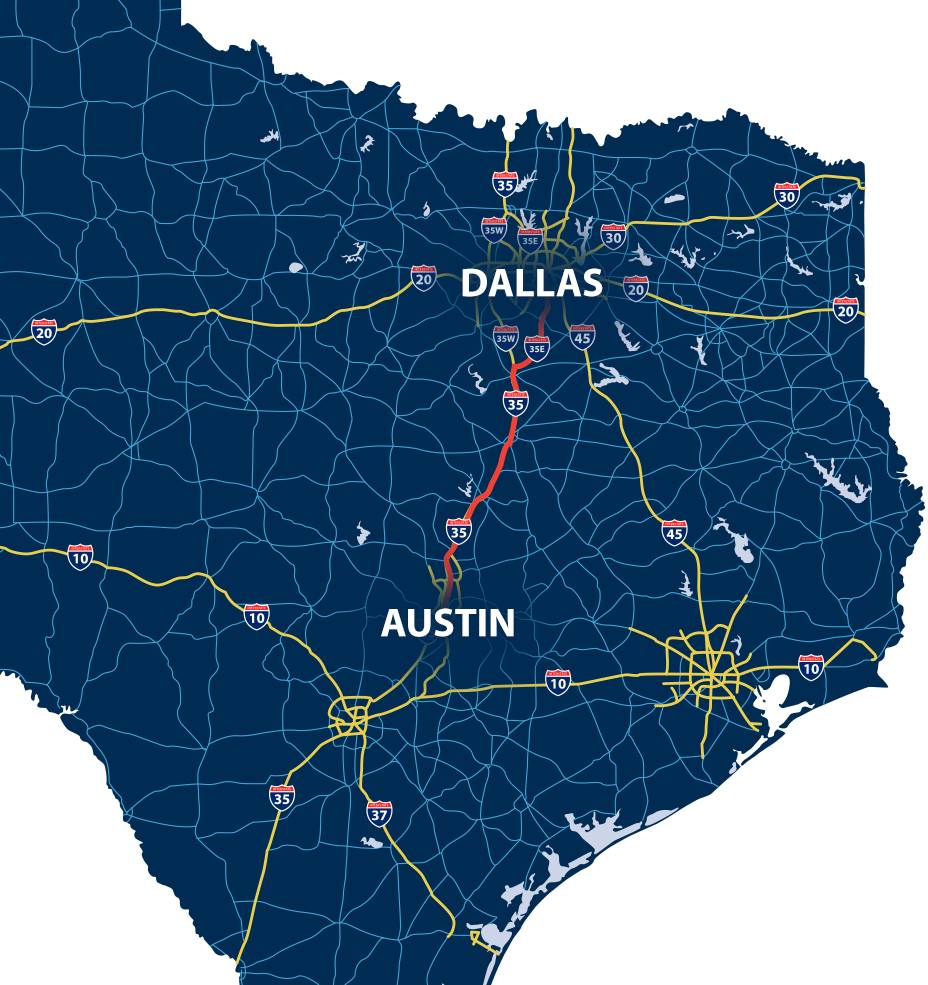
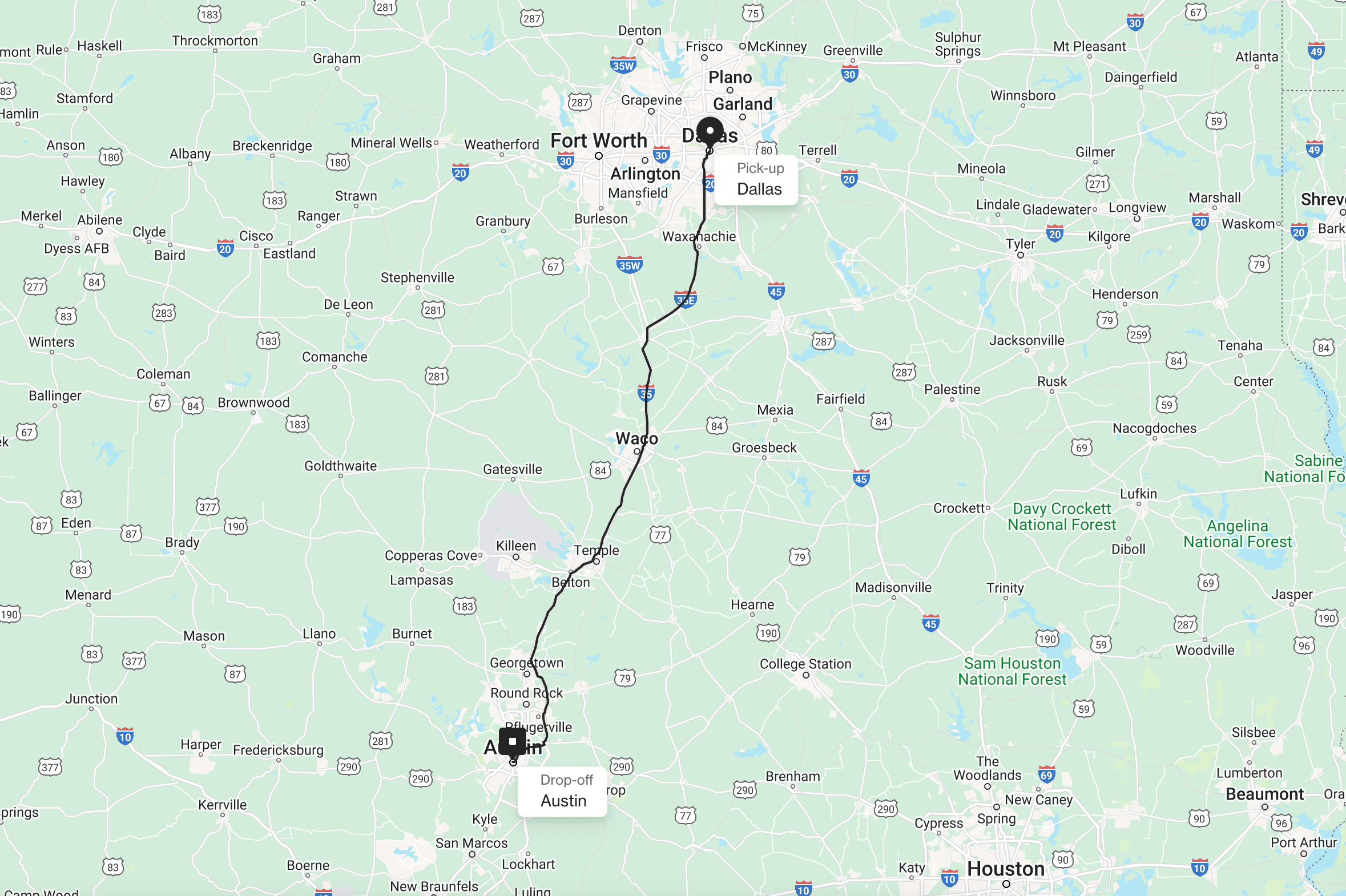
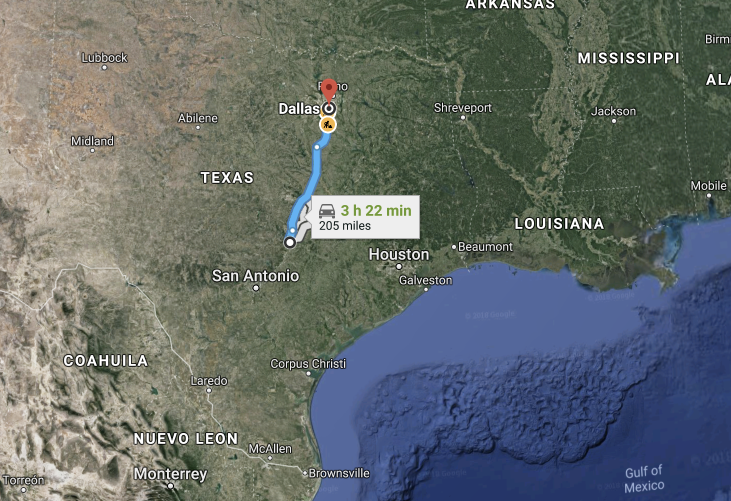
At its core, the direct driving distance between Austin and Dallas is approximately 195 to 200 miles (about 314 to 322 kilometers) when taking the most common routes. This translates to an average driving time of around 3 to 3.5 hours, assuming optimal traffic conditions and minimal stops. However, this seemingly straightforward answer merely scratches the surface of what a trip between these two iconic Texas cities entails. From scenic detours and captivating roadside attractions to a myriad of accommodation options and distinct urban lifestyles, the journey from Austin to Dallas (or vice versa) is ripe with possibilities for exploration and discovery. Whether you’re a first-time visitor to the Lone Star State or a seasoned Texas explorer, this comprehensive guide will illuminate every aspect of the travel experience, ensuring your trip is as smooth, enjoyable, and enriching as possible.
The Journey: Calculating Distance and Drive Time
The primary mode of transport for most travelers between Austin and Dallas is by car, offering flexibility and the freedom to explore at your own pace. The distance and time can vary slightly depending on your exact starting and ending points within each sprawling city and, significantly, on traffic conditions, which can be particularly challenging during peak hours.
The Direct Route: I-35 Corridor
The most direct and frequently utilized route connecting Austin and Dallas is Interstate 35 (I-35). This major north-south artery traverses the heart of Texas, providing a relatively straight shot between the two metropolitan areas. While it offers efficiency, I-35 is also known for heavy traffic, particularly around urban centers like Waco, Temple, and during commuter times in Austin and Dallas.
- Average Distance: Approximately 195 miles (314 km).
- Average Drive Time: 3 to 3.5 hours under ideal conditions.
- Peak Traffic Impact: During morning and evening rush hours (typically 7-9 AM and 4-6 PM on weekdays) or during major events, travel times can easily extend to 4-5 hours or even more. Weekend traffic, especially for football games or holiday weekends, can also add significant delays.
Travelers are often advised to check real-time traffic updates using GPS navigation apps before and during their journey. Planning your drive during off-peak hours, such as late mornings or early afternoons, can significantly reduce travel stress and time.
Alternative Scenic Drives
While I-35 is the quickest, it’s not the only option. For those with more time and a desire to experience the diverse landscape of Texas, alternative routes offer a more scenic and relaxed drive, albeit with a slightly longer duration.
One such alternative involves heading east from Austin via US-290 E and then connecting to US-79 N or TX-79 N towards Palestine before turning west onto US-175 W or I-45 N into Dallas. This route typically adds an hour or more to the journey but takes you through charming small towns and rural landscapes, far from the constant traffic of I-35. It’s an excellent choice for those interested in local culture, quaint eateries, and photographic opportunities that showcase the authentic heart of Texas.
Essential Road Trip Tips
For a smooth road trip, consider these tips:
- Vehicle Check: Ensure your car is in good condition, with tires, oil, and fluids checked before departure.
- Snacks and Drinks: Pack a cooler with water, snacks, and any necessary medications.
- Entertainment: Download podcasts, audiobooks, or a curated playlist to keep spirits high.
- Break Stops: Plan for regular stops every 2-3 hours to stretch, refuel, and grab a coffee. Cities like Waco offer great midway points with attractions like Magnolia Market at the Silos.
- Emergency Kit: Always travel with a basic emergency kit, including jumper cables, a first-aid kit, and a flashlight.
Beyond the Wheel: Exploring Other Travel Options
While driving is popular, not everyone prefers or has access to a personal vehicle. Fortunately, several other modes of transportation connect Austin and Dallas, catering to different budgets and travel preferences.
Air Travel: Quickest Connection
For those prioritizing speed, flying is the fastest way to bridge the distance between Austin and Dallas.
- Airports: Austin-Bergstrom International Airport (AUS) serves Austin, while Dallas is served by two major airports: Dallas/Fort Worth International Airport (DFW) and Dallas Love Field (DAL).
- Flight Duration: Direct flights typically last about 1 hour.
- Total Travel Time: When factoring in check-in, security, and travel to/from airports, the total door-to-door time can be comparable to or slightly longer than driving (around 3.5 to 4.5 hours), especially if you live far from the airports.
- Airlines: Major carriers like Southwest Airlines and American Airlines offer frequent daily flights.
- Cost: Airfares can vary significantly based on booking time and demand. While potentially more expensive than driving, competitive pricing can often be found, especially if booked in advance.
Air travel is ideal for business travelers on tight schedules or those looking to minimize travel fatigue.
Bus and Train Services: Budget-Friendly and Relaxed
For budget-conscious travelers or those who prefer a hands-off approach to long-distance travel, bus and train services provide viable alternatives.
- Bus Services: Companies like Greyhound and Megabus operate multiple daily routes between Austin and Dallas.
- Travel Time: Bus journeys typically range from 3.5 to 5 hours, depending on the number of stops and traffic.
- Cost: Bus tickets are generally the most economical option, with fares often starting as low as $15-$30 when booked in advance.
- Amenities: Modern buses often feature Wi-Fi, power outlets, and comfortable seating, making for a pleasant journey.
- Train Services: Amtrak offers train service connecting Austin to Dallas via its Texas Eagle route.
- Travel Time: Train journeys are significantly longer than driving or flying, often taking 5-6 hours or more due to fewer direct routes and multiple stops.
- Experience: While slower, train travel offers a unique, relaxed experience with spacious seating, dining cars, and scenic views that are often missed from the highway. It’s a great option for leisure travelers who enjoy the journey as much as the destination.
- Cost: Train tickets can be comparable to or slightly higher than bus fares, depending on class and booking time.
Both bus and train services drop off passengers at central locations, often near public transit hubs, making onward travel within Austin or Dallas convenient.
A Tale of Two Cities: Exploring Austin and Dallas
The journey between Austin and Dallas isn’t just about covering distance; it’s an opportunity to immerse yourself in the distinct identities and attractions of two of Texas’s most beloved cities.
Austin: Live Music Capital and Hill Country Charms
Austin, the state capital, pulses with a vibrant, eclectic energy. Known globally as the “Live Music Capital of the World,” its cultural landscape is deeply intertwined with its music scene, particularly along Sixth Street and South Congress Avenue (SoCo).
- Landmarks & Attractions:
- Texas State Capitol: A magnificent architectural marvel, offering free tours and a glimpse into Texas’s rich political history.
- Zilker Park & Barton Springs Pool: A sprawling urban oasis perfect for recreation, with the spring-fed pool offering a refreshing dip year-round.
- Lady Bird Lake: Ideal for kayaking, paddleboarding, and scenic walks along its picturesque trails.
- Congress Avenue Bridge Bat Colony: Witness the spectacular emergence of 1.5 million bats at dusk, an iconic Austin experience from March to October.
- Local Culture & Food: Austin is a foodie paradise, renowned for its food trucks, authentic Tex-Mex cuisine, and world-famous Texas BBQ. The city’s unofficial motto, “Keep Austin Weird,” encapsulates its unique, independent spirit.
Dallas: Urban Sophistication and Historical Depth
In contrast, Dallas presents a polished, cosmopolitan vibe, celebrated for its impressive skyline, world-class museums, and upscale shopping districts. It’s a city that beautifully blends modern sophistication with significant historical narratives.
- Landmarks & Attractions:
- Dallas Arts District: Home to an array of cultural institutions, including the Dallas Museum of Art and the Nasher Sculpture Center.
- Klyde Warren Park: A vibrant urban deck park built over a freeway, offering a green space for relaxation, food trucks, and free activities.
- Reunion Tower: An iconic Dallas landmark, providing panoramic views of the city from its observation deck.
- The Sixth Floor Museum at Dealey Plaza: A poignant museum dedicated to the life, assassination, and legacy of President John F. Kennedy.
- Dallas World Aquarium & Dallas Arboretum and Botanical Garden: Excellent choices for family outings and nature lovers.
- Local Culture & Food: Dallas boasts a thriving culinary scene, from high-end steakhouses and international cuisine to trendy bistros in neighborhoods like Uptown and Deep Ellum, alongside its own distinct flavor of Tex-Mex and Southern comfort food.
What to See and Do Along the Way
The stretch of I-35 between Austin and Dallas isn’t just open road. It’s dotted with potential stops that can enrich your travel experience:
- Waco: Roughly halfway, Waco has transformed into a popular tourist destination, largely due to Magnolia Market at the Silos by Chip and Joanna Gaines. Beyond the silos, visitors can explore the Dr Pepper Museum and the Mammoth National Monument.
- Temple: A smaller city offering historical insights at the Railroad & Heritage Museum.
- Hillsboro: Known for its historic outlet mall and proximity to Lake Whitney State Park, a good spot for outdoor activities.
These stops provide excellent opportunities to break up the drive, stretch your legs, and discover more of Texas’s charm.
Planning Your Stay: Accommodation and Lifestyle
Choosing the right accommodation is paramount to enjoying your visit, whether you’re seeking luxury, budget-friendly options, or something in between. Both Austin and Dallas boast a wide array of hotels, resorts, and alternative lodging options to suit every preference and lifestyle.
Hotel and Accommodation Choices in Austin
Austin’s accommodation scene reflects its eclectic personality, offering everything from historic hotels to modern, boutique stays.
- Luxury & Boutique: For an upscale experience, consider The Driskill, a historic landmark hotel blending Victorian grandeur with modern amenities, or the trendy W Hotel Austin for a vibrant, contemporary stay. Boutique hotels in areas like SoCo offer unique charm and personalized service.
- Mid-Range & Family-Friendly: Options like the Hyatt Regency Austin or the Omni Austin Hotel Downtown provide comfortable amenities, often with pools and dining options, catering well to families and business travelers.
- Budget-Friendly: Numerous chain hotels outside the downtown core, as well as vacation rentals and guesthouses, offer more economical choices without sacrificing comfort.
- Alternative Stays: Austin has a burgeoning market for short-term apartment rentals and unique Airbnb experiences, allowing visitors to live like a local.
Hotel and Accommodation Choices in Dallas
Dallas, a city known for its sophistication, offers a wealth of high-end hotels and diverse lodging options in various districts.
- Luxury & Upscale: The Omni Dallas Hotel is connected to the Dallas Convention Center and offers luxurious amenities and stunning city views. The Joule, a revitalized 1920s Neogothic bank building, is a design-forward boutique hotel in the heart of downtown. For a unique experience, Hotel Zaza Dallas in Uptown combines luxury with an eclectic, art-filled ambiance.
- Business & Leisure: Many international hotel chains such as Hilton, Marriott, and Hyatt have strong presences across Dallas, particularly around DFW, Love Field, and the Dallas Galleria, offering reliable comfort and comprehensive services.
- Extended Stays: For longer visits, serviced apartments and extended-stay hotels are plentiful, particularly for business travelers or those relocating.
Lifestyle Considerations: Budget vs. Luxury Travel
Your choice of accommodation and overall travel style will heavily influence your budget and experience.
- Budget Travel: Focusing on bus travel, staying in hostels or budget hotels outside city centers, utilizing public transport, and enjoying free attractions like parks or window shopping can significantly reduce costs. Exploring local food trucks and casual eateries also offers delicious, affordable dining.
- Luxury Travel: Opting for air travel, staying in five-star hotels or resorts, dining at acclaimed restaurants, and hiring private transportation allows for a seamless, indulgent experience. Both Austin and Dallas cater exceptionally well to luxury travelers, with spas, high-end shopping, and exclusive tours readily available.
- Family Trips: Look for hotels with amenities like pools, kids’ clubs, and spacious suites. Vacation rentals can also be ideal for families, providing multiple bedrooms and kitchen facilities. Consider attractions like the Dallas World Aquarium or Zilker Park for family-friendly fun.
- Business Stays: Hotels with robust business centers, conference facilities, and convenient access to corporate districts are key. Many hotels in both cities offer executive lounges and amenities tailored for business travelers.
Maximizing Your Texas Experience: Tips for Travelers
To truly make the most of your journey between Austin and Dallas, a few extra considerations can enhance your trip.
Best Time to Visit
Texas weather can be extreme, so timing your visit is crucial:
- Spring (March-May): Generally considered the best time, with mild temperatures, blooming wildflowers (especially Bluebonnets in March/April), and numerous outdoor festivals.
- Fall (September-November): Also pleasant, with cooler temperatures returning after the summer heat, perfect for exploring both cities’ outdoor attractions.
- Summer (June-August): Can be intensely hot and humid, with temperatures often exceeding 90-100°F (32-38°C). If visiting in summer, plan indoor activities during the hottest parts of the day and stay hydrated.
- Winter (December-February): Generally mild, though cold snaps with freezing temperatures are possible. It’s a quieter time for tourism, often with lower hotel rates.
Culinary Delights and Local Culture
No trip to Texas is complete without indulging in its legendary food scene:
- Texas BBQ: A pilgrimage to a renowned BBQ joint is a must. In Austin, places like Franklin Barbecue are legendary (expect long lines!). Dallas also boasts excellent options, like Pecan Lodge.
- Tex-Mex: A fusion of Texas and Mexican flavors, this cuisine is a staple. Enjoy enchiladas, fajitas, and queso in virtually every corner of both cities.
- Craft Beer & Cocktails: Both cities have thriving craft beer scenes and innovative cocktail bars. Austin is particularly known for its diverse breweries.
- Live Music (Austin): Immerse yourself in Austin’s music scene by catching a show on Sixth Street, Rainey Street, or at an iconic venue like the Continental Club.
- Arts & Culture (Dallas): Explore the vibrant Dallas Arts District, attend a performance at the AT&T Performing Arts Center, or visit one of the many galleries.
Practical Travel Advice
- Rent a Car (if driving): If flying into Texas, renting a car is often the most convenient way to navigate and explore, especially if you plan to take scenic detours.
- Public Transportation: Both cities have public transportation systems, but they are not as extensive as in some other major United States cities. Ride-sharing services are widely available and popular.
- Book in Advance: Especially for popular hotels, flights, or rental cars during peak season or major events (like SXSW in Austin or the State Fair of Texas in Dallas), booking well in advance is highly recommended.
- Stay Hydrated: Regardless of the season, Texas weather can be dehydrating. Always carry water, especially if you’re exploring outdoors.
- Sun Protection: Sunscreen, hats, and sunglasses are year-round essentials.
In conclusion, the journey from Austin to Dallas is more than just covering nearly 200 miles; it’s an opportunity to delve into the heart of Texas’s diverse offerings. Whether you opt for the efficiency of I-35, the speed of air travel, or the relaxed pace of a bus or train, each mode of transport offers a unique perspective on the Lone Star State. With careful planning, an adventurous spirit, and an appreciation for the distinct cultures of Austin and Dallas, your trip will undoubtedly be filled with memorable experiences, rich culinary adventures, and a deep appreciation for all that Texas has to offer.
LifeOutOfTheBox is a participant in the Amazon Services LLC Associates Program, an affiliate advertising program designed to provide a means for sites to earn advertising fees by advertising and linking to Amazon.com. Amazon, the Amazon logo, AmazonSupply, and the AmazonSupply logo are trademarks of Amazon.com, Inc. or its affiliates. As an Amazon Associate we earn affiliate commissions from qualifying purchases.