
The question of “how far” between Austin, Texas and San Antonio is one frequently posed by travelers eager to explore the vibrant culture and unique attractions that define these two iconic Texas cities. While the geographical distance is a straightforward measurement, the journey itself, and the array of experiences connecting these metropolitan hubs, offers a rich tapestry for any traveler. This guide delves into the practicalities of bridging the gap between Austin and San Antonio, examining not only the mileage but also the diverse travel options, captivating stops along the way, and what each destination offers, allowing you to tailor an unforgettable Texas adventure.
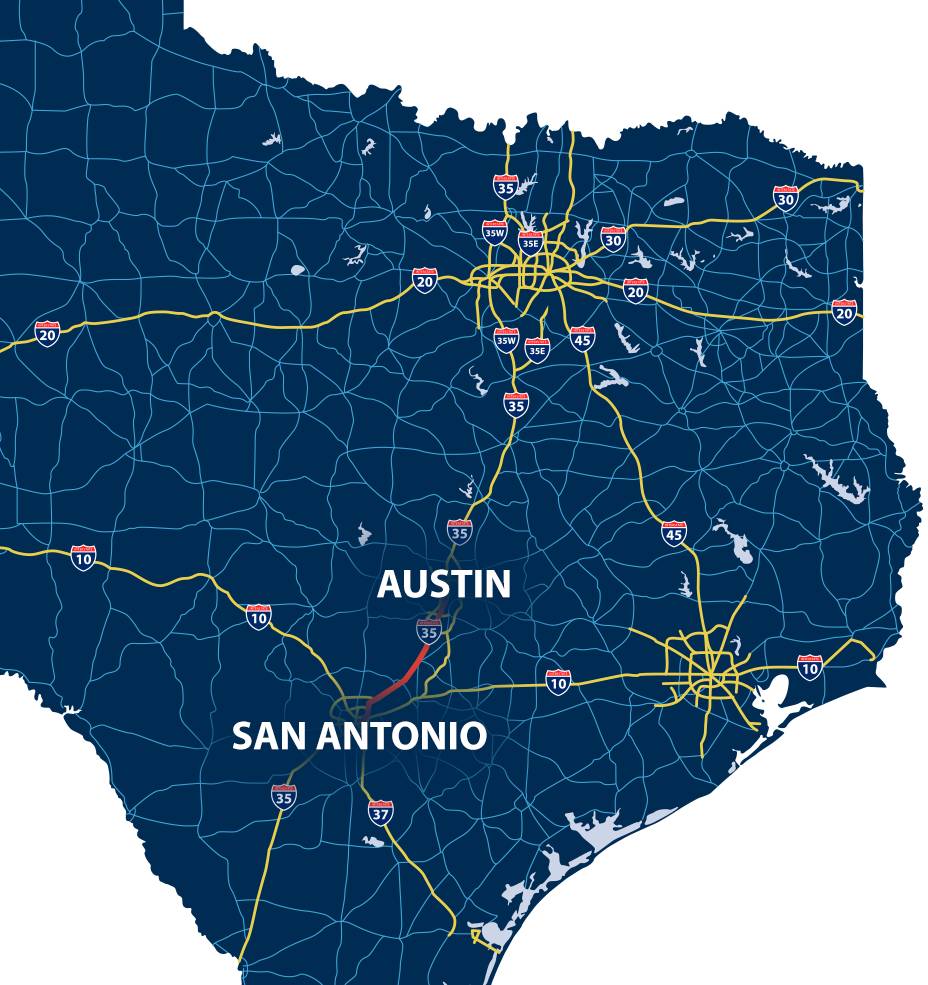
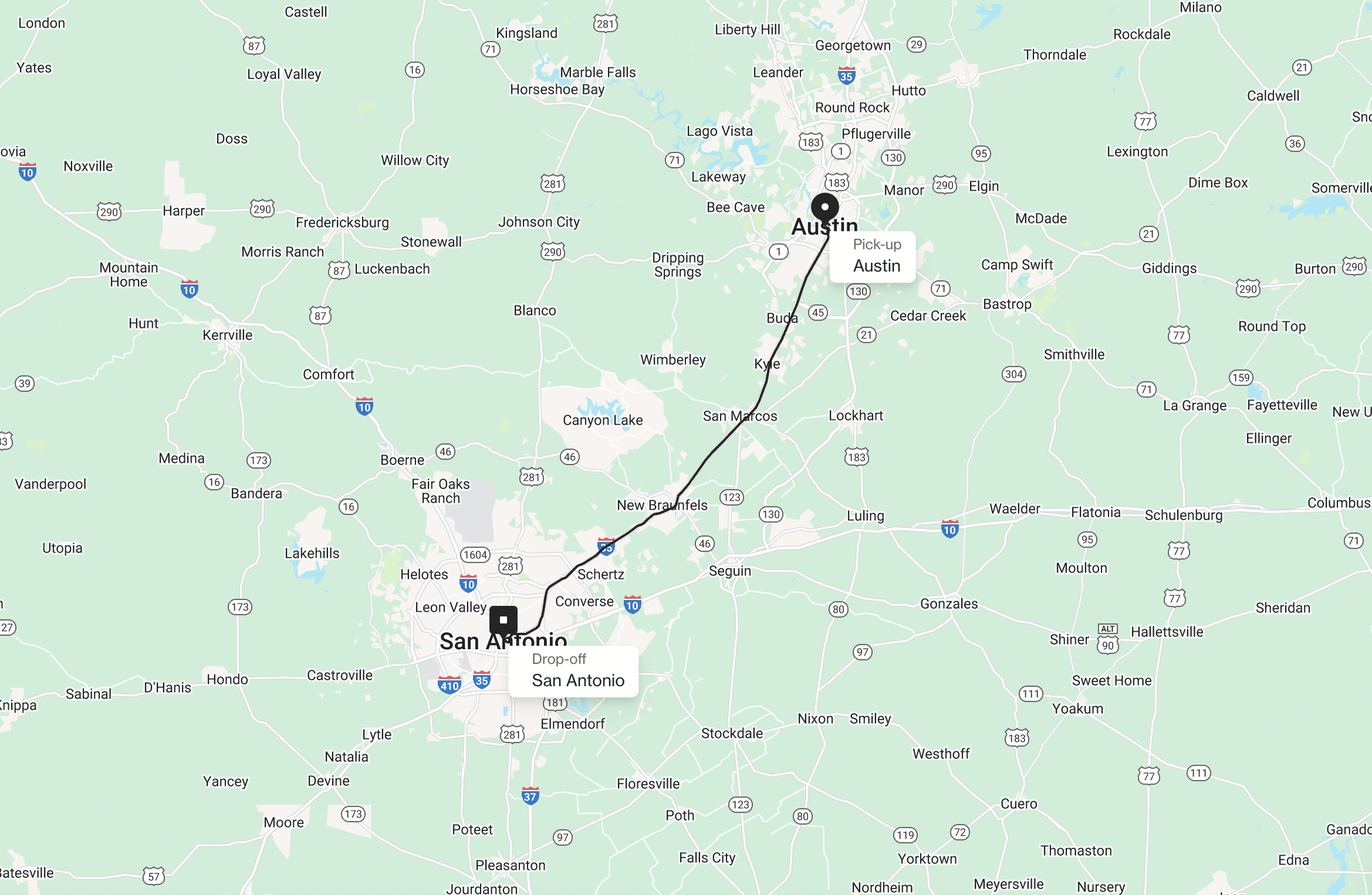
At its core, the distance between Austin, the “Live Music Capital of the World,” and San Antonio, home to the historic Alamo and the enchanting Riverwalk, is approximately 80 miles (129 kilometers). This relatively short stretch makes the two cities ideal for day trips, weekend getaways, or as complementary legs of a longer Texas itinerary. Depending on traffic, which can be a significant factor, especially during peak hours on the bustling Interstate 35 (I-35) corridor, the drive typically takes between 1.5 to 2 hours. However, with the right planning and an adventurous spirit, this journey can be transformed into much more than just a drive; it can become an integral part of your Texas experience, revealing charming towns, unique attractions, and a taste of authentic Texas Hill Country culture.
Navigating the Corridor: Travel Options and Scenic Drives
Understanding the various modes of travel between Austin and San Antonio is crucial for planning your trip, whether you prioritize speed, cost-effectiveness, or the flexibility to explore at your own pace. Each option presents distinct advantages, catering to different preferences and lifestyle choices, from the budget-conscious backpacker to the luxury traveler seeking seamless transitions.
By Car: The Most Popular Choice
Driving remains the most popular and flexible option for traversing the Austin-San Antonio route. The primary artery for this journey is I-35, a multi-lane highway that offers a direct path between the two cities. For those with their own vehicle or considering a rental car, the freedom to depart at your leisure, make impromptu stops, and explore off-the-beaten-path attractions is unparalleled. This mode of transport is particularly appealing for family trips or groups, allowing for shared costs and the convenience of having personal transportation throughout your stay in both destinations.
While I-35 is efficient, travelers should be mindful of traffic congestion, especially on Friday afternoons, Sunday evenings, and during major events in either city. Utilizing real-time navigation apps can help in identifying potential delays and suggesting alternative routes, although scenic detours typically add significant time to the journey. For a slightly more relaxed and picturesque drive, consider taking some of the smaller state highways that parallel I-35, winding through the rolling hills and charming towns of the Texas Hill Country. While these routes might extend your travel time, they offer a glimpse into the scenic beauty and local character that define this region.
Public Transportation and Ridesharing
For those preferring not to drive, several public and private transportation options connect Austin and San Antonio.
- Bus Services: Companies like Greyhound and Megabus offer regular intercity bus services. These are generally the most budget-friendly travel options, with multiple departures daily. The journey time by bus is usually similar to driving, ranging from 1.5 to 2.5 hours, depending on the number of stops and traffic conditions. Bus stations are typically centrally located in both cities, providing convenient access to local public transport networks like Capital Metro in Austin and VIA Metropolitan Transit in San Antonio.
- Ridesharing and Private Shuttles: Services like Uber and Lyft are available for direct travel between cities. While more expensive than buses, they offer a personalized and often quicker door-to-door experience. Additionally, private shuttle services can be booked for groups or those seeking a more premium, comfortable, and often quicker alternative to standard public transport. These options are particularly suitable for business stays or travelers prioritizing convenience and directness.
- Train: While Amtrak does have routes that pass through Austin and San Antonio, it is not a practical option for direct city-to-city travel due to infrequent schedules and longer travel times compared to driving or bus services. It’s more suited for longer journeys across Texas or beyond.
Uncovering Gems Along the Route: Stopovers and Attractions
The journey between Austin and San Antonio doesn’t have to be a straight dash down I-35. The corridor is dotted with charming towns and unique attractions that can transform a simple commute into an enriching exploration of Central Texas. These stopovers offer a chance to stretch your legs, grab a bite, or delve into local culture, making the overall travel experience more enjoyable and memorable.
San Marcos: River Fun and Outlet Shopping
Approximately halfway between the two major cities lies San Marcos, a vibrant college town known for its crystal-clear river and impressive outlet malls. The San Marcos River offers opportunities for tubing, kayaking, and paddleboarding, particularly refreshing on a hot Texas day. Meadows Center for Water and the Environment at Texas State University provides educational glass-bottom boat tours, showcasing the river’s unique ecosystem. For shoppers, the San Marcos Premium Outlets and Tanger Outlets draw visitors from across the state with their wide selection of brand-name stores offering discounted prices, making it a popular destination for a shopping spree.
New Braunfels & Gruene: German Heritage and Historic Charm
Just south of San Marcos is New Braunfels, a city rich in German heritage, evident in its architecture, festivals, and food. It’s famously home to Schlitterbahn Waterpark, one of the best water parks in the country, offering endless fun for families. The Comal and Guadalupe Rivers also run through New Braunfels, providing additional opportunities for tubing and other water activities.
Nestled within New Braunfels is the historic district of Gruene, a designated National Register of Historic Places community. Gruene is famed for Gruene Hall, Texas’ oldest continually operating dance hall, where legendary musicians have graced its stage. Visitors can enjoy live music, browse antique shops, dine at charming restaurants like Gristmill River Restaurant & Bar, and soak in the nostalgic atmosphere of this well-preserved historic village. A stop here offers a delightful step back in time and a taste of authentic Texas character.

Beyond the Drive: Exploring Austin and San Antonio
Once you’ve arrived at your destination, both Austin and San Antonio unfold as distinct and captivating cities, each with its own rhythm and unique set of landmarks, cultural experiences, and culinary delights. Planning your tourism activities and accommodation in advance will enhance your visit, ensuring you make the most of your time in these vibrant Texas hubs.
Austin: The Capital of Cool
Austin is renowned for its eclectic music scene, innovative food trucks, and an outdoorsy vibe. As the Live Music Capital of the World, a visit here is incomplete without catching a live show on Sixth Street or at the Continental Club. Other must-see attractions include the majestic Texas State Capitol, the refreshing natural springs of Barton Springs Pool within Zilker Park, and a stroll down South Congress Avenue for unique boutiques, quirky shops, and delicious eateries. In the evenings, witnessing the flight of millions of bats from beneath the Ann W. Richards Congress Avenue Bridge over Lady Bird Lake is an iconic Austin experience.
For accommodation, Austin offers a diverse range of hotels, from luxury hotels with stunning downtown views to trendy boutique hotels in neighborhoods like South Congress. Popular choices include the Hyatt Regency Austin for its Lady Bird Lake views, the W Austin for its proximity to music venues, and more budget-friendly apartments or vacation rentals for long-term stays or larger groups. When booking, consider the specific amenities you desire, whether it’s a pool, spa, or pet-friendly options, as Austin caters to a wide array of lifestyle preferences.
San Antonio: A City Steeped in History
San Antonio presents a stark yet complementary contrast to Austin, with its rich colonial history and deeply rooted Hispanic culture. The most iconic landmark is undoubtedly The Alamo, a symbol of Texas’ fight for independence, offering a profound historical experience. Flowing through the city center, the San Antonio Riverwalk is a pedestrian paradise lined with shops, restaurants, and hotels, perfect for leisurely strolls or romantic river barge tours.
Beyond the Riverwalk, explore the San Antonio Missions National Historical Park, a UNESCO World Heritage Site, which includes Mission Concepción, Mission San José, Mission San Juan Capistrano, and Mission Espada, each offering a glimpse into the region’s Spanish colonial past. The revitalized Pearl District, a former brewery site, now buzzes with upscale dining, artisan shops, and a vibrant farmers market, reflecting San Antonio’s modern culinary scene. For family travel with children, Six Flags Fiesta Texas and SeaWorld San Antonio offer thrilling rides and marine life encounters.
Accommodation in San Antonio ranges from historic boutique hotels and charming bed and breakfasts along the Riverwalk to luxurious resorts in the surrounding Hill Country. The Hotel Emma at the Pearl District is a prime example of luxury travel, blending industrial chic with historical elegance. Along the Riverwalk, options like the Hotel Contessa or the Hyatt Regency San Antonio Riverwalk offer direct access to the city’s main attraction. For a resort experience, the JW Marriott San Antonio Hill Country Resort & Spa or La Cantera Resort & Spa provide extensive amenities and serene settings, perfect for relaxation after a day of sightseeing. When considering your stay, comparison reviews and booking platforms can help you find the ideal spot, whether you’re seeking suites, villas, or traditional hotel rooms.
Planning Your Texas Adventure: Tips and Itineraries
Making the most of your journey between Austin and San Antonio involves thoughtful planning, especially concerning the best time to visit and how to weave together your experiences. Both cities thrive on tourism, offering unique flavors of Texas, but their combined appeal creates an even richer travel narrative.
Best Time to Visit
The ideal times to visit Central Texas are during the spring (March to May) and fall (September to November). During these seasons, the weather is generally pleasant, with comfortable temperatures perfect for outdoor activities and exploring. Spring brings vibrant wildflowers, including the famous bluebonnets, to the Hill Country, while fall offers cooler temperatures and various festivals. Summers (June to August) can be intensely hot and humid, potentially making extensive outdoor sightseeing less enjoyable, although water-based attractions like Schlitterbahn or Barton Springs Pool provide relief. Winters (December to February) are mild, offering a comfortable escape from colder climates, though some outdoor attractions may have reduced hours.
Sample Itineraries: Blending the Best of Both Cities
Given the relatively short distance, combining Austin and San Antonio into a single trip is highly recommended.
- Weekend Getaway (3 Days/2 Nights): Focus on one city per day. Arrive in Austin, enjoy the music and food trucks, and visit the Capitol. The next morning, drive to San Antonio, stopping briefly in Gruene. Spend the afternoon and evening exploring the Alamo and the Riverwalk, perhaps staying in a charming Riverwalk hotel. On the third day, revisit a favorite spot or explore the Pearl District before heading home.
- Extended Exploration (5-7 Days): This allows for a deeper dive into each city and more relaxed travel. Dedicate 2-3 days to Austin, exploring its neighborhoods, parks, and music venues. Then, spend a day driving to San Antonio, with ample time for stops in San Marcos and New Braunfels. Allocate 2-3 days for San Antonio, covering the Missions, Riverwalk, Pearl, and perhaps a theme park. This itinerary is ideal for those seeking a comprehensive Texas experience, combining urban exploration with Hill Country charm.
- Luxury Travel Retreat: Consider staying at resorts like the Four Seasons Hotel Austin or the Hotel Emma in San Antonio. Arrange for private car services for seamless transitions between cities and explore curated experiences such as private chef dinners, exclusive tours, and spa treatments.
No matter how far you travel or how long you stay, the journey between Austin and San Antonio is far more than just a measure of distance. It’s an invitation to explore the diverse landscapes, rich history, and vibrant culture that define Central Texas, promising an adventure tailored to every taste and preference.