
The vast Pacific Ocean separates two iconic and geographically diverse regions: Australia and California. For many travelers, the question of distance between these two popular destinations is a crucial one when planning an international adventure. Whether you’re dreaming of the sun-drenched beaches of Southern California or the rugged Outback of Australia, understanding the mileage and travel time involved is key to setting realistic expectations and making informed travel arrangements.
At its most basic, the distance between California and Australia is measured in thousands of miles. This significant geographical gap is not just a number; it dictates flight durations, potential layovers, and the overall immersive experience of traversing such a considerable expanse. The sheer scale of the Pacific Ocean plays a defining role, making this one of the longest transoceanic journeys for many travelers originating from the Western Hemisphere.

Understanding the Geographical Divide
To truly grasp “how far” Australia is from California, it’s helpful to consider the specific points of departure and arrival. California is a large state with numerous major international airports, including Los Angeles International Airport (LAX), San Francisco International Airport (SFO), and San Diego International Airport (SAN). Similarly, Australia boasts several international gateways, such as Sydney Kingsford Smith Airport (SYD), Melbourne Airport (MEL), and Brisbane Airport (BNE).
Direct Flight Distances and Durations
The most direct way to measure the distance is by looking at typical flight paths between major hubs. A direct flight from Los Angeles (LAX) to Sydney (SYD), for example, covers approximately 7,480 miles (12,030 kilometers). This immense distance translates into a significant flight time. While actual flight durations can vary based on factors like aircraft type, wind conditions, and specific flight paths, a non-stop journey typically ranges from 14 to 15 hours.
San Francisco (SFO) to Sydney (SYD) is a similar distance, around 7,350 miles (11,830 kilometers), with flight times also hovering around the 14-15 hour mark. Flights from California to other major Australian cities like Melbourne or Brisbane will have comparable distances and durations, with slight variations depending on the exact coordinates.
It’s important to note that direct flights are not always available or the most economical option. Many travelers will encounter flights with one or even two layovers, often in cities like Honolulu (HNL), Auckland (AKL), or even hubs in Asia like Tokyo (HND) or Seoul (ICN), depending on the airline and specific route. These layovers, while adding to the overall travel time, can sometimes offer a welcome opportunity to stretch your legs, grab a meal, or even experience a brief glimpse of another destination. An itinerary with a layover can easily extend the total travel time to 18-24 hours or more.
Time Zone Differences: A Deeper Kind of “Far”
Beyond the physical mileage, the substantial time zone difference further emphasizes the feeling of distance. California operates primarily on Pacific Time (PT), which is UTC-8 during standard time and UTC-7 during daylight saving. Australia, being a large continent, has multiple time zones. Sydney and Melbourne are in Australian Eastern Standard Time (AEST), which is UTC+10, and do not observe daylight saving time in the same way as California.
This means that when it’s noon on a Tuesday in Los Angeles, it’s already 5 AM on a Wednesday in Sydney. This difference of 18 hours can be disorienting and contributes to the feeling of being truly “far away.” The jet lag experienced when traveling between these two regions is often significant, a direct consequence of this vast time zone differential. Planning for recovery time upon arrival is a crucial aspect of managing this long-haul journey.
Planning Your Journey: From California to Australia
Given the considerable distance and travel time, planning a trip from California to Australia requires careful consideration of various travel-related aspects. From choosing the right flights to selecting your accommodation and planning your itinerary, every step is influenced by the geographical separation.
Flight Booking Strategies

When booking flights, flexibility is often key. Consider flying mid-week, as fares can sometimes be lower than on weekends. Airlines like Qantas, United Airlines, and Fiji Airways are among those that frequently operate routes between California and Australia. Comparing prices across different airlines and booking platforms is essential.
Travelers might also consider the type of flight experience they prefer. Some may opt for the quickest direct flight, even if it comes at a higher price. Others might be willing to endure a longer journey with layovers to save on costs or to break up the travel time. Popular layover destinations can offer opportunities to extend your trip with a short stopover, turning a long journey into a multi-destination adventure. For instance, a stop in Fiji or Hawaii can add a tropical interlude to your trans-Pacific crossing.
Accommodation Options Down Under
Once you’ve landed in Australia, the choice of accommodation will largely depend on your travel style and the kind of experience you’re seeking. Australia offers a vast spectrum of lodging options, catering to every budget and preference.
For those seeking ultimate luxury, world-class resorts can be found in destinations like the Whitsunday Islands or the Gold Coast. These establishments often boast stunning ocean views, private beaches, and an array of amenities such as infinity pools, fine dining restaurants, and rejuvenating spa services. Imagine waking up to the sound of the waves at a resort like the Qualia Resort Hamilton Island or enjoying the vibrant theme park atmosphere with a stay at a resort near Dreamworld.
Mid-range travelers will find a wealth of comfortable hotels and serviced apartments in major cities like Sydney, Melbourne, and Brisbane. These options often provide a good balance of comfort, convenience, and cost. Many hotels offer amenities like on-site restaurants, fitness centers, and business facilities, making them suitable for both leisure and business stays. Looking at options in the Central Business District of Sydney can provide easy access to attractions and transport links.
Budget travelers have numerous choices as well, from hostels and guesthouses to self-contained apartments that can be booked for longer stays. These options are excellent for solo travelers or those looking to immerse themselves in the local scene. Exploring areas slightly outside the main city centers can often yield more affordable yet still well-connected accommodation.
Experiencing Australian Tourism
The vast distance between California and Australia is well worth the journey, given the incredible diversity of experiences that Australia offers. From iconic landmarks to unique natural wonders and vibrant local culture, there’s something to captivate every traveler.
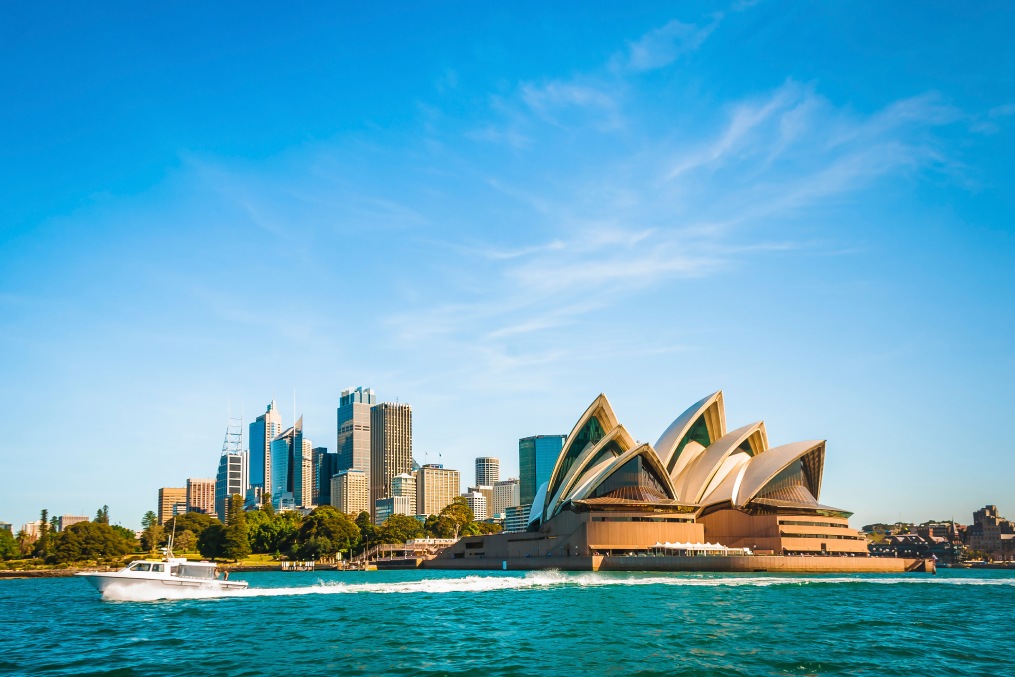
In Sydney, the Sydney Opera House and the Sydney Harbour Bridge are must-see landmarks. You can take a guided tour of the opera house or even brave the bridge climb for unparalleled views. Further afield, the Great Barrier Reef off the coast of Queensland is a natural wonder of the world, offering unparalleled snorkeling and diving opportunities.
Melbourne, often considered Australia‘s cultural capital, is renowned for its laneway cafes, vibrant arts scene, and sporting events. Visitors can explore street art, enjoy world-class dining, and experience the thrill of a Formula 1 Grand Prix if they time their visit right.
Beyond the major cities, Australia‘s natural landscapes are breathtaking. The Great Ocean Road offers spectacular coastal scenery, while the Daintree Rainforest in Queensland is the oldest tropical rainforest on Earth. For a truly unique experience, a trip to the Red Centre to see Uluru (formerly Ayers Rock) at sunrise or sunset is unforgettable.
Lifestyle and Travel Choices
The long journey also influences the kind of lifestyle travel one might choose. Due to the significant travel time and cost, a trip from California to Australia is often not a short weekend getaway. It’s typically undertaken as a more substantial vacation, encouraging longer stays to make the most of the journey. This can lend itself well to luxury travel experiences, where travelers might indulge in upscale resorts and fine dining to enhance their extended stay.
Conversely, budget travelers might plan a longer itinerary, perhaps staying in hostels or budget hotels for several weeks, to explore multiple regions and soak in the Australian lifestyle without the pressure of a tight schedule. Family trips often benefit from this extended duration, allowing for a more relaxed pace and ample time for activities that cater to all ages. Business travelers might opt for efficient, well-located accommodations to maximize their productivity while minimizing travel-related stress.
Ultimately, the distance from Australia to California is a testament to the size of our planet and the incredible diversity of experiences it holds. While the miles are many, the journey opens the door to a world of adventure, culture, and natural beauty that makes every hour spent traveling a worthwhile investment.
LifeOutOfTheBox is a participant in the Amazon Services LLC Associates Program, an affiliate advertising program designed to provide a means for sites to earn advertising fees by advertising and linking to Amazon.com. Amazon, the Amazon logo, AmazonSupply, and the AmazonSupply logo are trademarks of Amazon.com, Inc. or its affiliates. As an Amazon Associate we earn affiliate commissions from qualifying purchases.