
The vibrant heart of Louisiana beats with a rhythm distinct in each of its major cities. While New Orleans captivates with its jazz-infused streets and historic charm, Baton Rouge offers a different, yet equally compelling, experience. For travelers planning a journey through the Pelican State, understanding the distance and the journey between these two significant locales is crucial for crafting an itinerary that maximizes exploration and enjoyment. This guide delves into the specifics of travel between Baton Rouge and New Orleans, exploring the routes, travel times, and the rich tapestry of attractions that lie along the way, ensuring your trip is as seamless as it is memorable.

The Direct Route: Distance and Driving Time
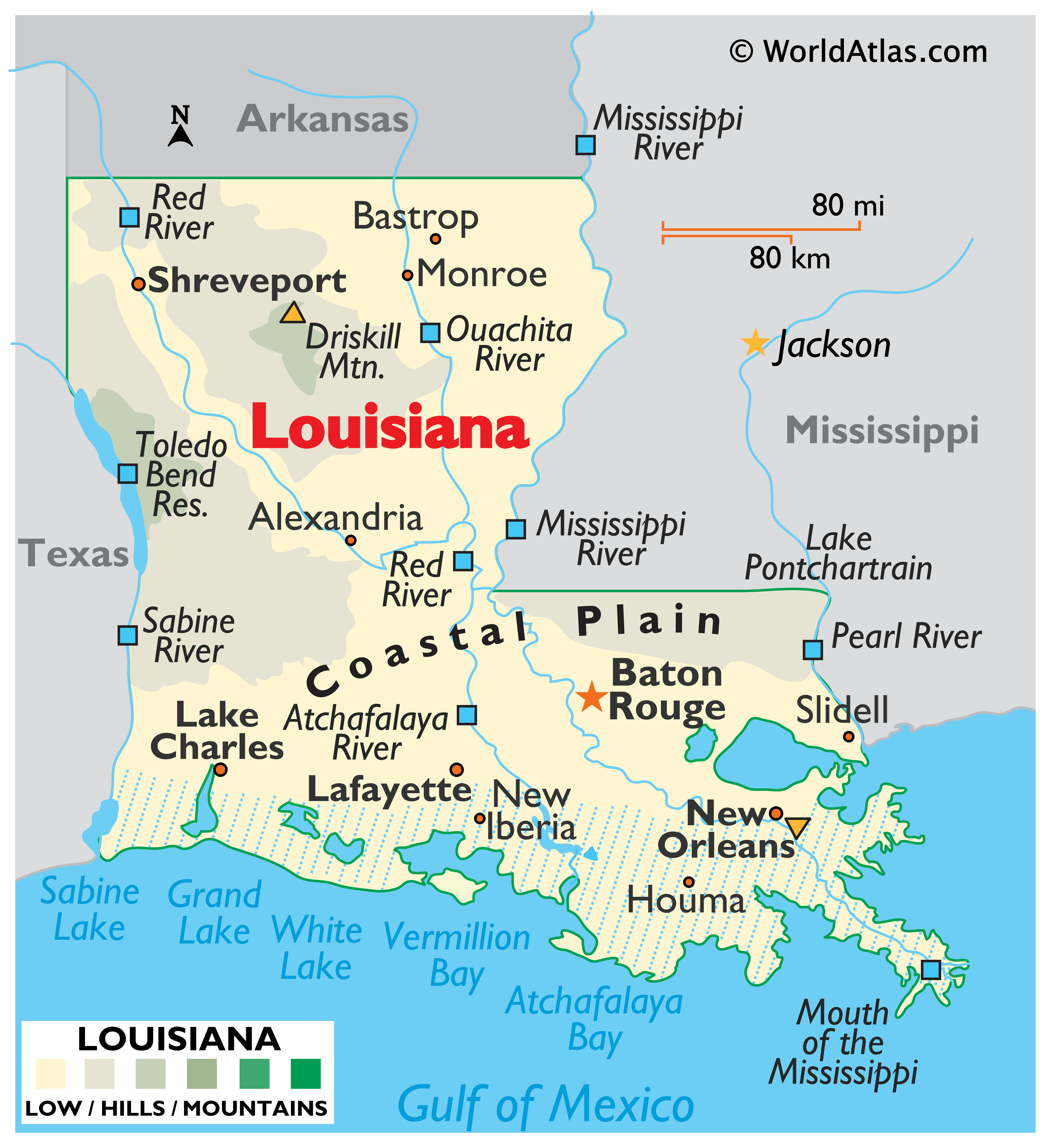
The most common and direct way to travel between Baton Rouge and New Orleans is by car. The distance is surprisingly manageable, making it an easy day trip or a logical next stop on a broader Louisiana adventure.
Understanding the Mileage
The approximate driving distance between Baton Rouge and New Orleans is around 80 to 90 miles, depending on the specific starting and ending points within each city and the chosen route. This relatively short distance belies the vastly different characters of these two iconic Louisiana destinations. Baton Rouge, the state capital, exudes a sense of history and governmental significance, while New Orleans is world-renowned for its unique cultural fusion, culinary delights, and lively music scene.
Navigating the Highways
The primary route connecting these two cities is Interstate 10 (I-10), a major transcontinental highway that stretches across the southern United States. For much of the journey, I-10 offers a straightforward and well-maintained path. Travelers will typically depart Baton Rouge heading east on I-10, which will then lead them directly towards New Orleans.
The drive along I-10 is generally scenic, passing through diverse Louisiana landscapes. You’ll encounter stretches of bayous, dense forests, and rural communities, offering glimpses into the state’s natural beauty and everyday life. While the highway is efficient, it’s important to be aware of potential traffic, especially during peak commuting hours or around holidays. New Orleans, being a major metropolitan area, can experience congestion, particularly as you approach the city limits.
Estimated Travel Time
Under normal driving conditions, the journey from Baton Rouge to New Orleans by car typically takes between 1 hour and 30 minutes to 2 hours. This estimate can fluctuate based on several factors:
- Traffic: As mentioned, traffic in and around New Orleans can significantly impact travel time. Weekend afternoons, Friday evenings, and the hours surrounding major events or festivals are particularly prone to delays.
- Road Conditions: While generally well-maintained, occasional road construction or unforeseen incidents can cause slowdowns. It’s always advisable to check real-time traffic updates before you depart.
- Time of Day: Traveling during off-peak hours, such as early morning or late at night, will generally result in a quicker journey.
- Vehicle Type: For standard passenger vehicles, the estimated times hold true. Larger vehicles or those towing may experience slightly longer travel times due to speed restrictions or maneuvering challenges.
For those who prefer not to drive themselves, ride-sharing services and private car hires are also options, though they will likely follow similar routes and be subject to the same traffic conditions.
Beyond the Drive: Exploring the Journey
While driving I-10 is the most direct route, the journey between Baton Rouge and New Orleans offers opportunities for enriching stops and unique experiences that can transform a simple transit into an adventure. The region is steeped in history, culture, and natural beauty, providing ample reasons to slow down and explore.
Uncovering Hidden Gems Along the Way
Several towns and attractions lie within a reasonable detour of I-10, offering a taste of authentic Louisiana life and history.
-
Plantations: The stretch of Louisiana along the Mississippi River, often referred to as the “German Coast,” is dotted with magnificent historic plantations. While many are closer to New Orleans, some are accessible with a slight deviation from I-10. Visiting a plantation like the Oak Alley Plantation or the Laura Plantation (though these are a bit further south of a direct drive) can provide profound insights into the region’s complex past, its architecture, and the lives of those who lived and worked there. These historic estates offer guided tours, allowing visitors to step back in time and appreciate the grandeur and the poignant stories embedded within their walls.
-
Cajun Country: For a more immersive cultural experience, consider a detour into the heart of Cajun Country. Towns like Lafayette (though this would be a more significant detour west of Baton Rouge before heading east to New Orleans, it showcases a different facet of Louisiana) are known for their vibrant Cajun culture, including lively music, delicious regional cuisine, and unique traditions. While not directly on the I-10 route between Baton Rouge and New Orleans, the spirit of Cajun culture permeates much of the state and can be sampled in smaller communities if you venture slightly off the beaten path.
-
Swamp Tours: Louisiana is synonymous with its unique wetland ecosystems. While many popular swamp tours are found closer to New Orleans, the journey itself can offer opportunities to experience the bayous. Keep an eye out for smaller, local operators who might offer tours of the swamps and waterways accessible from routes branching off I-10. These tours provide a glimpse into the fascinating flora and fauna of the region, including alligators, unique bird species, and the distinctive cypress trees draped in Spanish moss.
Culinary Delights: A Taste of Louisiana
The culinary landscape of Louisiana is as diverse as its culture, and the drive between Baton Rouge and New Orleans is an excellent opportunity to sample some of its most famous flavors.
-
Baton Rouge Eats: Before you depart Baton Rouge, consider enjoying a meal at one of its many acclaimed restaurants. From upscale dining to casual joints serving classic Louisiana fare, the capital city offers a wide range of culinary experiences.
-
Roadside Flavors: As you travel along I-10, be on the lookout for roadside diners and local eateries that serve up authentic Louisiana dishes. Look for signs advertising crawfish boils, gumbo, jambalaya, or po’boys. These local establishments often provide the most genuine and delicious taste of the region. Many small towns along the route will have hidden gems that offer incredible seafood and Cajun specialties.
-
New Orleans Arrival: Upon arriving in New Orleans, you’ll be greeted by a culinary scene that is globally recognized. From the historic French Quarter to the trendy Garden District, the city is a food lover’s paradise. Whether you crave beignets at the Café Du Monde, a classic muffuletta from Central Grocery, or a fine dining experience at Commander’s Palace, New Orleans promises an unforgettable gastronomic journey.
Planning Your Trip: Accommodation and Activities
Whether you’re staying in Baton Rouge before heading to New Orleans, or vice versa, or if you’re planning a trip with a focus on one city with a day trip to the other, understanding the accommodation and activity options is key to a well-rounded travel experience.
Where to Stay: Options in Both Cities
Both Baton Rouge and New Orleans offer a vast array of accommodation choices to suit every budget and travel style.
-
Baton Rouge: As the state capital, Baton Rouge boasts a solid selection of hotels, ranging from business-friendly chains to boutique options. For those seeking comfort and convenience, the Renaissance Baton Rouge Hotel offers upscale amenities, while other options like the Drury Plaza Hotel Baton Rouge provide reliable service and good value. Extended-stay options are also available for those planning a longer visit. The city also offers vacation rentals for a more home-like experience.
-
New Orleans: The accommodation landscape in New Orleans is legendary. In the heart of the action, you’ll find historic hotels in the French Quarter like the Hotel Monteleone with its iconic Carousel Bar, or the charming Bourbon Orleans Hotel. For a more luxurious escape, the Ritz-Carlton New Orleans provides unparalleled elegance. Beyond the French Quarter, neighborhoods like the Garden District offer beautiful historic inns and boutique hotels. New Orleans also excels in apartment and villa rentals, providing flexibility for families or groups. For those interested in resorts, options with spa facilities and pools can be found on the outskirts of the city or along the coast.
Must-See Attractions and Experiences
Both cities are rich in attractions, catering to diverse interests.
-
Baton Rouge Highlights:
- Old Louisiana State Capitol: A stunning Gothic Revival building that now serves as a museum of political history.
- Louisiana State Capitol: The tallest state capitol building in the United States, offering panoramic views from its observation deck.
- USS Kidd Veterans Museum: A World War II destroyer escort docked on the Mississippi River.
- LSU Rural Life Museum: Showcasing the traditions and tools of 19th-century Louisiana rural life.
- Magnolia Mound Plantation: A beautifully preserved plantation home offering a glimpse into antebellum Louisiana.
-
New Orleans Highlights:
- French Quarter: The historic heart of New Orleans, famous for its architecture, street performers, and vibrant nightlife.
- Bourbon Street: An iconic street known for its lively bars and jazz clubs.
- Jackson Square: A historic park and central gathering place, often featuring artists and street musicians.
- St. Louis Cathedral: The oldest continuously active Roman Catholic cathedral in the United States.
- Garden District: Known for its stunning Victorian mansions and tree-lined streets.
- Audubon Aquarium of the Americas & Audubon Zoo: World-class facilities offering incredible wildlife encounters.
- Live Music Venues: From the legendary Preservation Hall to countless clubs on Frenchmen Street, New Orleans is the undisputed capital of live jazz and blues.
Travel Styles: Tailoring Your Louisiana Experience
The choice between Baton Rouge and New Orleans, or a combination of both, can be tailored to various lifestyle preferences.
-
Luxury Travel: For those seeking opulence, New Orleans offers high-end hotels, fine dining experiences, and exclusive tours. In Baton Rouge, luxury can be found in its boutique hotels and gourmet restaurants.
-
Budget Travel: Both cities offer budget-friendly accommodation and dining options. Hostels, affordable motels, and local eateries serving classic Louisiana dishes can be found in both Baton Rouge and New Orleans, allowing for a rich experience without breaking the bank. Exploring free attractions like parks and walking through historic neighborhoods can also be part of a budget-conscious itinerary.
-
Family Trips: New Orleans provides family-friendly attractions like the Audubon Zoo and the Aquarium, along with streetcar rides and opportunities to enjoy the lively atmosphere. Baton Rouge offers family-friendly museums and historical sites, providing educational and engaging experiences for all ages.
-
Business Stays: Baton Rouge, as the state capital, is well-equipped for business travelers with numerous hotels offering business amenities and convenient locations. New Orleans also caters to business travelers, particularly those attending conventions or events at the Ernest N. Morial Convention Center.
In conclusion, the distance between Baton Rouge and New Orleans is a mere suggestion of the diverse experiences that await. Whether you’re drawn by the allure of historic plantations, the promise of culinary adventures, or the vibrant pulse of Louisiana culture, planning your journey between these two captivating cities will undoubtedly lead to an unforgettable exploration of the Pelican State.