
Embarking on a journey through the storied landscapes of the United States often brings travelers to two of its most historically rich and culturally vibrant cities: Boston, Massachusetts, and Philadelphia, Pennsylvania. These two iconic destinations, deeply intertwined with the birth of the American nation, offer a captivating blend of historical landmarks, modern attractions, diverse culinary scenes, and distinct urban characters. For those contemplating a visit to both, a natural first question arises: how far apart are they, and what’s the best way to bridge the distance?
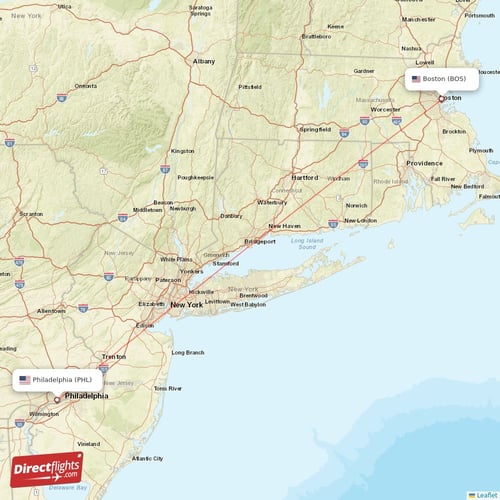
Separated by a significant yet manageable stretch of the Northeast corridor, Boston and Philadelphia are approximately 315 miles (507 kilometers) apart by road. This distance translates to a travel time of roughly 5 to 6 hours by car, making a day trip feasible for some, but more often prompting a multi-day itinerary to truly savor what each city has to offer. Whether you’re a history buff eager to walk the same streets as the Founding Fathers, a food enthusiast seeking regional delicacies, or a traveler looking for a quintessential North American urban experience, understanding the journey between these two giants is the first step in crafting an unforgettable adventure.
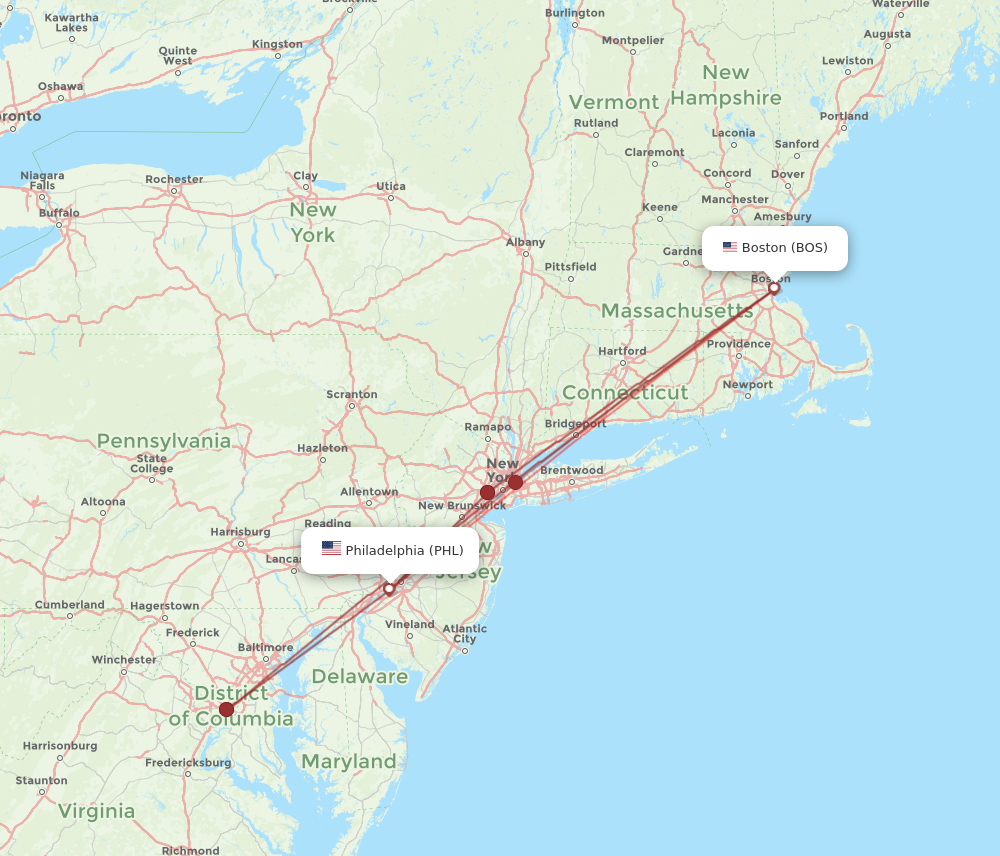
This article serves as your comprehensive guide to navigating the distance between Boston and Philadelphia, detailing the various transportation options, delving into the must-see attractions and local flavors of each city, and offering practical advice on accommodation and travel planning to ensure a seamless and enriching experience.
Bridging the Distance: Getting from Philadelphia to Boston
The route between Philadelphia and Boston is a well-traveled corridor, offering a variety of transportation choices to suit different budgets, time constraints, and preferences. Each mode of transport presents a unique aspect of the journey, contributing to the overall travel experience.
By Car: The Classic American Road Trip
Driving is arguably the most popular and flexible way to travel between Philadelphia and Boston. The primary route involves taking I-95 North, a major interstate highway that connects many of the East Coast’s largest cities. While the 5-6 hour drive can be completed in a single stretch, many travelers opt to break up the journey, perhaps with a stop in New York City or one of the charming towns in Connecticut or Rhode Island.
Advantages:
- Flexibility: A car allows you to set your own schedule, make spontaneous stops, and explore off-the-beaten-path attractions that might be inaccessible by public transport. This is ideal for those who enjoy a true road trip lifestyle, valuing the journey as much as the destination.
- Luggage: You can carry as much luggage as your car allows, which is a significant plus for longer trips or family vacations.
- Scenic Potential: While I-95 North itself isn’t known for breathtaking scenery, detours can lead to picturesque coastal towns or historical sites.
Considerations:
- Traffic: The Northeast corridor is notorious for heavy traffic, especially during peak hours, weekends, and holidays. Factor in extra travel time.
- Tolls: Expect to encounter numerous tolls along I-95 North through New Jersey, New York, Connecticut, and Massachusetts. Consider an E-ZPass for convenience.
- Parking: Parking in both Boston and Philadelphia can be expensive and challenging, especially in central areas. Research hotel parking options or public garages in advance.
- Car Rental: If you’re not driving your own vehicle, consider car rental options, comparing prices and pickup/drop-off locations.
By Train: Scenic Routes and City-Center Convenience
Train travel between Philadelphia and Boston offers a comfortable and often scenic alternative to driving, removing the stresses of traffic and navigation. Amtrak operates frequent services along the Northeast Corridor.
Options:
- Acela Express: This high-speed service is the fastest option, completing the journey in approximately 3 to 4 hours. It offers premium seating, Wi-Fi, and a more luxurious travel experience, making it a popular choice for business travelers or those prioritizing speed and comfort.
- Northeast Regional: A more economical option, the Northeast Regional train takes about 6 to 7 hours. While slower, it still provides comfortable seating, a café car, and the opportunity to relax and enjoy the changing landscapes.
Stations:
- In Philadelphia, trains depart from the historic 30th Street Station, a grand architectural landmark itself.
- In Boston, arrivals and departures are primarily from South Station, centrally located and well-connected to public transportation.
Advantages:
- Comfort: Trains offer more space than cars or buses, with the ability to walk around, dine, and work.
- Convenience: Stations are typically located in city centers, offering easy access to hotels and attractions via local public transport.
- Productivity/Relaxation: Use the travel time to work, read, or simply enjoy the views without the demands of driving.
By Bus: Budget-Friendly and Flexible
For the budget-conscious traveler, bus services provide the most economical way to travel between Philadelphia and Boston. Several reputable companies operate on this route.
Operators:
- Greyhound: A well-established national carrier, offering numerous daily departures.
- Megabus: Known for its competitive pricing, especially when booking in advance.
- Peter Pan Bus Lines: A regional favorite, often offering direct routes.
Journey Details:
- The bus journey typically takes around 6 to 8 hours, depending on traffic and the number of stops.
- Most modern buses offer amenities like Wi-Fi, power outlets, and reclining seats, making the long journey more comfortable.
Advantages:
- Affordability: Bus tickets are generally the cheapest option, especially when booked well in advance.
- Frequency: Many daily departures provide flexibility in scheduling.
- Accessibility: Bus stations are often centrally located in both cities, though they might not be as grand as train stations.
By Air: The Fastest Link
While Boston and Philadelphia are relatively close by East Coast standards, flying is still the quickest option for covering the distance.
Airports:
- Philadelphia International Airport (PHL): Serves Philadelphia and the surrounding region.
- Boston Logan International Airport (BOS): Serves Boston and New England.
Flight Details:
- Direct flights typically take around 1 to 1.5 hours.
- Several major airlines offer frequent service, including American Airlines, Delta, and JetBlue.
Considerations:
- Total Travel Time: While the flight itself is short, remember to factor in time for getting to and from airports, security checks, and potential delays. This can easily add 3-4 hours to your total travel time, making it comparable to, or sometimes longer than, the Acela Express.
- Cost: Airfare can vary significantly, often being more expensive than bus or train tickets, especially for last-minute bookings.
- Environmental Impact: For environmentally conscious travelers, trains and buses offer a lower carbon footprint compared to flying.
Exploring the Hub: A Deep Dive into Boston
Boston, often called “The Hub,” is a city where history breathes on every cobblestone street, seamlessly blending its revolutionary past with a vibrant, modern present. As a premier travel destination, it offers an incredible array of attractions for every type of traveler, from history buffs and sports fans to art lovers and foodies.
Iconic Landmarks and Historical Trails
No visit to Boston is complete without walking the Freedom Trail, a 2.5-mile red-lined path that leads you through 16 historically significant sites. This self-guided or guided walking tour offers an immersive experience into the heart of the American Revolution. Key stops include:
- Boston Common: The oldest park in the United States, a vibrant green space perfect for relaxation.
- Massachusetts State House: An architectural marvel with its distinctive golden dome.
- Old North Church: Famous for the “one if by land, two if by sea” signal.
- Paul Revere House: The oldest house in downtown Boston, offering a glimpse into colonial life.
- Faneuil Hall Marketplace: A historic market and meeting hall, now bustling with shops, restaurants, and street performers, a true tourism hotspot.
Beyond the Freedom Trail, Boston boasts other cultural gems:
- Museum of Fine Arts and Isabella Stewart Gardner Museum: World-class institutions for art enthusiasts.
- New England Aquarium: A fantastic attraction for families, showcasing diverse marine life.
- Fenway Park: A must-visit for sports fans, home to the Boston Red Sox, offering tours and game-day excitement.
- Beacon Hill: Wander through this picturesque neighborhood with its gas lamps, brick sidewalks, and elegant federal-style rowhouses.
- Boston Public Garden: Take a ride on a famous swan boat in this beautifully landscaped garden.
Culinary Delights and Vibrant Neighborhoods
Boston’s culinary scene is as rich as its history, particularly known for its fresh seafood. Don’t leave without savoring:
- New England Clam Chowder: Creamy, hearty, and utterly delicious.
- Lobster Roll: A quintessential New England treat, served hot or cold.
- Boston Cream Pie: The official state dessert, a delightful custard-filled cake.
Explore diverse neighborhoods like the North End, Boston’s oldest residential community and a haven for Italian cuisine, or the Seaport District, a rapidly developing area brimming with modern restaurants, bars, and hotels, reflecting a dynamic urban lifestyle.
Where to Stay in Boston: Accommodation Options
Boston offers a wide range of accommodation options to fit every lifestyle and budget, from luxurious resorts to charming boutique hotels and practical apartments.
- Luxury Hotels: For a lavish experience, consider the Four Seasons Hotel Boston overlooking the Boston Public Garden, or the Mandarin Oriental Boston in the chic Back Bay neighborhood. These properties offer world-class amenities, exquisite dining, and unparalleled service, catering to travelers seeking an indulgent stay.
- Mid-Range Hotels: Excellent options like the Hyatt Regency Boston in the Theater District or the historic Omni Parker House (home of the original Boston Cream Pie) offer comfort, convenience, and a touch of local character without breaking the bank.
- Budget-Friendly Stays: Hostels provide social and economical lodging for backpackers and solo travelers. Additionally, platforms like Airbnb offer a wide array of apartments and private rooms, which can be a great option for longer stays, families, or those looking for a more local accommodation experience.
- Neighborhoods for Accommodation:
- Back Bay: Upscale, elegant, close to shopping and dining.
- Seaport District: Modern, waterfront, popular for business and trendy dining.
- Downtown: Central, close to major attractions and public transport.
- Cambridge: Across the Charles River, home to Harvard University and MIT, offering a more academic and eclectic vibe.
Discovering the City of Brotherly Love: Philadelphia’s Charms
Just a few hours south, Philadelphia beckons with its own distinctive allure. The “City of Brotherly Love” is not just a repository of American history but a dynamic metropolis celebrated for its vibrant arts scene, diverse neighborhoods, and famously delicious street food.
Historic Sites and Cultural Treasures
Philadelphia’s role in American history is monumental, making its historical landmarks compelling and a prime draw for tourism.
- Independence National Historical Park: This is the crown jewel, encompassing:
- Independence Hall: Where the Declaration of Independence and the U.S. Constitution were debated and adopted.
- Liberty Bell: An iconic symbol of freedom, its famous crack tells a story of its own.
- National Constitution Center: An interactive museum dedicated to the U.S. Constitution, offering an engaging educational experience.
- Museum of the American Revolution: Provides a comprehensive look at the Revolutionary War through immersive exhibits.
Beyond its foundational history, Philadelphia offers a rich cultural tapestry:
- Philadelphia Museum of Art: Famous not only for its extensive collection but also for the Rocky Steps, where visitors can recreate the iconic scene from the movie Rocky.
- Barnes Foundation: Home to one of the world’s greatest collections of Impressionist, Post-Impressionist, and early Modern paintings.
- Eastern State Penitentiary: A hauntingly beautiful historic prison, offering tours that delve into its dark past and architectural significance.
- Elfreth’s Alley: The oldest continuously inhabited residential street in the United States, a charming glimpse into colonial life.
- Magic Gardens: A vibrant, mosaic-filled art environment created by artist Isaiah Zagar, perfect for unique photos and artistic inspiration.
Gastronomy and Local Experiences
Philadelphia’s food scene is legendary, with its signature dishes beloved nationwide:
- Philly Cheesesteak: A culinary pilgrimage for many, try one from a classic spot like Pat’s King of Steaks or Geno’s Steaks.
- Hoagies: Philadelphia’s version of a submarine sandwich, often filled with Italian meats and cheeses.
- Soft Pretzels: A simple yet addictive snack, often enjoyed with mustard.
- Reading Terminal Market: A foodie paradise, this historic indoor market offers an incredible array of local produce, artisanal goods, and international cuisines. It’s a must-visit for breakfast, lunch, or just to soak in the bustling atmosphere.
Exploring neighborhoods like Old City with its colonial charm, or Rittenhouse Square known for its upscale shops and restaurants, offers a taste of the city’s diverse lifestyle.
Finding Your Perfect Stay in Philadelphia
Philadelphia caters to all types of travelers with a diverse range of accommodation choices, from historic boutique hotels to modern high-rises and cozy apartments.
- Luxury Hotels: Indulge in elegance at The Ritz-Carlton, Philadelphia housed in a magnificent former bank building, or the stylish Sofitel Philadelphia at Rittenhouse Square, known for its French flair and prime location. These resorts and hotels promise top-tier amenities and service for a luxury travel experience.
- Mid-Range Hotels: Options like the Kimpton Hotel Palomar Philadelphia in Rittenhouse Square or the Hilton Philadelphia at Penn’s Landing offer comfortable stays with excellent facilities, often providing great value in prime locations.
- Budget-Friendly Stays: Like Boston, Philadelphia has a selection of hostels, particularly in the Old City and Center City areas, suitable for solo travelers or those on a tight budget. Airbnb also provides numerous options for apartments and rooms, perfect for experiencing local culture or extended stays.
- Neighborhoods for Accommodation:
- Center City: The most central area, ideal for first-time visitors, with easy access to attractions, shopping, and dining.
- Rittenhouse Square: Upscale and vibrant, known for its beautiful park, high-end boutiques, and diverse restaurants.
- Old City: Historic and charming, perfect for those wanting to stay close to the main historical landmarks.
- University City: Lively, with a younger vibe due to its proximity to universities, offering more budget-friendly options and diverse eateries.
Planning Your Journey: Tips for a Seamless Experience
Successfully navigating a trip between Boston and Philadelphia requires a bit of foresight and strategic planning. Here are some essential tips to enhance your travel and accommodation experience.
Best Time to Visit
The Northeast experiences distinct seasons, each offering a different flavor for your trip:
- Spring (April-May): Pleasant temperatures, blooming flowers, and fewer crowds than summer. Ideal for walking tours and enjoying outdoor spaces.
- Summer (June-August): Warmest weather, perfect for outdoor activities, but also peak tourist season, meaning higher prices and larger crowds. Book accommodation and attractions well in advance.
- Fall (September-October): Arguably the most beautiful time, with crisp air and stunning fall foliage, especially if you venture outside the city. This is a popular season, so early booking is recommended.
- Winter (November-March): Cold and often snowy, but cities are adorned with festive decorations. This is the off-season, offering lower prices and fewer tourists, a great option for budget travel, especially around the holidays.
Budgeting and Lifestyle Considerations
Your budget will heavily influence your choices regarding transportation, accommodation, and activities.
- Budget Travel: Buses and hostels are your best friends. Look for free attractions like walking the Freedom Trail or strolling through Rittenhouse Square. Eating at local markets or grabbing street food like a Philly Cheesesteak can keep food costs down.
- Luxury Travel: Opt for Acela Express train tickets or flights for convenience. Stay in luxury hotels or resorts, enjoy fine dining, and consider private tours or exclusive experiences.
- Family Trips: Trains or cars often work best for families due to luggage and comfort needs. Look for hotels with family suites or apartments on Airbnb. Plan activities like the New England Aquarium in Boston or the Franklin Institute in Philadelphia.
- Business Stays: Focus on hotels in Center City Philadelphia or the Seaport District Boston that offer amenities like business centers and good Wi-Fi. Fast transport options like Acela Express or flights are ideal.

Making the Most of Both Cities
- Book in Advance: Regardless of the season, booking transportation, accommodation, and popular attractions (especially those with timed entry) well in advance is always a good strategy, particularly for peak travel times.
- Consider City Passes: Tourist passes like CityPASS can offer significant savings if you plan to visit multiple attractions in either city. Research which pass best suits your itinerary.
- Utilize Public Transportation: Both Boston and Philadelphia have excellent public transportation systems. In Boston, the MBTA (or “The T”) offers subway, bus, and commuter rail services. In Philadelphia, SEPTA covers subway, bus, trolley, and regional rail. Using public transport is often more efficient and cost-effective than driving and parking in the city centers.
- Pack Smart: Comfortable walking shoes are a must for both cities, as much of the exploration is done on foot. Layered clothing is also advisable due to varying temperatures, especially between indoor and outdoor activities.
- Stay Hydrated and Energized: Explore the local coffee shops and eateries for quick bites to keep your energy up while touring.
In conclusion, the journey between Boston and Philadelphia is more than just covering 315 miles; it’s an opportunity to experience the diverse tapestry of American history, culture, and modern urban life. With careful planning, the trip can be a highlight of your East Coast adventure, offering rich experiences and lasting memories in two of the nation’s most cherished cities.