
Embarking on a journey from the vibrant lights of Las Vegas, Nevada, to the otherworldly landscapes of Bryce Canyon National Park in southern Utah is a quintessential American road trip. It’s a route that promises a dramatic shift from urban excitement to serene natural beauty, offering an unforgettable experience for any traveler. While the question of “how far” might seem straightforward, the answer unfolds into a narrative of scenic drives, potential detours, and incredible destinations, making the journey as much a part of the adventure as the destination itself.
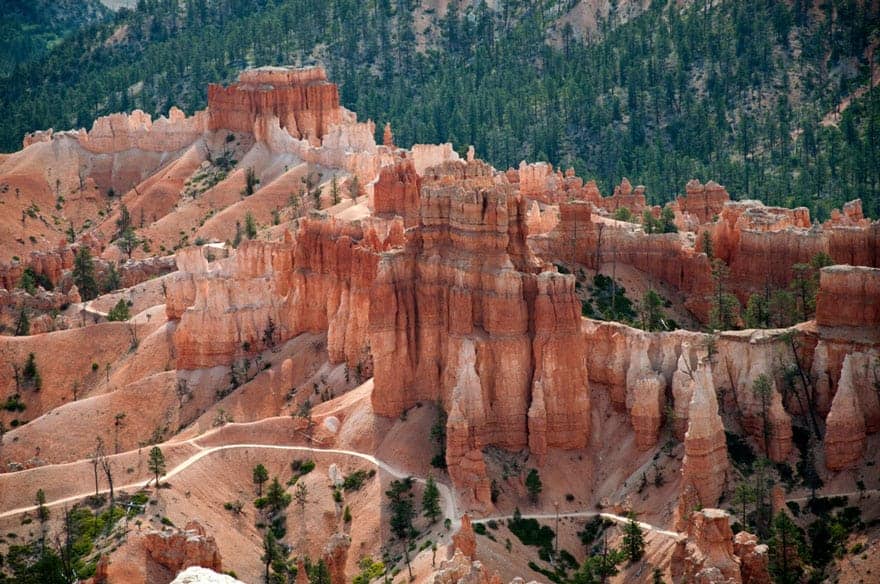
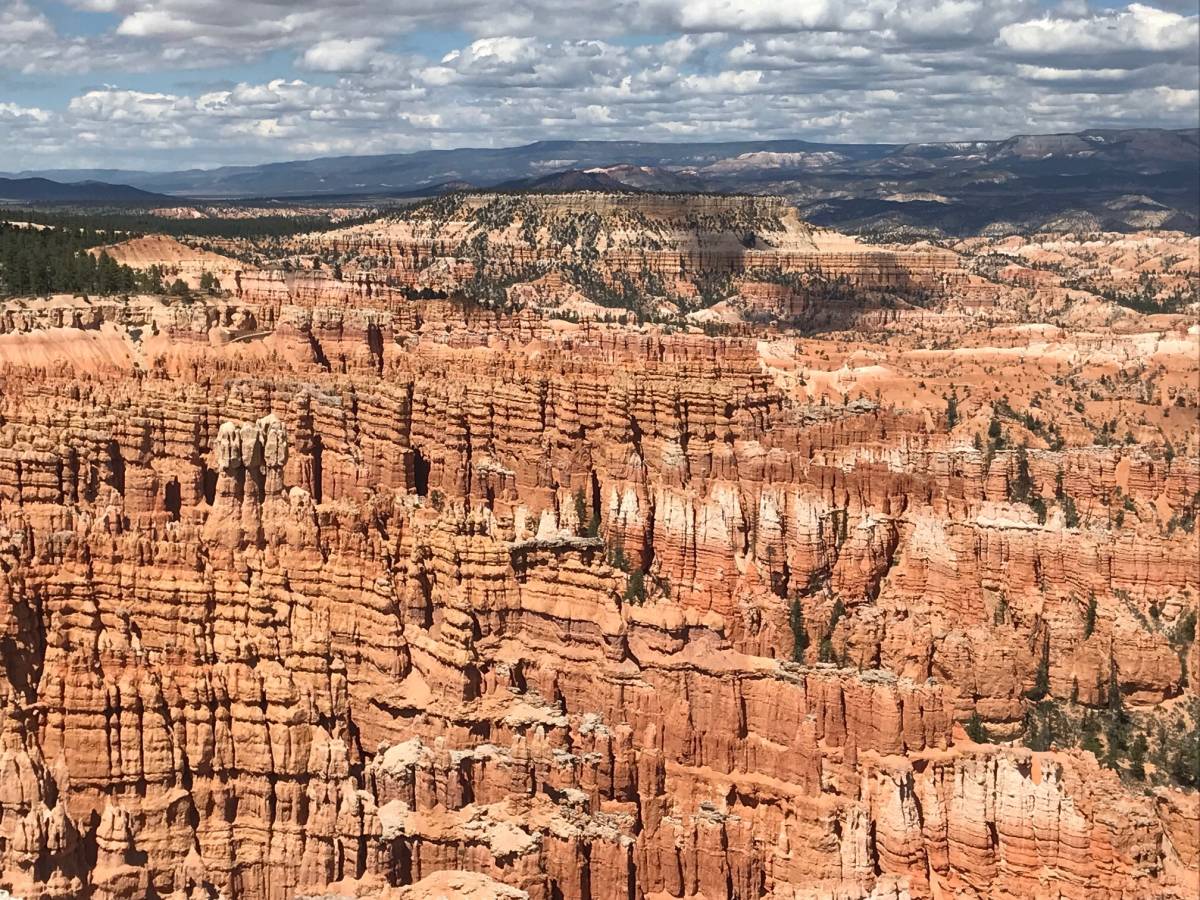
Bryce Canyon is renowned for its unique geological structures called hoodoos, carved by frost-wedging and chemical weathering into amphitheater-like formations. These natural spires, displaying a spectrum of reds, oranges, and whites, create a truly mesmerizing tableau, especially during sunrise and sunset. Its appeal extends beyond just breathtaking vistas; it’s a hub for hiking, stargazing, and discovering the pristine wilderness of the American Southwest.
This article delves into the distance and travel time from Las Vegas to Bryce Canyon, explores the best routes, suggests captivating stops along the way, and provides comprehensive advice to help you plan an extraordinary trip. Whether you’re seeking a quick escape or an extended adventure, understanding the logistics and maximizing the experience is key to a truly fulfilling travel itinerary.
The Scenic Drive: Distance, Time, and Routes
The drive from Las Vegas to Bryce Canyon National Park is more than just covering miles; it’s an immersive journey through diverse landscapes. The distance and duration largely depend on the chosen route and how many enchanting stops you decide to make.
Direct Route via I-15 North
The most direct and commonly used route takes you primarily along Interstate 15 North.
- Distance: Approximately 260 to 270 miles (418 to 435 kilometers).
- Driving Time: Roughly 4 to 4.5 hours without significant stops or traffic.
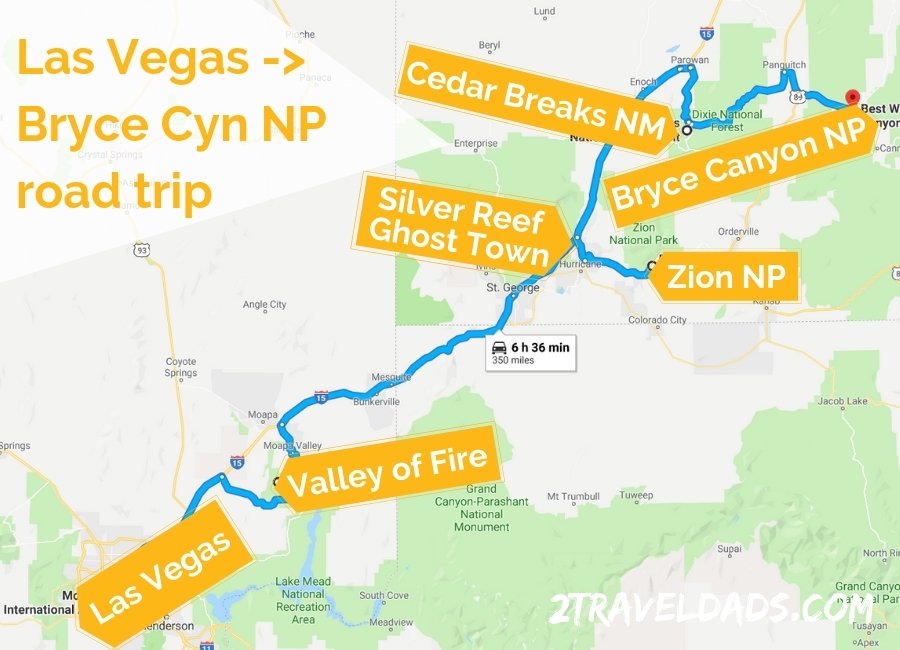
This route begins in Las Vegas, heading north on Interstate 15 across the Nevada border into Utah. The drive is straightforward, primarily highway driving, offering relatively smooth sailing. As you cross into Utah, you’ll pass through the city of St. George, a convenient spot for a quick break, gas, or a meal. From St. George, you’ll continue on Interstate 15 until you reach Exit 95 (for UT-20 East), which will then connect you to US-89 South, leading directly to the entrance of Bryce Canyon National Park. The final stretch on US-89 and UT-12 offers stunning views as you ascend towards the park’s higher elevations.
The Scenic Alternative: Exploring the Byways
For those with more time and a desire to soak in every possible vista, a slightly longer, more scenic route is highly recommended. This option often includes a stop at Zion National Park.
- Distance: Varies, but typically around 300 to 320 miles (480 to 515 kilometers).
- Driving Time: 6 to 8 hours or more, depending on time spent in Zion and other stops.
This route also starts on Interstate 15 North from Las Vegas to St. George. However, instead of continuing on I-15 directly to Bryce, you would exit onto UT-9 East towards Zion National Park. After exploring Zion, you’d take US-89 North from the eastern exit of Zion, then connect to the famous Scenic Byway 12 (UT-12 East) just north of Panguitch. Scenic Byway 12 is often hailed as one of America’s most beautiful drives, winding through forests, canyons, and past the iconic red rock formations leading directly to Bryce Canyon. This route significantly enhances the overall experience, turning the drive itself into an attraction.
Making the Journey: Beyond Just Driving
While a self-driven road trip offers unparalleled flexibility, not everyone prefers to be behind the wheel for the entire journey. There are other considerations, such as guided tours and planning for overnight stays, especially if you’re taking the more scenic route or wish to maximize your time at the parks.
Guided Tours and Shuttles
For those who prefer a hassle-free experience, numerous tour operators in Las Vegas offer guided excursions to Bryce Canyon National Park, often combined with Zion National Park or even the Grand Canyon.
- Benefits: These tours typically include transportation in comfortable coaches, professional guides who provide insightful commentary, and often meals and accommodation. You won’t have to worry about navigation, parking, or entrance fees.
- Considerations: Group tours inherently involve less flexibility in your schedule and stops. They can range from single-day, very long excursions to multi-day trips with overnight stays. Research different operators to find one that aligns with your desired pace and inclusions. Some tours might utilize shuttle services within the parks, especially in areas like Zion Canyon where private vehicle access is restricted during peak seasons.
Planning Your Overnight Stays
Deciding whether to do the trip in a single long day or to break it up with an overnight stay depends on your stamina and interests.
- Day Trip vs. Overnight: While theoretically possible to visit Bryce Canyon as a very long day trip from Las Vegas, it is not recommended due to the extensive driving. A minimum of one night near Bryce Canyon is highly advisable to fully appreciate the park, especially at sunrise or sunset when the hoodoos glow most vibrantly.
- Mid-point Stays: If combining with Zion National Park, consider spending a night in Springdale, the town just outside Zion’s south entrance. This allows for ample time to explore Zion’s trails and overlooks before continuing to Bryce. Alternatively, if you’re driving directly, St. George or Cedar City could serve as comfortable stopovers, offering a range of hotels, dining, and amenities.
Exploring Bryce Canyon National Park
Once you arrive at Bryce Canyon National Park, a world of natural wonder awaits. The park is relatively compact and easily navigable, with a scenic drive that accesses various viewpoints and trailheads along the rim of the amphitheater.
Must-See Vistas and Trails
The park’s main road, Bryce Canyon Scenic Drive, stretches 18 miles (29 km) from the visitor center to Rainbow Point and Yovimpa Point, featuring 13 viewpoints along the way.
- Bryce Amphitheater Viewpoints: These are the most iconic and easily accessible viewpoints.
- Sunrise Point: Offers spectacular views of the main amphitheater, especially as the morning light illuminates the hoodoos.
- Sunset Point: A prime location to watch the setting sun cast long shadows and deep colors across the formations.
- Inspiration Point: Provides a panoramic vista of the “Silent City” and its countless hoodoos.
- Bryce Point: The highest viewpoint on the main amphitheater, offering expansive, sweeping views.
- Popular Hiking Trails:
- Navajo Loop Trail & Queen’s Garden Trail Combination: This popular loop (around 3 miles/4.8 km) descends into the canyon among the hoodoos, offering close-up views of iconic formations like “Thor’s Hammer” and “Queen Victoria.” It’s a moderate hike and one of the best ways to experience the hoodoos up close.
- Rim Trail: A relatively flat trail that follows the rim of the amphitheater, connecting various viewpoints. You can hike sections of it or the full 11-mile (17.7 km) length from Fairyland Point to Bryce Point.
- Fairyland Loop Trail: A more strenuous, longer hike (8 miles/12.9 km) that offers solitude and magnificent views of less-visited hoodoo formations.
Activities for Every Traveler
Beyond hiking, Bryce Canyon National Park offers a variety of activities to suit different interests.
- Stargazing: Bryce Canyon is a designated International Dark Sky Park, boasting some of the darkest skies in North America. Ranger-led astronomy programs and full moon hikes are popular, offering unparalleled views of the Milky Way.
- Ranger Programs: Throughout the day, park rangers lead informative talks, guided walks, and geology lectures, providing deeper insights into the park’s natural and cultural history. Check the visitor center for schedules.
- Horseback Riding: Several outfitters offer guided horseback tours into the canyon, providing a unique perspective of the hoodoos and trails.
- Photography: The ever-changing light on the hoodoos makes Bryce Canyon a photographer’s paradise. Early morning and late afternoon are particularly magical.
- Winter Activities: In winter, the red hoodoos capped with white snow create an even more stunning scene. Cross-country skiing and snowshoeing are popular activities, with trails available on the Rim Trail and along the park roads when closed to vehicles.
Extending Your Adventure: Nearby Attractions
The region surrounding Bryce Canyon and the route from Las Vegas is rich with other natural wonders and charming towns, making it ideal for a multi-day itinerary.
A Stop in Zion National Park
Located just 1.5 to 2 hours west of Bryce Canyon, Zion National Park is often combined with a visit to Bryce. Its dramatic canyons, towering sandstone cliffs, and the Virgin River flowing through the Zion Canyon floor offer a different, yet equally spectacular, geological experience.
- Must-Do Activities:
- Scenic Drive: The Zion Canyon Scenic Drive provides access to the park’s most famous trails and viewpoints. During peak season, this requires using the park’s free shuttle system.
- Emerald Pools Trail: A popular hike featuring hanging gardens and waterfalls.
- Riverside Walk: An easy paved trail leading to the mouth of The Narrows, where canyoneering adventures begin.
- Angels Landing: A world-renowned, strenuous hike requiring permits, offering breathtaking views from its summit.
- Observation Point Trail: Offers perhaps the most iconic panoramic view of Zion Canyon.
Spending a full day or two in Zion before heading to Bryce allows for a more comprehensive exploration of both parks.
Discovering St. George
Located approximately 2 hours from Bryce Canyon and 1.5 hours from Las Vegas, St. George is a vibrant city in southwestern Utah that serves as a perfect stopover.
- Attractions: St. George boasts the historic St. George Utah Temple, numerous golf courses, and easy access to hiking and mountain biking trails in nearby Snow Canyon State Park and the Dixie National Forest. It offers a wide range of accommodation, dining, and shopping options, making it a comfortable base before or after your national park adventures.
Other notable stops that could extend your journey include Valley of Fire State Park (closer to Las Vegas), or further along Scenic Byway 12, Grand Staircase-Escalante National Monument for even more remote and rugged beauty.
Accommodations and Lifestyle: Where to Stay
Choosing the right accommodation can significantly enhance your trip, whether you prefer to be steps away from the park entrance or enjoy the amenities of a larger city.
Staying Near Bryce Canyon
For the best experience of Bryce Canyon National Park’s sunrise and sunset, staying as close as possible is ideal.
- Inside the Park: The Lodge at Bryce Canyon is the only lodging option directly within the park, offering cabins and motel rooms. Booking far in advance is essential due to high demand.
- Just Outside the Park: The small community of Bryce Canyon City (formerly Ruby’s Inn) is located just minutes from the park entrance. Here, you’ll find a range of hotels, including Best Western Plus Ruby’s Inn and Best Western Plus Bryce Canyon Grand Hotel, as well as restaurants, gas stations, and a general store.
- Nearby Towns: The towns of Tropic (about 10 miles/16 km east) and Panguitch (about 25 miles/40 km west) offer additional lodging choices, often at more competitive prices, alongside local eateries and a glimpse into rural Utah life.
Las Vegas: Your Gateway City
Las Vegas serves as an excellent starting and ending point for your Bryce Canyon adventure. The city offers an unparalleled array of hotels, from luxury resorts on the Las Vegas Strip to budget-friendly options downtown.
- Pre- and Post-Trip Stays: Many travelers opt to spend a night or two in Las Vegas before heading out to the parks, allowing them to adjust after travel and enjoy the city’s unique entertainment, dining, and resort amenities. Similarly, a stay after returning from the parks can provide a relaxing transition back to urban life or onward travel.
- Lifestyle Choices: Whether your travel lifestyle leans towards luxury accommodations, family-friendly resorts, or budget-conscious stays, Las Vegas has options to suit every preference. Consider properties with excellent amenities like spas, pools, and diverse dining to unwind after your outdoor adventures.
In conclusion, the journey from Las Vegas to Bryce Canyon National Park is far more than a simple drive. It’s an opportunity to immerse yourself in some of America’s most stunning natural landscapes, explore fascinating geological formations, and create lasting memories. By planning your route, considering overnight stays, and embracing the scenic beauty of the Southwest, you can transform a simple question of distance into an epic travel adventure.