
The question “How far is California to Arizona?” might seem straightforward, but its answer unfolds into a fascinating exploration of diverse landscapes, vibrant cultures, and countless travel possibilities. These two southwestern powerhouses share a substantial border, making cross-state travel a popular endeavor for tourists, business travelers, and residents alike. From the golden beaches and bustling metropolises of California to the awe-inspiring deserts and majestic canyons of Arizona, the journey between them is often as rewarding as the destinations themselves. This article delves into the various distances, travel methods, and essential tips for navigating the path between these iconic states, offering a comprehensive guide for your next adventure.
The Geographic Proximity: Understanding the Distance
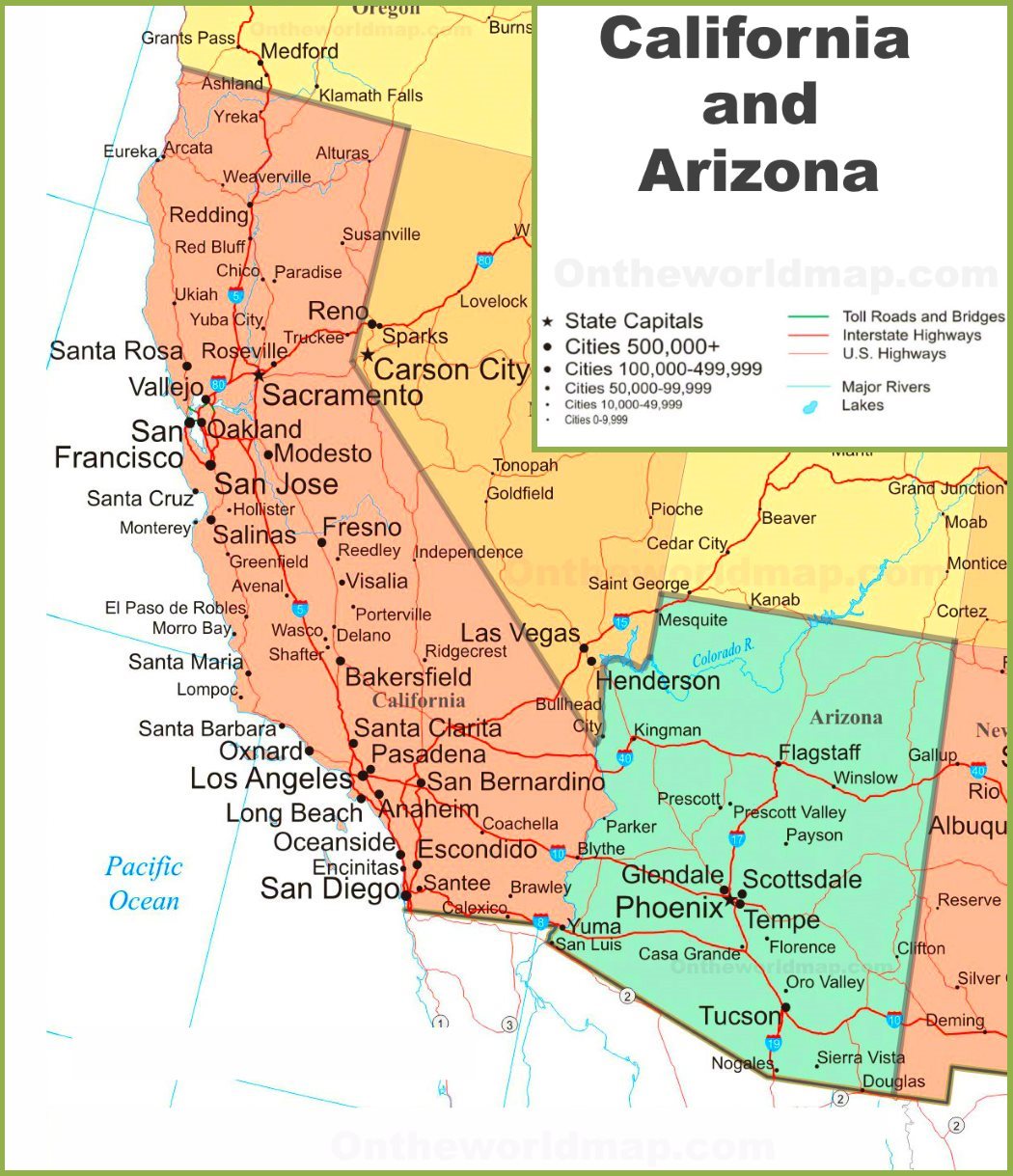
While California and Arizona are neighboring states, the exact distance can vary significantly depending on your starting point and final destination. The shared border stretches for hundreds of miles, presenting multiple entry and exit points. Understanding these geographical nuances is key to planning an efficient and enjoyable trip.
Straight-Line vs. Driving Distance
In a straight line, the closest points between California and Arizona are along their shared border, which is defined in large part by the mighty Colorado River. For instance, the distance between cities directly across the border, such as Blythe, California, and Ehrenberg, Arizona, is negligible. However, when we talk about practical travel, we refer to driving distances between major population centers.
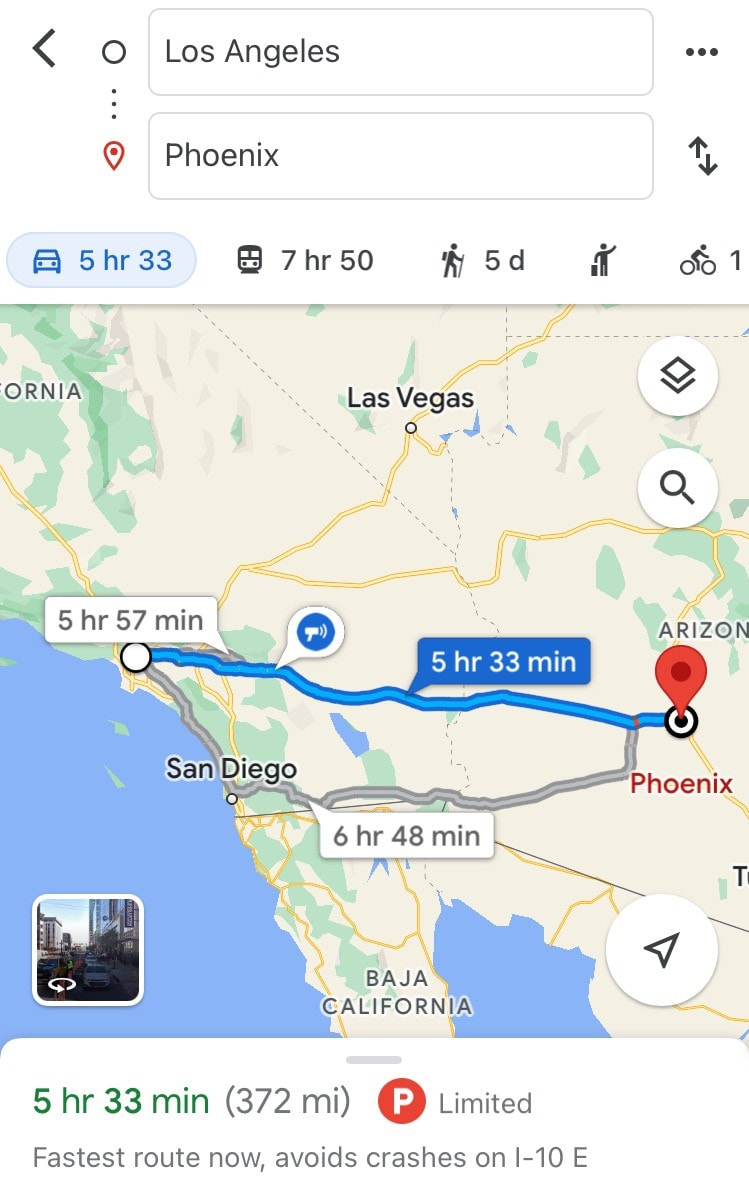
Typically, the most common routes link Southern California cities to those in Central or Southern Arizona. For example, the drive from Los Angeles, California, to Phoenix, Arizona, covers approximately 370-400 miles, depending on the specific route taken. This journey usually takes about 5.5 to 7 hours without significant stops or traffic. From San Diego, California, to Phoenix, the distance is slightly less, around 350 miles, with a typical driving time of 5 to 6 hours. If your destination in Arizona is further north, such as Flagstaff or the Grand Canyon National Park, the journey from California will naturally be longer, potentially adding another 2-3 hours to the drive.
Key Entry Points and Border Crossings
The primary arteries connecting California and Arizona are robust interstate highways, designed for efficient cross-country travel. The most frequented routes include:
- Interstate 10 (I-10): This major east-west highway is the backbone of travel between Southern California and Central Arizona. It traverses through major areas like Palm Springs and Indio in California before crossing the Colorado River near Blythe and continuing towards Phoenix and Tucson in Arizona. I-10 is often the quickest route for those traveling from Los Angeles and other parts of Southern California to Phoenix.
- Interstate 8 (I-8): For travelers starting in San Diego and heading to Yuma, Arizona, and points south, I-8 is the preferred route. It crosses the border near Winterhaven, California, and Yuma, Arizona, offering a direct path through the desert landscape.
- U.S. Route 95 (US-95): While less direct for major city-to-city travel, US-95 runs parallel to the Colorado River in some northern sections, connecting smaller communities and offering access to areas like Lake Havasu City, Arizona, from more northerly parts of California.
These routes are well-maintained, though they can experience congestion during peak travel times, especially holiday weekends.
Factors Influencing Travel Time
The estimated driving times are just that – estimates. Several factors can significantly impact your actual travel duration:
- Traffic: Urban areas like Los Angeles and Phoenix are notorious for rush hour traffic. Planning your departure and arrival times to avoid these periods can save hours.
- Time of Year: Summer heat in the desert can be intense, potentially affecting vehicle performance and requiring more frequent stops for drivers and passengers to hydrate and rest. Conversely, winter travel might encounter colder temperatures, especially at higher elevations in Arizona.
- Road Conditions: Construction, accidents, or adverse weather (rare but possible in higher elevations) can cause delays. Checking real-time traffic updates before and during your journey is highly recommended.
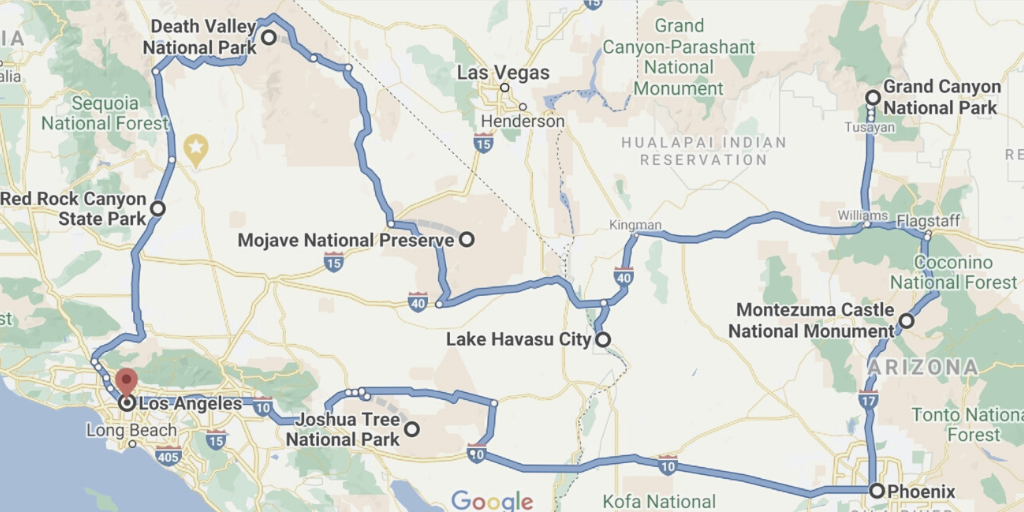
- Rest Stops and Attractions: One of the joys of a road trip is the ability to stop and explore. Whether it’s a quick break for gas and refreshments or a longer stop at a landmark like Joshua Tree National Park or Lake Havasu City, these will add to your overall travel time but enrich your experience.
Embarking on the Journey: A Road Trip Adventure
For many, the appeal of traveling between California and Arizona lies in the classic American road trip. The landscapes morph dramatically, from coastal vibes to sprawling deserts, high mountain plateaus, and stunning red rock formations. A road trip offers the freedom to explore at your own pace, uncover hidden gems, and create unforgettable memories.
Popular Routes and Scenic Drives
The primary routes mentioned earlier (I-10, I-8, and US-95) offer direct and efficient travel, but they also serve as gateways to more scenic detours and attractions.
- The I-10 Corridor: This route takes you through the heart of the Mojave Desert. Beyond the main highway, consider a detour to Joshua Tree National Park, a surreal landscape dotted with its namesake trees and massive rock formations, perfect for hiking and stargazing. Further along, before reaching the Colorado River, you might explore the eerie beauty of the Salton Sea, California’s largest lake. As you cross into Arizona, the landscape transitions, but the desert beauty persists, leading you towards the vibrant urban centers of Phoenix and Scottsdale.
- The I-8 Journey: This southern route from San Diego to Yuma traverses a more arid, yet equally captivating, desert environment. In Yuma, you can delve into history at the Yuma Territorial Prison State Historic Park or enjoy the calm of the Colorado River. From Yuma, you can head north on US-95 to reach Lake Havasu City, famous for its historic London Bridge, relocated stone by stone from England.
- Northern Approaches: While longer, travelers from Northern California might head southeast, potentially incorporating parts of historic Route 66 into their journey towards the Grand Canyon National Park or Sedona. This offers a more diverse travel experience, though it increases driving time significantly.
Must-See Stops Along the Way
Enriching your journey with strategic stops transforms a mere drive into an adventure.
California Side:
- Palm Springs: An oasis in the desert, known for its mid-century modern architecture, luxury resorts, and vibrant arts scene. A perfect first or last stop for relaxation.
- Joshua Tree National Park: A unique ecosystem where the Mojave and Colorado deserts meet, offering incredible hiking, rock climbing, and photography opportunities.
- Salton Sea: A hauntingly beautiful, saline lake, an unexpected natural wonder with a fascinating history.
Arizona Side:
- Yuma Territorial Prison State Historic Park: Step back in time to the Wild West at this historic prison, offering a glimpse into Arizona’s rugged past.
- Lake Havasu City: Home to the iconic London Bridge, this city on the Colorado River is a hub for water sports and outdoor recreation.
- Quartzsite: A tiny desert town that transforms into a bustling hub for RVers, gem and mineral enthusiasts, and swap meet shoppers during the winter months.
- Hoover Dam: Though technically on the border of Arizona and Nevada, it’s an accessible and awe-inspiring marvel of engineering for those traveling near Kingman, Arizona.
Preparing for Your Road Trip
A successful road trip requires preparation, especially when traversing desert environments:
- Vehicle Check: Ensure your vehicle is in top condition. Check tires (including the spare), oil, fluids, and air conditioning.
- Essentials: Pack plenty of water, snacks, a first-aid kit, sun protection (hats, sunscreen), and a car charger for your devices. Cellular service can be spotty in remote areas, so consider downloading offline maps.
- Navigation: While GPS is invaluable, having a physical map as a backup is always a good idea.
- Timing: The desert sun can be unforgiving. Consider driving during cooler morning or late afternoon hours, especially in summer, to avoid the midday heat.
- Accommodation: Pre-book hotels or campsites, especially during peak seasons or if traveling through popular tourist areas.
Beyond the Road: Alternative Travel Options
While driving offers unparalleled flexibility, it’s not the only way to travel between California and Arizona. Depending on your budget, time constraints, and preferences, other modes of transport might be more suitable.
Flying Between States
For speed and convenience, flying is often the best option, especially for longer distances or if you’re short on time. Major airports in California like Los Angeles International Airport (LAX), San Diego International Airport, and San Francisco International Airport offer numerous direct flights to Arizona’s main hubs, primarily Phoenix Sky Harbor International Airport (PHX) and Tucson International Airport.
- Flight Durations: A direct flight from LAX to PHX typically takes just over an hour. From San Diego to Phoenix, it’s similar. Even from San Francisco to Phoenix, flights are generally under two hours.
- Convenience: Flying bypasses traffic and eliminates the need for long drives, making it ideal for business trips or quick getaways. Most major airlines operate on these routes, offering competitive fares.
- Cost: Airfare can vary widely based on booking time, season, and airline. Booking in advance generally yields better prices. Remember to factor in airport transfers and potential rental car costs at your destination.
Bus and Train Travel
For budget-conscious travelers or those who prefer a more relaxed journey without the hassle of driving, bus and train services provide viable alternatives.
- Amtrak: Amtrak offers scenic train routes connecting various cities. The Sunset Limited route connects Los Angeles to Tucson and Phoenix (via a bus connection from Maricopa), offering a comfortable way to see the landscape without being behind the wheel. The Southwest Chief also connects Los Angeles to Flagstaff, which is a gateway to the Grand Canyon National Park. Train travel allows for spacious seating, dining cars, and observation areas, providing a unique travel experience.
- Greyhound: Greyhound provides extensive bus services between virtually all major cities and many smaller towns in both California and Arizona. While often the most economical option, bus journeys are typically longer due to more frequent stops. They offer a no-frills, practical way to travel.
These public transport options allow you to sit back, enjoy the scenery, and avoid the stresses of driving, parking, and navigating.
Experiencing the Best of Both Worlds: Destinations & Accommodation
The journey from California to Arizona is more than just covering distance; it’s about transitioning between two states each brimming with unique attractions, rich history, and diverse accommodation options. Whether your travel style leans towards luxury or budget-friendly, adventure or relaxation, both states have something extraordinary to offer.
California’s Western Charms
California, the Golden State, is synonymous with iconic landmarks, diverse landscapes, and a vibrant lifestyle.
- Cities: Beyond Los Angeles with its Hollywood Walk of Fame and entertainment allure, and San Diego with its stunning beaches and vibrant Gaslamp Quarter, California boasts San Francisco, a city famed for its Golden Gate Bridge, cable cars, and culinary scene. For those staying closer to the Arizona border, Palm Springs offers a desert resort experience with golf, spas, and a chic mid-century vibe.
- Landmarks & Nature: From the magical enchantment of Disneyland Park in Anaheim to the breathtaking wilderness of Yosemite National Park (a bit further north but a quintessential California experience), the state’s attractions are boundless. The scenic Santa Monica Pier provides classic seaside fun, while the dramatic coastline along Highway 1 offers iconic road trip vistas.
- Accommodation: California caters to every accommodation need. You can find ultra-luxury stays like The Beverly Hills Hotel offering unparalleled service and amenities, chic boutique hotels in urban centers, family-friendly resorts near theme parks, or budget-conscious motels along main travel routes. For longer visits, serviced apartments and villas are increasingly popular, offering the comforts of home.
Arizona’s Desert Wonders
Arizona, the Grand Canyon State, presents a contrasting yet equally captivating allure, defined by its dramatic desert landscapes, Native American heritage, and vibrant arts scenes.
- Cities: Phoenix, the state capital, is a sprawling metropolis known for its desert golf courses, world-class spas, and burgeoning culinary scene. Neighboring Scottsdale exudes an upscale charm with luxury shopping, art galleries, and lively nightlife in Old Town Scottsdale. Further south, Tucson offers a laid-back atmosphere with a rich Sonoran Desert culture and historic missions. For spiritual retreats and breathtaking red rock scenery, Sedona is unparalleled, while Flagstaff provides a cooler, alpine environment near the San Francisco Peaks and serves as a gateway to the Grand Canyon National Park.
- Landmarks & Nature: The undisputed jewel is the Grand Canyon National Park, a natural wonder that defies description. Other incredible natural attractions include the Slot Canyons of Antelope Canyon (near Page), the saguaro cacti forests of Saguaro National Park near Tucson, and the unique geological formations and famed Sedona Vortexes in Sedona.
- Accommodation: Arizona excels in resort-style accommodations, particularly in Phoenix and Scottsdale, with properties like The Phoenician, a Luxury Collection Resort, Scottsdale, offering expansive amenities, golf courses, and spa services. Charming bed and breakfasts are common in places like Sedona and Flagstaff. For outdoor enthusiasts, numerous campgrounds and RV parks are available near national parks and forests. Vacation rentals, from cozy cabins to luxurious desert villas, are also popular, particularly for those seeking a more authentic local experience or a long-term stay.
Culinary Journeys and Local Culture
Both states offer incredible culinary experiences reflecting their diverse populations and geographical bounties. In California, expect fresh, farm-to-table cuisine, innovative fusion dishes, and exceptional seafood, complemented by world-renowned wines from regions like Napa Valley and Sonoma. Arizona offers a distinct Southwestern flavor profile, with emphasis on Mexican-inspired dishes, hearty cowboy cuisine, and indigenous ingredients. Exploring local farmers’ markets, food festivals, and family-owned restaurants provides a delicious insight into the local culture. Both states also boast vibrant arts scenes, music festivals, and a rich history, particularly with Native American cultures in Arizona and the Spanish mission heritage in California.
Planning Your Perfect Cross-State Adventure
Successfully planning a trip between California and Arizona involves more than just knowing the distance; it requires tailoring your journey to your interests, budget, and desired pace.
Choosing Your Travel Style
- Luxury Travel: If indulgence is your aim, both states offer world-class luxury resorts, fine dining, and exclusive experiences. Think spa retreats in Scottsdale, celebrity spotting in Beverly Hills, or private tours of vineyards.
- Budget Travel: Traveling on a shoestring is entirely possible. Utilizing budget airlines, staying in hostels or affordable motels, taking public transport, and enjoying free natural attractions like hiking trails can keep costs down.
- Family Trips: From the excitement of Disneyland Park to the natural wonders of the Grand Canyon National Park, there are countless family-friendly activities. Look for resorts with kid-friendly amenities, plan itineraries with breaks, and ensure activities cater to all ages.
- Adventure Travel: Hikers, climbers, and outdoor enthusiasts will find endless opportunities in the national parks and vast wilderness areas of both states. Kayaking on the Colorado River, mountain biking in Sedona, or surfing in California are just a few options.
- Business Stays: Major cities like Los Angeles, San Francisco, Phoenix, and Tucson are significant business hubs, offering extensive convention centers, business-class hotels, and convenient transportation.
Best Time to Visit
The optimal time to travel between California and Arizona largely depends on your specific destinations and preferences.
- Fall (September-November): Generally considered ideal. Temperatures are pleasant in both states, crowds are manageable after the summer rush, and the desert heat begins to subside.
- Spring (March-May): Also excellent, especially for wildflowers in the desert. Temperatures are comfortable, but popular spots can get crowded, particularly during spring break.
- Winter (December-February): Mild in Southern California and Southern Arizona, making it a popular escape from colder climates. However, northern Arizona (e.g., Flagstaff, Grand Canyon) can experience cold temperatures and snow, potentially affecting access to some areas.
- Summer (June-August): Very hot, especially in the desert regions of Arizona and inland California. While coastal California remains pleasant, the intense heat inland can limit outdoor activities during the day. This is often the low season for desert destinations, meaning fewer crowds and potentially lower accommodation rates.
Booking and Logistics
- Accommodation: Booking hotels, resorts, or vacation rentals well in advance, especially during peak seasons or for popular events, is highly recommended to secure your preferred options and often better rates. Utilize review sites and comparison tools to find the best fit for your needs and budget.
- Flights/Rental Cars: Similarly, booking flights and rental cars ahead of time can result in significant savings and ensures availability.
- Travel Insurance: For longer trips or those involving significant investments, consider travel insurance to protect against unforeseen circumstances like cancellations or medical emergencies.
- Flexibility: While planning is crucial, maintaining a degree of flexibility allows for spontaneous detours or adjustments based on local recommendations or unexpected discoveries.
The journey between California and Arizona is more than a simple measurement of miles; it’s an invitation to explore the diverse tapestry of the American Southwest. Whether you choose the open road, the efficiency of a plane, or the relaxed pace of a train, each path promises a unique perspective on these magnificent states. From the star-studded boulevards of Los Angeles to the ancient majesty of the Grand Canyon National Park, your adventure awaits. So pack your bags, set your compass, and prepare to discover the myriad wonders that lie just across the border.