
The allure of Cape Cod, with its pristine beaches, charming towns, and quintessential New England character, often beckons visitors from the bustling streets of Boston. For many, the question isn’t whether to visit, but rather, “How far is Cape Cod from Boston?” and “What’s the best way to get there?” The answer is pleasantly accessible, making Cape Cod an ideal escape for a day trip, a weekend getaway, or an extended vacation. While the distance is manageable, the journey offers a gateway to a distinctly different pace of life, one defined by salty air, historic lighthouses, and the rhythmic crash of Atlantic Ocean waves. This comprehensive guide will not only answer the fundamental question of distance but also delve into the myriad travel options, the diverse experiences awaiting you on the Cape, and essential tips for planning your perfect escape.
The Straightforward Answer: Distance and Driving Time
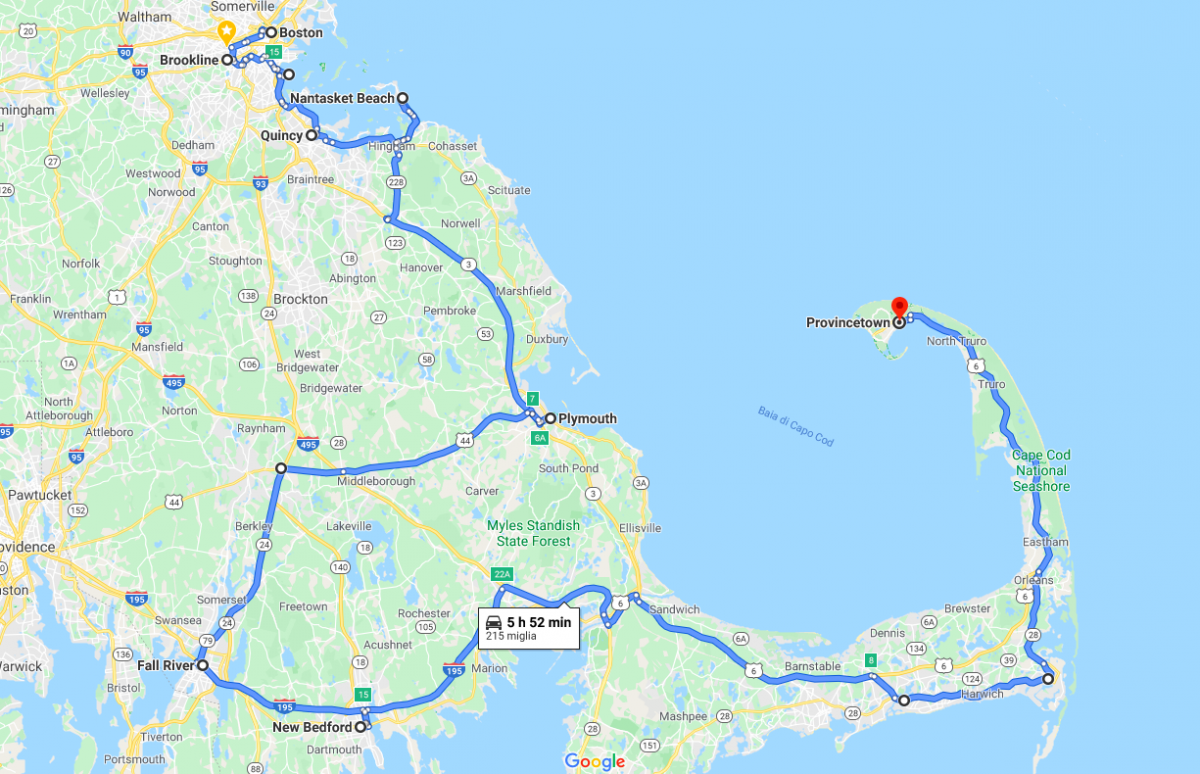
For most travelers, especially those embarking on a classic New England road trip, driving is the primary mode of transport to Cape Cod. The distance from downtown Boston to the beginning of the Cape Cod Canal is approximately 60 to 70 miles (96 to 112 kilometers), depending on your exact starting point in Boston and your intended first stop on the Cape. This proximity makes it a relatively quick journey, often taking just over an hour without traffic. However, the operational phrase here is “without traffic,” a rarity during peak travel times.
The Core Route and Bridges
The most common and direct driving route from Boston to Cape Cod involves taking Route 3 South. This highway serves as the main artery connecting the metropolitan area to the sandy shores of Massachusetts’s beloved peninsula. As you approach the Cape, you’ll encounter the iconic Cape Cod Canal, a man-made waterway that separates the Cape from the mainland. Crossing this canal is a pivotal moment in your journey, signifying your official arrival.
There are two main bridges that span the Cape Cod Canal:
- The Sagamore Bridge: This is typically the first bridge you’ll encounter if you’re coming down Route 3 South. It leads directly into US-6, the main highway that runs the length of Cape Cod.
- The Bourne Bridge: Located slightly further west, the Bourne Bridge is often accessed via Route 28 South from Plymouth. It provides access to the Upper Cape towns like Falmouth and Woods Hole.
Both bridges are engineering marvels, offering picturesque views of the canal below and the expansive maritime landscape. Once you cross either bridge, you’re officially on Cape Cod, with numerous charming towns and attractions awaiting your exploration. The total driving time from Boston to the Sagmore Bridge or Bourne Bridge without heavy traffic is usually between 1 hour and 15 minutes to 1 hour and 45 minutes.
Navigating Traffic and Peak Season
While the distance to Cape Cod is relatively short, traffic can dramatically extend travel times, especially during the peak summer months. The notorious “Cape Cod traffic” is a well-known phenomenon, particularly on Friday afternoons and Saturday mornings as vacationers flock to the peninsula, and on Sunday afternoons as they head home.
- Best Times to Travel: To avoid the worst of the congestion, consider traveling on a weekday, early in the morning (before 8 AM), or later in the evening (after 8 PM). Tuesday, Wednesday, and Thursday generally offer the smoothest travel.
- Holiday Weekends: Be prepared for significantly longer travel times during major holiday weekends such as Memorial Day, Fourth of July, and Labor Day. These weekends can see travel times double or even triple.
- Real-time Navigation: Always utilize GPS applications like Google Maps or Waze for real-time traffic updates. These tools can sometimes suggest alternative routes, though options around the bridges are limited.
Understanding and planning for potential traffic delays is key to a stress-free start to your Cape Cod adventure, allowing you to focus on the anticipation of sun-drenched beaches and fresh seafood.
Your Journey Options: More Than Just Driving
While driving offers the most flexibility, especially for exploring the diverse towns and attractions of Cape Cod, several other transportation options cater to different preferences, budgets, and travel styles. These alternatives can be particularly appealing if you prefer to relax and enjoy the scenery without the stress of navigating traffic.
Taking the Scenic Route by Bus or Train
Public transportation provides a comfortable and often eco-friendly way to reach Cape Cod from Boston.
- Bus Services: Peter Pan Bus Lines and Plymouth and Brockton offer regular bus services from South Station in Boston to various towns on Cape Cod, including Hyannis, Barnstable, and Woods Hole. The journey typically takes around 1.5 to 3 hours, depending on your destination and stops. Buses are a convenient option for those who don’t want to drive or deal with parking once they arrive. Many towns on the Cape have local bus services, like the Cape Cod Regional Transit Authority (CCRTA), that can help you get around without a car.
- Train Services: During the summer months (typically from Memorial Day to Labor Day weekend), the CapeFlyer offers weekend train service from South Station in Boston directly to Hyannis. This popular service provides a relaxed, scenic journey, often with onboard amenities like concessions and Wi-Fi. The CapeFlyer is a fantastic option for families or those looking to avoid weekend traffic entirely. The journey is roughly 2.5 hours. From Hyannis, you can connect to ferries to Nantucket or Martha’s Vineyard, or local transportation to other Cape towns.
Soaring Above: Air Travel Considerations
While not the most common or direct method for traveling between Boston and Cape Cod due to their proximity, air travel can be an option for those seeking speed or connecting from further afield.
- From Boston Logan International Airport: Boston Logan International Airport (BOS) serves as a major hub, and during peak season, there are sometimes regional flights or charter services to Barnstable Municipal Airport (HYA) in Hyannis or even to the islands of Nantucket and Martha’s Vineyard. These flights are short, typically 20-30 minutes, offering stunning aerial views of the coastline. However, considering the time spent traveling to and from airports, security checks, and potential delays, flying within this short distance is often less efficient than driving or taking the train, unless you are continuing your journey to the islands directly.
- Convenience for International Travelers: For international visitors arriving at Boston Logan International Airport, connecting flights might be a convenient way to reach Cape Cod without having to navigate local transportation or rent a car immediately. Alternatively, bus services from Boston Logan International Airport via Logan Express can take you to South Station for bus or train connections.
Coastal Connections: Ferries to the Islands
For those whose Cape Cod adventure includes the iconic islands of Martha’s Vineyard and Nantucket, ferry services are an integral part of the travel experience. While not directly from Boston, these ferries depart from various points on the Cape, typically Woods Hole (for Martha’s Vineyard) and Hyannis (for both islands).
- Steamship Authority: The primary ferry provider, the Steamship Authority, offers year-round service for both passengers and vehicles. This is the only way to bring a car to the islands, and reservations for vehicles, especially in summer, need to be made months in advance.
- Hy-Line Cruises: For passenger-only fast ferries, Hy-Line Cruises provides seasonal service from Hyannis to both Nantucket and Martha’s Vineyard. These are ideal for day-trippers or those staying on the islands without a car.
- Bay State Cruise Company: While Bay State Cruise Company offers fast ferry service directly from Boston to Provincetown at the tip of Cape Cod, it’s important to note this is a distinct service from the island ferries. The Boston-Provincetown ferry is a popular seasonal option, typically taking about 90 minutes and offering a refreshing sea voyage directly to the vibrant town of Provincetown.
Choosing the right mode of transport depends on your travel goals. For maximum flexibility and exploration, driving is king. For a relaxed, scenic journey or island hopping, buses, trains, and ferries offer excellent alternatives.
Unveiling Cape Cod: A World of Attractions and Experiences
Beyond the practicalities of travel, Cape Cod itself is the destination, a peninsula rich in history, natural beauty, and vibrant culture. Its proximity to Boston makes it an accessible paradise for all types of travelers, from families seeking classic beach vacations to couples on romantic getaways and solo adventurers exploring historical landmarks.
Iconic Beaches and Natural Wonders
The most famous draw of Cape Cod is undoubtedly its spectacular coastline. With miles of sandy beaches, rugged dunes, and calm bays, there’s a perfect stretch of sand for everyone.
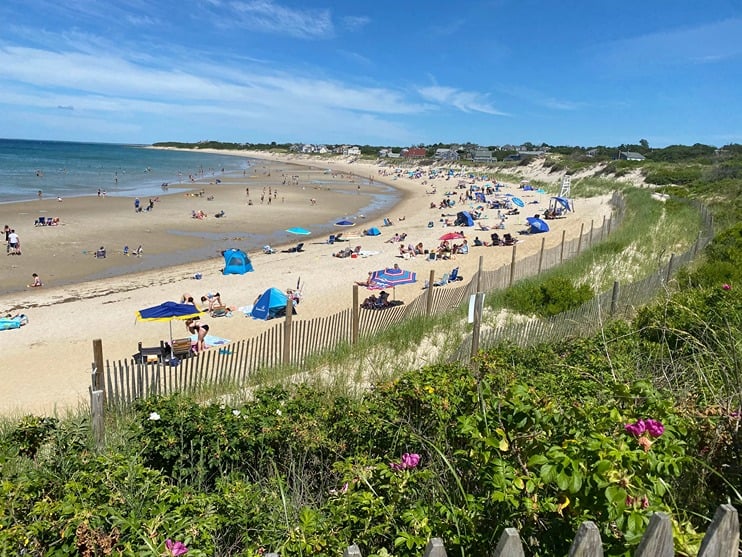
- Cape Cod National Seashore: This protected area, encompassing 40 miles of shoreline from Chatham to Provincetown, is a must-visit. Here, you’ll find some of the East Coast’s most pristine beaches, including Nauset Beach and Coast Guard Beach in Eastham, and Race Point Beach and Herring Cove Beach in Provincetown. These beaches are perfect for swimming, sunbathing, surfing, and long walks amidst dramatic dune landscapes.
- Whale Watching: One of the most thrilling natural experiences on Cape Cod is whale watching. Boats depart regularly from Provincetown and Barnstable, taking visitors to Stellwagen Bank National Marine Sanctuary, a rich feeding ground for humpback, fin, and minke whales. It’s an unforgettable encounter with these magnificent creatures of the deep.
- Bike Trails and Nature Preserves: Beyond the beaches, Cape Cod boasts numerous scenic bike trails, such as the Cape Cod Rail Trail and the Shining Sea Bikeway in Falmouth, offering miles of paved paths through picturesque landscapes. Nature preserves like Monomoy National Wildlife Refuge provide opportunities for birdwatching and peaceful contemplation.
Charming Towns and Cultural Gems
Each town on Cape Cod possesses its own unique character, offering a diverse array of cultural, historical, and recreational activities.
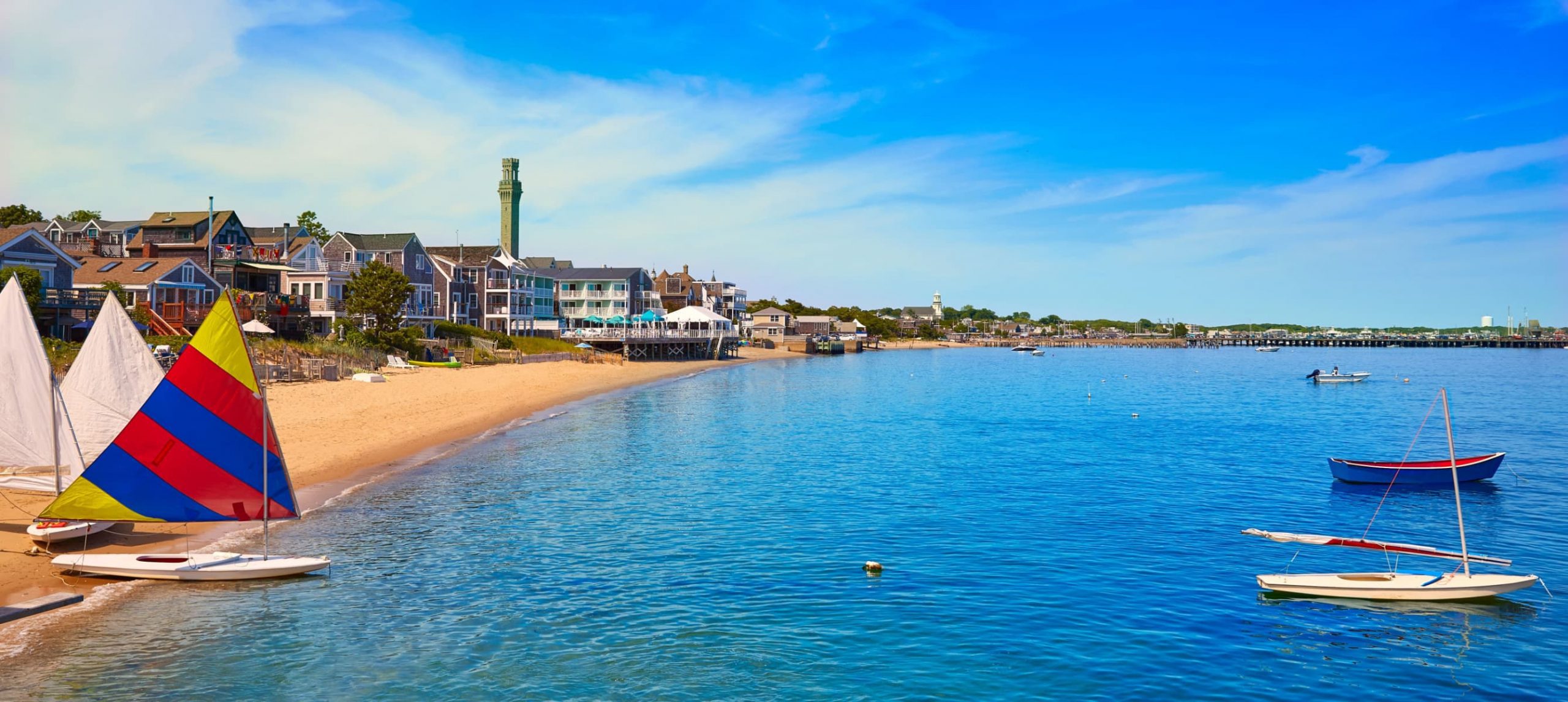
- Provincetown (P-Town): Located at the very tip of the Cape, Provincetown is renowned for its vibrant arts scene, eclectic boutiques, and inclusive atmosphere. Explore Commercial Street, climb the Pilgrim Monument for panoramic views, or visit the Provincetown Art Association and Museum (PAAM).
- Hyannis: As the commercial hub of the Mid-Cape, Hyannis offers a lively downtown, the John F. Kennedy Hyannis Museum, and bustling harbor with ferry connections to the islands. Its central location makes it a great base for exploring.
- Chatham: Epitomizing classic Cape Cod charm, Chatham is known for its historic lighthouse, quaint Main Street, and the famous “Fish Pier,” where you can watch fishermen unload their daily catch and seals vie for scraps.
- Sandwich: The oldest town on Cape Cod, Sandwich is rich in history, featuring glass museums, antique shops, and the beautiful Heritage Museums & Gardens.
- Route 6A (Old King’s Highway): Driving along Route 6A in the Upper and Mid-Cape offers a journey through picturesque villages like Yarmouth and Dennis, past historic homes, art galleries, and charming bed and breakfasts.
Culinary Delights and Local Flavors
No trip to Cape Cod is complete without indulging in its renowned culinary scene, heavily influenced by its coastal location.
- Fresh Seafood: From succulent lobster rolls and rich lobster bisque to crispy fried clams and perfectly seared scallops, seafood is king. Enjoy a traditional lobster dinner at a waterfront restaurant or grab a casual clam shack meal.
- Local Produce: Beyond seafood, Cape Cod is famous for its cranberries. Visit during the fall to witness the stunning cranberry harvest and enjoy fresh cranberry products.
- Sweet Treats: Indulge in homemade ice cream, saltwater taffy, and fudge from local confectioneries. Don’t forget to pick up a bag of Cape Cod Potato Chips, a local institution.
- Farm-to-Table Dining: Many restaurants on the Cape embrace the farm-to-table movement, offering dishes with locally sourced ingredients that celebrate the region’s bounty.
Making Cape Cod Your Home Away From Home: Accommodation Insights
With its reputation as a premier vacation destination, Cape Cod offers an extensive range of accommodation options to suit every taste, budget, and travel style. Whether you’re seeking ultimate luxury, a cozy romantic escape, or a practical family-friendly base, you’ll find the perfect place to stay.
From Luxury Resorts to Quaint B&Bs: Finding Your Perfect Stay
Cape Cod’s accommodation landscape is incredibly diverse, reflecting its varied appeal.
- Luxury Resorts: For those seeking an indulgent experience, Cape Cod boasts world-class resorts with lavish amenities. The Wequassett Resort and Golf Club in Chatham offers stunning waterfront views, exquisite dining, and championship golf. Similarly, the Ocean Edge Resort & Golf Club in Brewster provides a historic mansion, private beach access, and extensive recreational facilities. These resorts often feature multiple pools, spas, fine dining restaurants, and concierge services, catering to a discerning clientele looking for a full-service, pampered vacation experience.
- Boutique Inns and Bed & Breakfasts: For a more intimate and personalized stay, hundreds of charming boutique inns and B&Bs dot the Cape. These often historic properties offer unique decor, gourmet breakfasts, and personalized recommendations from local hosts. Consider places like The Platinum Pebble Boutique Inn in Harwich or The Coonamessett in Falmouth for a romantic retreat or a quiet escape. Many are located in quaint villages, providing easy access to local shops and restaurants.
- Hotels and Motels: Traditional hotels and motels are available across the Cape, particularly in larger towns like Hyannis, Yarmouth, and Falmouth. These range from budget-friendly options to mid-range establishments offering comfortable rooms, sometimes with pools and breakfast included. Brands like Red Jacket Resorts offer multiple properties with family-friendly amenities and beach access.
Vacation Rentals and Family-Friendly Options
For families, groups, or those planning an extended stay, vacation rentals are an incredibly popular choice on Cape Cod, offering space, privacy, and amenities like full kitchens.
- Private Homes and Cottages: Websites like Airbnb and Vrbo (Vacation Rentals By Owner) list thousands of private homes, from rustic beach cottages to luxurious waterfront estates. Renting a home provides a “home away from home” experience, allowing guests to cook their own meals, have separate living areas, and often enjoy private outdoor spaces. This option is particularly cost-effective for larger groups or longer stays.
- Family-Friendly Resorts: Some resorts and hotels on the Cape specifically cater to families, offering kids’ clubs, multiple pools, playground areas, and activities. These properties often provide suites or connecting rooms to accommodate families comfortably.
- Campgrounds: For adventurous and budget-conscious travelers, several campgrounds are available, offering tent sites, RV hookups, and cabins. Camping provides an immersive natural experience, allowing you to connect with the Cape’s outdoor beauty.
Booking accommodations well in advance, especially for summer travel, is highly recommended, as popular properties fill up quickly. Consider the location carefully – whether you prefer the bustling energy of the Upper Cape, the family-friendly vibe of the Mid-Cape, or the tranquil beauty of the Lower Cape and Outer Cape.
Planning Your Perfect Cape Cod Getaway
A memorable Cape Cod experience goes beyond knowing the distance from Boston and booking a place to stay. Thoughtful planning can elevate your trip, ensuring you make the most of this iconic New England destination.
Best Time to Visit and What to Pack
The charm of Cape Cod shifts with the seasons, each offering a distinct experience.
- Summer (June-August): This is peak season, bringing warm weather, bustling beaches, and a full calendar of events. Ideal for traditional beach vacations, whale watching, and all water activities. Be prepared for crowds, higher prices, and the aforementioned traffic. Pack swimsuits, light clothing, sunscreen, hats, and comfortable sandals.
- Fall (September-October): Often considered the “secret season” by locals, fall on the Cape is magical. The weather is crisp, crowds thin out, and the foliage, particularly along Route 6A, is stunning. Many restaurants and shops remain open, and events like the Cranberry Festival celebrate local harvests. Pack layers – sweaters, light jackets, and long pants – for cooler evenings and breezy days.
- Spring (April-May): Spring offers a refreshing awakening as the Cape shakes off winter. Wildflowers bloom, migratory birds return, and golf courses reopen. It’s a quieter time, perfect for walks, cycling, and exploring historical sites. Weather can be variable, so pack a mix of light and warmer clothing, including a rain jacket.
- Winter (November-March): While many seasonal businesses close, winter on Cape Cod offers a serene, rugged beauty. Stormy seas, dramatic skies, and empty beaches create a peaceful retreat. It’s ideal for cozy fireside stays, romantic escapes, and nature photography. Pack warm layers, heavy coats, hats, gloves, and waterproof boots.
Regardless of the season, always bring comfortable walking shoes, especially if you plan to explore towns or hit the trails. A reusable water bottle is also a good idea.
Budgeting for Your Cape Cod Adventure
The cost of a Cape Cod vacation can vary significantly based on your choices.
- Accommodation: This will likely be your biggest expense. During summer, luxury resorts can command hundreds of dollars per night, while budget motels or campgrounds offer more affordable alternatives. Consider visiting during the shoulder seasons (spring and fall) for better rates. Vacation rentals offer good value for families or groups.
- Transportation: Driving your own car is often the most economical, but factor in gas and potential bridge traffic delays. Bus and train tickets are reasonably priced. Ferries to the islands can add up, especially if taking a car.
- Food and Activities: Cape Cod offers dining options for every budget, from casual clam shacks to upscale fine dining. Plan for activity costs such as whale watching tours, museum admissions, and ferry tickets if visiting the islands. Many activities, like beach-going and hiking, are free or low-cost.
- Lifestyle Considerations: If you’re on a budget, consider packing picnics for beach days, utilizing vacation rental kitchens, and looking for free attractions like lighthouses and public beaches. For luxury travelers, indulge in spa treatments, private boat charters, and gourmet dining experiences.
Ultimately, the distance from Boston to Cape Cod is minimal, making it an effortlessly accessible and wonderfully rewarding destination. Whether you’re drawn by the promise of sun-drenched beaches, charming historic towns, or the tantalizing taste of fresh seafood, Cape Cod offers an unforgettable escape, a quintessential New England experience just a short journey away.
LifeOutOfTheBox is a participant in the Amazon Services LLC Associates Program, an affiliate advertising program designed to provide a means for sites to earn advertising fees by advertising and linking to Amazon.com. Amazon, the Amazon logo, AmazonSupply, and the AmazonSupply logo are trademarks of Amazon.com, Inc. or its affiliates. As an Amazon Associate we earn affiliate commissions from qualifying purchases.